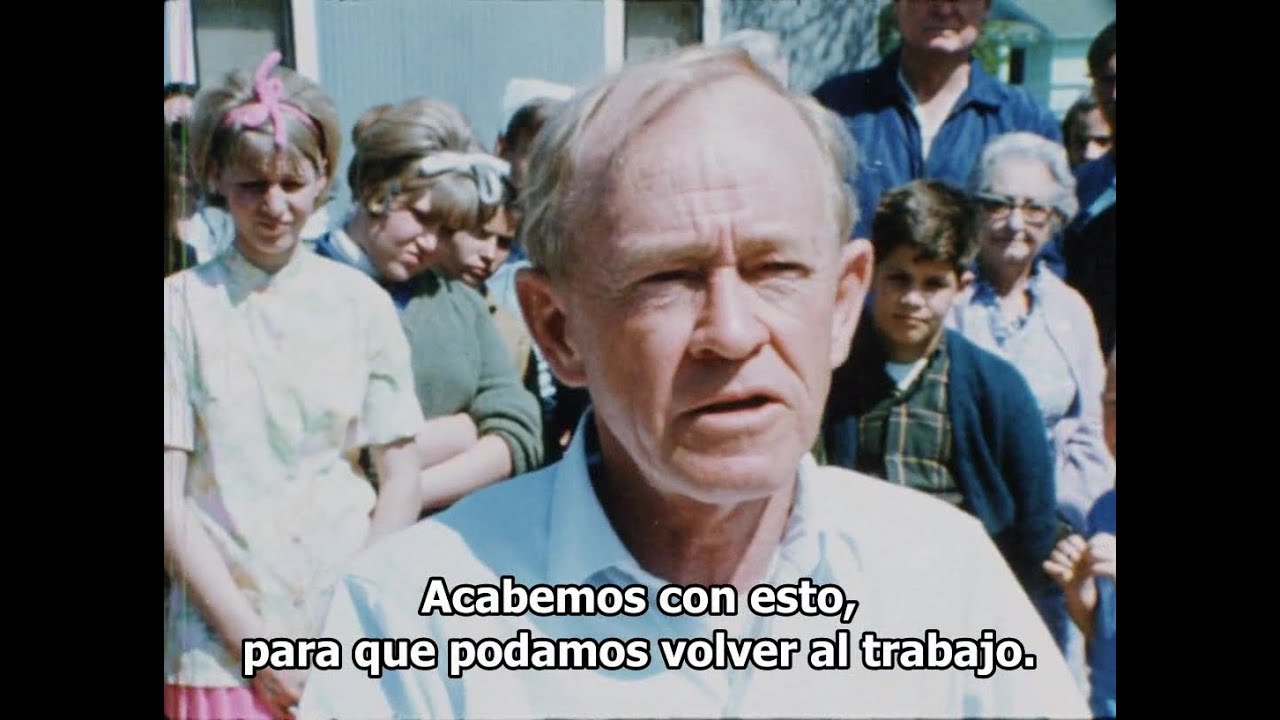
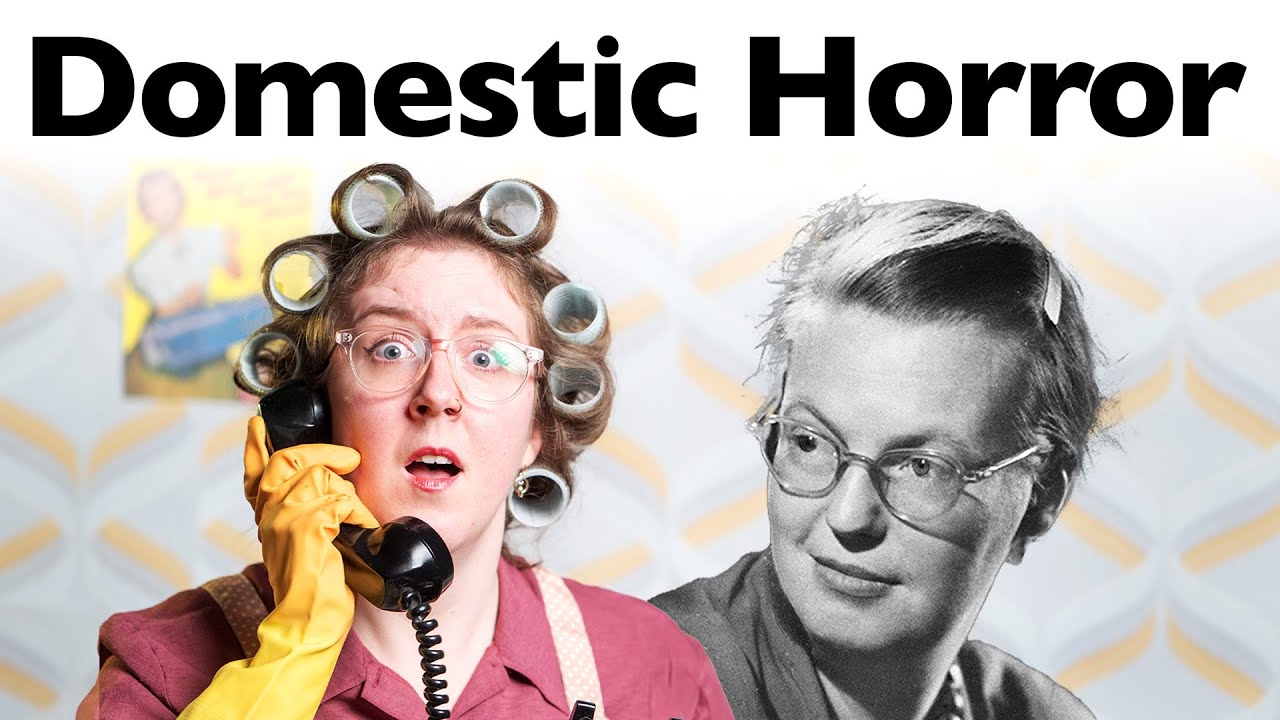
[Music] in the introduction to Shirley Jackson's iconic short story the lottery it's the morning of June 27th in a small village and its residents about 300 people gather in the town square to participate in the lottery which begins at 10 a. m. the children gather first several young boys begin to select smooth round stones and pile them in the center of the square the men arrive chatting casually and making quiet jokes and soon after the women follow exchanging gossip mr.
summers who runs the coal business and officiates a town social events arrives with a shabby black wooden box under his arm that has remained in use for over 77 years not wishing to upset tradition the villagers never make a new box despite the fact that aspects of the old ritual have been forgotten or discarded in the rising action Records list heads of families heads of households in each family and members of each household before the lottery begins the postmaster swears in mr. summers as the lottery official in prior years the official performed a recital described as a tuneless chant and saluted residents as they drew slips but nowadays the official greets each resident without a salute Tessie Hutchinson arrives late to the lottery explaining to her amused friend that she forgot what day it was only remembering when she looked out her window to notice her family gone mr. summers jokes about her late arrival and mrs.
Hutchinson says lightly that she had to finish washing the dishes which cracks up the gathered crowd mr. summers then explains the rules that the residents have heard many times before the official will read the names of each family the head of each household will come up and draw a paper from the box keeping the paper folded until everyone eligible to draw has taken a slip the men approached the box in alphabetical order by last name and solemnly take their paper slips as the names are called a nervous tension begins to settle over the assembled townspeople old man Warner rants about the North Village where folks are talking about giving up the lottery cantankerous old man Warner says nothing is good enough for the young folks they might as well live in caves and quit working he repeats a familiar saying lottery in June corn be heavy soon mrs. Adams points out that some towns have actually already stopped lotteries old man Warner announces that this is his 77th lottery in the climax of the short story after the heads of each household have drawn their slips they opened their slips all at once bill Hutchinson has been selected in the first round of the lottery Tessie Hutchinson complains that mr.
Somers didn't give her husband enough time to take any paper he wanted other women in the crowd quiet bill himself tells his wife to shut up in the falling action the Hutchinson family draws lots amongst themselves in the final round of the lottery mr. Somers asks mr. Hutchinson if there are any other households in the Hutchinson family mrs.
Hutchinson says that her daughter Eva and her husband Don should take their chance mr. Somers reminds her that daughter's draw with their husbands families and bill Hutchinson agrees that's what's fair their family includes only himself his wife and their three youngest kids bill jr. Nancy and Davey the five Hudson slips are put in the box and then drawn by the members of the family old man Warner grumbles that people aren't the way they used to be the Hutchinson children opened their papers and they're all blank so it's bills and in the resolution on mr.
Somers a--'s instructions bill forces the slip out of tessie's hand and reveals a black dot made with a heavy pencil mr. Somers tells the crowd to finish quickly the children grab stones someone gives pebbles to little Davey Hutchinson the villagers take stones from the pile the young boys made earlier in the day Tessie holds her hands out desperately as the crowd moves in on her the first stone hits her as old man Warner urges the others on Tessie pleads with the crowd screaming it isn't fair it isn't and then they were upon her the bland and quiet opening of the lottery does anything but prepare readers for the horrors to come the setting is simple a sunny morning in an unassuming rural village an ordinary beginning that sets up a narrative that morphs into a parable that attempts to explain the unexplainable humanity's darkest forces the mindless preservation of tradition is a major takeaway from this story the purpose of the lottery is never clearly revealed but details show how meaningful it is to the villagers a communal right that connects to the foundation of the town and to the villagers sense of themselves late June coincides with the summer solstice in ancient times a season of celebration and sacrifice the blackboxes construction demonstrates a Link to the Past it's beaten shabby appearance signifies the outworn nature of the practice the box represents the lottery elicits terror without any hope for a culture that rejects change a chilling lesson for a country founded on democratic ideals the story attacks the belief in a common humanity and the trust in governmental safeguards that preserve the common good if the rallying cry of Holocaust historians was lest we forget Shirley Jackson's story goes further asking readers to imagine the evil that resides within the self the lottery teaches readers that survival is the primary matter of self-interest it raises the question of who among us is strong enough to resist tyranny when it threatens us firsthand and when it's traditionally even multi-generationally ingrained and not questioned the infamous short story is a disturbing lesson about the limits of flexibility when established practice is threatened there are four main characters who stand out for better and tragically for worse from the townspeople inhabiting Shirley Jackson's legendary short story the lottery Tessie Hutchinson initially jocular and friendly is the only villager to show up late to the lottery as if she is unconsciously avoiding it she becomes increasingly frightened as the bizarre irrational ritual plays itself out and her fear gives way to anger and panic shock when she realizes she will be the Lottery's victim bill Hutchinson appears stoically accepting of his fate although he commands authority in the family he defers to the town's authority in the lottery bill like his wife seems like a regular fairly relatable guy in a small town but as the short story progresses it's clear that something very strange and morbidly unique is afoot unlike his doomed wife mr. Hutchinson is compliance when his name is chosen mr.
Somers is an outgoing man with a cheerful personality he is brisk and efficient even enthusiastic in conducting the lottery as if it's simply another of the popular local events he coordinates he takes time to joke with the participants his neighbors he makes small talk but old man Warner finds his joking disrespectful though mr.