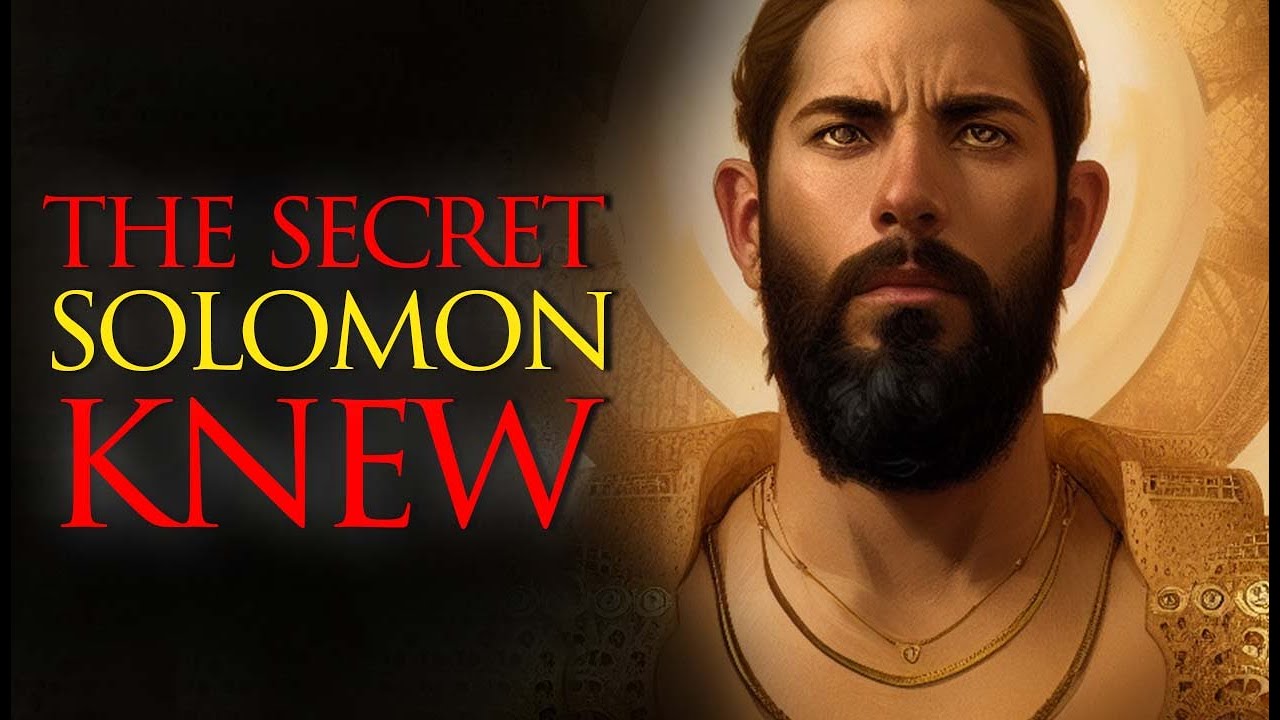
Welcome to the Unraveling the Scriptures Channel. The untold narrative about King Solomon is that, despite being a beloved monarch, his journey carries some unfavorable aspects. The Bible, as a comprehensive and impartial work, does not seek to conceal the imperfections of our heroes of faith.
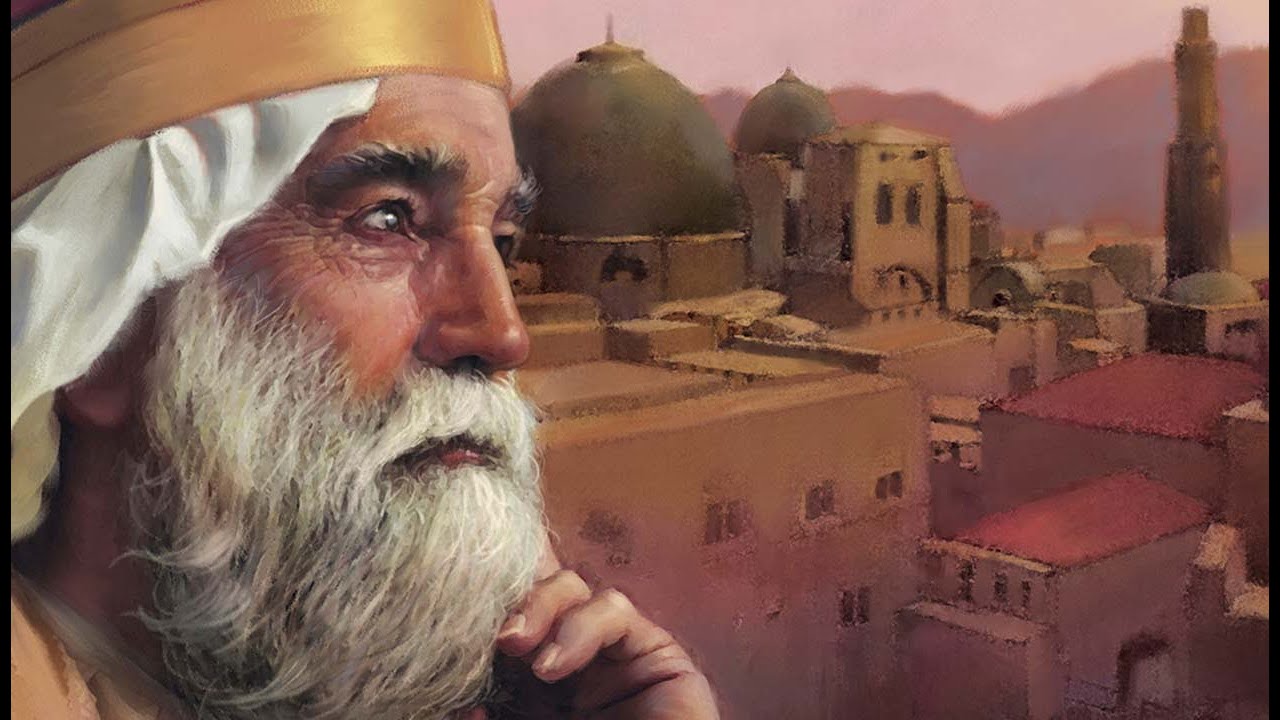
It is challenging to think of the kings mentioned with affection in the scriptures without mentioning Solomon. He will always be remembered as a leader who harbored a deep love for God, offering a thousand burnt offerings, seeking wisdom, and standing out for such exceptional understanding that resulted in peace and a sensation of conflicts as recorded in 1 Kings 3:3-14. Who was Solomon and why did he fall?
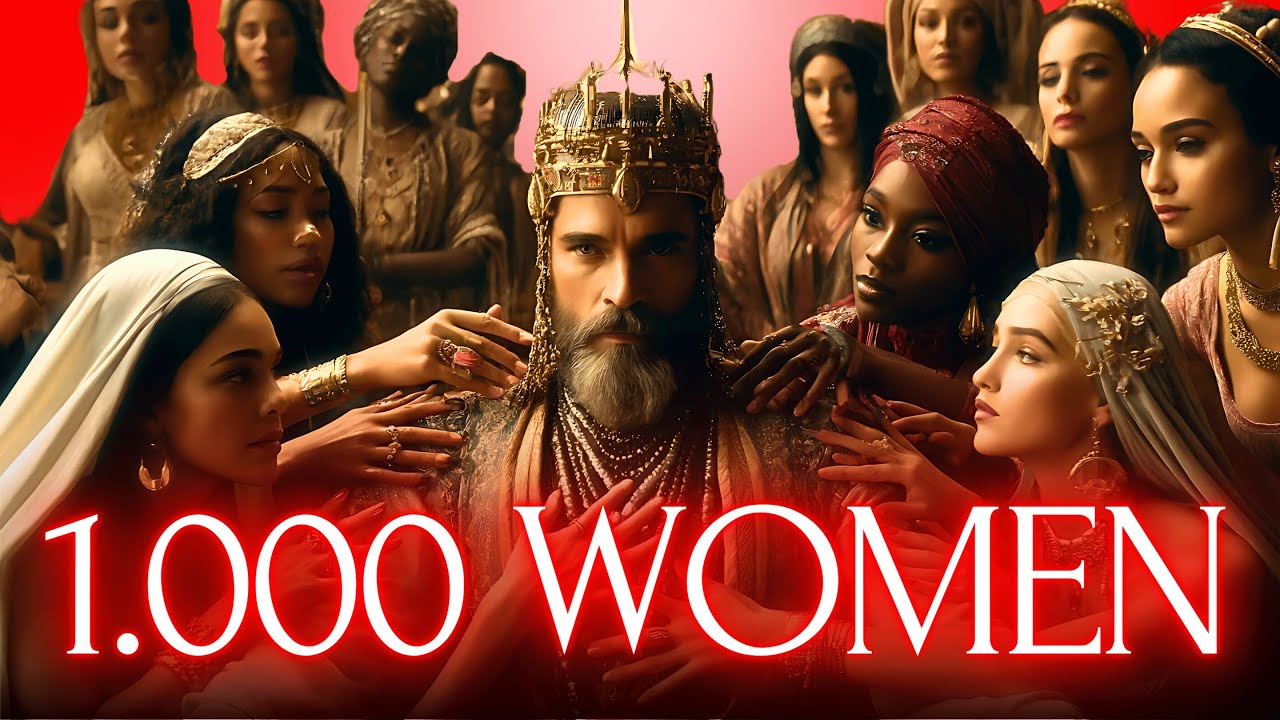
The man who had 1,000 wives and concubines. Solomon expressed his love for the Lord by following the guidance of his father David. Additionally, he performed sacrifices and burned incense in the high places.
When he went to Gibeon to offer sacrifices, choosing this significant location, Solomon presented a thousand burnt offerings on the altar of Gibeon. That night, the Lord appeared to Solomon in a dream, saying, "Ask for whatever you want me to give you. " Solomon responded, acknowledging the divine kindness towards his father David for his faithfulness, justice, and uprightness of heart.
He expressed gratitude for the continuation of this kindness by allowing a son to sit on David's throne; however, he humbly acknowledged his inexperience, considering himself merely a child before the greatness of the chosen people of God, countless and vast. Solomon then made a unique request to the Lord, a discerning heart to govern the people and discern between good and evil. Given the monumental responsibility that lay upon him, the Lord, pleased with this request, stated that as Solomon did not ask for wealth, long life, or the defeat of enemies, but rather discernment to administer justice, he would grant Solomon a wise and discerning heart.
Moreover, unexpected blessings of wealth and honor were added, emphasizing that Solomon would be incomparable among kings as long as he remained obedient, observing the decrees and commandments as his father David had done. The Lord promised Solomon a long life if he continued in obedience. Solomon gained renown for his erudition and the solutions he offered.
He authored some of the most prominent books of the Bible such as Ecclesiastes, Song of Solomon, and Proverbs, filled with wisdom. In these works, he expressed many insightful words, quotes, songs, and proverbs so profoundly meaningful that we still explore them today. Notable examples of these pearls of wisdom include Proverbs 5:1-2, where he advises, "My son, pay attention to my wisdom, turn your ear to my words of understanding, so that you may maintain discretion and your lips may preserve knowledge.
" Another example is found in Proverbs 9:10, where he proclaims, "The fear of the Lord is the beginning of wisdom, and knowledge of the Holy One is understanding. " In Ecclesiastes 3:1, Solomon reflects on time, highlighting that there is a time for everything and a season for every activity under the heavens. He acknowledges that God made everything appropriate in its time and eternity is in the heart of man, unable to fully comprehend the divine works from beginning to end.
Solomon was a wise man, hard to ignore and easy to love. For this reason, many people both near and far sought his wisdom, wealth, or advice. This is evident in the account of 1 Kings 10:1-18 when the Queen of Sheba, upon hearing about Solomon's fame, traveled to Jerusalem to personally test the stories circulating about his wisdom and his relationship with the Lord.
Upon arriving in Jerusalem with a grand caravan of camels laden with spices, large quantities of gold, and precious stones, the Queen of Sheba met Solomon. During their conversation, she shared all the thoughts that intrigued her, and Solomon answered all her questions; nothing was too difficult for the king to explain. Witnessing all of Solomon's wisdom, the magnificence of the palace he had built, the opulence of his table, the refinement of his officials, the attentive servants in their attire, the cup bearers, and the burnt offerings offered in the temple of the Lord, the Queen of Sheba was deeply impressed.
She expressed her admiration, sharing with the king the news she had heard in her own country about his achievements and wisdom, confirming that they were true. However, she admitted that she did not fully believe until she came and saw with her own eyes; indeed, not even half of what she had been told about Solomon's wisdom and wealth was sufficient to describe the greatness she witnessed. In recognition of the blessing Solomon represented for his people, the Queen of Sheba extolled the Lord God, who was pleased with him and placed him on the throne of Israel.
She emphasized that Solomon's ascent to the throne was a result of the Lord's eternal love for Israel, appointing him to uphold justice and righteousness. As a gesture of appreciation, she gifted the king with 120 talents of gold, large quantities of spices, and precious stones. The Queen of Sheba also brought an extraordinary amount of spices, surpassing everything that had been brought before.
The ships of Ophir brought gold from Ophir, along with abundant cargoes of almug wood and precious stones. Solomon used the almug wood to create supports for the temple of the Lord and the royal palace, as well as crafting harps and lyres for the musicians. Since then, such an import of almug wood has never been seen again.
King Solomon not only fulfilled all the wishes and requests of the Queen of Sheba but also exceeded her generous royal donations. After this encounter, she departed with her entourage, returning to her own country. Annually, King Solomon received 666 talents of gold, not counting the revenues from merchants, traders, and all the Arab kings and governors of the territories.
Solomon undertook the crafting of. 200 large shields of hammered gold, each containing 600 shekels of gold. Additionally, he made 300 small shields of hammered gold with 3 kg of gold in each shield, which were placed in the Palace of the Lebanon Forest.
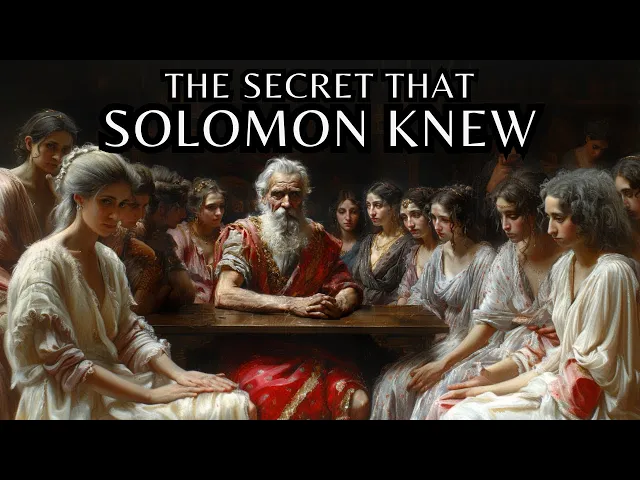
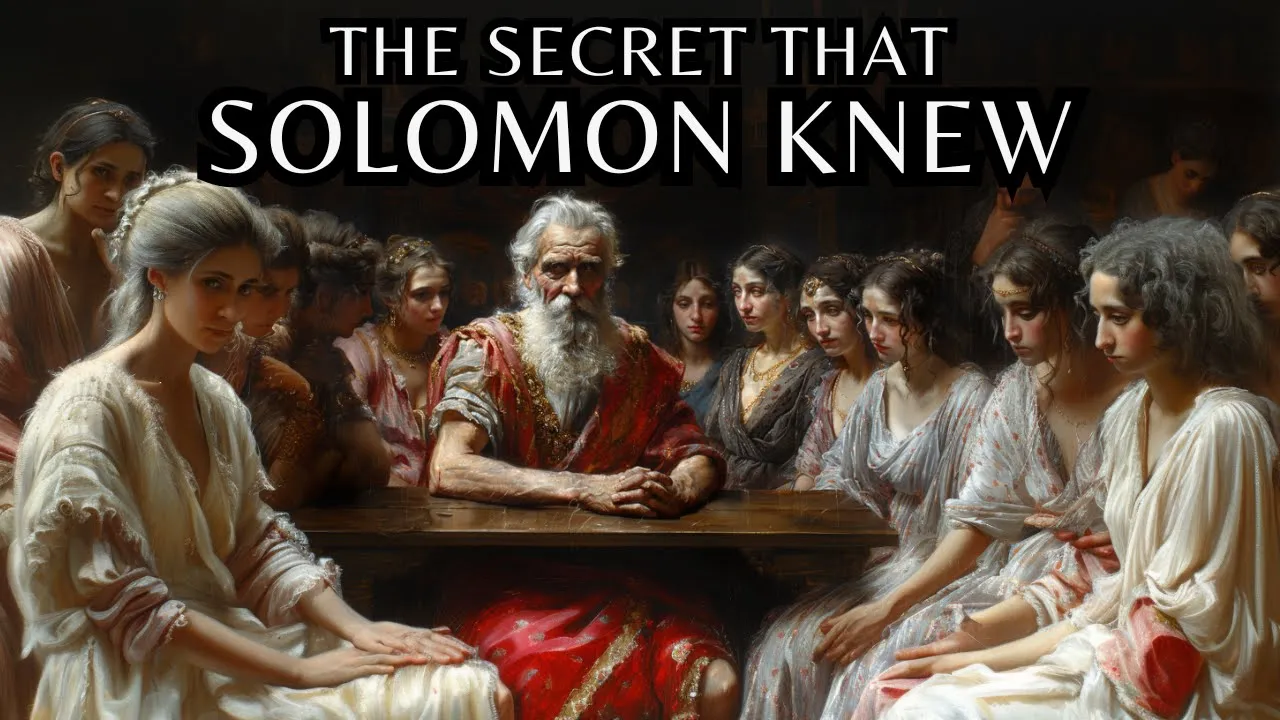
The king also had a majestic throne made entirely overlaid with ivory and covered with fine layers of gold. However, some unpleasant and not so just aspects of his life, such as his marriage to 700 wives and 300 concubines, are surprising as described in the first book of Kings 11:1-13. Solomon loved many foreign women besides the daughter of Pharaoh: Moabites, Ammonites, Sidonians, and Hittites of the nations concerning which the Lord had said to the people of Israel, "You shall not enter into marriage with them, neither shall they with you, for surely they will turn away your heart after their gods.
" However, Solomon clung to them with affection, having 700 royal wives and 300 concubines. His wives, however, turned his heart away to follow other gods, and his commitment to the Lord his God was no longer complete, unlike the devoted heart of his father David. He devoted himself to Ashtoreth, the goddess of the Sidonians, and to Molech, the detestable god of the Ammonites.
Thus, Solomon did evil in the eyes of the Lord and was not fully faithful, unlike David his father. On a hill east of Jerusalem, Solomon built a high place for Chemosh, the abominable deity of Moab, and for Molech, the detestable god of the Ammonites. He also followed the customs of the Ammonites, accompanying his foreign wives who burned incense and offered sacrifices to their gods.
The Lord was angry with Solomon because his heart turned away from the Lord, the God of Israel, who had appeared to him twice. Although the Lord had forbidden Solomon from following other gods, he did not obey the divine command. The Lord then told Solomon that due to his attitude and disobedience to the covenant and commandments, he would surely take the kingdom from his hands and give it to one of his servants.
However, for the sake of David his father, he would not do it during Solomon's lifetime. In the reign of his son, one tribe would be taken away, but the kingdom would not be completely removed, for one tribe would be preserved in consideration of David, the servant of the Lord, and the chosen city Jerusalem. Eventually, lust, weakness, and lack of discipline in his relationships with women drove God away from Solomon, leading him to lose almost everything he possessed.
In the first book of Kings 11:28-40, Jeroboam emerged as a prominent man at that time. Recognizing Jeroboam's excellent work as a young man, Solomon put him in charge of all the labor force of the tribes of Joseph. When Jeroboam was leaving Jerusalem, the prophet Ahijah of Shiloh met him on the way wearing a new cloak.
The two were alone in the field, and the prophet tore the new cloak into 12 pieces, telling Jeroboam to take 10 pieces for himself. "For thus says the Lord, the God of Israel: I am going to tear the kingdom from Solomon's hand and give you ten tribes. However, for the sake of my servant David and for the sake of Jerusalem, the city I have chosen from all the tribes of Israel, I will leave one tribe for the son of Solomon so that he may have a lamp before me every day in Jerusalem, the city I have chosen for my name.
" Molech, the god of the Ammonites, was mentioned as part of the reason for this decision, as Solomon had not obeyed nor followed his decrees and laws as David, the father of Solomon, had done. Despite this, God stated that he would not take the entire kingdom from Solomon during his lifetime, but the kingdom would be taken from the hands of his son. Jeroboam was destined to receive ten tribes, ruling over Israel as long as he obeyed God's commandments, did what was right in the eyes of the Lord, and followed the decrees and commandments just as David had done.
God promised to be with Jeroboam, build a lasting dynasty, and give him dominion over Israel. Despite this, there would be humiliation for the descendants of David, but not forever. Solomon tried to kill Jeroboam, but he fled to Egypt to King Shishak, where he remained until Solomon's death.
Solomon, once the esteemed leader of the 12 tribes of Israel, bequeathed only one tribe at the end of his life. As we close this journey, I invite you to reflect on the choices we make every day. May we learn from Solomon the importance of making ethical and spiritual decisions, knowing that these choices not only shape our own destiny but also the destiny of those we lead in future generations.
I hope you enjoyed this video about Solomon. If you enjoy similar content, please share your opinions and suggestions for future videos. May God bless you.
See you soon.