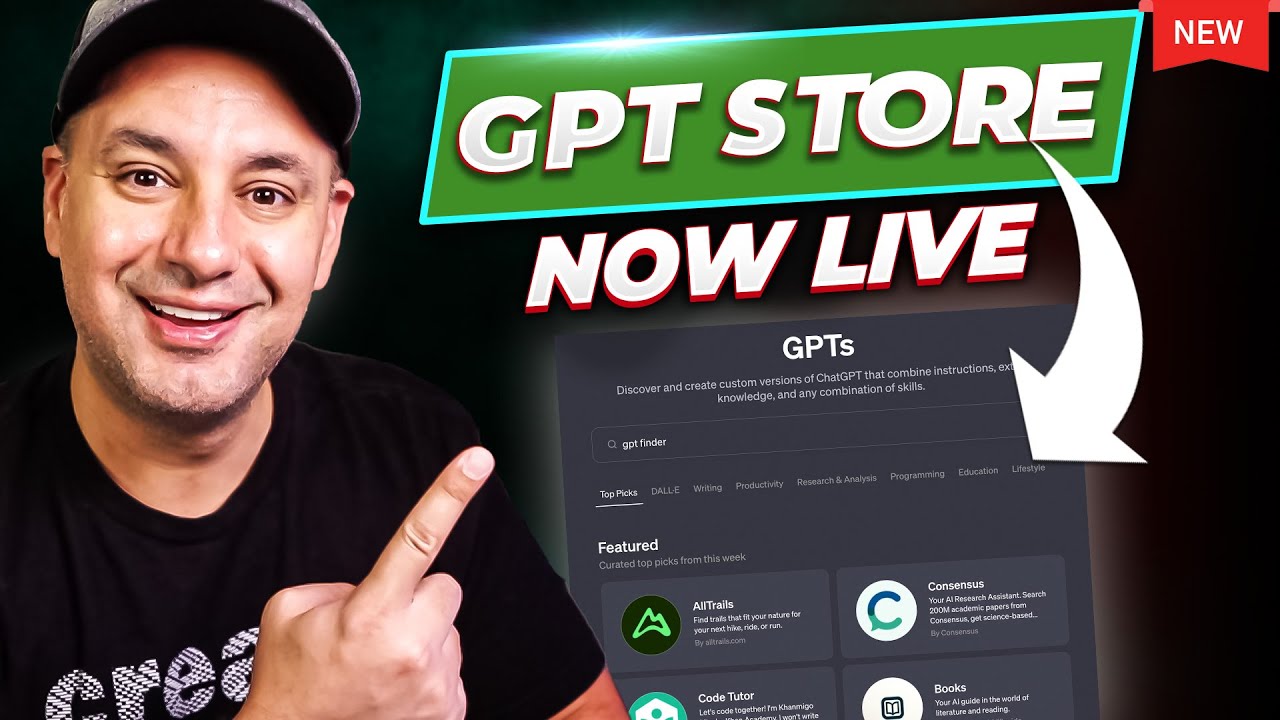
if you're brand new to AI or if you just haven't had time to keep up with all the latest development and you've been hearing a lot of Buzz about it in this one video I want to show you everything you need to know about AI to keep you up to date so back in November of 2022 a relatively unknown company called open AI released a free website called chat GPT now within one month of that over a 100 million people in the world try chat GPT so what is chat GPT exactly well in the simplest
term it was just a chatbot that could help you write text or it could answer your questions and that was the very first moment where AI went mainstream and ai's been around for a long time but it really never had a moment like the moment that chat GPT gave it now this new wave of AI that chat GPT started is called generative Ai and that means it could generate things like text it could generate computer code it could generate images videos and audio too now there are a lot of different AI tools though since chat
GPT came out that could generate one or more of these things so at the very top of the list the apps that could generate text include chat GPT that was the first mainstream but after that Microsoft also introduced an AI chat bot and it was inside of the Bing search engine it was called Bing chat but later almost a year later they rebranded it to co-pilot so that's what you'll see now Google released one called Google bard now chat GPT got a whole different competitor called Claude that's by a different company a startup called anthropic
now meta also released one x.com released one so all the big companies basically created their own generative AI model now all these generative AI models that could produce text as the output they are called large language models so generative AI think of that as the big category of AI and within that you have the large language models that fit into into this category so how do these large language models work exactly how come they seem so intelligent so these large language models basically get trained for months sometimes for years on a massive amount of Text
data so this text Data could be public information for example it could be from different websites it could be from textbooks sometimes it's from private information that those specific companies have access to now this could be Millions sometimes billions of word of text that trains these models and once they get trained basically because they've seen so much words out there they become an incredible guessing machine so technically what they're doing is they're guessing what words comes after another word I know it seems very simple but this is technically in the background how they're working and
I'm simplifying it obviously but to really go to the essence of how these work they are making educated guess on what w comes after and and other word now this process of training these models with all those words it actually cost tens of millions of dollars typically so these companies are usually the bigger companies that can do this because how much it takes to actually train these AI models these large language models but after this initial set of training these large language models are created and at that point they're referred to as foundational models so
GPT the foundational model behind chat GPT was created this way and after this set of training they go through another whole set of training called fine tuning now during that fine-tuning stage you could get these large language models to respond a certain way they could have a certain Persona or they could have a more specific domain of knowledge now all the companies that I mentioned so far have these foundational models but there are multiple business models behind it that's relevant to regular people using these So Meta for example has a large language model they developed
called llama but they decided to open source this model meaning any developer out there or any business owner can use it to build apps and AI tools on top of llama free of charge now open AI the company behind chat GPT their foundational model is GPT and that other company I mentioned anthropic has claw now they are not open sourced but they have something called an API and with an API you could basically pay them to use their technology so this means a lot of people could use the technology behind chat GPT and behind Claude
the two big language models out there to actually build any type of AI app that they want but for everyday people which I'm making this video for we don't need to know about apis we're just going to use the regular version of chat GPT and Claude and other models but in the case of chat GPT and Cloud both of these companies also have a paid version that is $20 a month and the only reason you want to upgrade to the paid version something that I've done is they usually give you the best version of that
model as a paid upgrade so the $2 a month gets you a better version of chat GPT that actually is trained on more data and it could give you better responses and it just generally seems more knowledgeable and sometimes there's other limitations like how much data you could feed it to get the information out so sometimes you have to pay that upgrade to get the best version of those large language models but they all do have a free version too and then we have Google bard and we have x.com grock and we have that Microsoft
co-pilot so Bard and grock are available grock is a paid upgrade Bard currently is free and they have a different model running in the background to power these so onard is called Gemini for example and Microsoft co-pilot is actually a partner with open AI so every time you use co-pilot you're technically using the latest version of chat GPT okay so now you have a good understanding of how all this came about what large language models are what companies are in play so what's the best way to actually use large language models well there's many many
many use cases that are very practical for people in day-to-day activity for example we all probably write at least one email every single day okay so these models could write that email for you you could do that inside of Bard you could do that inside a chat GPT Bart for example connects through extensions with your Gmail so you could actually read your Gmail and help you reply by drafting that reply you could proof read and rewrite any existing text you have to make it more formal to make it shorter more professional more friendly you could
translate any language you could brainstorm so a lot of times I'll have a back and forth conversation with chat jpt to come up with a solution to a problem you could create tables and spreadsheet you could write code even if you're not a developer you could take a screenshot for example of a web page and say write me code to get something that looks like this this is something you could do with a paid version of chat GPT for example some of these platforms even have tools where they could analyze PDFs that you could give
it with all kinds of different data that just wouldn't be possible almost becoming a data scientist with these AI tools and some of these will do a better job than others so sometimes you might want to use chat GPT if you're writing or summarizing text but maybe when you're doing research Google bard is going to do a better job so it's always best to try multiple models the free version of these multiple models depending on what you're doing day-to-day if you're heavy on research and require heavy internet browsing Bard and co-pilot usually do a better
job but in some cases if you're doing heavy writing or emailing and all kinds of different things chat GPT could outperform those so try it for yourself to see which one fits your day-to-day the best now the way you use these AI tools is you simply type in a text prompt in these messaging apps which is really what they are and you wait for a reply so the text you input into this chat box is called a prompt so the better you get at the prompt the better the output from these AI models and this
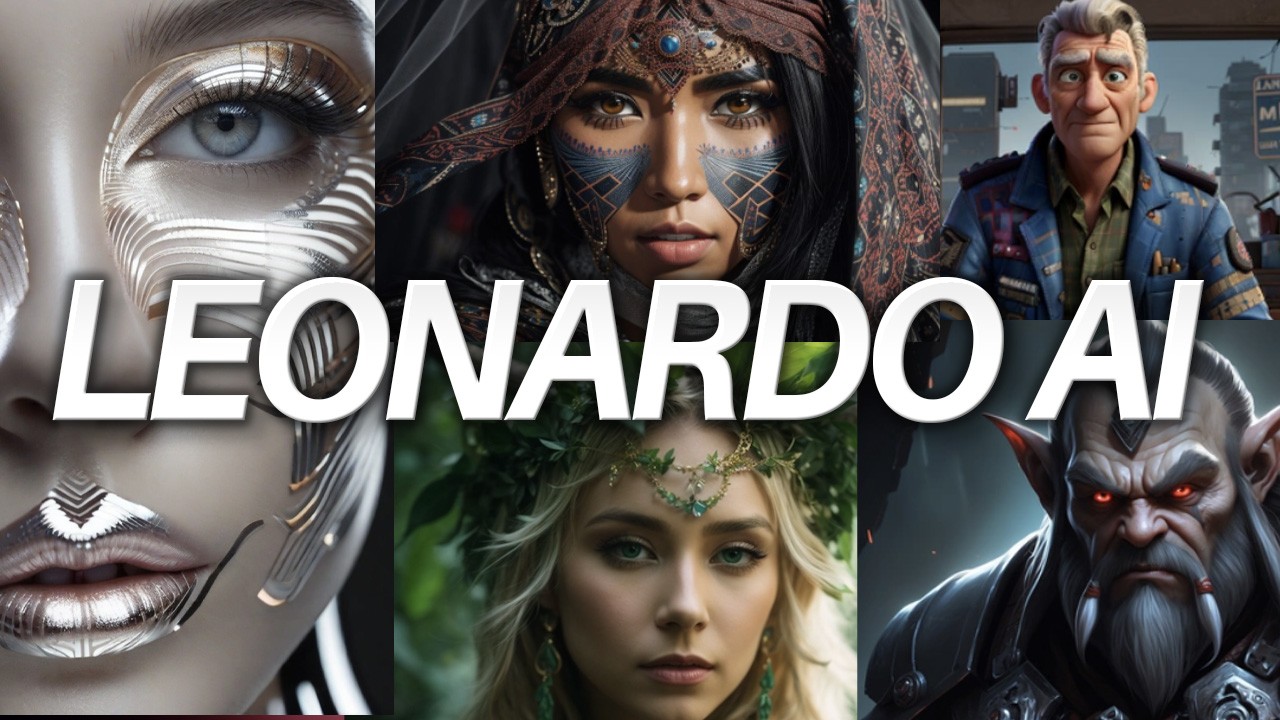
whole science is called called prompt engineering simply learning how to craft the right message the right way so these AI chat Bots could actually give you a better response so that's the part about large language models obviously one of the biggest parts of generative AI but there's a whole other side to generative AI as well the other technology that falls in the category of generative AI is called diffusion models so unlike the large language models we covered diffusion models are really designed to create images videos and audio again from a text prompt now these are
trained in a similar way as the large language models that we covered but they're not trained on text they're actually trained on images and sounds so the leading apps in this world could take a text prompt and then give you an image or a video or an audio file like a music file as the output now in the text to image AI tools right now the leading company is called mid Journey but open aai has a really good tool too called doll and that is available inside of track GPT with the paid upgrade but meta
Google Adobe really most of the big companies out there have some really great text to image models as well and there's one company I want to specifically mention called stability AI because they are the only one that has a open- source model that is really good and that is called stable diffusion so you'll see lot of different apps that could turn a text prompt into an image that use that open source technology called stable diffusion and stability AI the company that opens Source stable diffusion actually has two really good apps one is called dream studio
and the other one which is really popular is called clip drop and since video is created by a sequence of images this technology can be used to create generative video as well so you have Runway you have kyber and you have paa and those are some of the companies that are working on text to video AI generation and in the world of audio because this diffusion model could generate music and audio there's a company called 11 Labs that could create very human like voices from a simple text prompt in a lot of different accents and
languages I'm one of the 11 Labs voices I can speak Over 20 Languages and with 11 Labs you can clone your own voice too and there are companies like haen that can clone you too yeah just then that was not me that was actually haen and I used it to clone myself it cloned my voice and he cloned that video so I just typed in that sentence and he made that video now as you could imagine since a lot of these big companies behind this Tech have made their Tech available there are thousands of AI
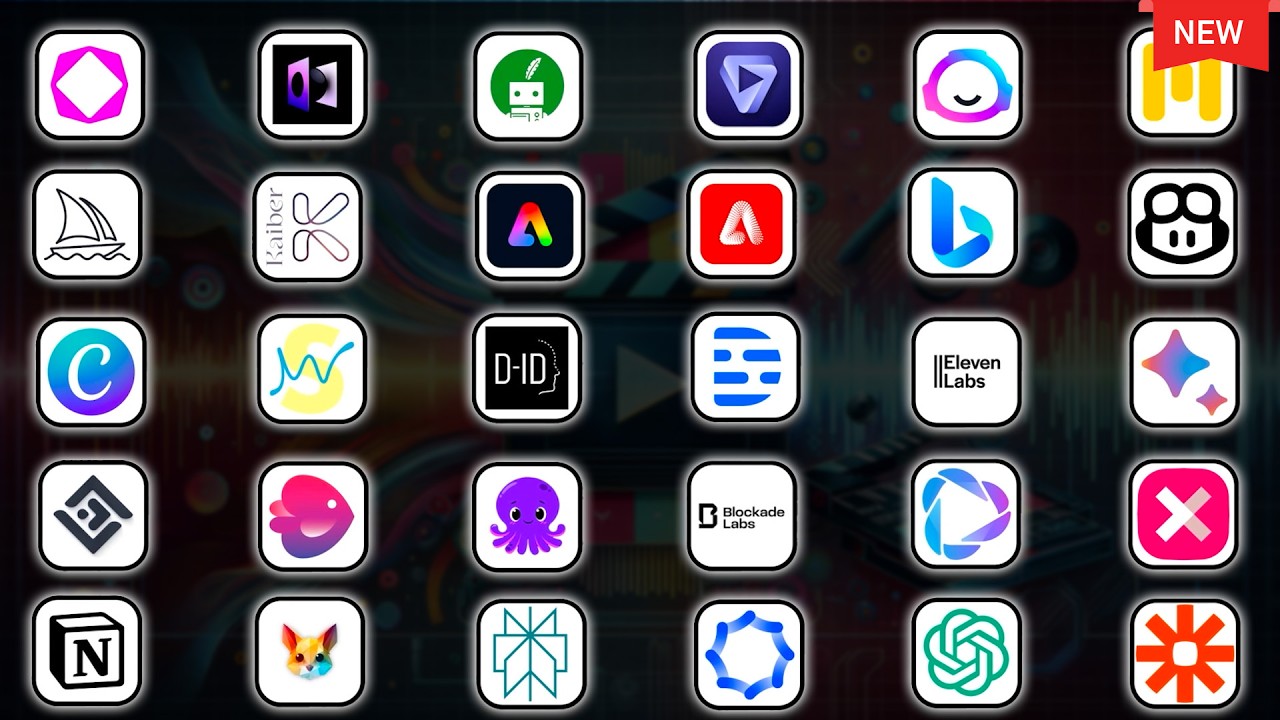
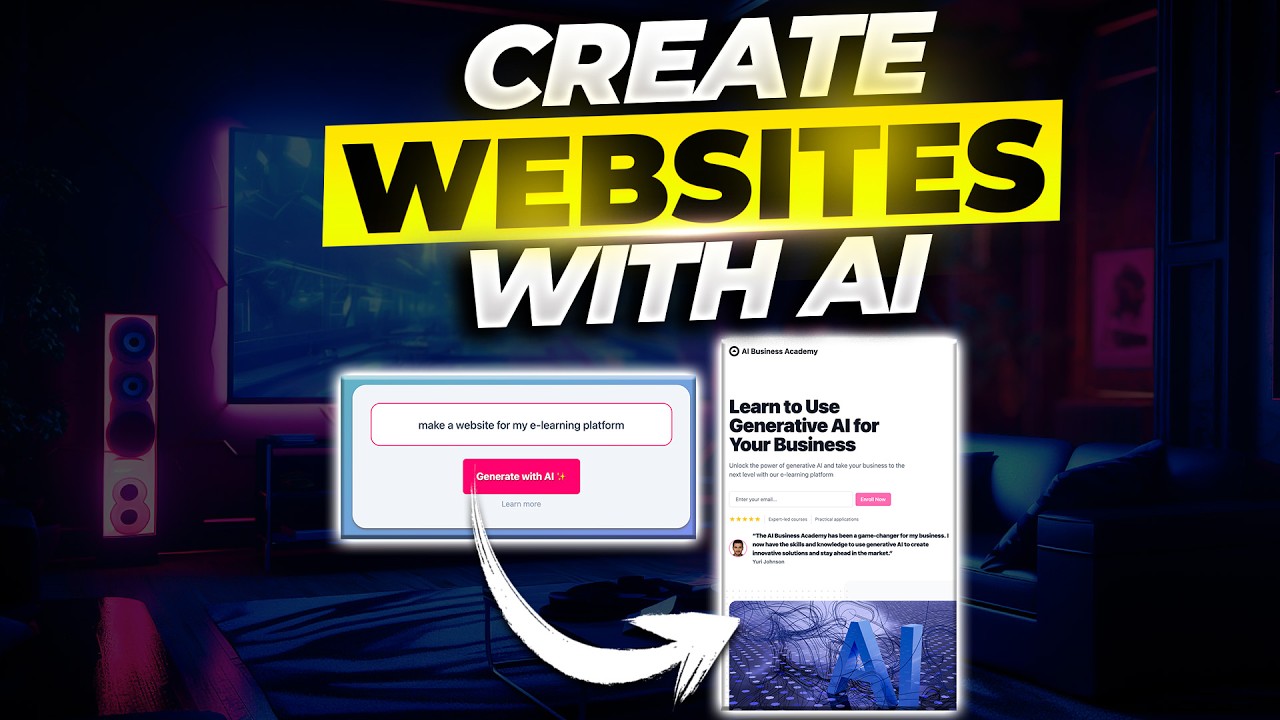
apps built for very specific use cases really the big companies for example open AI their mission is to create what's called AGI that means artificial general intelligence they want to build an AI that could do everything the smaller companies though that are using that technology behind the scenes are more focused on more specific AI tools so I've put together a list of the top 50 AI tools that I think are worth a try and I'll include that as the video that I recommend Watching Next and if you want a deeper dive my team and I
have spent the last year creating a Netflix style e-learning platform all about generative Ai and all the top tools so if you want to learn how to effectively use chat GPT if you want to learn prompt engineering if you want to learn the top 50 AI tools we have entire courses on nearly all of them on our platform called skill leap AI so I'll leave a link below in the description if you want to learn more about that I hope you found this video useful and I'll see you on the next one