Hey there, enjoyed those sounds? Well, then let's talk about sound today. Zoom in!
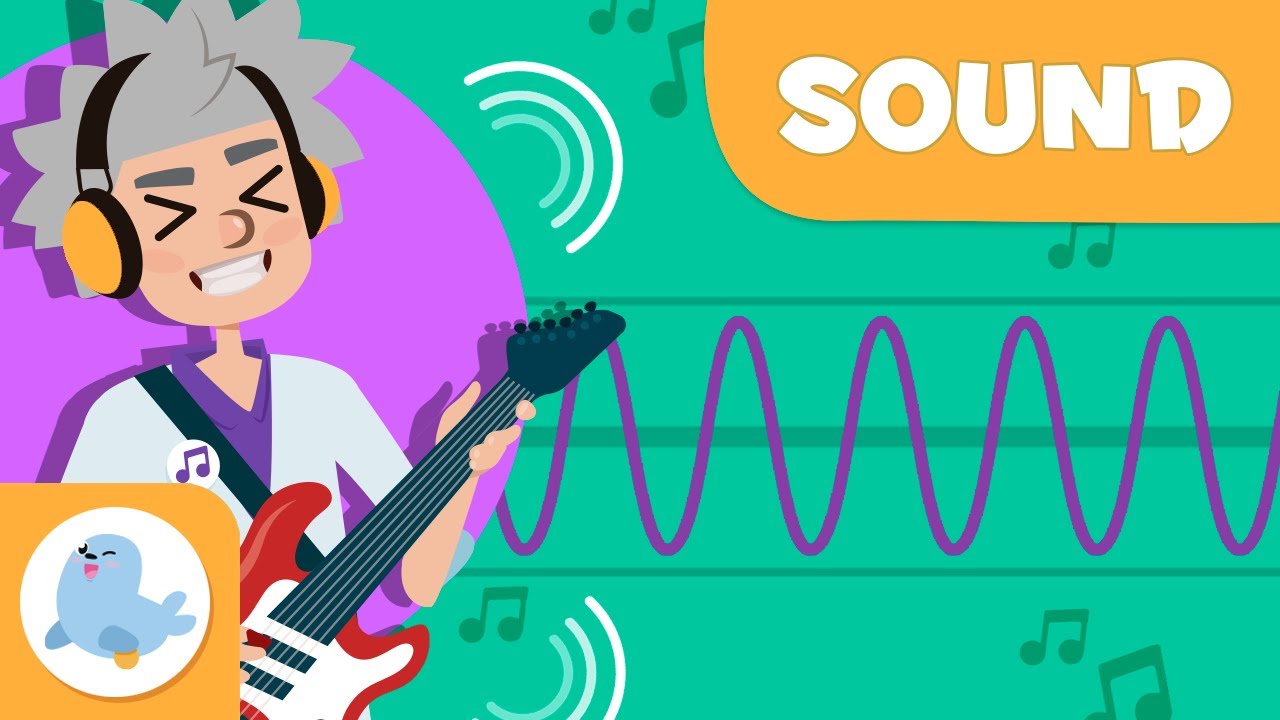
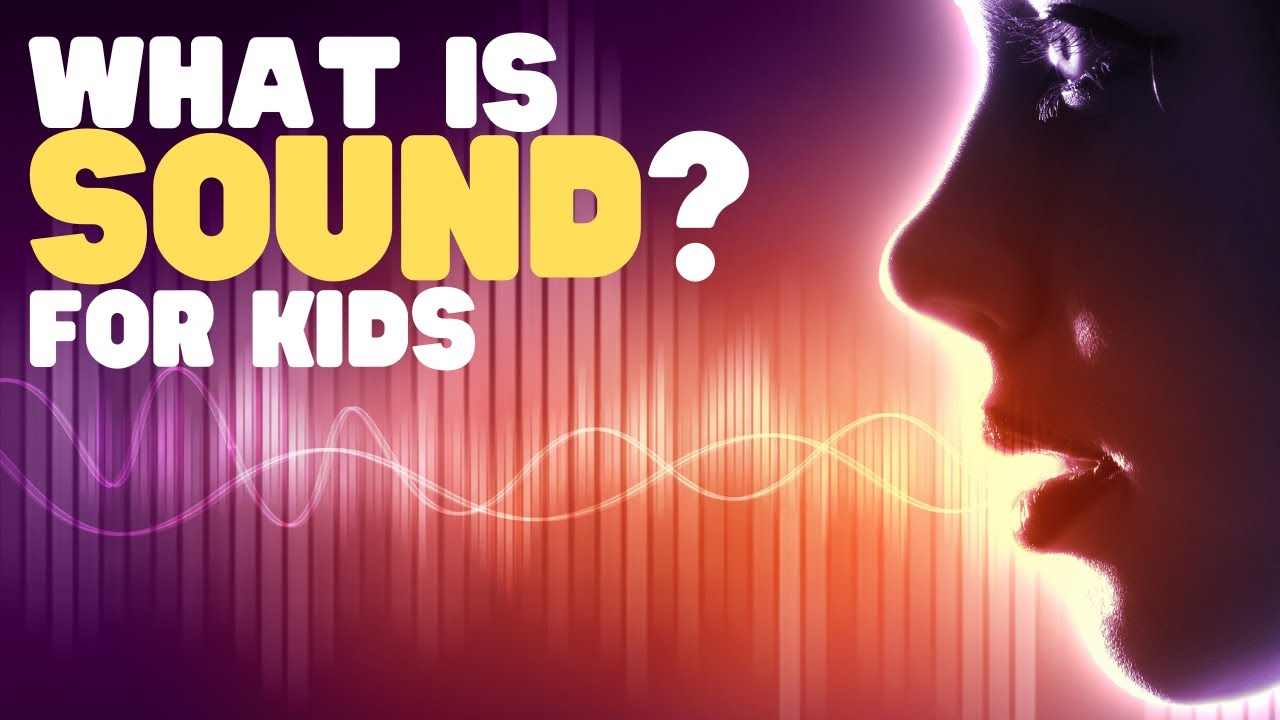
Sound is a wave or vibration. . .
. that travels through three states of matter. Solid, liquid and gas.
And of course it is something that can be heard. But, have you ever wondered how does sound travel? It's simple, it all starts with a mechanical movement.
Like pouring hot chocolate in a mug. Clapping your hands. Or hitting a gong.
So, when you hit a gong there's a movement. . .
. which causes some vibration in the molecules. Which in turn, causes the other molecules around them to vibrate.
And these vibrations from one molecule to the other. . .
. help sound to travel. You couldn't hear me, right?
Well, because I was in vaccum. In spaces where there is just vaccum and no matter. .
. . sound will not travel.
Because, there wont be any molecules to vibrate. Frequency is an important measure of sound. When there are more number of sound waves passing through a fixed place.
. . .
at a given time, it means that the frequency is high. When the number of waves become less. .
. . we hear low frequency sound waves.
The human ear is capable of detecting frequencies. . .
. between 20hz to 20,000hz. Any frequency above or below that is inaudible to the human ear.
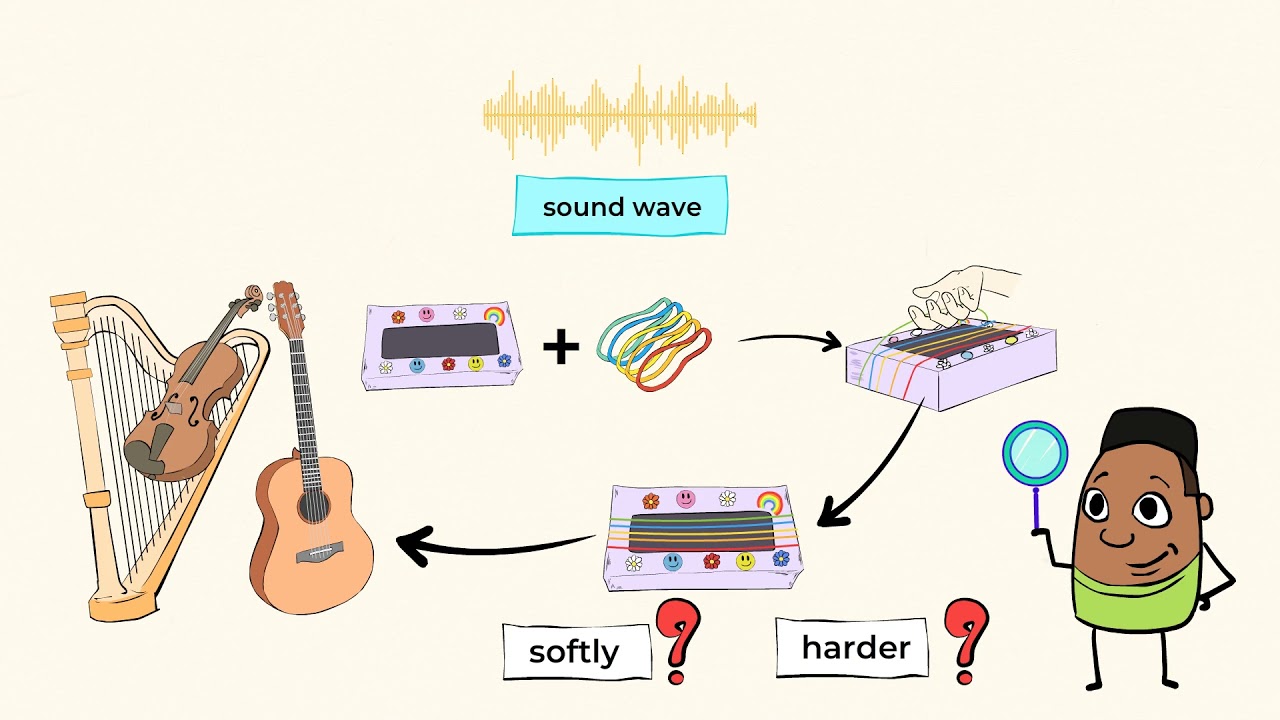
Higher frequency sound waves will give us a higher pitch. Take a guitar and play the heaviest string. Hearing the buzz?
Now, play the thinnest string. Isn't there a difference in sound? Well, that's the difference in pitch.
The loudness of sound is measured in volume. And to quantify volume, we use decibels. Here is an example of volume.
Can you hear me now? Trivia Time! Sound waves can bend around corners and obsticles.
Any sound with the frequency below 20Hz is called infrasound. And any sound with a frequency above 20'000Hz is know as ultrasound. So this is me zooming out.
Tune in next time for more fun facts.