You may not see them, but programmable logic controllers, or PLCs, are everywhere in modern life. They are the invisible force behind the mass production of everything from the cars we drive to the food we eat. PLCs are industrial computers that control machines and processes, keeping factories running smoothly and efficiently.
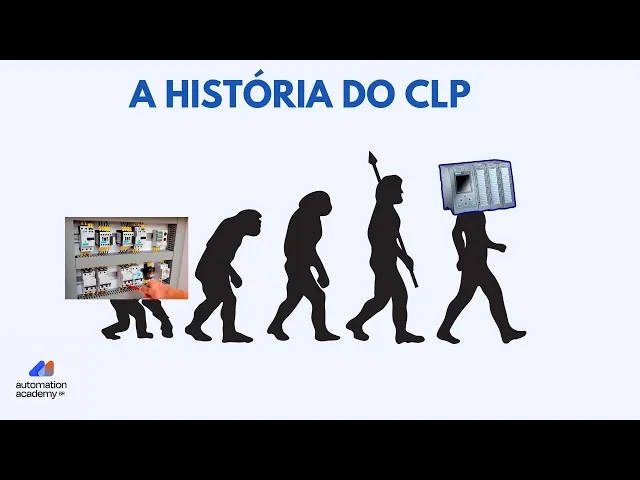
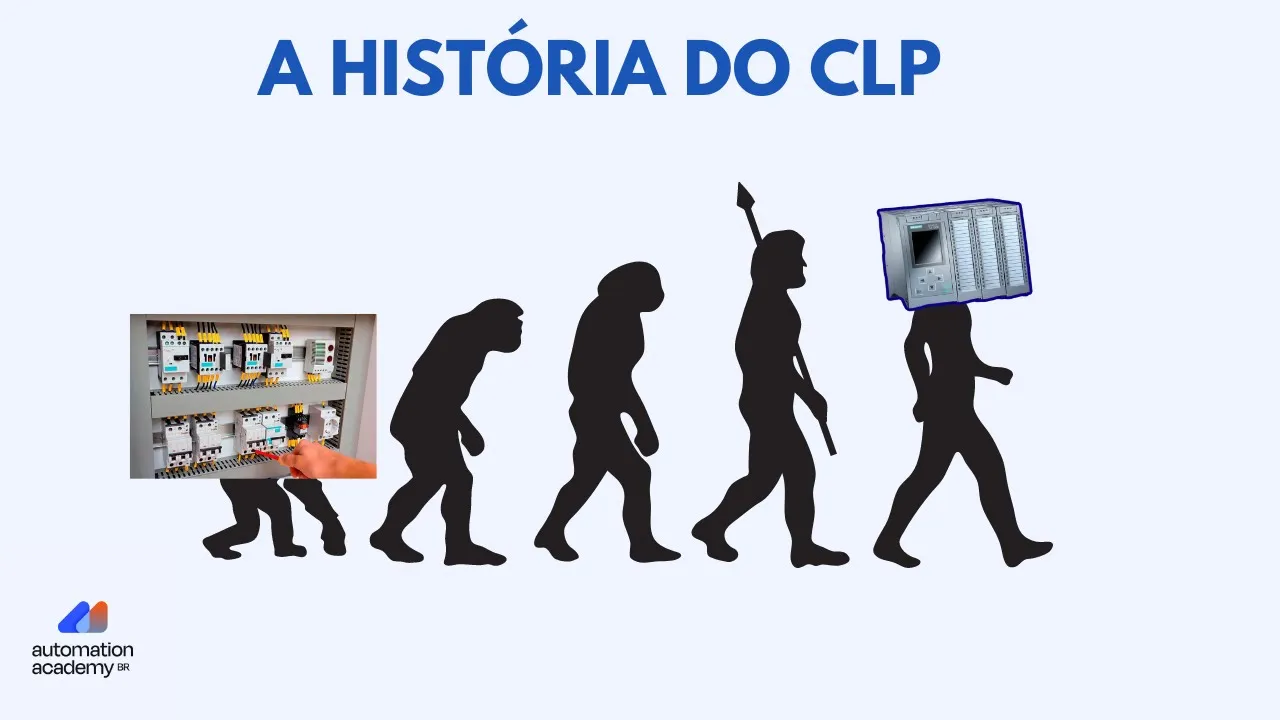
Imagine a factory floor before PLCs, where machines were controlled by complex systems of electrical relays, timers, and switches . These systems were difficult to design, install, and troubleshoot. PLCs provided a flexible and reliable way to control industrial automation.
This adaptability revolutionized manufacturing, making it possible to produce goods faster, cheaper, and with higher quality. Before PLCs, electrical relays governed the factory floor. Relays are electromagnetic switches that use a small current to control a larger one.
They were the building blocks of the first automation systems. Designing and building relay-based control systems was labor-intensive. Engineers mapped out system logic using ladder diagrams.
These systems occupied entire rooms with wires and components. They were difficult to troubleshoot, and a faulty connection could paralyze everything. Manufacturing needed a more flexible and reliable solution.
The invention of the PLC in the late 1960s marked a turning point in the history of industrial automation. Richard Morley, an engineer at Bedford Associates, later known as Modicon, is credited with developing the first PLC in response to a challenge from General Motors. General Motors was seeking a more efficient and cost-effective alternative to its complicated relay-based control systems.
Morley’s creation, the Modicon 084, met those needs with a simple programming language that was easy for engineers to learn and understand. It could be programmed to perform a wide range of tasks and, most importantly, could be easily reprogrammed without any rewiring. The introduction of the Modicon 084 was met with enthusiasm by the manufacturing industry.
The first PLCs were simple devices, but they evolved quickly, becoming more powerful and versatile. New features were constantly added, driven by computing technology and the demands of industrial automation. A significant breakthrough was the development of sophisticated programming languages.
Early PLCs used simple ladder logic based on relay system diagrams. Newer languages, such as structured text and function block diagrams, provided more power and flexibility to create complex algorithms. As PLCs became more powerful, they also became more compact and affordable.
Accessible to a wider range of industries. Today, PLCs are ubiquitous in industrial automation, found in virtually every sector of the manufacturing world. They are the brains behind countless processes, controlling everything from simple packaging machines to complex robotic assembly lines.
The automotive industry was one of the first to adopt PLC technology and remains a major user today. PLCs control almost every aspect of automobile production, from welding and painting to final assembly. The food and beverage industry also relies heavily on PLCs to control processes like mixing, bottling, and packaging.
Beyond manufacturing, PLCs are also used in a wide range of other industries, including energy, transportation, and building automation . The widespread adoption of PLCs is a testament to their flexibility, reliability, and cost-effectiveness. The evolution of the PLC is far from over.
As technology advances, PLCs are becoming more powerful and connected, incorporating breakthroughs in computing, sensors, and communication. The integration of artificial intelligence is a significant trend. AI-powered PLCs optimize processes in real-time.
The Industrial Internet of Things is crucial. Cloud-connected PLCs share data and insights. PLCs will continue to evolve, becoming essential for the factories of the future.