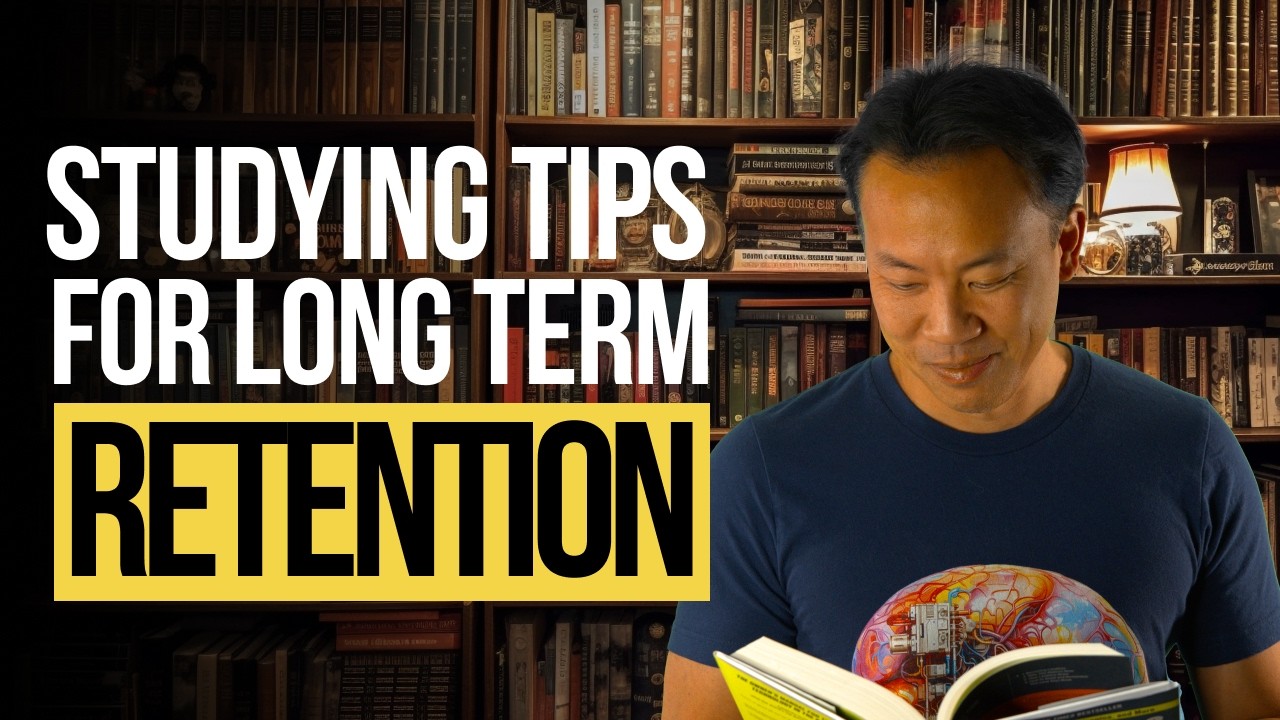
okay let's get Limitless how do you study anything quickly how do you cram correctly and this episode is for students of all ages and all stages this is for parents that want to help students this is for if you're going for your MBA you're in medical school or you're a student of life you have to prepare for a meeting a sales call you need to absorb a lot of information in a very short period of a time so it's abbreviated so how would I approach studying new material in a short period of time so one
of the first keys to learning anything faster any subject is to really have a goal and so when I sit down I want to ask questions I want to have a Target in mind a lot of people don't learn something because they just don't know what they're looking for they don't know when they're going to be successful and remember this questions are the answer questions are the answer so ask yourself a numerous questions you'll notice that in our Limitless book that all the chapters start with primer questions right questions stimulate that part of your brain
called the reticular activating system Ras really direct your focus and your awareness and get you alert and then you're like oh there's an answer there's an answer there's an answer so first Prime yourself with questions now I would also say remember this as a reminder as a quick reminder that all learning is State dependent all learning is State dependent meaning that if you learn something in a board State you know information by itself is forgettable but information combined with emotion becomes Unforgettable right so you have to up the emotion and so how can you add
some fun into your studies how can you add some little bit of more joy how can you add a little bit more interest and excitement you know and part of it is different for different people some people before they start studying they'll play music in the background you know they have a soundtrack to their life you know I don't know if you have a song that puts you in the mood to get you focused it get you motivated right get you excited about something some people do some some jumping jacks or some card Wheels they
they do some rebounding they move their body they put smile on their faces because you have to up your emotion because if you're in a bored sedated State the information will not be encoded very strong and so you're not going to be able to retrieve the information outside of your mind so just remember that now it's not just your internal environment the next tip would be to really really optimize your external environment what do I mean by that your workspace and I would highly recommend if it you could avoid it do not work on your
bed I see so many people of all ages working in their bed here's the thing the environment that you're learning something in gets encoded with the information and and the feelings and the emotion that come with that and really some people actually have sleep issues because they work in bed and they can't differentiate that between that and actually going to sleep or if you associate bed to go to sleep you're not going to be very efficient in your studies so either way it's a lose lose right and so really what's what's an ideal environment it's
never going to be perfect all right there there could be kids around there could be distractions there could be noise but do the best you can some people are are are learning remotely or maybe they're working remotely do the best you can to have a dedicated environment so that when you go in that space then you go into your in you're in the zone right this is where you're going to be studying right every area of your home or your office should really be dedicated if ideally to certain uh behaviors that when you go to
do you know whether it's like you know watching something on your iPad is just put you in entertainment mode right or you're going to the gym you're just going to work out you're not on your phone doing social media right whatever environment it really puts sets an internal environment to put you in a place where you're just really optimized for that spur and Behavior now what I would recommend so always studying the same place ideally um ideally that you have good lighting we've talked about this in previous podcast episodes meaning you know the fluorescent light
probably not the best because it it's been shown to really make people tired there's some IE strain there indirect sunlight is is optimal um temperature find something that's not putting you to sleep that keeps you alert sometimes for most people it's a little bit on the on the cool side also as as well good air flow because oxygen is so so very important in the process so you're getting a good environment plus your environment do you the best you can to free yourself from what the enemy of your focus which is distractions right tell your
family that this is your study time you know lock lock the door put a sign you know close by you know in your office cubicle saying you know do not disturb and you know until this time um turn off clothes turn off your phone right I put it on airplane mode or even better yet put it in your in your glove compartment of the the car put it in another room because even if it's there like even at the dinner table you feel like you have to kind of check it right you know out of
out of habit uh turn off all the alerts maybe uh close different browsers right just focus on that one thing so that's your external environment now when you're actually sitting there to study you know I have my notepad here I do my capture create but what I'm looking to do is set a timer right and it could be on your phone if if you're using if you still have your phone there or it could be an analog timer right something you can get online very inexpensive and I'm looking this study I like like 30 45
minutes I set a countdown timer for 30 45 minutes and they call this the Pomodoro Technique right it's it's after that amount of time after about like the the amount of time of a sitcom your focus concentration starts to dip you start to lose some energy right you need to get refreshed my final tip for you is really active retrieval this is your retrieval practice we know that studying the human brain and then adult learning that brains don't always learn best just consuming information right it actually learns better through through creativity through creation or co-creation
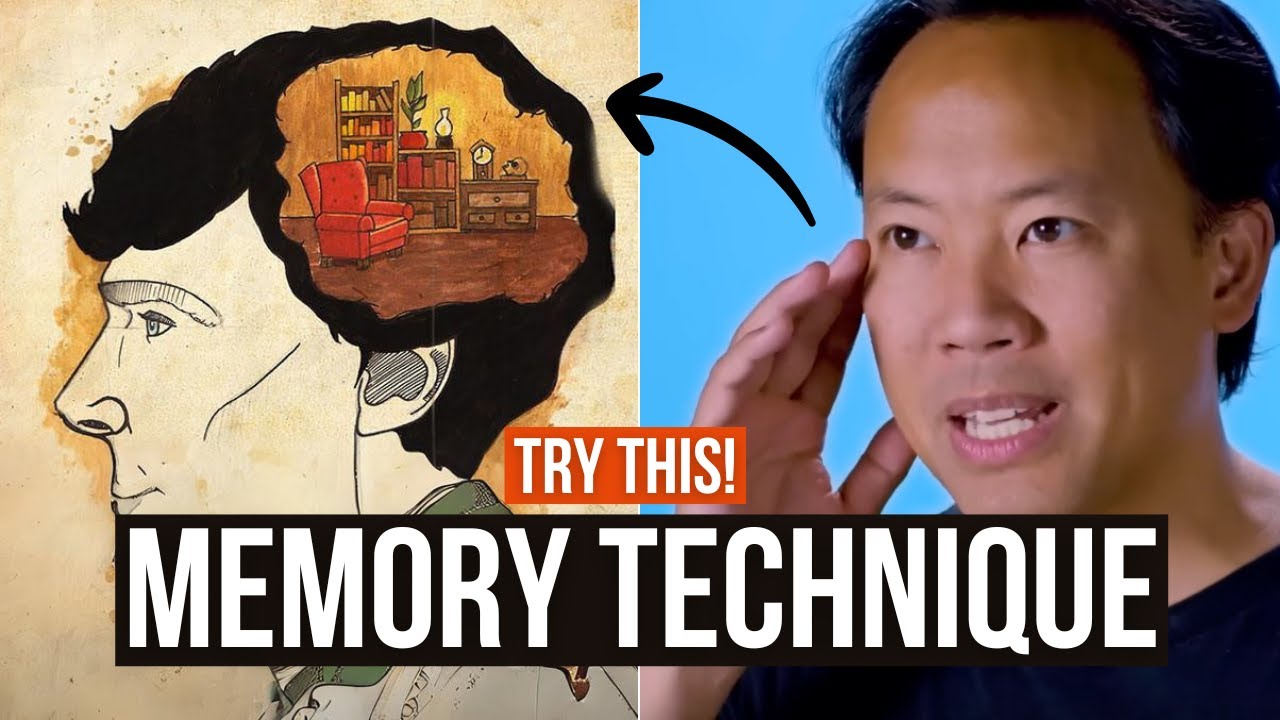
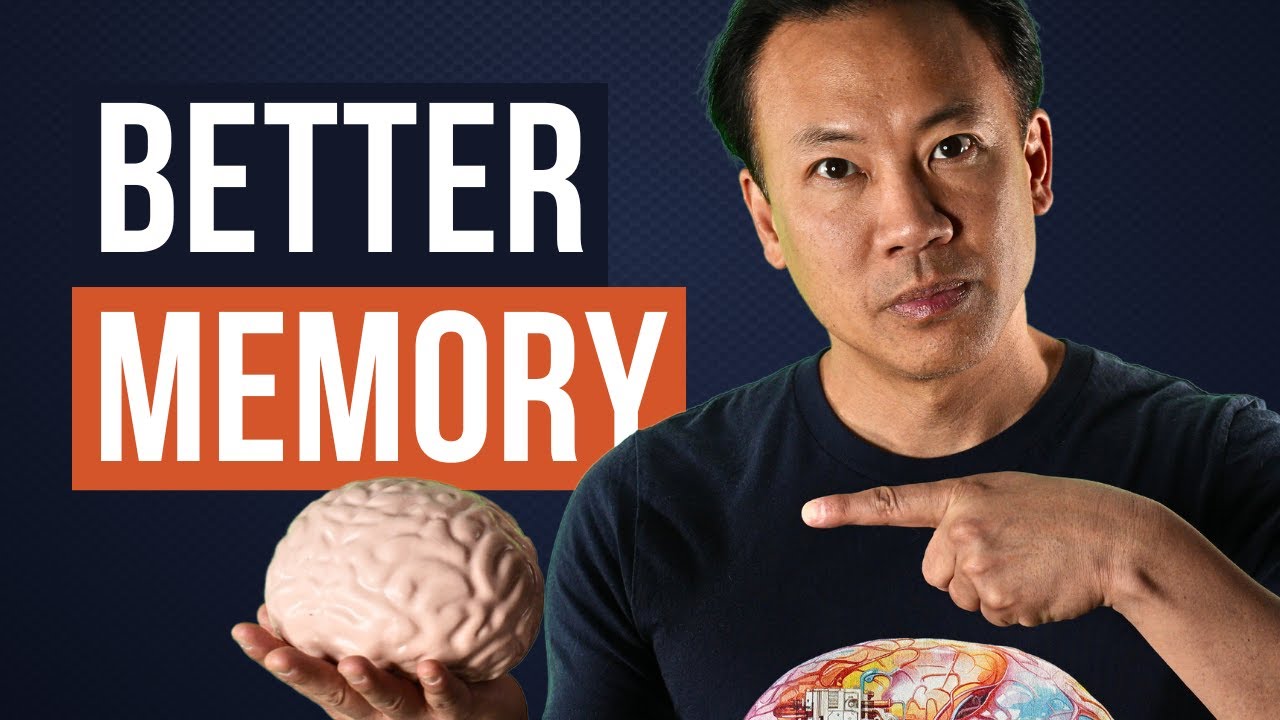
where it's not pushing information inside your mind it's actually pulling information out right we've talked about memory a lot in our podcast and many of you are part of our programs you know there's three stages you encode information you store it and you retrieve it you encode it you see it you feel it right you store it we use the location method or the peg method or chain linking right the P method all these methods we teach for storage and then you retrieve it well did you know when you start actively retrieving information pulling information
out it actually helps you to learn it better so simple things you could do at the end of a study session and the beginning of a study session is quiz yourself you know quiz yourself at the end of what you learned or when you're after you're coming back from your brain break start your beginning the next Primacy recency your next study session by asking yourself questions about what you just learned right this is a way of forming active retrieval or retrieval practice to help you to really ingrain and test yourself to see if the information
is really there right sometimes when we write things down and it's okay to take notes obviously we feel like it's there but we don't have to really know it right and as a just as a final bonus besides active retrieval quizzing yourself remember if you want to learn something faster learn with the intention of teaching somebody else they call it the explanation effect you get to take advantage of the explanation effect when you're studying whatever you're studying for school or for work or you're helping your child to be able to do that remember to remind
them and yourself that if you learn it with the intention of explaining to somebody else you're going to learn it so much better because when you teach something you get to learn it twice all right now I gave you a lot of quick tips in this episode on how to learn more rapidly how to study something and you're going to get so much more out of it better comprehension better organization better actual retention of the information and these little tips little by little they become a lot