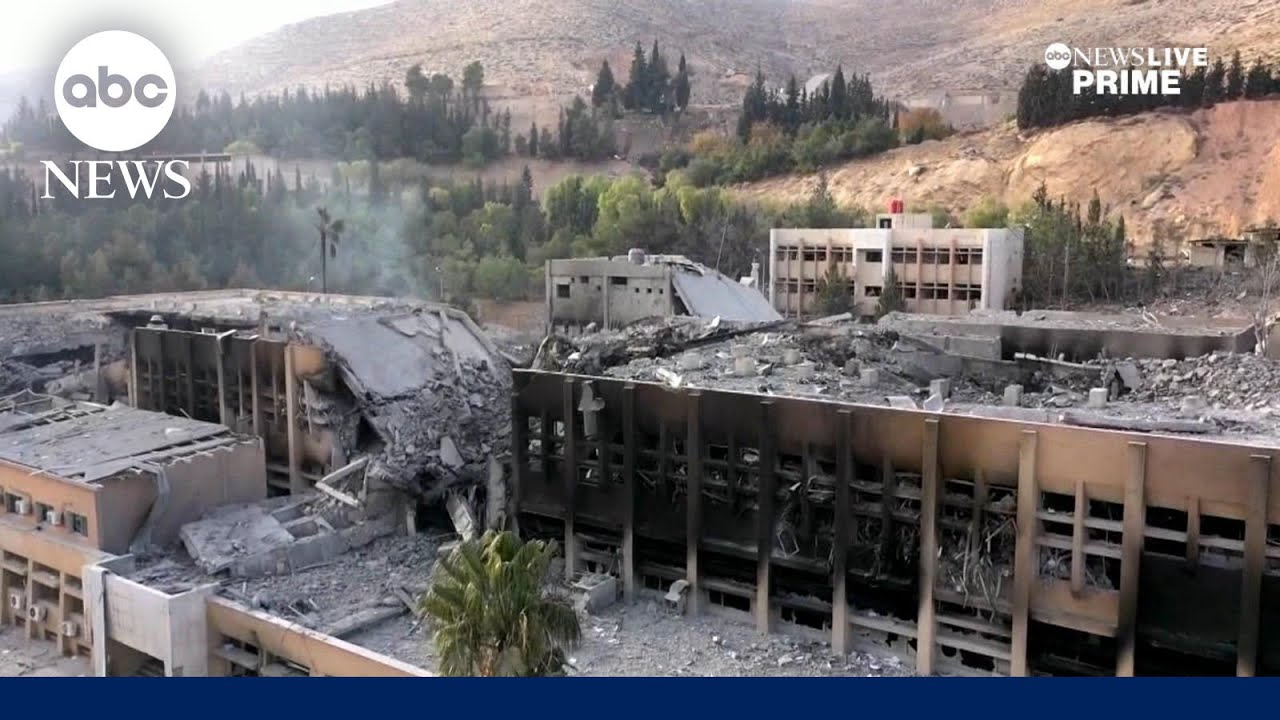
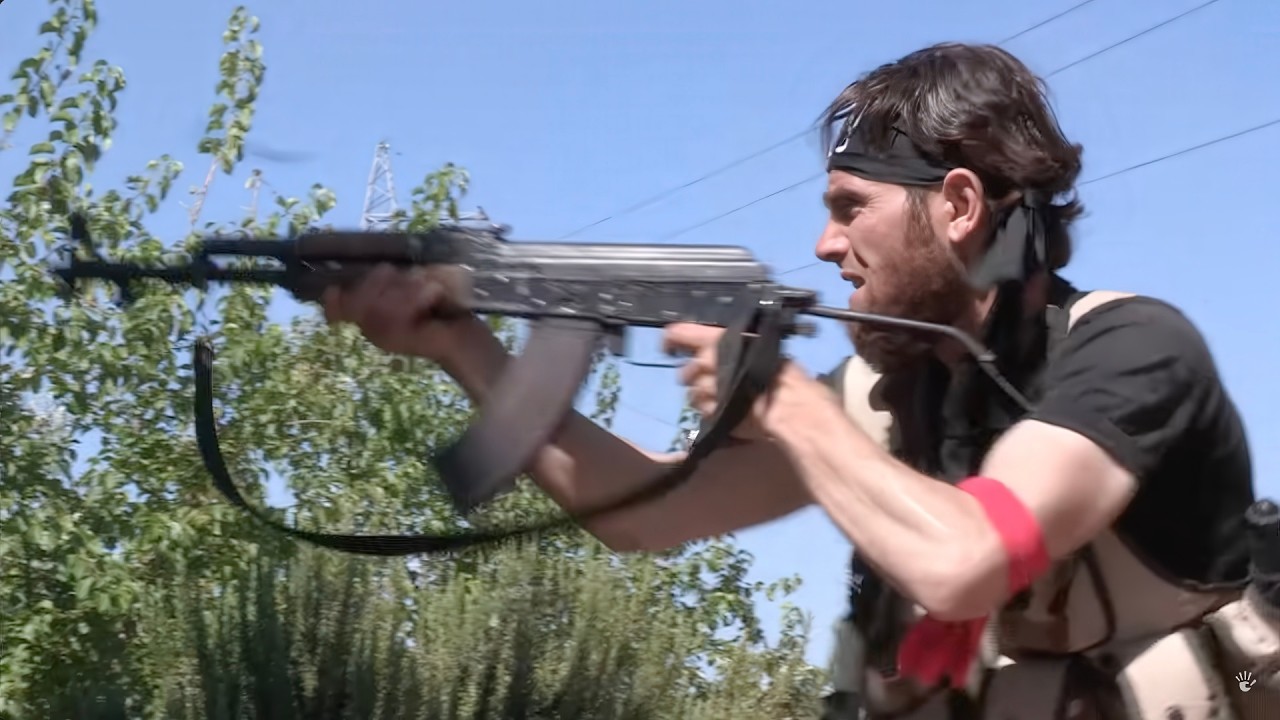
after 13 years of civil war which began in July 2011 Syria's opposition militias sensed an opportunity to weaken president Bashar al-asad's grip on power about 6 months into this plan Rebel group Edge TS gained weapons like the tb2 drones kirpy armored fighting vehicle and military equipment from Turkey made the Bold move to a strike on alipo and Damascus but this is the Middle East and there are more than 10 Rebels groups fighting each other like the Islamic State also known as Dash it Still Remains active and continues to seek opportunities to regain territory this bring
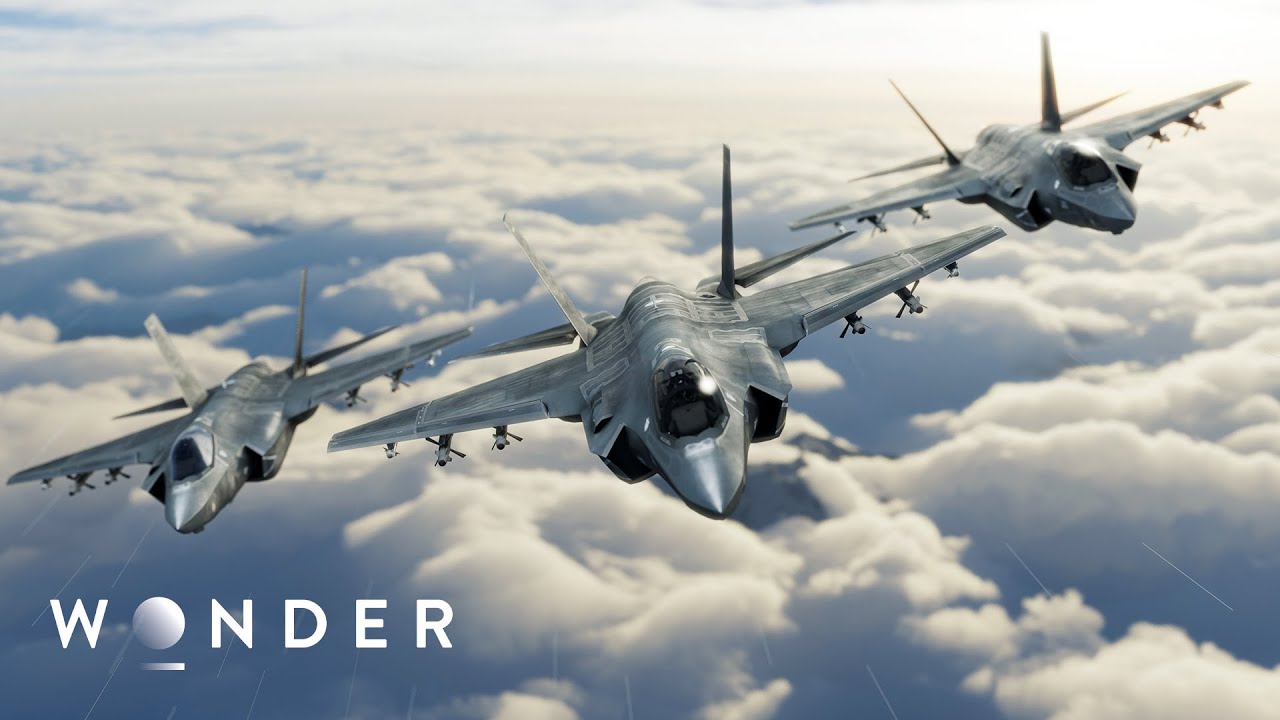
in the United States military which supports the Syrian Kurds has been conducting air strikes against Islamic State controlled areas using aircraft such as the Boeing B52 strata Fortress the McDonald Douglas F-15 Eagle and the A10 Thunderbolt hitting almost 75 strikes in one day we will also explore in detail how Basher alassad escapes ser examining the timeline of events and the circumstances that caused his plane to lose altitude while flying over the Mediterranean Sea all this in more in the video ahead why did Bashar alad lost to the rebels there are multiple key scenarios that explain
why Bashar alad has found himself in this precarious situation these scenarios involve his powerful allies Russia Israel Iran and Hezbollah and the complex dynamics that extend beyond Syria's borders the role of international power from the beginning of the Syrian conflict no group has operated in isolation external and international Powers have been deeply involved providing military financial and logistical support the air strikes in idlib for instance have primarily been carried out by Russian aircraft including Advanced models like the Meg 29 and Suk jet Russia under Vladimir Putin has been a longtime Ally of Assad offering critical
air support and diplomatic backing similarly Iran and its proxy group Lebanon Hezbollah have played significant roles in bolstering Assad's forces Hezbollah has supplied Fighters and Military resources for years often turning the tide in key battles however Bashar alassad is now facing challenges even with his allies in scenario one Hezbollah the most powerful non-state Army having just agreed to a fragile ceasefire with Israel after over a year of intense fighting is grappling with a severely weakened military capacity his ceasefire coincided with the HS Tara Alam attack on Aleppo leaving Hezbollah unable or unwilling to divert forces
to assist Bashar alassad reports suggest that Hezbollah currently has no plans to redeploy fighters to Syria signaling a significant reduction in its involvement let's take a look at scenario 2 with Iran's divided attention Iran another critical Ally has also been stretched thin while Iranian militias have crossed the border from Iraq to a aad Iran itself is embroiled in its ongoing conflict with Israel this distraction limits the extent of support Iran can provide leaving us sad with fewer reliable options and finally Russia's reduced engagement perhaps the most notable shift Has Come From Russia during the peak
of the Syrian War Russian airow was instrumental in securing Basha Al Assad's victories against Rebel forces this support not only cemented Assad's position but also granted moscow's strategic influence in the Middle East including airbases and its only Naval port in the Mediterranean however circumstances have changed Russia has been deeply entangled in its own war in Ukraine for nearly 3 years diverting much of its military Focus including ground forces and air power this diversion was evident in the delayed Russian response to the recent attack in Aleppo additionally reports indicate that Moscow has withdrawn some ships from
Syrian Naval bases signaling a decline in its overall commitment to Syria the failure of the scenario led to this diminished support has left Assad vulnerable creating opportunity for groups like HS to gain ground HS has made rapid and dramatic advances even surprising themselves with their success their offensive strategies once aimed at survival have evolved into a calculated push to seize key territories like Aleppo and hamama this led to the rebels renewed momentum hts's success has placed the Syrian regime on the defensive marking a pivotal moment in the conflict the capture of Hama is particularly significant
is the first first time the city has fallen out of government control since the War Began in 2011 this development poses an existential threat to Assad's regime underscoring its fragility in the face of diminishing external support turkey's calculations adding another layer of complexity is turkey under President Reep erogan turkey's involvement in Syria has evolved with erogan strategically leveraging the fighting to advance his country's interests finally the Syrian Kurds who control a significant port of Syrian territory along with support from the United States military and made it nearly impossible for Syrian government forces to breach their
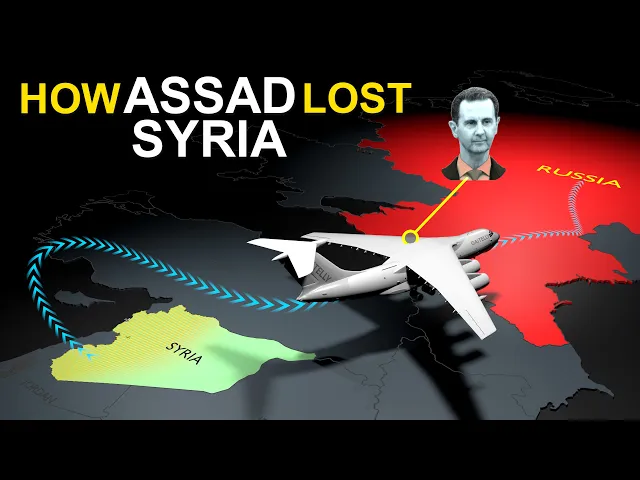
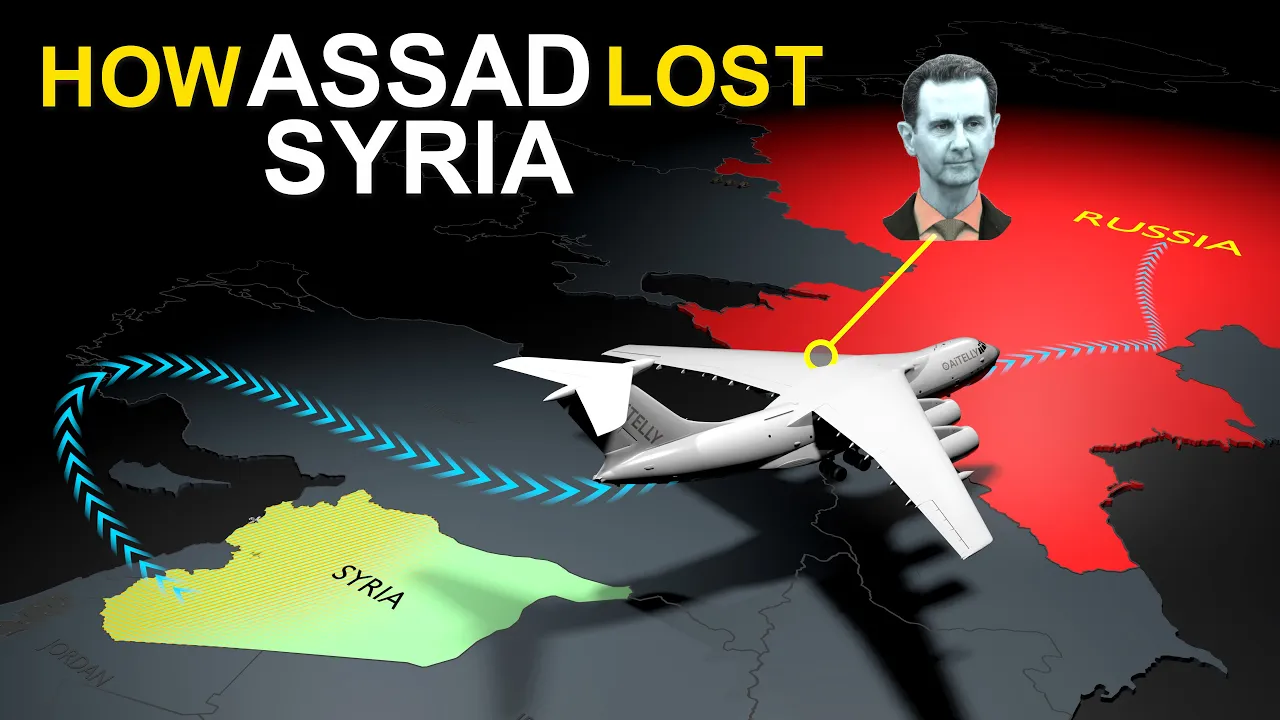
defensive lines with limited support from his traditional allies and mounting pressure from opposition forces Bashar Al Assad's regime is navigating Uncharted Territory the next phase of the conflict will likely be determined as much by Dynamics within Syria as by developments in the broader region let's analyze our data to determine whether Bashar Al Assad's plane crash for not on Sunday the 8th of November 2024 Bashar alassad departed on a Syrian AEL oan 76 T cargo plane a russian-made aircraft which took off from Damascus Airport at 359 local time 159 GMT with an undisclosed destination two named
senior Syrian Army officers stated that Bashar Al Assad had boarded the plane early on Sunday at Damascus Airport initially the aircraft fle flew towards the Mediterranean Coast a region considered a stronghold of Bashar Al Assad's alawite sect this area is also home to two significant Russian military bases the mm air base and the naval base in Tardis however after flying over HS the plane abruptly changed course making a U turn and heading eastwards while simultaneously losing altitude the plane signal was lost at around 439 which is 239 green Wich mean time when it was approximately
13 km which is 8 m west of HS and flying at an altitude of only 1,625 ft which translates to around 495 M why did the plane lose altitude the aircraft was reportedly old equipped with an outdated transponder which may have resulted in incomplete or inaccurate data furthermore it was flying in a region known for GPS jamming which could have affected signal accuracy additionally the flight tracker was unaware of any nearby airports at the location where the signal was lost despite this Bashar Al Assad's plane safely landed in Russia putting an end to rumors and
conspiracy theories about a possible crash to simplify this complicated Civil War let's draw a line and divide each side on one side Iran Russia and Hezbollah support the Bashar alassad regime on the other side the US government supports the Kurds just below we have another group turkey Saudi Arabia and Kar which support the rebel group then there's Isis and everyone seems to be fighting against them however turkey is also fighting against the Kurds which creates a very confusing scenario to provide a clearer picture of Syria's complex and fragmented conflict it is crucial to understand the
territorial control among the key players on the ground four primary factions dominate different areas of the country each backed by varying external powers and ideologies the Syrian government forces marked in red on many conflict maps represent the Bashar al-assad regime's primary military apparatus these forces are supported by the National Defense Forces a pro-government paramilitary group The Assad regime also benefits from the significant backing of Russia Iran and Hezbollah whose combined efforts have fortified and sustained its control over large swats of territory particularly in Central and Western Syria the Syrian Democratic forces SDF represented in yellow
consist largely of Kurdish figh ERS this group backed by the United States controls much of Eastern Syria including area's rich and oil reserves the SDF has played a critical role in the fight against Isis and continues to manage regions under its control with the support of its International allies hgs and other Allied Rebel factions shown in green operate primarily in the Northwest HTS and evolution of the aler front previously aligned with Al-Qaeda until severing ties in 16 remains a dominant force in this region despite internal divisions hes maintains significant influence over the territories it controls
in the north Turkish backed Rebel forces including the Syrian National Army hold ground along the Turkish border Turkey has supported these groups as part of its broader strategy to counter Kurdish influence and establish a buffer zone these areas often marked in different shades of green reflect turkey's active involvement in the Syrian conflict meanwhile these patches the Islamic State or dahesh dominated territory still persist in some isolated desert regions a stark reminder that the group's threat has not been entirely eradicated finally in the South additional rubel groups maintain a presence and the Goen Heights adds a
further layer of complexity Israel claims sovereignty over this territory citing its capture during the 1967 6-day war while Arab Nations and the broader International Community often regarded as occupied territory understand in these Dynamics is key to grasping the intricacies of syus Civil War as an engineering Channel we also made the secrets behind this stealth bomber so check this out and do subscribe to not miss a Beat