[Music] welcome to the last video in this series as we saw in the previous video as teachers we have a responsibility to create an environment in which differences are affirmed and supported and where everyone can thrive in this video we're going to take a look at ways in which you can achieve this by practicing inclusive teaching and learning strategies in your classroom inclusive teaching is based on the belief that quality learning experiences can facilitate change this growth mindset approach is supported by research in neuroscience which shows that learning can change the physical structure of the
brain we need to be able to notice understand and respond to these changes in our learners to enable them to expand their potential we need to see difficulties in learning not as deficits in learners but as professional challenges for teachers the affirmation of diversity is not extra work no it is the work of the teacher your job is to ensure that all learners are actively engaged and being supported in their learning it is not for learners to fit themselves into a narrowly prescriptive one-size-fits-all way of learning a number of inclusive pedagogical strategies work together to
make one integrated inclusive system for teaching and learning we're going to look at some strategies that will enable you to create a learning environment where all learners can achieve their best potential the term learning environment is used broadly and includes the physical space the resources and teaching methods used the cultural context and the educational approach it is important to create a safe welcoming classroom where every child is able to learn and develop in their own way and feel equally valued for their contribution the way you make your learners feel in your class directly affects the
way that they learn thinking about the classroom as a community is a major part of creating an inclusive learning environment learners can only achieve their full potential in an organized positive learning environment where they feel happy and relaxed setting up your classroom with this sense of community now will make a positive contribution to society in the future as well as affirming diversity it places importance on the ubuntu belief that we are all interdependent i am because you are your attitude towards the different learners in your class will rub off on them if you actively model
and promote the belief that each child is valuable and affirm each child's individual strengths without any judgment or bias you will teach this accepting attitude to your whole class the physical environment of your classroom contributes greatly to your learner's ability to learn ensure that your learners can move interact and engage in all learning opportunities arrange your room so that you can have eye contact with all of your learners make sure that each learner is able to see the board ensure that learners can easily reach materials they need and all areas of the classroom ensure your
room is clean and organized also bear in mind that learners with specific learning needs may require particular placement in the classroom for example in a large class a hearing impaired child or one who struggles to concentrate may find it difficult to focus if seated at the back of the room traditional discipline practices which are still common in south african schools begin from a view of behavioral problems as a problem with particular learners the medical model rather than considering larger contextual issues such as the curriculum and teaching methods the social model the use of threats punishments
and rewards may result in learners temporary obedience but it is not effective for creating a warm caring and respectful learning community positive discipline is an alternative approach that promotes learners self-control teaches them responsibility helps them make thoughtful choices and improves their self-esteem affirming diversity means promoting diversity as a normal and positive part of everyday life in your classroom doing this increases the level of understanding we have of each other both in terms of the richness of our differences and the things that we share as human beings ways of affirming diversity include encouraging learners to tell
each other about their lives and celebrating diversity and incorporating indigenous knowledge systems into your lessons by having a voice in decision making about classroom and school values behaviors and physical environments and routines learners contribute to achieving a productive purposeful and harmonious working and learning atmosphere cooperative learning encourages pro-social skills such as empathy respect and support for other learners and social needs this section introduces you to teaching and learning strategies you can use to make your teaching more inclusive once you have explored these strategies in detail you should then be able to plan lessons that take
diverse learner needs into account and offer rich opportunities for all learners to achieve success in learning learning outcomes or objectives reflect your hopes for how a lesson will go they help you to clarify for yourself and communicate to learners in construction a scaffold is a temporary structure that is erected around an unfinished building supporting the structure until it is sufficiently stable to stand on its own scaffolding in teaching is similar to this instructional scaffolds are the temporary support structures that teachers put in place to help learners in mastering new tasks and concepts that they can't
master on their own the teacher builds supports based on what learners already know as new skills and concepts are introduced as they work on tasks learners become less dependent on these support structures the responsibility for learning shifts from the teacher to the learner the south african national curriculum statement caps is quite clear that while all schools are required to offer the same curriculum to learners in order to support all learners fully through the learning process they must ensure variations in modes of delivery and assessment processes these variations require teachers to develop strategies for differentiating teaching
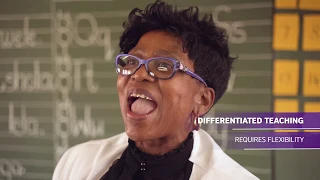
and learning these strategies are commonly referred to as differentiation teachers need to consider the different ways learners are able to process and apply information the way they make meaning from it and plan teaching and learning with these in mind this means that you need to be very flexible in adapting to the learner's needs in a traditional teacher centered approach to learning the teacher controls what learners learn and when where how and at what pace they learn this approach is outdated and has been shown to be ineffective in diverse 21st century classrooms a learner-centered approach is
favored where learners are given opportunities to lead learning activities participate more actively in discussions design their own learning projects and explore topics that interest them the teacher is the facilitator of learning in the classroom peer learning cooperative learning and group work can be used to achieve a more effective learner-centered classroom as a teacher you need to find out what your learners already know and think because new learning will only stick if it's added to existing learning before you start a new topic with a class try asking them what they already know their answers will give
you an idea of the level of learners existing knowledge whether they have any misconceptions that need addressing and what they are interested in you can use this information to design learning experiences that help them understand concepts through concrete examples that they are familiar with recent advances in technology mean that we are increasingly exposed to multi-modal forms of communication which have also led to shifts in communication itself for example through emojis and gifs as teachers of learners who are growing up with this ever-growing exposure to increasingly more sophisticated multi-modal forms of communication your use of multi-modal
approaches in the classroom is important especially as a way of maintaining learners interest and attention among other benefits a multi-sensory approach means giving learners the opportunity to use more than one of their senses in the learning process traditionally teachers focused on two of the senses sight and hearing learners read text site and listened to the teacher hearing multi-sensory teaching encourages opportunities to add movement and feeling in order to form connections and learn concepts and to use more than one sense at a time [Music] assessment for learning afl is primarily concerned with supporting learning and therefore
focuses more on the progress than the end assessment whether this is at the end of the week term or year afl is a collaborative process between the teacher and the learner and involves the learner in identifying what they already know and enables them to take an active part in their own assessment in this final video we have explored some of the strategies that can help teachers meet the needs of every learner by affirming diversity creating positive classroom community collaborating with learners to provide an education that is learner-centered offering guidance through encouragement and positive discipline and
implementing effective teaching methods with empathy support and respect inclusive education is a system that aims to realize every child's right to quality education we hope that these videos were helpful in clarifying some key concepts in inclusive education [Music] you