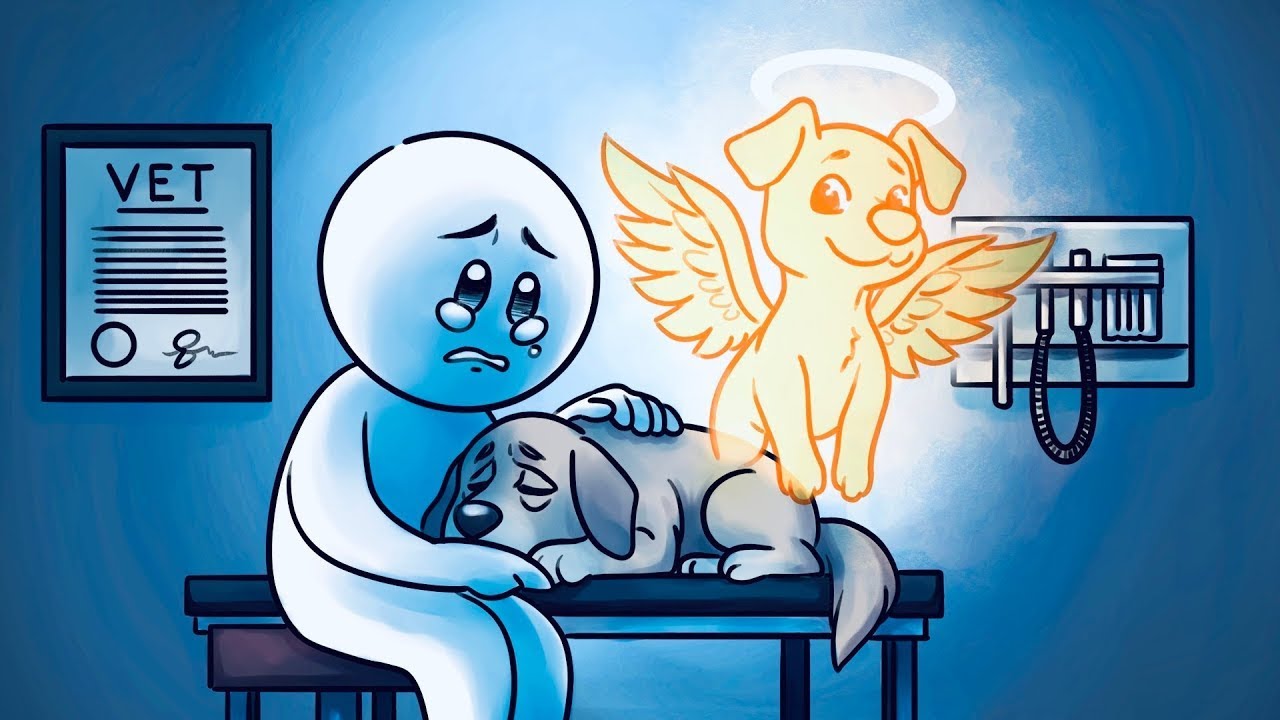
Have you ever lost a beloved pet and wondered what happens next? What if you could find comfort in knowing they may have a place in heaven? Let's talk about this heart-touching question many of us face.
In this discussion, we'll explore these important questions by looking at Scripture. The Bible offers insights into God's creation, His love for living things, and the possibility of reuniting with pets. Whether you're a pet owner or simply curious, this exploration brings comfort and understanding.
Let's discover what the Bible says about animals and the afterlife. Before we go deeper, I want to hear from you. What do you believe happens to pets after they pass away?
Drp your thoughts in the comments, and don't forget to stick around as we explore this together. There's so much more to uncover. Heaven and animals in the Bible.
When we consider the idea of animals in heaven, it's important to acknowledge that animals have played a significant role throughout Scripture. From the animals saved in Noah's Ark to the dove that brought an olive branch, animals are closely intertwined with biblical history, symbolizing peace, God's provision, and the beauty of His creation. From the beginning of time, animals were part of God's perfect design.
Their presence in key biblical events, from the plagues of Egypt to the prophet's wilderness journeys, demonstrates how they are woven into the narrative of salvation history. This deep connection suggests that animals are part of God's ongoing purpose and future plan for the world. While Scripture reveals glimpses of heaven, our imagination of it is limited.
The Bible reminds us in 1 Corinthians 13:12 that now we see but a poor reflection, as in a mirror; then we shall see face to face. This points to heaven as a reality far more magnificent than we can comprehend, yet filled with the peace and perfection that creation longs for. When you think of heaven, what comes to mind?
Perhaps you picture golden streets, meeting Jesus face to face, or the joy of reuniting with loved ones. Revelation 21:4 offers a comforting promise: there will be no more death, mourning, crying, or pain. Heaven is beyond anything we can fully comprehend, greater than we can imagine with our earthly understanding.
This promise of no more mourning or pain speaks not only to human experience but extends to the entirety of creation. Isaiah 65:17 speaks of a new heaven and a new earth where the former things will be forgotten. This vision suggests a future where all of creation, including animals, participates in this restoration.
The idea that heaven will be more magnificent than anything we can envision encourages us to reflect on how this applies to all of creation. If God's design for the earth included animals in such integral ways, it's possible that heaven could reflect a restored version of this, where all living beings are in harmony, free from the corruption of sin. The act of creation itself is a reflection of God's character.
As the psalmist declares in Psalm 19:1, "The heavens declare the glory of God; the skies proclaim the work of His hands. " Every aspect of creation, including animals, mirrors God's creative genius, making it plausible that animals may share in the future restored creation. God's creation reflects His glory and purpose.
In Genesis, we learn that God created sea creatures and birds on the fifth day, and on the sixth day He made land animals and humans. Each of these creations was declared good by God. Interestingly, humans and animals were created on the same day, which may suggest a special connection between them in God's design.
The shared creation day might also indicate the shared responsibility humans have toward animals. In Genesis 2:15, God commands humanity to work and take care of creation, pointing to our role as stewards. This care suggests a deep connection that could extend beyond this earthly life.
The interdependence of all living things in God's creation highlights the delicate balance He set in place. Each creature, no matter how small or large, fulfills a role in the ecosystem He created. This intricate design suggests that God values the interconnectedness of life, pointing to a possible restoration of these relationships in eternity.
Animals have long been seen as integral parts of human life. In the Old Testament, animals were offered in sacrifices as part of worship, signifying their spiritual significance. Their presence in these sacred practices underscores that they hold a place within God's broader divine plan, reinforcing the possibility of their presence in eternity.
Though animals are not equal to humans in God's eyes, they still hold an important role in creation. They are a gift to us, and we are responsible for their care. As Reverend Billy Graham suggested, if having pets in heaven would bring us joy, we can trust that God will provide that joy in His perfect wisdom.
This is a comforting thought. Isaiah's vision of animals living together in harmony paints a picture of total restoration in this future world. The curse of sin is lifted not only from humanity but also from creation.
This complete redemption points to a future where all relationships are restored, making the inclusion of animals in heaven a comforting possibility for many. While the Bible does not explicitly mention pets in the afterlife, it suggests that animals may be part of the new heaven and earth, where God's reconciliation through Christ will restore all things, as seen in Isaiah 11:6 and Colossians 1:20. This suggests that animals could be part of our eternal existence in heaven.
This reconciliation of all things suggests a vision where the restoration of creation includes animals as well. As we look deeper into what the Bible says about heaven, it becomes clear that it will be far more wonderful than anything we can imagine. The joy and love animals bring into our lives might very well be.
Part of this heavenly experience, however, whether our specific pets will be with us, is something we won't fully know until we get there. Beyond the descriptions of Heaven as a place of beauty and peace, Scripture also hints at the restoration of all creation. Romans 8:21 highlights the hope of a restored creation, where all living beings, including animals, are freed from the bondage of decay and share in the renewal of all things.
Heaven's perfection will fill every need and longing. As Revelation 22:5 says, there will be no more night; this suggests that our desires will be fulfilled in God's presence. If our love for animals is part of what brings us joy, we can trust that God, in His wisdom, will provide whatever is necessary for complete joy and contentment.
One thing we can be certain of is that in Heaven, there will be no sadness or longing. God's presence will fill us with complete joy and fulfillment. Our deep love for pets often leads us to see them as family members.
As a pet owner myself, I understand the deep bond we share with our pets and how their companionship becomes such a meaningful part of our lives. They remind us of unconditional love, a reflection of God's love for us. Pope Francis was misquoted as saying that paradise is open to all creatures, but Pope Paul VI actually made a similar statement years earlier.
Pope Paul VI's reflection on animals and Heaven reflects a long-standing theological curiosity about the fate of animals throughout church history. Theologians have pondered this question, suggesting that animals may serve a divine purpose beyond our understanding, contributing to the fullness of God's creation in eternity. We've touched on some deep emotions, but let's dive even further.
Have you ever wondered if your cherished pet will be waiting for you in the afterlife? Let's get into the heart of it: do pets go to Heaven? The deep emotional connection we share with our pets speaks to their place in our lives.
Proverbs 12:1 tells us the righteous care for the needs of their animals. This care is a reflection of God's heart and suggests that our love for animals, much like His, might be honored in eternity. For many pet owners, the question of whether their pets will join them in Heaven brings both curiosity and hope.
Pets have a unique way of connecting with us emotionally; their companionship brings us joy in ways that reflect God's gift of love, and it's natural to wonder if we will be reunited with them in eternity. Beyond companionship, pets offer us a glimpse of God's unconditional love. Their loyalty and trust can remind us of how we are called to trust and depend on God.
If animals can reflect God's attributes, it stands to reason that their role in creation is not incidental but intentional, and their presence in the afterlife remains a hopeful possibility. From the beginning, God's creation was declared good in Genesis 1, emphasizing that every living being has a divinely ordained purpose. This declaration of goodness extends to all creatures, reinforcing the idea that animals are valued by God and are part of the future He envisions for His creation.
First, we must remember that God created all things for His glory and pleasure, including animals. People, however, were uniquely made in God's image, designed to glorify Him in ways that animals cannot. The Bible reminds us that even the sun, moon, and stars praise God, fulfilling their purpose.
The Bible teaches that all of creation, including animals, was designed to glorify God through their roles in His divine purpose. From the oxen plowing the fields to the birds of the air, animals fulfill the purpose God intended for them. Their existence, in its simplicity, glorifies God in ways that transcend our understanding, showing that all of creation is united in its divine purpose.
From the birds of the air that neither sow nor reap (Matthew 6:26) to the beasts praising God through their existence, it is clear that animals are significant to God's overarching plan. In Psalm 148, the psalmist calls on all of creation to praise the Lord—mountains, trees, animals, and people alike. This universal call to worship suggests that animals, too, are part of God's plan for glorifying Him, which gives hope to the idea that they will continue to play this role in Heaven.
When we consider animals' roles throughout history, from their service to humanity to their presence in the stable at Jesus's birth, it's clear that they are part of the broader narrative of redemption. Their involvement in both everyday life and sacred moments points to a future where they may continue to serve a divine purpose. This shared breath of life reminds us of the interconnectedness of all living beings as part of God's created order.
Animals play a unique role in reflecting His glory in the future restoration. This interconnectedness may extend into eternity, where all creation, including animals, will experience renewal. While humans are uniquely made in God's image, animals still glorify God by fulfilling the purpose He designed for them, and their value remains central to His creation.
While both humans and animals were formed from dust and shared the breath of life, God distinguished humans by creating us in His image. We were given the responsibility to care for the rest of creation, a role animals cannot fulfill. All living beings provide companionship, aid in our work, and are part of the rich diversity of life that God designed.
Even though animals don't have the capacity for moral decision-making, their existence glorifies God in unique ways. While humans have a special relationship with God as image bearers, the close relationship we share with animals points to something profound about our stewardship. We were tasked with naming and caring for the creatures in Eden, and this responsibility speaks to a unique bond.
That may hint at our shared future in God's Eternal Kingdom. Although animals cannot choose between right and wrong or experience salvation as humans can, they remain an important part of God's creation. While humans bear God's image in a unique way, animals bear witness to His creativity and sustaining power.
Their presence throughout Biblical history, from Balaam's donkey to the fish in Jonah's story, illustrates their participation in God's plan. Their roles in these Divine narratives suggest that animals could share in God's future Kingdom. We've covered some profound insights into God's plan for His creation, but what about the future?
How does the Heavenly City fit into this? Stay with us as we take a closer look at what the Bible says about God's Eternal Kingdom and the place of animals within it. The Heavenly City and God's Creation The image of the Heavenly City, the New Jerusalem, offers a vision of God's ultimate redemption.
As we imagine this city, it's worth considering how animals, which have played such a central role in God's creation, might also be part of this future restored world, contributing to its beauty and harmony. There are many magnificent cities in the world, but none compare to the Heavenly City, where God and His people will dwell together for eternity. This is not a metaphor, but a real physical place described in Scripture.
Throughout the Bible, we see references to this heavenly City, where we will live in resurrected bodies. Hebrews 11 tells us that Abraham looked forward to a city designed and built by God. Revelation 21 describes the New Jerusalem descending from Heaven, beautifully prepared as a bride for her husband.
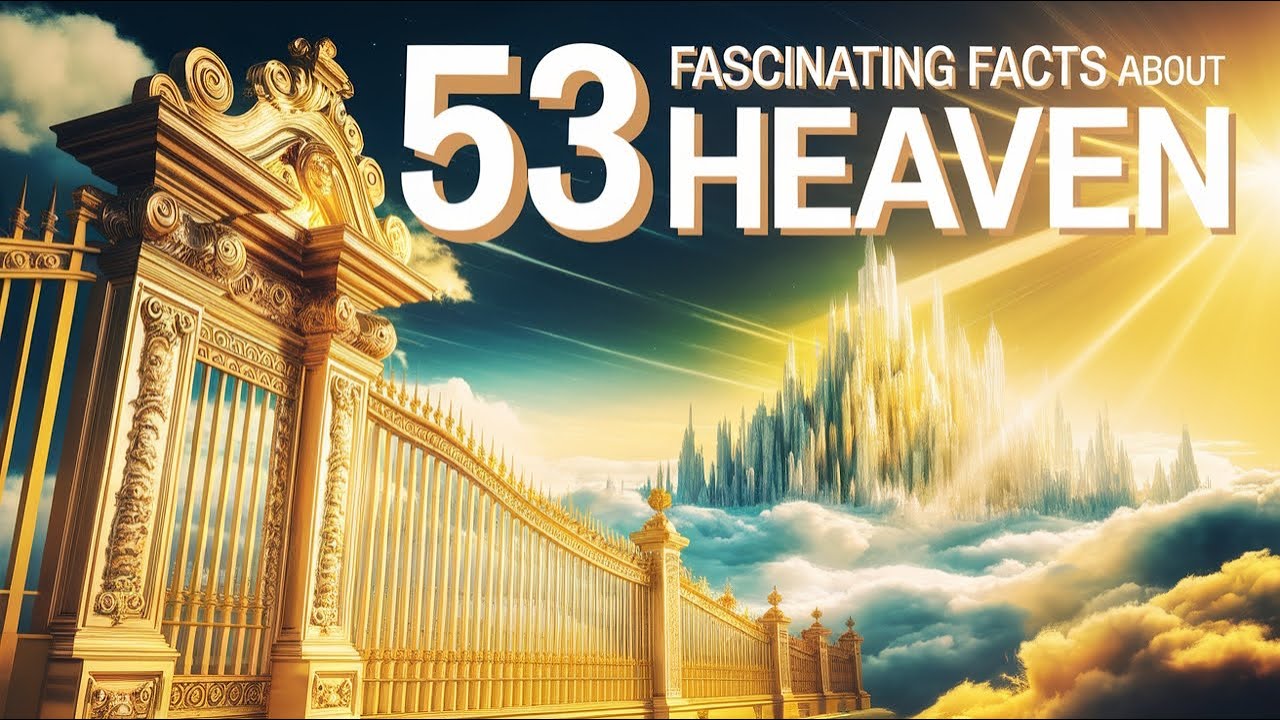
This suggests that the city has already been prepared. The idea of a prepared city indicates God's intentional design for our eternal home. This city, the New Jerusalem, is described as having gates of pearl and streets of gold, symbols of God's immense glory.
It leads us to wonder if the creatures God has crafted on Earth, including animals, will also be part of this intricately planned dwelling place. Abraham's faith in this heavenly City represents the faith we too can have in God's promises. Though our understanding of Heaven may be limited, we trust that it will surpass anything we could imagine.
This city represents God's eternal plan, not only for humanity but for the fullness of His creation, perhaps even including the animals that share our earthly journey. The harmony of this heavenly City, with God at the center, will transcend anything we have experienced on Earth. Just as the Garden of Eden was a place of peace between humans and animals, this future city could represent the fulfillment of God's plan, where humanity and all creation coexist without the suffering and conflict that sin has caused.
The New Jerusalem is described as a place of profound beauty, a reflection of God's perfect design. In this future city, God will dwell with His people, and His glory will fill the space. As we look forward to this heavenly reality, we remember that this city will be home to not only humanity but potentially all of God's creation, including animals.
In considering the New Jerusalem, we are reminded of how God's plan always included a place for His people to dwell with Him. This city reflects not just a physical space but a restored order where all things are made new. Could this renewal include the creatures God made good from the beginning?
It’s a hope many believers hold on to. This city will be the capital of Heaven, where God will dwell with His children forever. Revelation 3:12 offers another glimpse, where God promises that those who overcome will be made pillars in His temple.
God will write His name on them, along with the name of His City, the New Jerusalem, which will descend from Heaven to Earth in the future. The permanence of this heavenly City points to a place where every part of creation finds its ultimate purpose. Revelation 21:3 declares, "God's dwelling place is now among the people.
" This dwelling suggests that God's restored Kingdom will include not only His people but also the fullness of His creation. Imagine the city God is building, a place that will one day descend to Earth during the Millennium and in its eternal state. This is the same city Jesus spoke of when He said, "I go to prepare a place for you" in John 14:2.
Jesus is preparing this place, often referred to as a mansion. When it is complete, we will enter its gates, celebrating His sacrifice. The detailed description of the New Jerusalem, with its streets of gold and gates of pearl, reflects the perfection of God's design.
Just as these physical elements are carefully chosen, it is possible that the animals He lovingly created may also have a place in this perfect new creation. The Bible tells us that the foundations of this heavenly City are made of precious stones. For those longing to be reunited with their pets, Revelation 5:13 offers hope: "And I heard every creature in heaven and on earth and under the earth and in the sea singing to Him who sits on the throne and to the Lamb: be praise, honor, glory, and power forever!
" Revelation reveals a future where all living beings, including animals, will join in praising God, reflecting the same glory they display here on Earth. Animals have been witnesses to God's work throughout history, and it seems fitting that they would also share in praising Him in Heaven, completing the full circle of creation. The image of all creatures praising God offers a powerful vision of unity in the new creation.
This harmonious picture suggests that Heaven will be a place where every being fulfills its intended purpose in perfect peace. As we've explored, the Bible has many layers of meaning when it comes to creation. Now let's look at the.
. . Deeper passages that talk about redemption, not just for humanity, but for all of God's creation—what do you think these passages reveal about the fate of animals?
Biblical passages on animals and redemption indicate that there are several scriptures suggesting animals have souls. Ecclesiastes 3:18-21 tells us that the fate of the children of man and the fate of animals is the same; as one dies, so dies the other. They all have the same breath.
Romans 8:19-21 emphasizes that all of creation is eagerly awaiting the children of God to be revealed, showing the deep connection between humanity and creation. This shared breath of life highlights a commonality between humans and animals, emphasizing the fragility and interconnectedness of life on Earth as part of God's redemptive plan. The Bible portrays a future where creation, including animals, is restored and freed from the curse of sin.
This hope gives us comfort that God values every part of His creation. In many ways, animals remind us of the fragility of life and the wonder of creation; their dependence on God for sustenance mirrors our own need for divine provision. In the Psalms, we see how the lions seek their food from God, illustrating that all creatures, great and small, rely on the Creator, making their inclusion in the new creation a possibility.
These passages hint that animals may indeed be part of God's redemptive plan. While we may not know for sure what happens to our pets, we can trust that heaven will be more glorious than we can imagine, filled with joy, peace, and God's presence. Whether or not our pets will be there remains a mystery, but we know God's wisdom will provide everything we need.
While the Bible does not explicitly answer every question we have, passages such as Isaiah's vision of peaceful animals dwelling together point to a future where harmony is restored, and perhaps where animals find their place in eternity. Isaiah's vision of a world where the wolf lies down with the lamb paints a picture of total restoration—a return to the peace of Eden. In this vision, animals too are no longer subject to the consequences of sin; they live in harmony, suggesting that heaven will be a place where all relationships, including those between animals, are restored and redeemed.
Romans 8:19-21 speaks of creation longing to be freed from decay, expressing hope that one day, all creation will be liberated from its current state of corruption. Psalm 36:6 also reminds us that God's righteousness is majestic and His judgments are deep, like the oceans. It also tells us that God preserves both humans and animals, demonstrating His care for all living things.
The groaning of creation speaks to the deep need for restoration, not just of humanity but of all living beings. As we anticipate this future renewal, we are reminded of God's promise that He will make all things new, restoring the peace and order that existed before the fall. God's care for creation extends far beyond human beings.
His covenant with all life after the flood, marked by the rainbow, reminds us that His promises cover all creatures. As creation groans for redemption, we can look forward to a future where animals too share in the liberation from decay, joining in the glory that God has in store for His people. God's covenant and animals: The Bible frequently emphasizes that God's covenant extends to all of His creation, including animals.
Psalm 50:10-11 tells us that every beast of the forest belongs to God, along with the cattle on a thousand hills. Every bird in the mountains and all creatures in the fields are His. This affirms God's sovereignty over the natural world and His ownership of all living beings.
God's covenant with creation is a reminder of His deep connection with the world He made. In Genesis, God's covenant after the flood included not just Noah, but all living creatures, symbolized by the rainbow. This indicates that God's promises extend to all of His creation, animals included, offering a glimpse into how significant they are in His eternal plan.
God's promise isn't confined to humanity alone. When Noah was instructed to build the ark, he was also directed to bring two of every kind of animal, reflecting God's desire to preserve life. This act symbolizes the lasting significance God places on all creatures—a value that could extend into eternity as part of His grand design.
Hosea 2:8 speaks of a time when God will make a covenant of peace with the animals of the earth, the birds of the sky, and the creatures that crawl on the ground. It also refers to the instruments of war being abolished and a time of safety and harmony. Scripture continually reminds us that every creature on earth praises the Lord.
Psalm 150:6 calls on all that have breath to praise the Lord. Animals, in their own way, fulfill this call to praise; from the birds that sing in the morning to the majestic movements of creatures in the wild, animals reflect God's creative power and beauty. Their existence itself is an act of praise, showing the complexity and wonder of God's design—a design that extends from the smallest to the largest of creatures.
The peace that Hosea speaks of is not limited to humans alone; it extends to the entirety of creation where animals, birds, and even creatures that crawl on the ground will live in harmony. This image of a peaceful, restored creation aligns with the broader biblical theme of redemption, where all of God's creation experiences freedom from the effects of the fall. Psalm 69:34 echoes this, urging the heavens, the earth, and the seas to give praise.
We are encouraged to learn from animals in Job 12:7-10, where we are told to ask the animals, and they will teach you, recognizing that the hand of. . .
The Lord created and sustains all life. This call to praise reflects the universal nature of God's creation and His desire for all to recognize His greatness. The command for all that has breath to praise the Lord extends beyond humanity.
This inclusive vision of praise demonstrates that animals, too, participate in the worship of their Creator. Their instinctive behaviors, like birds singing or dolphins leaping, reflect a natural response to the beauty and majesty of God, offering us a glimpse of Heaven's harmony. Christian leaders throughout history have pondered the fate of animals.
John Wesley, the founder of Methodism, taught that humanity is responsible for being stewards of God's creation. Wesley believed that humanity's fall brought suffering to all creation, including animals. He looked forward to a future where God would restore all things, including animals, to their original beauty.
Martin Luther, the founder of the Lutheran Church, shared similar views. He believed that the harmony between humans and animals, which existed in the Garden of Eden, would one day be restored when Christ renewed all creation. Randy Alcorn, in his book "Heaven," suggests that animals, including horses, dogs, cats, dolphins, and even squirrels, will benefit from Christ's death and resurrection.
The new Earth and pets, Alcorn argues, will likely include animals because God created them and loves them; they will likely be part of the new Earth where they will once again share in God's perfect kingdom. The Bible teaches that God made animals and declared them good, and it is possible that they will be part of the new Earth described in Revelation 21:1. This offers hope for those who love animals.
While some may imagine their pets in Heaven but not the animals they consume, it's important to remember that such decisions are in God's hands. His wisdom is perfect, and we can trust His judgment. The Bible does not explicitly state whether animals or pets have souls, nor does it clarify if they will be in Heaven.
However, both humans and animals are described in Scripture as having the breath of life. Genesis 2:7 and Genesis 1:30 indicate that animals are living beings, but humans were created uniquely in God's image. This gives us a spiritual nature with the ability to think, feel, and make choices.
If animals have souls or spirits, they are likely of a different and lesser nature than those of humans, which may mean their souls do not continue after death in the same way. While animals may not possess a soul in the same way humans do, their connection to God and their role in creation cannot be dismissed. Just as humans have a unique spiritual nature, animals fulfill a different part of God's plan.
Their presence in the new Earth could symbolize the restoration of all things to their rightful place in God's kingdom. Throughout the Bible, God's care for animals is evident, from His command to care for livestock to the inclusion of animals in sacred moments such as the triumphal entry of Jesus on a donkey. We see that animals serve a divine purpose.
Their inclusion in the new Earth aligns with God's promise of restoration for all creation. Nevertheless, animals remain an important part of God's creation. Genesis 1:25 tells us that God created animals and declared them good, suggesting that animals could be part of the new Earth described in Revelation 21:1.
Isaiah 11:6 and 65:25 also suggest that animals will exist during the millennial kingdom. While they may not be the same animals we knew, God's justice will be evident. The idea of animals dwelling in the millennial kingdom offers hope to those who have formed deep bonds with their pets.
If animals are present in this restored period of peace, it suggests that the creatures we cherish on Earth might also have a place in this future world where creation is renewed and all living beings experience the fullness of God's glory. As we consider the possibility of animals in the new Earth, it's worth reflecting on how God uses creation to teach us about His nature. Animals are a source of joy, companionship, and beauty, much like the relationships we share with other people.
Their role in our lives might be a glimpse of the peace and harmony we will one day experience in God's kingdom. Today, pets are common companions in many households, whether dogs, cats, or more unusual pets. The Bible does not specifically address having pets, but we can learn from its teachings.
In 2 Samuel 12:3, a poor man cherishes his little lamb as part of his family, showing the deep bond between humans and animals. God's care for animals in Scripture helps explain why we love them. Pets, in their simplicity and devotion, remind us of God's own qualities; their loyalty mirrors God's faithfulness to us, and their love offers a reflection of His unconditional love.
When we experience the companionship of our pets, we glimpse the type of relationship we are meant to have with our Creator—one built on trust, care, and mutual joy. As God's image bearers, we are called to reflect His compassion and care, not only to fellow humans but to all creation. The relationship between people and animals is a testament to God's design for harmony within creation.
As we care for our pets, we participate in this divine calling, revealing a deeper truth about the nature of love, stewardship, and responsibility. Since people are made in God's image (Genesis 1:27), we share in His nature, including a desire to care for animals. From the beginning, God blessed humanity and instructed us to rule over all living creatures (Genesis 1:28).
When a child cares for a pet, they reflect God's nurturing character, creating a loving environment. Just as God cares for His creation, our care for animals reflects the very character of God, who tenderly watches over all He has made. In Matthew 10:29, Jesus reminds us.
. . That not one sparrow falls to the ground apart from the will of the Father.
This divine care extends to all creatures, suggesting that animals play a significant role in God's creation and possibly His future kingdom. Having a pet is a serious responsibility that mirrors God's love for His creatures. Many parents introduce pets to teach their children values and responsibility lessons supported by biblical principles.
Pets also bring friendship, fun, and unconditional love, which is why they are often used in hospitals and nursing homes to bring joy to those in need. The Bible offers a breathtaking description of Heaven in Revelation 21:18-21. The walls of the New Jerusalem are made of jasper, and the city itself is pure gold, clear as glass.
The twelve gates are made of pearls, and the streets are made of pure gold. This radiant city reflects the light of the Lamb, who is the light of the world. The beauty is beyond anything we can imagine.
Isaiah 60:19 tells us that the sun and moon will no longer be needed, for the Lord Himself will be our everlasting light. In 1 Corinthians 2:9, Paul reminds us that no eye has seen, no ear has heard, and no mind has conceived what God has prepared for those who love Him. The beauty and glory of the New Jerusalem will surpass all expectations.
In this perfect place, we will experience the fullness of God's presence, love, and light for eternity. As we conclude, it's clear that while the Bible offers us many insights about animals, Heaven, and creation, some mysteries remain. We won't fully understand them until we reach our eternal home.
Yet, we can rest assured that God's love, wisdom, and provision will fill us with complete joy. Whether or not our pets will be with us in Heaven remains unknown, but we trust that God will provide everything we need to be fully happy in His presence. Thank you for joining this thoughtful discussion about pets, Heaven, and God's creation.
Have you ever lost a pet and wondered if you'd see them again? Share your story below. And if this video touched your heart, don't forget to like, share, and subscribe for more insights like this!