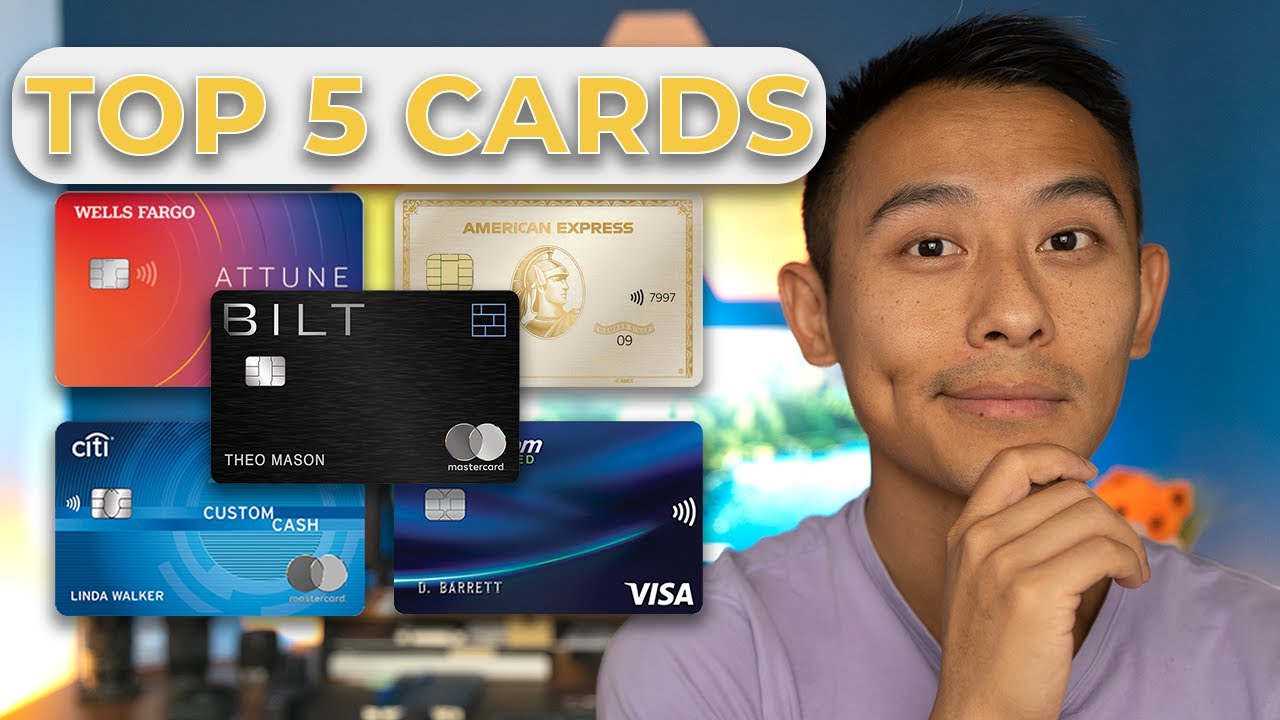
in this video I'm going to reveal the exact two-player credit card strategy that my fiance and I have been using to travel to places we've always dreamed of going on trips that would normally cost tens of thousands of dollars if we paid in cash but of course we're taking full advantage of credit card points to do this travel almost completely for free instead so I want to show you some big tips and tricks that we've learned over the past few years that way anyone watching this can do the exact same thing with a partner a
significant other or even a friend or family member now I've sort of discovered three key factors to play a big role in getting the most value out of the two player credit card games so I'm going to go over those factors first here but then I also want to cover some of the details about my own setup and how my fiance Jackie and I think about credit cards and points but to start off first we got to talk about one of the most important factors that makes traveling with points and Miles all possible and that
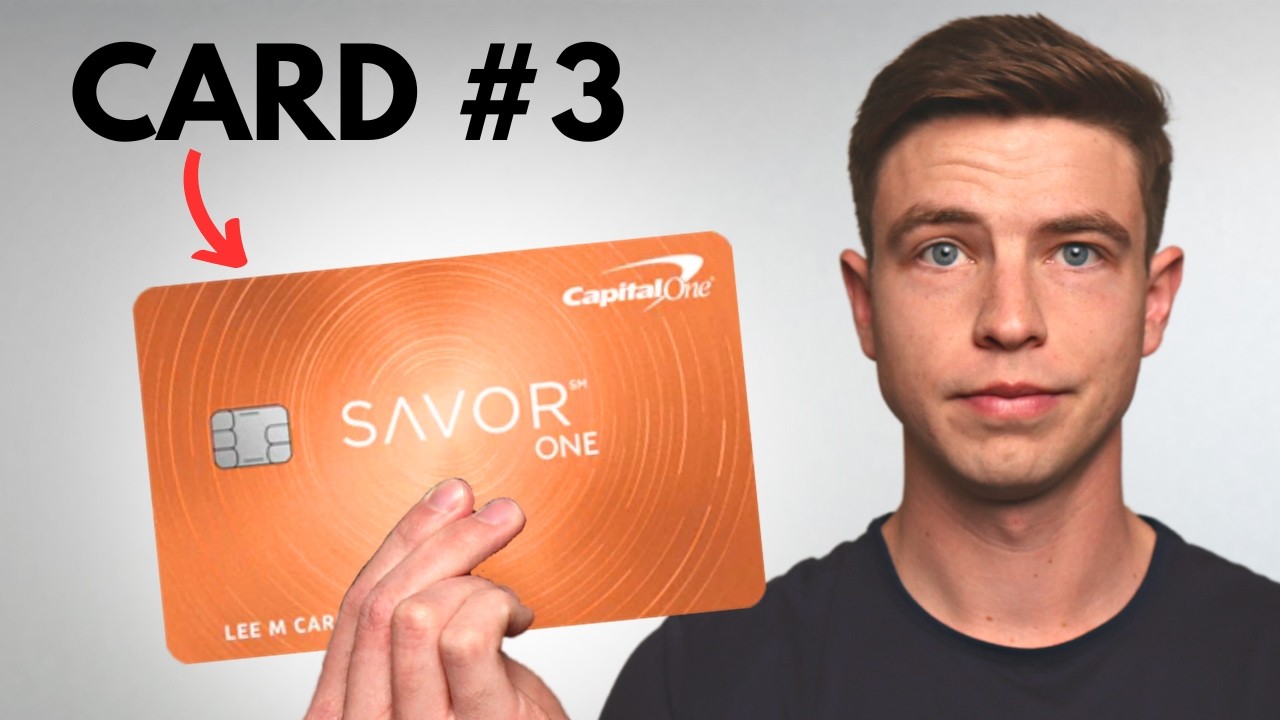
would be signup bonuses now sign up bonuses typically work by giving you a fixed amount of cash back like $200 or a fixed number of points like 20,000 points after spending a certain amount in the first 3 to 6 months of opening a new credit card so easy examples here would be something like $200 cash back after spending $500 in the first 3 months on The Chase Freedom Flex or the Capital One saver one and there's two small details with these signup bonuses that make a big difference in the value that you can get first
if you want to look at these signup bonuses sort of like an investment we want to get cards with higher bonuses that require lower minimum spends because that leads to what we call a higher return on spend and obviously the more time you have to hit those minimums the better because then you don't have to rush around and accidentally risk overspending which can be a huge mistake that that I see a lot of people make and second sometimes a signup bonus on a certain card might say that they're giving you cash back but really what
they're giving you are points that you can choose to later redeem for cash back or a lot of other better stuff like travel if you want to get more value like I do so that $200 cashback offer on The Chase Freedom Flex is really earned as 20,000 Chase Ultimate Rewards points and that can be later redeemed for $200 of cash back or potentially more if you pair it with other Chase cards and then redeem for travel basically when it comes to sign up bonuses you should always just read theine pray and understand what you're getting
and luckily I'm always talking about the best credit cards out there and other offers here on my channel so make sure you go ahead and subscribe down below and then check out some of the links that I have down in the description because those links are a great way to help support the channel and they also show you what offers are out there so thank you very much to anyone that uses those links but the reason why it's important to understand what you're getting from a signup bonus is because it's actually really easy to get
a high return on spend compared to just the typical spending multipliers that most cards have so back to that Chase Freedom Flex example even if we just redeem the 20,000 Point signup bonus at the advertised $200 cashback amount after we first spend $500 that comes out to a 40% return on spend based on some simple math by dividing the $200 return by the $500 spend required to get that bonus compare that to the 5% back and rotating quarterly categories that the freedom Flex is really known for and you can start to see that a 40%
return on spend from any spending that you do to get that signup bonus that's going to be much higher than that 5% return on spend from a specific category and in reality when we redeem those points from the sign of bonus for travel we're getting above $200 in value with a return on spend that's also way above 40% actually to earn the same 20,000 points we get from the signup bonus on this card by only spending with the rotating 5% multiplier it would take $44,000 of spending compared to just $500 of spending on that signup
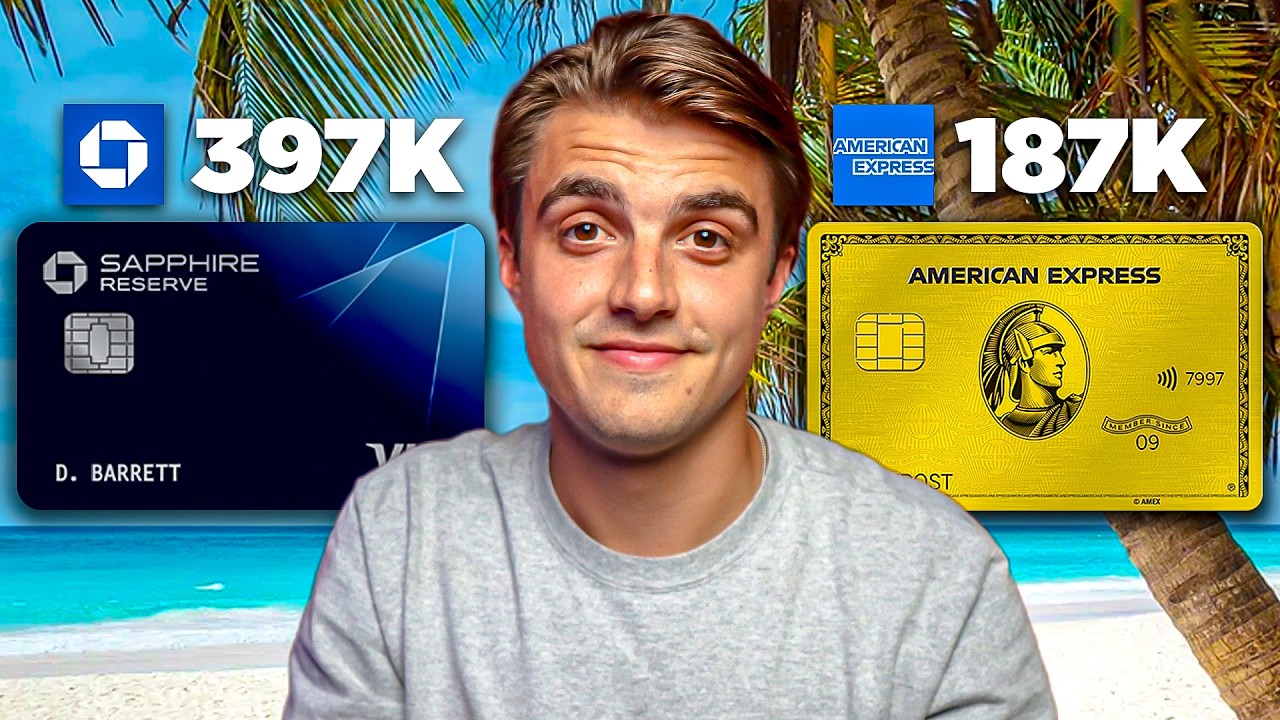
bonus so that's why in order to get the highest return of spend in the shortest amount of time the smartest credit card users out there are willing to get a new credit card basically every 3 to 6 months and that's what I was doing a lot over the past 2 years so now I've got a bunch of points saved up now for Jackie and me one issuer that we really like is Chase because of their cards that earn Ultimate Rewards points so if I just looked at our Chase credit cards alone and the signup bonuses
that we've been able to get over the past few years for the sapphire prefer that we both have I got a 60,000 Point bonus and Jackie got a limited time offer of 880,000 points for the freedom Flex we both got 20,000 points but we also both signed up for the freedom Flex about a year apart and we're each able to lock in an additional bonus of 5% back on grocery spending for our first year which is no longer available as I'm filming this for the freedom unlimited I got 20,000 points and then for the in
cash and the ink unlimited business credit cards I got 75,000 points on each of those as well so without even counting any spending multipliers that's 350,000 chase points between the both of us from sign up bonuses alone and add a value of between 2 to three cents per point when we transfer and redeem for travel those points are going to be worth between $7,000 and $10,500 but that's also not even factoring in another important piece of this whole strategy which is referring the other person to get additional referral bonuses basically most of the big credit
card issuers out there allow you to send your friends and family a special referral link that they can use to sign up for a certain card and then you're going to get a small additional referral bonus on top of that as well by helping to bring them a new customer now of course if neither of you have a certain card you can always use my affiliate links that I have down below like I said but after that by far the best way to use a two-player strategy is by referring your player 2 for cards that
you already have by sending them your link that way you both get sign up bonuses but then you also get that small referral bonus on top of that now certain cards that have Annual fees are usually going to have the best signup bonuses and the best referral bonuses but luckily in most cases after one year of paying the annual fee if you don't like the card anymore then you can always downgrade or potentially cancel it as well depending on your situation so again back to chase for an easy example there's a card like the sapphire
preferred which has a $95 annual fee but gives a 60,000 Point signup bonus worth between $1,200 $1,800 at 2 to 3 cents per point for travel but after 1 year you can downgrade that to a no annual fee Freedom Flex or Freedom unlimited card so that's what Jackie is probably going to do with her Sapphire prefer because really only one of us needs to have that card and pay $95 per year another big tip to mention here that we've done with Chase in our two-player setup is we actually called Chase and had them link my
sapphi prefer to her Chase account that way basically now she can move her chase points over to my account and we can sort of consolidate everything with our chase points when we go to redeem them for travel so not only can you combine your chase points across all of your Chase cards by using the combined points tab here in your account but again you can can also call up Chase and then link your player 2's account over to yours so that way it's easier to consolidate everything that both of you are earning now signup bonuses
are such a big part of the entire credit card game for getting thousands of dollars in value very quickly which is why I wanted to give you a lot of information about them first here but next let's also talk about spending multipliers which is the second key factor in a two-player credit card strategy so let me explain how I look at this in my own setup that Jackie and I are using so the biggest piece of advice that I can give with spending multipliers is to prioritize High spend categories and get cards over time that
match those categories and again A good rule of thumb is to aim for a new credit card every 3 to 6 months or so because having multiple cards is really key for optimizing value and the two biggest mistakes that IC people make with this would be using a credit card that only gets 1% back and then also using credit cards that prioritize more discretionary spending only now discretionary spending basically means non-essential spending so this is kind of like going to your favorite store and then getting a store credit card because it's getting 5% back only
at that store and not all store cards are bad but they usually incentivize you to spend more anyway and many of them only earn rewards that can be redeemed for future purchases at that store so they're not as flexible as other credit cards out there and that's why I'm not a big fan of them so a lot of people get store cards for maybe Best Buy or TJ Maxx to get 5% back or whatever the rate is that way they're optimizing their spending for their discretionary spending but then for the rest of their expenses they're
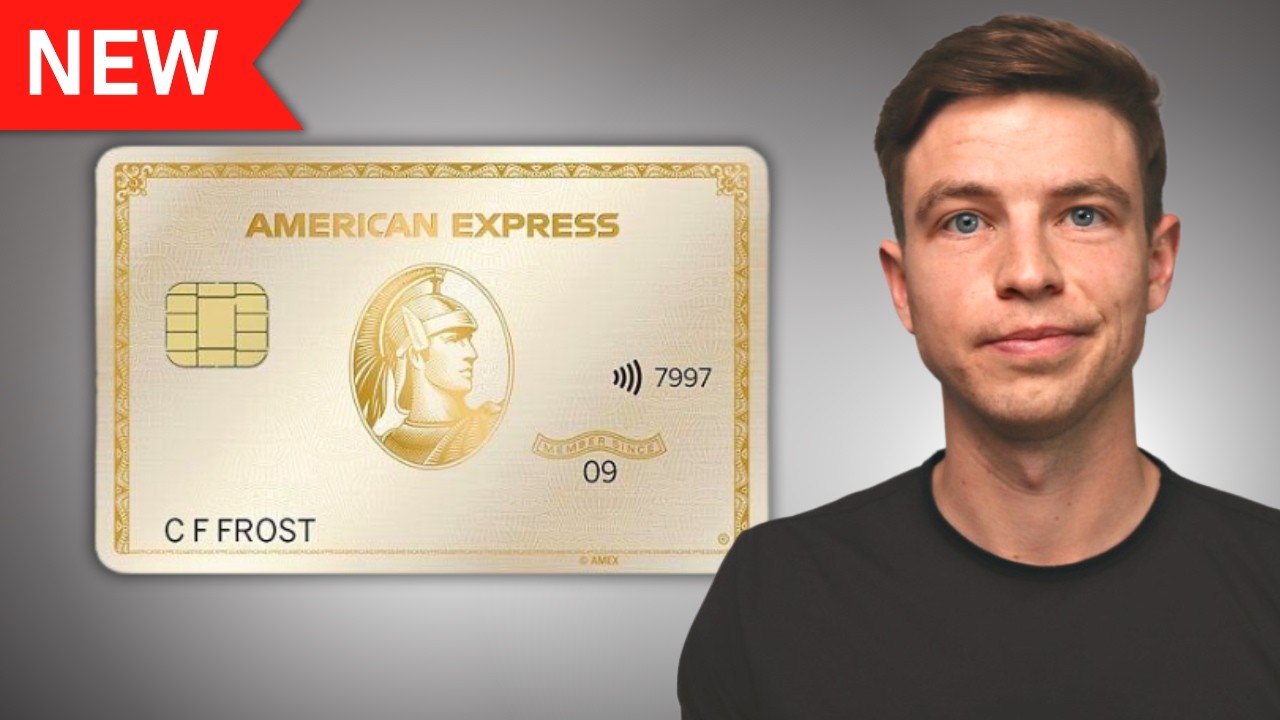
just using a basic card that only gets 1% back or something like that so they're leaving a ton of value on the table instead what we've done is we focused on getting cards that earn really well on food categories like groceries and dining with the AMX gold card that gets four points per dollar at grocery stores and restaurants but again we were also lucky to both get the Chase Freedom Flex with that special offer I talked about before with five points per dollar on groceries for our first year then we also have cards like the
city custom cash that gets used for getting 5% back on gas spending because that's all we use that card for we get 1.5 points per dollar on all other miscellaneous spending by using the Chase Freedom unlimited and then we also take advantage of the Chase Freedom flex and that cards rotating 5% categories that change up every 3 months so right now that card is getting 5% back at Amazon which is great recently we also added the built MasterCard which earns really valuable points by getting one point per dollar on rent without any transaction fees that
other credit cards normally charge when paying for rent and I made a whole other video about that card that I'll link to You Down Below but basically we've just slowly added cards that earn good multipliers in all of our top spending categories and that's worked really well for us now the third factor that goes along with this that has really helped us to get tens of thousands of dollars in value from our credit cards over the past few years is the fact that we focus on earning points and miles and not cash back with our
cards so I sort of look at optimizing our two-player credit card strategy in three ways like I've talked about throughout this video with the first one being for Jackie and I to get a few new credit cards every year with the best signup bonuses and then we try to refer each other if possible to earn a lot of points in a shorter amount of time then the second way to optimize our strategy is by earning points just from our everyday spending categories by matching our high areas of spending with the right cards that have the
right multipliers and I also like to focus mostly on cards that earn what we call flexible points currencies that can be Redeemed by transferring them to a number of different travel programs instead of just one program so with flexible points think about first getting cards that earn Chase American Express Capital One or city points or something like that because they're going to transfer out to a number of different hotel and Airline programs but if you just got a Delta card or Hilton card or some other co-branded credit card like that you're going to be very
limited to only those programs and you're also more at risk of your hard-earned points being devalued because you have less Redemption options and then the third way that I like to optimize our two-player strategy comes on the Redemption side of things with the points and Miles that we earn so for this I try to find ways to get very high value for travel relative to the cash price for certain hotel stays and flights now in general if we're looking at a flexible points currency like Chase which we're going to keep using as an example here
those chase points can be redeemed for cash back at a value of 1 cent per Point like you can see here in my account so 100,000 points is equal to $1,000 of cash back which isn't too bad but what we want to do when redeeming for travel to get more value is we want to aim for higher than one cent per point and with Chase we have cards like the chase I prefer that gives us 1.25 cents per point when redeeming for travel inside the chase portal so 100,000 points is going to get us $1,250
of travel but if we look Instead at transferring points to many different part of programs that chase and all the other major issuers have with their premium flexible points travel cards then like I said before we can get around two to three cents per point in value or even higher for certain travel now one quick recent example of this is when Jackie and I went to Napa Valley a few weeks ago and we stayed three nights at the Ala Napa Valley which is a top category 8 property from hayatt and normally a three night stay
here is going to cost around $5,400 but because we saved up so many chase points in both of our accounts we combine all those points under my Chase Al I preferred and that card has access to chase Transfer Partners that includes Hyatt and transfers at a 1:1 rate so after I did a search on the Hiatt website I saw the same three night stay at this luxury ala Hotel only cost 110,000 high points that I could transfer from 110,000 chase points now remember I said that chase points can be redeemed for cash back at 1
cent per point so I could have chosen the easy Redemption for 110,000 points and just cash them out for $1,100 but I knew that redeeming them for travel gives me much much higher value so I just waited to see if the right opportunity came up like this so basically I was able to use 110,000 chase points that have a cash value of $1,100 and instead of cashing them out I just transferred over to Hyatt and booked this hotel stay that normally would have cost $5,400 now if we do the math there $5,400 divided by 110,000
points values this Redemption at 4.9 cents per point so that's nearly five times more value by redeeming for travel in this case instead of cash back and that's really worth it to us because this hotel and the view that we had From a Balcony with a fire pit overlooking a private vineyard with the mountains in the background that was really one of the highlights of our entire trip but there's no way we would have paid $5,400 for this day so the fact that we were able to leverage our credit card points instead that just allowed
us to have a great time and not worry about spending too much so hopefully that kind of explains why travel over cashback is how you can actually get that value that's more in the range of tens of thousands of dollars versus Maybe hundreds of dollars with cash back and if redeeming for first and business class flights is more of your thing then you can definitely do that too because you have lots of options for that and I found that American Express points are really great for redeeming for flights so even though redeeming points of miles
does take some time to learn and some skill I think it's very much worth it for the thousands of dollars in value that you can get to travel to new places now I figured that I should also give you guys a few other tips about how Jackie and I think about our own personal two-player setup so first I want to point out that yes we're earning different types of points like Chase American Express and Bill and there's a good reason for that which is what I like to call points diversity now this really comes down
to personal preference but for us like I just showed that Hyatt example we really like saving up our Chase and our build points because they're the only two programs out there that transfer directly to hayatt and without going into too much detail Hyatt is sort of the last remaining Hotel program that hasn't really devalued their points that much so it's still very easy to find great deals out there when we're looking to save a lot of money on a nice hotel or Resorts day now the thing that I don't really hear many people talk about
when using points to book a hotel versus a FL is that generally you're going to get more time to enjoy a hotel experience in many cases so for example if you're doing a multiple night stay then each day you're pretty much getting 24 hours to enjoy that hotel and the amenities especially at Resorts like ones in warmer weather where maybe you just want to get away and enjoy the nice weather outside with the pools the beaches and the restaurants on the property compare that to a first or business class flight which definitely is worth it
in many situations because you can basically experience luxury travel that otherwise might not be affordable but you might only be on that flight for maybe 7 or 8 hours at a time time or maybe a little bit more or a little bit less depending on where you're going and also with a hotel stay I only have to book one room that my fiance and I can both enjoy with our two-player strategy whereas with a flight I'd have to book two separate tickets for both of us and many times it ends up actually costing more in
points so basically the way that we redeem our Chase and our build points with Hyatt that allows us to get more time to enjoy that Redemption value and it usually costs less in points per person compared to a flight if that makes sense so back to the whole thing about points diversity having a two-player credit card strategy like this right now where we're earning Chase built and American Express points that allows us to have options where Chase and built is mostly being used with Hyatt and then AMX points are mostly being used for flights like
two L flat business class seats on Air France that we booked to fly from New York to Paris later this year and just to show you that example normally those airr tickets would have cost around $6,800 but we got them for a total of $888,000 points plus $397 in fees which values those points at around 7.3 cents per point which is a great deal for AMX points another thing we kind of think about is what we call points velocity so basically how fast are we earning more points to sort of refill our balances as we
redeem for travel this is going to vary for everyone so in general I think it's good to know how much you typically spend every single month to get an estimate of how many points you might earn and I've got a free budgeting template over in another video that'll link to you down below if you want to download that but also spending money to earn points is a big Advantage for a lot of business owners as well because typically they spend a lot more per month on their business than normal people do on their everyday expenses
now with Jackie me I would say that I carry about 75% % of the weight in our two-player setup because obviously I'm way more invested in understanding the whole credit card stuff with this YouTube channel so she sort of acts as a supplemental credit card user within our strategy and it works for us basically she'll get certain cards for signup bonuses and the spending multipliers and then I'm going to make her an authorized user on some other cards like the AMX Platinum for example and right now that allows her to have access to the AMX
lounges and it gives her a TSA pre-check credit as well so it just makes sense in our situation so with any of you watching this you can do your own two-player strategy just like me and Jackie by having one person carry most of the setup or you can make it more of a 50/50 thing and both go all in with it if you're interested but with Jackie she knows this is more of my thing anyway so she just lets me handle it and then goes along with my suggestions and again that works really well for
us and she doesn't have to learn about all the stuff too now the big question that people ask me all the time is what credit card they should get because there's literally hundreds of them out there and each one is trying to sell you on why they're the best so luckily I made it easy and did a full breakdown of the best credit cards available right now that you should definitely go ahead and watch next over here by clicking this video on the screen so as always thank you so much for watching and I'll see
you in the next one