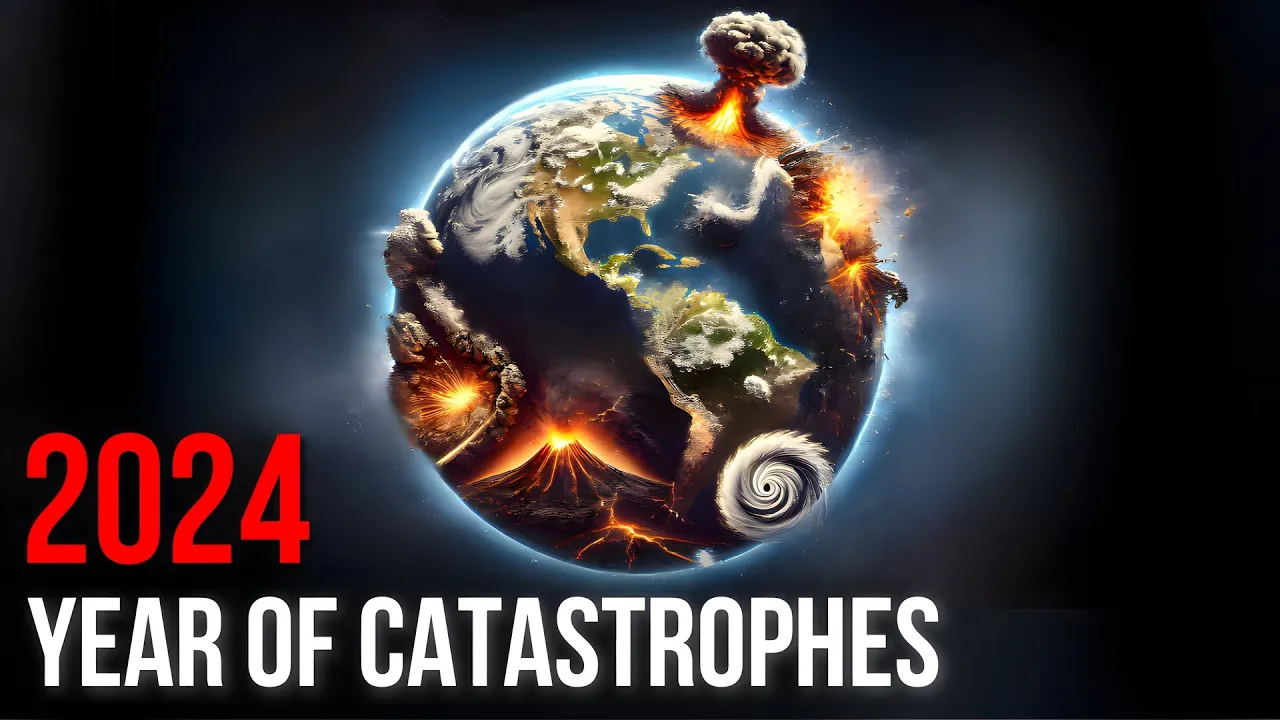
10 Most Devastating Natural Disasters That Could Happen In 2024! Life is inherently unpredictable, and we can never know for certain what may cause the end of humanity. 2024 has already seen a string of catastrophic natural disasters with far-reaching consequences.
In April, heavy rainfall brought widespread disruption to the Gulf region, forcing schools to close, roads to collapse, and transportation services to be suspended in Dubai, Oman, Bahrain, and Qatar. The impact was particularly severe in France, where Cyclone Belal caused over $108. 3 million in damages.
In southern China, Tanzania, and several East African countries, deadly floods have claimed hundreds of lives and caused hundreds of millions of dollars in damages. And in North America, wildfires have been raging across California, burning over 8,000 hectares of land and affecting the homes of nearly 1,200 people. Texas has also been ravaged by its largest wildfires in history.
But the worst may be yet to come. Experts warn that the second half of 2024 could bring even more catastrophic events, threatening the very fabric of our existence. Join us today as we dive into the most anticipated natural disasters that could strike in the coming months and the science behind them.
( You might think of natural disasters as sensationalized clickbait that gets you to watch videos, but the reality is far more devastating. As our team at Insane Curiosity worked on this video, India was hit by one of the most catastrophic natural disasters of the year. And here’s how that went down.
On July 30, 2024, a series of landslides struck the Wayanad district in Kerala, India, with devastating consequences. The early morning hours brought heavy rains that triggered the collapse of hillsides, unleashing torrents of mud, water, and boulders onto the villages of Punjri Matom, Mundakkai, Chooralmala, Attamala, Meppadi, and Kunhome. The tragedy resulted in at least 359 reported deaths, over 273 injuries, and 206 people still missing, making it one of the deadliest natural disasters in Kerala's history.
This disaster is just one of many extreme weather events that have ravaged India in recent years, serving as a stark reminder of the destructive power of nature. Now, let’s look at the most predicted natural disasters in the coming months. Number 10: Solar Flares So far, 2024 has been a year of deadly flooding disasters.
However, the threats go beyond just floods. One major concern has been the increased activity of solar flares. Solar flares are intense bursts of radiation and energy from the Sun.
While most of the energy from a solar flare is radiated away as ultraviolet and X-ray light, the intense heat can also cause enormous clouds of charged particles, known as coronal mass ejections (CMEs), to blast out into space. These CMEs can have devastating impacts on our technology and infrastructure here on Earth. If a powerful CME were to hit the Earth, it could potentially black out radio and radar systems around the world.
It could also overload and damage electrical grids, causing widespread and long-lasting power outages. Experts estimate that a severe geomagnetic storm from a large CME could cost the United States alone up to $41. 5 billion per day in economic damages.
There are also concerns that a major CME could create an "internet apocalypse" by overloading and damaging the undersea cables that form the backbone of the global internet. This could leave parts of the world without reliable web access for weeks or even months. Satellites and spacecraft orbiting beyond the protection of Earth's atmosphere would also be at risk from the intense radiation of these CMEs.
Recently, a series of active sunspot regions unleashed multiple X-class solar flares between May 10 and 15. Notably, the X-class designation indicates the flare's intensity, with higher numbers representing greater strength. Although the Sun regularly produces these energy bursts, flares of this magnitude are extremely rare.
On May 14, NASA satellites detected an X8. 7 flare, the most powerful solar flare of the 11-year solar cycle. This means the threat of a solar flare is now higher than ever.
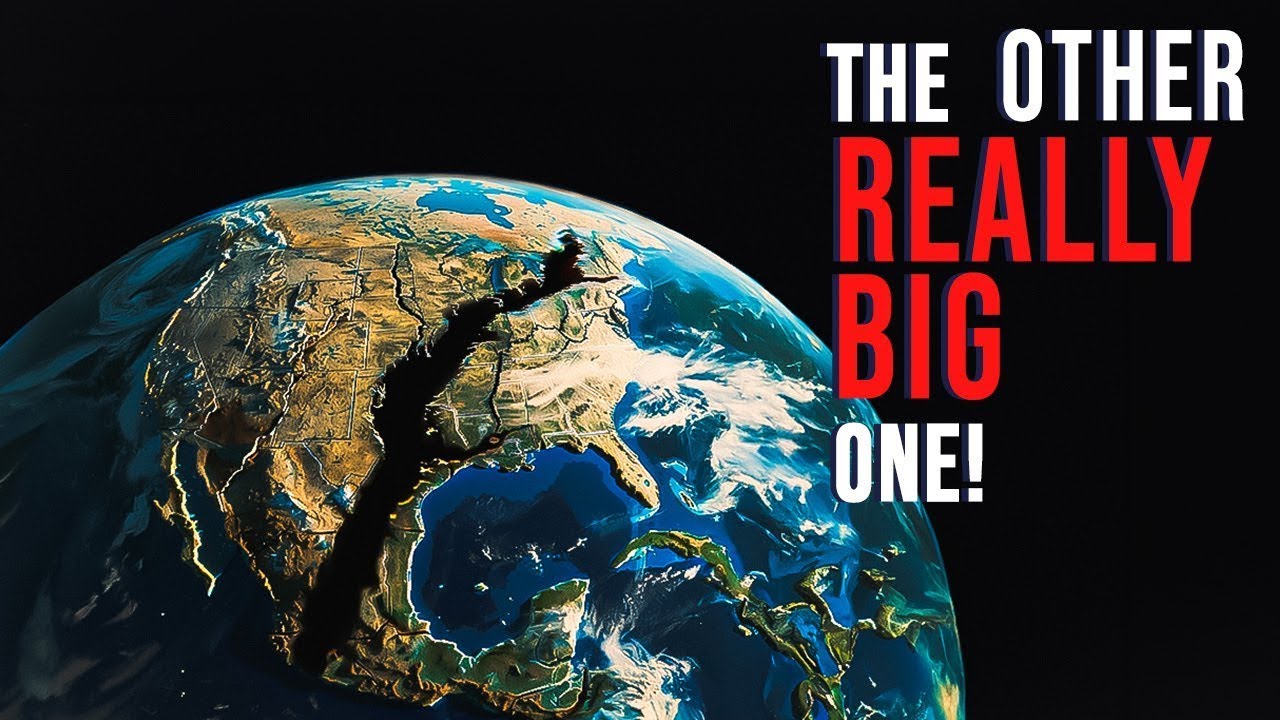
Number 9: New Madrid Earthquake The New Madrid fault line, responsible for the most powerful earthquakes in US history, is stirring once again. In 1811 and 1812, this seismic hotspot unleashed a series of massive quakes that reversed the flow of the Mississippi River and sent shockwaves across the nation. Now, experts are warning that the region is on the cusp of another catastrophic event.
Recent data suggests that the fault line is building up stress, signaling a ticking time bomb that could unleash a magnitude 7. 5 or higher quake at any moment. The consequences would be devastating, with entire cities potentially reduced to rubble and countless lives lost or forever changed.
The warning signs are unmistakable: increased seismic activity, subtle movements along the fault, and a disturbing trend of earthquakes in the New Madrid Seismic Zone. The United States Geological Survey has sounded the alarm, and the people of Memphis, Saint Louis, and other major metropolises are urged to take immediate action. With a 25-40% probability of a severe earthquake striking the region by 2040, the clock is ticking.
The people of the region are sitting on a powder keg, waiting for the inevitable. Will it happen in the next few months? The uncertainty is unsettling, and the region holds its breath as the earth beneath its feet prepares to unleash its fury.
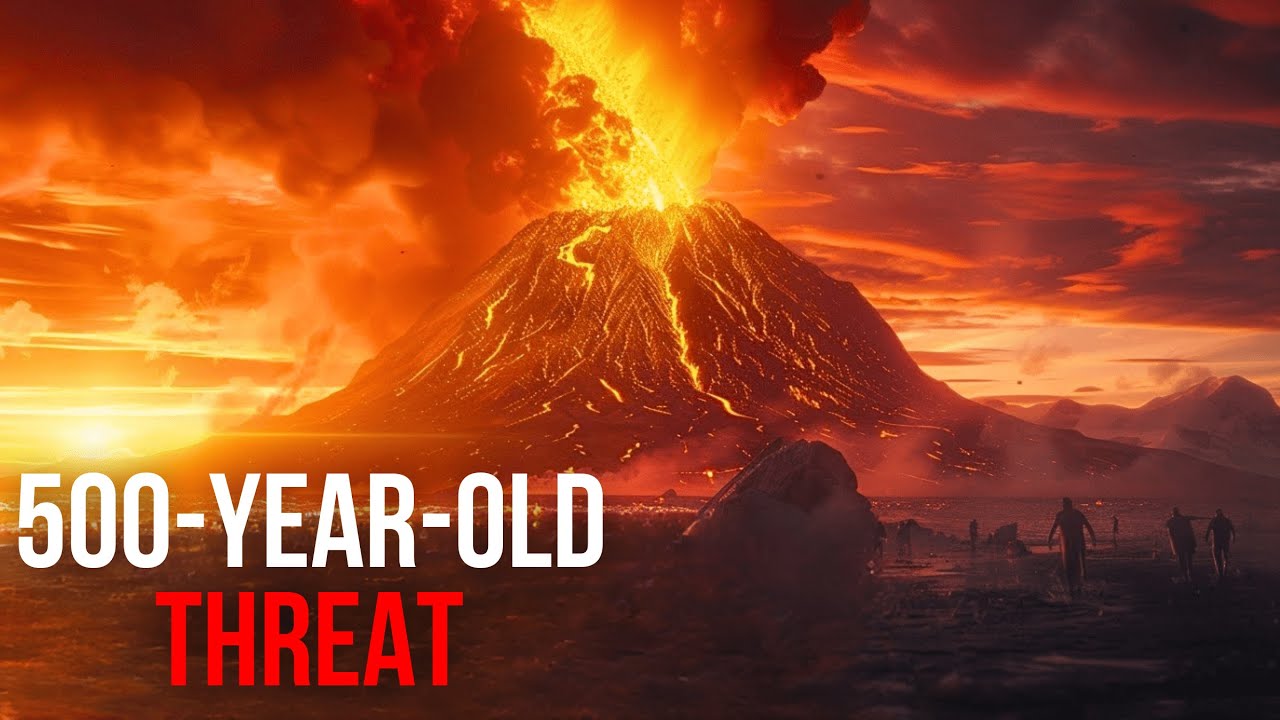
One thing is certain: the New Madrid fault line is a ticking time bomb, and it's only a matter of time before it strikes again. Before we continue, make sure to hit the Subscribe button and click the notification Bell to stay updated with our future videos. Number 8: Toba Super Volcano Lake Toba, situated on the Indonesian island of Sumatra, is a ticking time bomb.
It's the largest volcanic lake on Earth, formed 74,000 years ago after a massive eruption that was the largest in 25 million years. The eruption spewed an estimated 2,800 cubic kilometers of volcanic ash and lava into the atmosphere. Now, there are concerns that it may be on the verge of erupting again.
A super eruption at Toba would have a catastrophic impact on the global climate, with massive amounts of ash and sulfur dioxide released into the atmosphere. However, several factors make a Toba eruption even more ominous than one at Yellowstone. The volcano is located on the densely populated island of Sumatra, home to over 50 million people, and is just 40 kilometers from the Indian Ocean, which would generate devastating tsunamis.
Recent reports of volcanic gases and heating of the ground surface suggest that the volcano may be stirring again. If it were to erupt, the consequences would be dire. The sky would darken, temperatures would plummet, and crops would be destroyed globally.
The resulting tsunamis would be catastrophic, claiming the lives of millions immediately and many more in a few years. Number 7: Deadly Gamma Ray Bursts Gamma Ray Bursts (GRBs) are among the most dangerous forms of radiation in the universe. These catastrophic events are thought to occur when two dying stars merge, unleashing powerful beams of energy that can travel through almost any obstacle, posing a significant threat to human existence.
When a GRB occurs, it generates an intense surge of light, firing charged particles into space. If Earth were to be in the direct path of a GRB, the consequences would be devastating. The radiation would annihilate our atmosphere, producing nitrogen oxides that would eradicate the ozone layer.
Without the ozone layer, the sun's ultraviolet rays would reach the Earth's surface unchecked, wiping out the ocean's plankton, which produces oxygen for our atmosphere. This would disrupt the entire food chain, leading to catastrophic effects such as skin cancer and other dire consequences. Unfortunately, the mechanisms behind GRB emissions are not yet fully understood, leaving us vulnerable to the unpredictable nature of these events.
All we can do is hope that a powerful GRB doesn't strike our planet, bringing about an extinction-level event. Number 6: Devastating Flood The recent massive flooding in China due to water released from the Three Gorges Dam has raised concerns about the dam's operation and the potential for catastrophic flooding. The dam, which is the world's largest gravity hydroelectric dam, has been releasing large amounts of water downstream, causing widespread flooding and evacuations of hundreds of thousands of people.
The Chinese authorities have been operating the dam in "panic mode," releasing 60% of the inflow as discharge, which has led to devastating consequences. This recent flooding in China serves as a warning sign for the rest of the world. In recent months, we've seen devastating floods in Dubai, Oman, Bahrain, and Qatar, and in May, Indonesia joined the list.
This trend suggests that the world is on the cusp of a catastrophic flooding season. As we head into the wettest months of the year, the chances of flooding increase dramatically. With the Earth's weather patterns becoming more unpredictable by the day, it's clear that we're in for a rough ride.
The coming months will likely bring more devastating flooding to various parts of the world, and it's essential that we're prepared for the worst. But before we get into all that, please be sure to subscribe to the Insane Curiosity Channel if you haven't already done so. This helps support the channel and ensures you don't miss out on future high-quality content!
Number 5: San Andreas Earthquake California is on high alert as the San Andreas Fault, which spans 1,200 kilometers across the state, is building up substantial strain energy, threatening to unleash a massive earthquake. Recent seismic activity in the Parkfield region has scientists concerned that a large earthquake, possibly on the scale of the deadly 7. 9 magnitude quake that demolished San Francisco in 1906, is approaching.
The Parkfield section of the San Andreas Fault has a history of moderate earthquakes around magnitude 6. 0 at regular intervals, with the last one occurring on September 28, 2004. Since then, the fault has been quietly accumulating energy, and scientists warn that the clock is ticking.
Data from the San Andreas Fault Observatory at Depth (SAFOD) suggests that the fault is once again building up substantial strain energy, similar to the periods preceding previous quakes. Furthermore, the broader San Andreas Fault system has exhibited heightened seismic activity in recent years, with smaller earthquakes that could be a sign of major stress accumulating along the fault. While predicting the timing and magnitude of earthquakes remains an imperfect science, the recent unusual activity in the San Andreas Fault has experts on high alert, warning that California may be on the verge of a major earthquake in a matter of months.
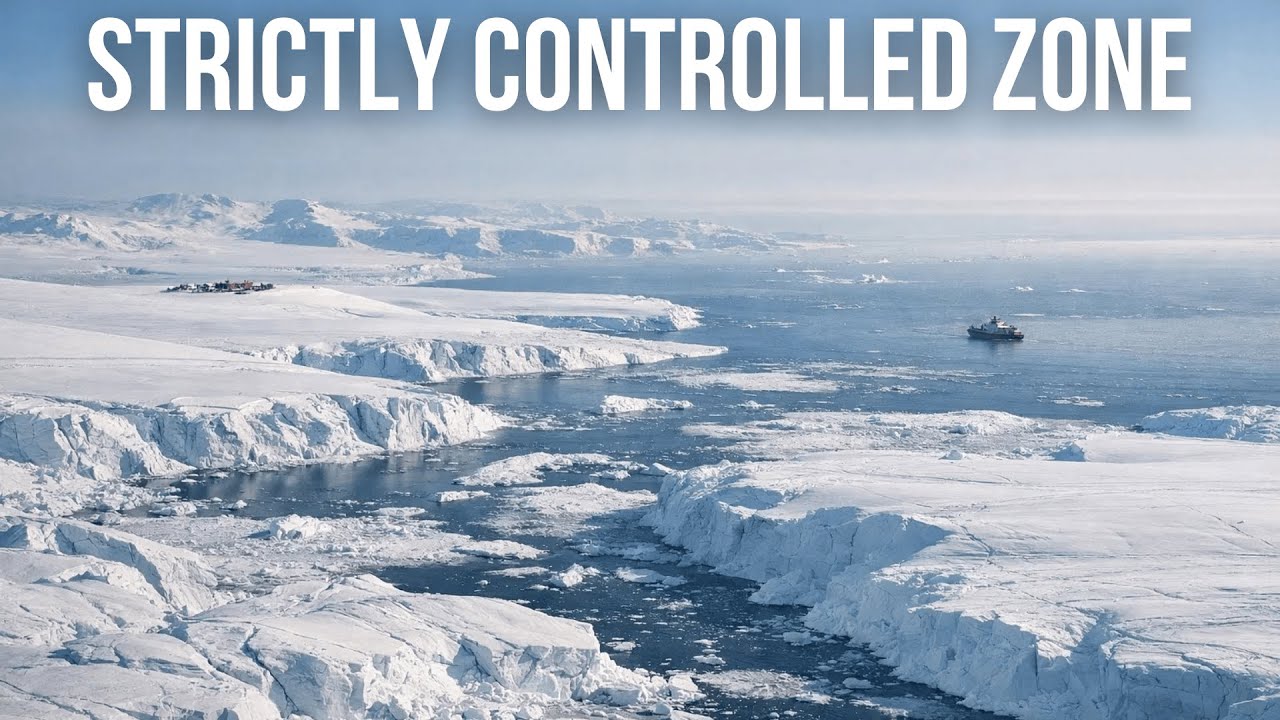
We made a video that dives into the recent activities in the region, check it out! Number 4: North Sea Tsunami The North Sea is not typically associated with devastating tsunamis, but climate change has raised concerns about the potential for a submarine landslide in the region to trigger such an event. Scientists have pointed to a historical precedent, dating back over 6,000 years, when a rapid sea level rise, likely caused by climate change and the melting of ice, destabilized submarine glacial deposits at the edge of the Norwegian continental shelf.
This led to a massive 300-kilometer-long landslide, which in turn generated a tsunami that reached heights of up to 20 meters in the Shetland Islands, 10 meters along the Norwegian coast, and 6 meters off the northern and western coast of Scotland. Should the Earth experience a similar period of rapid warming, leading to the melting of the Greenland and West Antarctic Ice Sheets, a similar event could potentially occur. This time, the consequences would be catastrophic for the coastal populations of Scotland and Norway, and possibly even London.
The threat of a tsunami triggered by a submarine landslide in the North Sea is a sobering reminder of the potential consequences of climate change. Number 3 Hilina Slump A ticking time bomb sits beneath the surface of Kīlauea Volcano on the Big Island of Hawaii. The Hilina Slump, a geologically unstable slope, poses a significant threat to the Pacific region and beyond.
If the Southern portion of the volcano were to collapse, it could trigger a mega-tsunami by dropping 12,000 cubic kilometers of rock into the Pacific Ocean. The resulting tsunami would circumnavigate the Pacific Ocean, reaching the Western Seaboard of North America in a matter of hours, devastating coastal communities. Historical evidence suggests that a similar collapse of nearby Mauna Loa around 12,000 years ago generated a tsunami with a staggering runup height of over 400 meters.
More recently, in 1975, the movement of the Hilina Slump triggered a smaller yet destructive tsunami that reached California. The ongoing activity and movement of the slump make it vulnerable to a catastrophic collapse, potentially triggered by an earthquake in the tectonically active region. The alarming aspect of this threat is that it is beyond human control, leaving us powerless to prevent it.
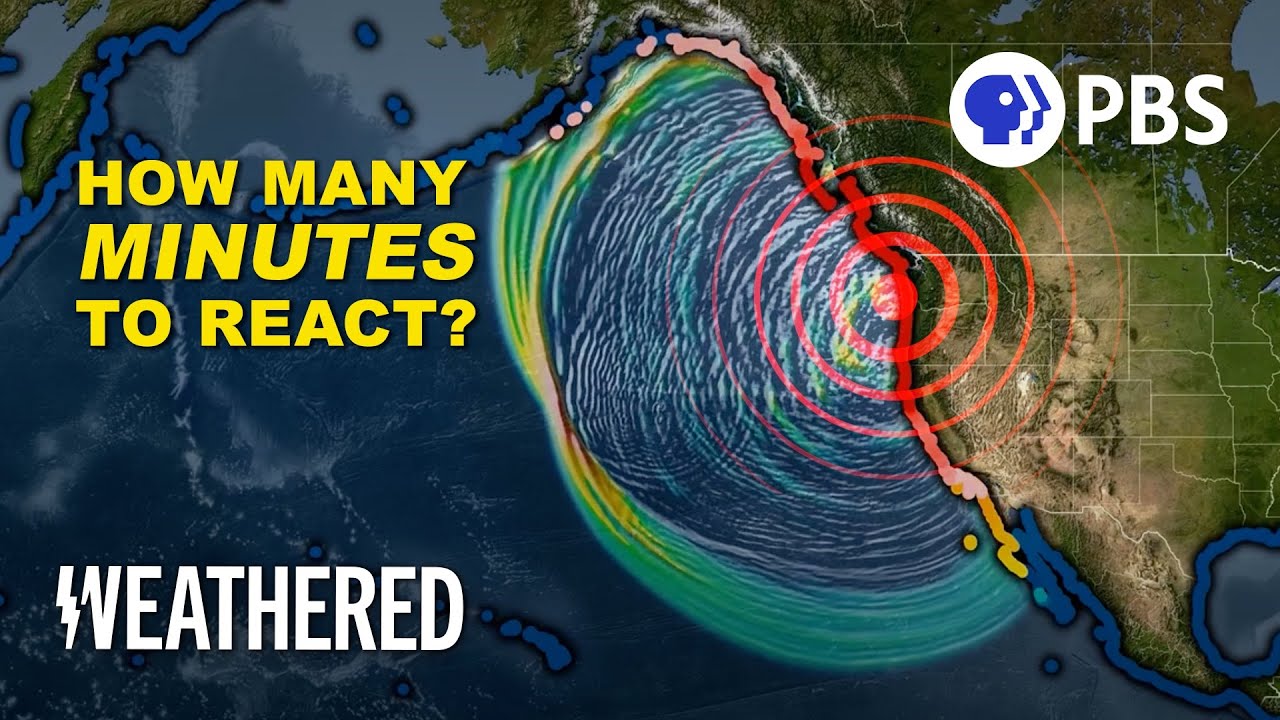
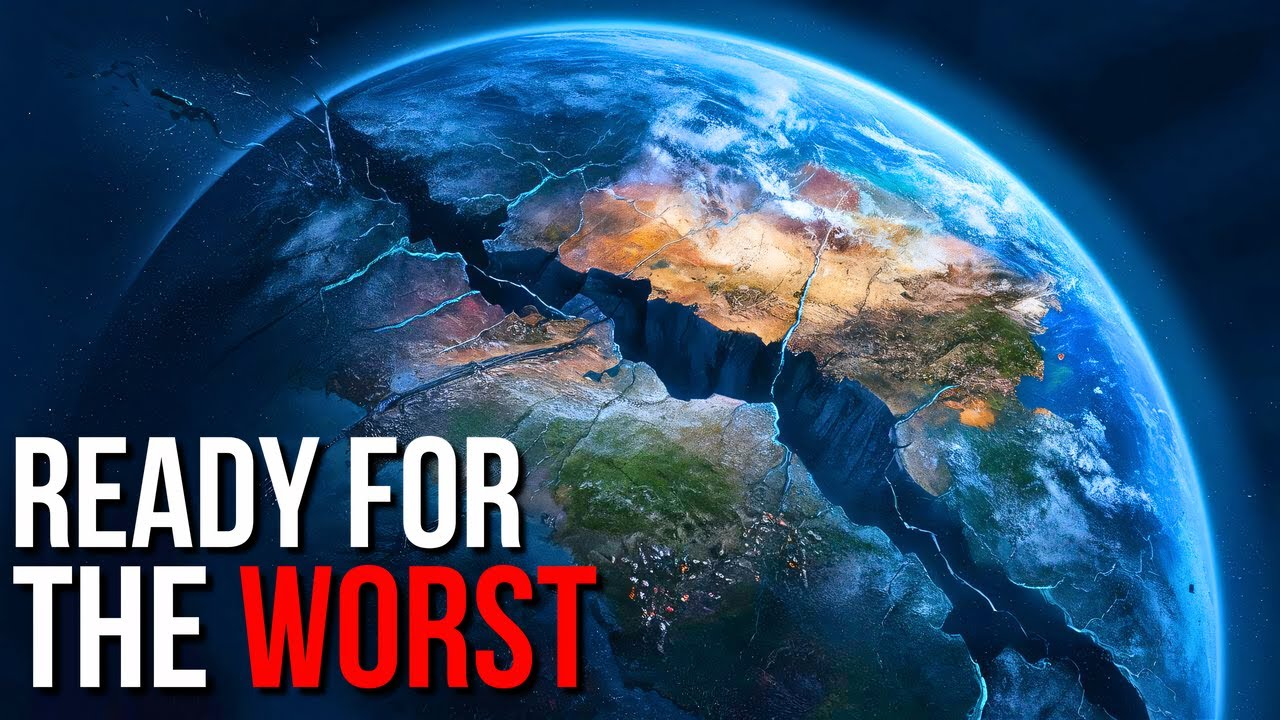
This looming danger will continue to threaten the Pacific region, casting a shadow of uncertainty over the lives of those who live along its coastlines. Number 2 : Cascadia Megaquake Event The Cascadia Subduction Zone, stretching from Southern Canada to Northern California, is a geological hotspot with the potential for devastating and powerful seaquakes. This 800-mile-long fault line involves the subduction of the Juan de Fuca Plate beneath the North American Plate, making it a significant threat to the region.
Unlike other fault lines that produce frequent, smaller earthquakes, Cascadia has been eerily silent for years, making it challenging for scientists to detect and predict its behavior. Experts warn that stress is building along the Cascadia Subduction Zone, increasing the likelihood of a megathrust earthquake. The last major event occurred in 1700, and scientists believe that these earthquakes have a recurrence interval of several centuries.
If a significant earthquake were to strike, the consequences would be severe, with widespread ground shaking, tsunamis, aftershocks, and infrastructure damage. Drwing parallels with historical events, experts predict that the southern section of the fault, centered around Northern California, will be the first to rupture. This would result in an earthquake with a magnitude of around 8.
0 or 8. 6 on the Richter scale, significant but not catastrophic. But scientists are curious if the entire Cascadia fault were to rupture in 2024, unleashing a megaquake with a magnitude of 9.
2. The consequences would be staggering. Such an event would be approximately 30 times more powerful than anything the San Andreas Fault could produce, making it the largest earthquake in U.
S. history and the second-largest ever recorded worldwide. Number 1: Meteor Impact A possible meteor impact in the coming months is one of the major threats of natural disasters.
Although it may seem like a distant possibility, the uncertainty of space makes it a significant concern. Currently, there are no known meteors on a collision course with Earth, but that doesn't mean it's impossible. The unpredictability of space has proven itself in the past, with meteors narrowly missing Earth by mere hours.
One such incident saw a meteor explode above Russia, highlighting the potential for devastating consequences. The likelihood of a meteor impact may be low, but the potential destruction it could cause makes it a threat that cannot be ignored. As time goes on, the risk of a meteor impact increases, making it essential to remain vigilant and prepared for the unexpected.
The dinosaur extinction event serves as a stark reminder of the catastrophic consequences of a meteor impact, and it's crucial that we take this threat seriously to avoid a similar fate. Apart from the major disasters discussed, various localized threats loom large. With the staggering number of disasters so far this year, we can't help but wonder what's next.
Natural hazards like earthquakes, tornadoes, wildfires, tsunamis, and hurricanes pose a constant threat, leaving us on edge and questioning our preparedness. Hey, this video ends here! What would you like us to cover next?
Feel free to share your thoughts in the comments below. If you liked this video, then you should check out the one on your screen. This shocking Megaquake will blow your mind!
Thanks for watching. I'll see you soon on the channel.