[Music] is photography an art since its invention critics had argued that it couldn't be compared to painting and drawing because the camera was simply a mechanical means of reproducing reality and now there was the snapshot camera where is the art the critics asked when all you do is press a button the problem for serious photographers at about the turn of the century was that basic photography had become so easy that there was no longer any distinction in being a photographer so that a new system had to be designed that would separate the sheep from the
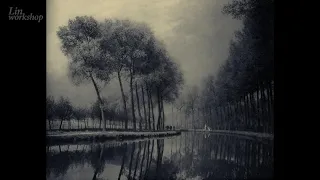
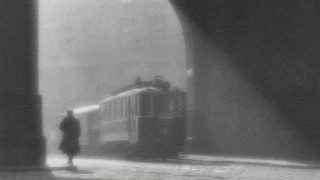
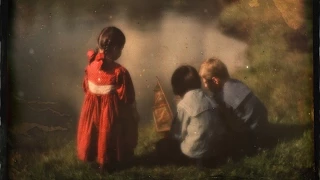
goats in 192 Alfred stiglet started the photo secessionist movement the name meant break away away from what stiglet called commercial trash and artless amateur photography stiglets felt that people should recognize photography as another branch of art just as they recognized etching just as they recognized aquatint just as they recognized the [Music] photography the pictorialists as they became known intervened in the photographic process by smearing vaseline on their lenses or in the dark room afterwards by scr scratching the negative or painting chemicals on their prints to simulate brush Strokes the aim was to make photography a
handmade process like the other Arts the pictorialist photographs looked like art quite literally they looked like paintings they looked like drawings they looked like beautiful Rich prins they were meant to have car skuro they were meant to have Darkness they were meant to have a kind of [Music] sketchiness these pictures do have a very seductive quality which is one of a sort of a dream world it's a kind of place where you don't have to have things exact where you can inter kind of floating existence that is not too unlike music this handson process brought
photography back to the older traditions of handmade art and sort of satisfied that question at least for the moment that photography was made by a machine no it clearly wasn't it needed human intervention in order to really become art [Music] it was 1915 in politics in the Arts and in the world of ideas Revolution was in the air cubism Freudian psychoanalysis Einstein's theory of relativity Jazz with its strange new rhythms was sweeping America even ballet was causing riots everything was changing but in photography the pictorialists were still evoking foggy romantic images of the past one
photographic artist would lead the medium into the Modern Age his name was Paul strand strand had been working in the shadow of stl's teachings for a couple of years years when finally in 1915 he brought in a portfolio of prints to the older man and showed him what he had been doing stiglets looked at the portfolio and said well young man this is that you have created a new and great Modern Art strand realized that the camera had a unique ability to capture shapes and forms simply directly and in sharp Focus the modernist movement he
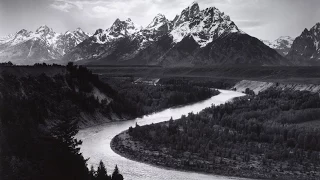
pioneered was called simply straight photography and that aesthetic became the aesthetic of the 20s it meant that you took things the way they were and you did not manipulate them in the dark room the picture was supposed to look the way it looked in your viewfinder the camera was supposed to be clearly focused you were supposed to Face Reality not muck around with it instead of distorting the image or manipulating the print afterwards strand would emphasize the selection and framing of the picture the art would depend on the eye of the [Music] photographer the big
revolution that strand instituted in America was an investigation of abstract form he took the Shadows made by a chair ra on the porch and the table and then once in a while he turned the picture on its side so you really weren't certain what it was he had looked at work by Picasso and picabia and Brock and matis in Saget's Gallery he really knew something about abstraction and he was doing something similar with a camera strand's enthusiasm for Sharp focused realism was shared by a new generation of young photographers Edward Weston imagine Cunningham Walker Evans
as strand put it the camera would now become an instrument of a new kind of vision