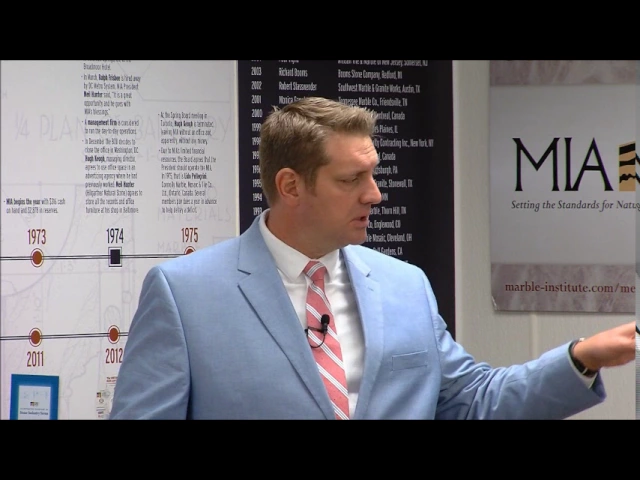
The art of specifying natural stone just a little background on the intent of the course here the mi has numerous courses to give and we saw the popularity of 101 you know being what eighty five percent eighty percent of the course is given and so the idea here was how do we sort of bridge the gap between a number of these different presentations and give in a four methods that's maybe not as intimidating or as technical to present But yet is useful and is really practical for a designer who's trying to specify with stone so
that's the that was the the basis for coming up with with this course and hopefully we can achieve that through it so so my contact information in conjunction with the mi a party see you hitting that program again our speaker certification this is important to make sure we've got our certification so that the audience understands that the mi knows you're Doing this and knows you're qualified to do so course numbers I always make sure at this point if I haven't already I first thing I bring up is sign in on the sheet make sure you
notify give us your your numbers your ID CCC AIA numbers what have you so that we can properly register for you and then please fill out that evaluation form get that evaluation form out early when I don't it's a scramble at the end so very important all right so the basic of the Basis of the course here basically we're trying to give architects and designers an overview of the how to specify natural stone properly so everything from you know we're going to choose the right material for the right application what do we need to know
about that material its color its variation how its quarried how can we finish it and what factors are going to affect the price you know as we go about designing this but you this project and then what Resources are available to us and to the designer to help us achieve this goal so our objectives here the first one we want to discuss the responsibilities and liabilities of each pillar and the typical construction project secondly reviewer use resources to find more information about natural stone standards thirdly learn how to plan for the longevity of an installation
by specifying appropriate materials and then finally evaluate factors specific To the price of different materials finishes and methods so we'll start with our first module responsibilities and liabilities of each member in the construction process so it should be very clear upfront that each party has varying responsibilities throughout this process and communication is absolutely critical particularly in the early going on a project so that we can all achieve the goals that we're after so everybody is working ultimately for one goal we Want a product that satisfies the end user and within that process each of the
different groups while they have a common goal sometimes we might have some competing interests within that so it's important to understand how we all fit together in the process so basically the pillars we mentioned the groups that are that are involved here we have a specifier who's the architect of the designer and we'll go through the responsibilities of each one of these Here in detail we have the general contractor as we know is overall overseeing all the construction and coordination we've got them a certain material suppliers who are bringing the products to us generally furnishing
them to the installing contractor and then of course we have the owner at the end user who's going to be using the building for its for its intended function so talk about all these responsibilities are interlaced first and foremost we have Our design professionals the primary responsibility of the design professional is they got to make a material selection it's up to them ultimately to make a decision based on aesthetics but also on performance criteria that are going to allow it to be a good in long living project and they need to do this through through
not only obtaining visual samples and making sure that aesthetically we've covered also any sort of testing that might be Required to back up that the product is appropriate so if I'm going to hang travertine on an exterior wall in a cladding mechanically anchored cladding format I better make sure that as the architect I'm requiring in the specifications that ASTM C 880 for example is included so that we are all getting that full information that we need so that's it they're they're going to put this thing in the plans and specs and send it out to
the world to go to The GCS and they sent it out to their subcontractor world we want to make sure that that spec has all the information in it that is going to be necessary to get a proper and responsive bid material suppliers it's up to the material supplier to be able to obtain material that meets or exceeds the parameters outlined in the specifications and any related documents that are required any specimens any samples and in most cases in many cases the testing data that's Needed to substantiate it now one thing I want to be
clear on the testing I think it's important that we understand that most suppliers can can acquire some basic testing data it's not it's not realistic to expect that a supplier is going to have the full litany of the six or seven key ASTM test that you might want you know if it's a high profile job so often is asbestos specifier you want to be sure that you're if you're looking for the full litany of those ASTM tests That you have that in the specification so that the cost of them which are exorbitant or high I
should say the cost is covered in the job so if it's some basic stuff what's my density you know with some basic I might have some basic flexural historical testing on it that's not unreasonable to require the supplier asking them that they've run the full litany you know wet and dry samples for example through all of the five or six tests is Is something that it's got to be specified on a project specific basis the installing contractor all right the primary role the contractor of course is that they they're providing the skilled labor that can
actually install this product and manner that's been prescribed and so it's up to that individual or company to acquire the proper labor understand the setting methods and mechanisms that are available to them and that they can in Fact adhere to the project specification and in the owner end-user they also have a they play a critical role in the success of the project they need to provide realistic information about the project requirements so that we understand what you're really truly trying to achieve that's going to help the designer and the architects come up with the proper
product and on down the line they also have to understand it at some point the project is actually going To be complete turned over and then it's up to them to maintain the project so their maintenance programs are critical to this entire process so we got to understand what they're what they intend to do for a maintance perspective they need to understand what's required of them from a maintenance perspective and again all that needs to get wrapped up early on in the design so that we're we're not putting the wrong product down so that this
would be a long-lasting and Beautiful project all right so we've broken this class into these five modules we'll be talking about the resources that are available in specifying a product so if I'm an architect there are certain resources out there I can go refer to or if you're assisting an architect their resources you can refer to to help in this process then as far as the products that we're specifying we've got these four targets we want to try to hit we want to make Sure that the that it's admirable that the product is suitable that
it's available and that it's that it's affordable and we'll go through each one of these here module one our resources it's it's vital as we're going to specify material stone products that we are using the resources that are available to us so in talking about resources we'll talk first about standards organizations so these are organizations that actually Have generated standards that the industry needs to work to and meet we use the ASTM test methods and specifications of guides often and regularly in the stone industry that's where all of our testing information comes from be it
our our flexural z8 ATR c 97 density tests compressive tests what have you so they've set the the parameters the guidelines there on how those tests are to be performed on each and every material and so we adhere to That and get our data from that we can make well-informed decisions from there ansi standards and specifications and within them their organization as well cen as european standards and the icc manotaur building codes adopted in the u.s. so this is basically these are the standard we've got a we've got to meet these things in order to
be successful I talked about the ASTM testing there but basically these are the primary tests that we're going to utilize in selecting A material so I we need to understand the absorption and density of the product so that's achieved through ASTM C 97 and what does that help us understand it it's going to help us with our stain resistance how much absorption does this material have and is it going to be appropriate for use in in a cold wet environment particularly important where we get into lots of freeze-thaw cycles a place like Denver it runs
you know over 100 freeze-thaw cycles in a Year if I've got a highly absorbent material that's going to be subjected to those free sauce-like freeze thaw cycles I need to be I knew it I need to have that information I need to understand whether it's going to be a problem and there's freeze thaw testing to go beyond this here but the absorption and density gives us some indication initially compressive strength see 170 this is important if I'm going to if I'm going to use a if I'm stacking a wall as Opposed to using mechanical anchors
how much compressive strength is material actually have can I load it into what extent can I load each course moving up that bottom course got it withstand the weight from the very tip-top so it's important it's also critical if I'm going to use stone as an exterior paving product so if I'm it's just if it's just pedestrian traffic it's generally not going to be much of a concern our stip achill thicknesses are Probably going to be just fine but if we get out into vehicular areas where we're going to have lots of vehicles we have
fire trucks garbage trucks what-have-you we need to make sure we understand what the compressive strength is and that we've designed the thickness that material and the setting mechanism and setting method in a suitable way so that we know with that crushed resistance is going to be there for us c99 modulus of rupture and c-- 880 Sort of giving us the same thing modulus of rupture is somewhat outdated at this point was based on testing brick c8 80 is what i've always used in the past for determining flexural strength it's a little more realistic you actually
test the thickness of the material you're going to use so if it's cladding it's really more it's more relevant to what we're actually trying to do plus it's a bits not point loaded as the modulus of rupture is we're actually using two Points so it more closely simulates the condition of a piece of stone being clipped top and bottom and the wind resistance that it needs to withstand so that that those are those are sort of the the primary structural tests that we can do to give us a good idea that we're on the right
path and if one of these doesn't make sense then we know we're not on the right path the ASTM in the back of the the index relay of the dsdm has the minimums for each material type With these tests and that's I refer that off and it's a great resource so if we if we've tested a material in the sea AAT isn't hitting the minimum recommendation at the MIAA is thrown out there then we need to look at a different material moving on it there's these are less structural and these are more performance related ASTM
tests here the C 241 is our brazen resistant this is really going to tell us whether or not it's got any sort of ability Withstand scratching I'm not going to put a marble or a limestone down on a large commercial project floor that isn't hitting our minimum requirements for the C 241 because it's going to be a mess after you know just a few weeks of the mall being open it will be scratched and torn up so that's important that we've done that homework also in that same regard the D copper the dynamic event coefficient
of friction testing is critical it's a little bit in limbo with The sound industry right now hopefully over the next few months we'll be able to to see an adoption of the new stone of the new tile test that they're doing I know there's a lot of work being done on that but it's still something we have to consider the slip resistance we've got to meet the coefficient of friction so people aren't slipping it's a liability issue right we have somebody slipping on a floor we didn't do our homework we didn't put a home finish
Where we should have that it's important that we've done that homework and then finally we've got petrographic and mineralogical analysis which we don't see very often I've only utilized it once and it was to solve a very particular problem but that is available to us where they can we can take that stone and slice it really thin and analyze it under microscope and really come up with mineralogy of that material and that helps us better understand Whether it's going to be appropriate or not okay so those are the industry standard organizations moving now into industry
associations there are a number of them and they're all here to help support us in our efforts both in design and in the application so am ia marbles of America is one BS is another NTC ATC a national building Granite Quarry associations all these have been created and have guidelines that help us the team the pillar achieve a successful Project we're going to get specific into the industry associations but among the resources available to designers is the material supplier itself or the quarry itself generally speaking the quarry or the supplier is going to have access
to the most comprehensive set of specs they might have historical test data they've got the anecdotal information they've got the historical information on the performance of material and so that's really that's that's a fantastic Resource it's utilizing the supplier in that regard it's important to note that some construction materials on the market they're proprietary so you know there's only a single manufacturer supplier so understanding that's important so you can you can utilize the correct resource in that regard so getting more into the some of the industry associations and what they offer designers and architects in
aiding with their design m.i.a The primary publication is a dimensional stone design manual which is the Bible as I call it it's really the sort of a leading industry standard out there for for not only designing but you know but basically trying to avoid issues down the road and it's quite comprehensive and I reference it often there are specific subject manuals and video safety business management documents etc they're technical bulletins that will come out from time to time as issues Come up or as new findings are revealed their iPad apps that are available I have
one of my iPad I use it all the time it's got all the latest publications got the dsdm on it there's for example the North American stone app there are certain queries that have that are participating in that and you can identify where those quarries are located if you have for example a project it's a lead driven and you need to find a quarry that's that's local and Regional and then you've got the mi a membership directory with accredited companies so it's always it's always a good resource you can reach out to those companies they're
always more than willing to help in this process because at the end of the day that as we said early on earlier we have people involved in the process that the smooth more smoothly it's going to move forward TCA it's got a fantastic handbook for ceramic glass and stone tile Installation I refer to this one often as well it's respected as an industry consensus document it's got very specific detailing if you're not aware that manual it's something you should have so it talks about you know some of the nuances in dealing with stone tile as
opposed to ceramic and if I don't know what the setting method is I want to use for a shower wall for example it has that detailed forest and there's your detail to utilize in your in your Drawings and specifications NtcA is along the same lines and they cover multiple aspects of thailand story installation substrate preparation all the way up through to to grouting they have their NTC a reference manual as well so it's find having all of these available to me is is very important and very useful your a grating specific example of this is
you know lighting you know if I'm going to wall wash a a wall that's clad in stone well none of these Are going to tell you it's a great idea and so it's just an example of where that that specific topic is addressed and these references are there to help to help us avoid the the train wreck at the end of it at the end of the tunnel so also if you're if as most of us are involved in a green project a LEED project sustainability issues just in general there's some great resources we've got
our course the natural stone green design CEU presentation it's That's a nice resource on how stone fits into this lead 4.0 you know stone fits into a number of the material and resource requirements and/or air quality so on and so forth and then there's the new stand of the NSC 373 sustainability standard which is something as that continues to grow legs over the next few years that's something that you know you might consider you know it's something that you include in your specifications is using companies who are adhering to That standard so great resources for
green the recap then for module one here's well I'll go through and I'll ask these questions of the audience and get their responses back and then hopefully they're they're able to answer those questions and if not if we can redress whatever maybe got missed at that point in time so that is module one all right module two moving into the stone itself we talked about we want the material Selection to be admirable now what I mean by that is we want it's if something's admirable it's something everybody can look at and be proud of and
that's really that's one of the goals in our in selecting the proper material obviously key in admiralty is the aesthetics alright first and foremost as an architect designer we're looking at the aesthetics we're looking for we're designing beautiful spaces and so it's vital at in the early on initial Selection material selections in the project that we are that we are sticking to a few important steps the first one is we want to make sure that we're working from current samples I know every architectural firm has got a library and in that library you've got a
number of different materials from any number of suppliers and it's it's important that we resist the temptation in the eleventh hour to run to that shelf and grab a needle white marble and They go grab something off the shelf that may be quite dated maybe it's it's six seven eight years old and it isn't necessarily indicative of what's coming out of the quarry at this particular time in worst case it could maybe it's a product that's no longer being quarried so it's important that we're working from current samples and the way that we can ensure
we're working with current samples is we want to partner early on with a knowledgeable firm or individual Who can help control this process early on from that initial sampling to the final piece on the saw and so I can't stress enough how important it is that that you're using partners who understand this and that could be it could be the quarry directly it could be a material supplier it could be an individual consultant that's really up to you and the budgets that you have available to you so that's that's a vital thing Also in making
it an admirable selection and project we need to consider the range of the material we're talking about range we're talking about the color and tone of the material we're talking about variegation in the veining and then the different the different qualities and characteristics of the material we're talking about we might have a quartz vein driving a mud vein running through the material we might have inclusions fossils and then we have Pits and fissures all these things are a part of the stone there isn't much we can do about that it's it's a it's an 8
all we can try to do is is we can try to control those to a certain extent but the point of this slide is we want to be reasonable in that selection because if we try to control it too much what we end up doing is we add unnecessary complexity and cost to the project if we are trying to control it too tightly the waste factor goes up we're cutting Through more material than is maybe necessary or is responsible and can add schedule you know the more I the fabricator has to cut through or the
more block the quarry has to pull to get to that pits specific range you know the longer the lead time and the higher the cost one thing to think about is well depending on the nature of your project the size the scope the scale do we want to do we want to specify a range sample at the quarry or the factory as opposed To just using range samples to to approve our material so the typical submittal process of course we all understand we're going to submit samples and everybody's going to look at it approve it
reject it whatever that process you know becomes but sometimes it's more conducive to go to the factory or to the quarry to actually view slabs to view a mock-up or whatever the case may be this is generally for larger scale projects it's something you're Going to have them write into the spec because they are expensive but at the end of the day that that expense on a larger project is is small in comparison to the challenges that can result if we're not getting what we want so the the range reviews are fantastic but again write
them into the spec make sure you have identified who is responsible for which costs and all in all they're very very good and very successful if we are using Rain samples we need to make sure that as a supplier for example I'm getting the full range that we can expect and so that we don't have any surprises as we start on creating finished material so one thing we can help help - if we're going to stick with the rain sample process is we can get photos of current product current slabs current block to help us
feel good that the that the quarry in the factory understand the requirements that we do we have their Production photos are another great a great resource to make sure that we're we're staying in line within the range we've all agreed to we also want to make sure that we're specifying appropriate qualifications for installers and the appropriate installation methods the MIAA for example has accredited installers and fabricators now so that's that's a that's a program that these these companies have bought into they have gone through the necessary steps to Get accredited the MIAA has vetted them
out and they have vouched for them and you're getting the quality installers and fabricators through those companies that's something to consider so that we're not you know in a scenario where you know maybe we've got a tile guy bidding a bunch of scrub up to a bunch of exterior cladding who doesn't understand that system at all so it's important that you know we're setting the proper expectation in that that's Driven through the specifications CTF the ceramic tile industry has their accreditation x' as well and NTC a five store and the care and maintenance objectives as
well it's important that that spelled out you know early on it in the in the specifications as well so that it is in fact admirable we also want to we want to make sure we're planning for performance we need to consider the longevity of the material that we're Using is it is it going to stand up overtime is this a hundred year building is that a fifty year building is it a mall is it a train station whatever it may be we need to understand the longevity requirements if it's a cladding application we got to
make sure it's something that's going to hold up over time stain resistant slip resistance durability of the finish all important in making this decision again these tie back to our tools are ASTM Test data that are going to help us understand these and we got to look at the sealers as sealants and accessories as well that we're using to install these products are they suitable are they up to snuff do we have buy-in from from those manufacturers that we're using the right products are we interested in it I think most of us are but does
or is it a city spec where they are actually requiring that it's designed to lead standards and if so are We keeping that in mind so there's a sustainability goal for the job we need to make sure we're following falling in line with that so if it's a local regional project we want to make sure that we're finding material within that 500 mile radius it's going to be appropriate not just close but appropriate just because it's within the within the radius doesn't mean it's the right product we want to make sure we're it's the appropriate
product material Use in yield is important consideration it's not really in the spirit of sustainability if for example we've got a really tight range and we're blowing the waste up at the quarry we're going to 60 70 percent waste that that isn't really in line with sustainability do we have the opportunity to use any reclaimed material we've seen that in the past where we've been able to take some cladding for example from the exterior of a building that was being Renovated and then you know reuse it as a toilet partition or as a countertop or
something else on the project and then important than all these sustainability objectives is the long lifecycle and that's a great thing with with stone is you're going to get a long life cycle as compared to mostly other building products so that's a good thing with stone we're already we're already doing well with that one just by the nature of the Product so module 2 Admiralty so we'll go through these questions here again make sure that the audience is following along and understanding what we're we're after here okay now let's talk about the suitability here in
module 2 if you've had stone 101 you you've seen this chart this is a sort of classic classification of stones and formation of stones and I like to show this again just to reiterate and reinforce eyes that these Traits it's makeup calcareous or siliceous and its formation are critical in how we're going to use the material so this is really the starting point if we know we want a limestone will automatically know its calcareous and we know its sedimentary so we need to make sure that we're using it in a format that isn't going to
cause us issues down the road we know the calcareous the calcium carbonate in those products or in this natural materials are going to React to acids or certain things so right off the bat we know well maybe that's not the right material for what we're trying to do here in a water fountain outside maybe we need to look down at the opposite corner of this matrix and go straight to our Granite's are our basalts so really great starting point in choosing material as we're considering how we're going to use it I mean there's obviously a
lot of Different ways to use the stone outside cladding veneer hardscape landscapes monuments water features pools right and each one of these is going to have a different requirement for the particular material we're going to use interior very similar we might see a little more use of spas showers which we're going to are going to in wet areas in general are going to are going to raise a few more questions that we need to make sure we're going through so Running through these is it suitable there's a number of number of things we need to
consider if for example we're going outside with the product we're going to hang it on a building it's got to be resistant to weathering and decay so rain snow and hail all have an effect on the material freeze-thaw cycles how many cycles is this material to be subjected to and is it porous enough that it's going to become an issue high temperature Variations you know is that going to have an impact on this particular material and in pollutants keeping in mind we got you know with the machines we use every day we got carbon dioxide
sulfates acid rains if you're if it's a cold environment we have deicing salts how is that going to affect the material so it's important that we understand the chemistry of those materials and how these things are going to affect that often historical anecdotal information Will is the best when it comes to this sort of this sort of thing I'm going to use a material that I know has been successfully used in a like environment talk a little bit about the traffic volume for using it on the ground or in the flooring application it's important that
we understand the that there is an abrasive hardness required and so I'm not going to use a marble that only tests out in the hardness with abrasive hardness of 6.0 in a mall it's just not Appropriate it's it's too soft so really that's what the abrasive hardness is measurement is how hard is this material and so we've got the minimums here that we need to make sure we're understanding as we as we select that product so if it's just a in the entryway of a residence you know I can I can be down at a
minimum of six and that's going to leave me of the wide range of materials I can select from but if I'm going to be moderate traffic and we haven't Residence or entries or small commercial we need to bump that to a seven if it's heavy traffic Airport small floors things like that we really need to be up above a ten and this that's a that's an example of where we've got you know commercial heavy commercial we got fifty or more people per minute traveling across the surface here so in that environment you know maybe I
love a purist on pure base really dense stuff but three eighths and a heavy traffic May not be appropriate we got to make sure we're to 3 cm on that is a minimum because down the road it's got to stand up or not you know we talked about lifecycle material itself it contributes you that but the design also does so appropriate thickness we'll increase that lifecycle and all that's you know these empties are all great topics that are covered in the in the mih dsdm that's a great reference that way a couple of other areas
we need To think about in terms of the abrasive hardness of word if we're in high high volume areas at stairways elevator lobbies where there's a high concentration of traffic we need to look at an H a minimum of 12 exterior paving 12 so just making sure we understand those requirements and minimums so that we're not getting ourselves in trouble all right gotta go into each of the species here real quick on what it what is or what isn't appropriate generally Speaking with the siliceous stones or Granite's you know there you can just about use
a granite anywhere by and large I mean there's some with a lot of movement in them that may or may not be may not be as appropriate you know some of these Granite's are coming with resident mesh on the back up and from the factories it just helps their process well that's something we got to keep in mind is if that's going to be the case for that particular granite Maybe it's not the best lobby flooring material because I don't want to have to deal with that resident mesh basalts generally well-suited for most applications in
or out same thing with sand stones some exceptions you know we got to look at sandstone in a different light if we're going to try to mechanically anchor it you know do we need to do a dowel system instead of a curve system again ASTM testing is going to help us understand That that might be great a great time to do a curve test to see if we're for within our within our allowable tolerances their slates quartzite serpentine soap stones you've got to be careful using those outside we just have to make sure we're doing
our homework some are going to be much more susceptible to those freeze-thaw they're not going to they're not going to hold up generally inside most of those products are going to be good again how Much foot traffic and have we do we have we've done the testing on those to make sure we're we're picking the right product for our countertop so let's just stone countertops quartz sites and sub zones they're really quite good for for our countertop applications and of course you know granite we know that those are those are going to be suitable for
that countertop environment as well moving into the calcareous stones limestone's and travertine x' we're Going to use them outside well there are certain varieties of lime stones and travertine depending on the application that are going to be appropriate if I'm going on the ground outside I probably am just going to shy away from either one of those as much as I can and if I'm if I insist insistent on using it it's been done but there are its limited the number of materials that are appropriate or limited and we have to make sure we're going
through this through this Proper selection process so that we're not putting a medium to low density limestone down in a you know in a horizontal application outside they won't hold up interior again it's doing the homework most of these are going to be fine but am I going to put Indiana limestone a lobby floor probably not just isn't quite as hard as we would like it to be will it hold up yes are you going to have wear marks in it after time yes and is that what you want is an End-user probably not so
and then again countertops if we're going to use calcareous stones and countertops we've got to set that expectation early on it might be fine for a vanity it might be fine for a transaction top it might be fine for you know the valet but it may not be ideal at the bar because we just know it's going to get it's going to be etched inevitably so all right marbles exterior use we've got to be very very very careful there really aren't very Many that that I would say I'm comfortable with again this is let's get
with the quarry let's get with the suppliers and make sure that if we think we're going to use it that we're using the right one all in all I general rule marbles keep it inside and most of them are going to be good for vertical or horizontal applications I think the key with the marble is we've got to ask ourselves is it an a B C or D and soundness and if it's the season DS And the factory is requiring the resident mesh reinforcing on the back let's make sure we've asked that question early on
so that none of us are surprised after the bid when when we find out that the Staller didn't have epoxy thinset in his number and then we're battling that so it's just important to know if we're what we're what the classification of the marble is so that we are prepared and we're specifying the appropriate setting Method again same thing with with the marble countertops just depends on the application we just got it really be careful in food prep areas and if we are going to use a cow carrier stone be it granite or excuse me
beet limestone or marble in a countertop where it's going to be we're in a food prep area we're going to make sure we hone that or at least recommend that you hone it because at least that helps to can to conceal the appearance of etching which is Inevitable color is it appropriate in terms of its color some light color materials will show more dirt it might stain more easily so a lighter colored limestone in you know in a heavily polluted city it's going to get dirty there's no question about it even and not heavily it's
right on the traffic road you're just going to have that that pollutants are going to show up on there some light colored materials are subject to staining from Setting materials and sealants so we're going to make sure we're using white thinset on these light-colored materials so we don't have any any of that any of that stain coming through the backside and it's generally a good rule to perform stain testing on all these materials we always suggest even if it's a cladding system in your men your caulking the joints we want to have that testing done
to make sure that the caulking isn't staining the material so Doing our homework early on another thing to consider is for if we're doing this the pool areas exterior what's the albedo and the heat resistance of the material a granite on a pool deck is going to get really hot and whereas if we get a light-colored limestone or a light-colored travertine that we've done all the other homework on it know it's appropriate for this use those aren't going to be as they're not going to retain as much heat So the bare feet aren't going to
going to suffer as much so again its function over over fashion as they say in this particular case the finish is it suitable all right vertical work there's not many limitations you know we can pretty much put whatever type of finish on there we want polish may lose its luster over time heavy textures you know they're going to collect a little more dirt and might be a little bit more difficult to maintain but again that Comes down to the maintenance product process and we pick the right material and is our maintenance program that we've put
in place appropriate horizontal work basically our exterior use is limited texture finish we're using texture finish and next year application to maximize our slip resistance so be a thermal sandblasted Bush hammered some of the more interesting hand finishes fine adds some of those things that's the primary Intent is we don't want people slipping we want to avoid that liability at the same time we don't want it to be too aggressive because then we're now we're causing a tripping hazard so there's a little bit of a dance there but good to get the samples early on
in the finish you're hoping to utilize and that way we can say we've done our homework interior really you know polished or honed is going to be best going back to the trip hazard you know you flaming bush Hammering it may be a little too much interior we have to make sure though on the if we're using these smoother finishes that we have some idea of what that slip resistance is honed most of the time is going to give you a higher resistance then then we'll a polish finish so it's it's a better in my
opinion to put a home finish down plus you're going to eventually wear tracks into a Polish fitness anyways so hone it you're helping your slip resistance and Over time you're keeping that finish as consistent as you can textured finishes inside on the floor we got to we got to be cognizant of they do create something of a maze issue as we put those textured finishes on you've got the peaks and valleys you've opened up some pores so there's a lot more areas for third thirty mop water foot traffic what have you the dirt will collect
on those and it will tend to show and it's a more of a task To maintain those and in a light colored stone I there's a point where you no matter how much you clean it it's it's just there it's deep in the pores so alright so those are the finishes we'll talk a little bit about suitable substrate setting materials and accessories we've got to think about our backup systems make sure that we're doing our homework on that stainless steel extruded aluminum we want to use non standing correct non corrosive Materials if we get four
mechanically increment own copper wire not appropriate exterior if we do use it make sure we're doing our homework on that this is where your engineering your your qualified installers come in where they can design a system that's appropriate for what you're trying to achieve and get the engineering calculations on the backend to justify it structural layers you know stone we Might need to or ceramic only requires one setting beds that we're getting are adequate compressive and flexural strength we could take in the deflection in the mind if we design or stair treads so that we
get that L over 720 minimum that we require you know in stone we getting appropriate drainage we didn't have water standing on the stone which is not good for for for liability purposes but also it's it's we don't need to the effect that water has just Standing on stone over time always considering our expansion and control joints I know we don't like to see them because they tend to break up the patterns but if you don't if you don't employ those properly you're going to have cracking and then thinking of code requirements based on the
application so if we're going to use an adhered veneer for example we've got an allowable height we have two that we have to make sure we're staying under and then Maximum piece size you know there's basically the 10 pounds a square foot maximum size of seven or 20 square inches so making sure we understand that so we're not designing beyond what is code driven sealants seals flashings gaskets making sure all these things are suitable we've done our homework that we've got the right sealer if it's a LEED issue we wanted to make sure it's that
the I indoor air quality is appropriate we're Using a water-based sealer as opposed to a silicone based important remember with sealers they don't make things waterproof or stain proof it makes them water resistant and stain resistant so just an important distinction so we don't expect more than what they are intended to achieve for us so module recap model 3 recap again go through these questions here and allow us to move on to the next module 4 which is is the product available we want to Consider availability so this it's important as we're selecting material that
we're asking of the supplier or the quarry whichever we're working with that well can you actually produce this material in the sizes and the finishes we need within the time frame that we're going to need it and I've run into this in the past where maybe not it might be a great material it might be real close to the job and meet our lead requirements but it's going to take them Four times as long to quarry and fabricate and ship it as we actually can as we actually need for our project so it's important that
we're asking those questions can it produce adequate yields is there enough of it is a winter quarry and if so do they shut it down either they do does that mean they have a set-aside appropriate reserves so that they can continue fabricating throughout the winter or is it a factory where they don't have the ability to fabricate Through the winter so all things that are important to realize if we as we design with it stuff but we're always on the critical path as the stone as the stone suppliers our installers so these things really affected
there's also maybe some recent impacts from Mother Nature you know we had a earthquakes in China that affected certain quarries last year the flooding in Carrara put everybody behind they simply couldn't do their couldn't do Their work and then there's the always the the ever exciting holiday and maintenance shutdown so Italy shut their shut down now is August so they go away for a little while and then there's always a mad rat mad rush and - before that shutdown they're trying to get as much out of the can and then there's trying to get all
ramped up again so cutting around those times is important to realize China and their and their New Year you know early in the year has the Same impact so making sure that we are aware of that and if it's has to be fabricated during that window maybe we need to select a different product any risk of the quarry running shot dry we saw that happen on a same maximum limestone quarry in France beautiful stuff but the last job that company I worked for at the time did well that was the last job anyway anybody's going
to do because they ran out of it we do run it sometimes to government subject Government closing quarries Indian Kazmir there's a number of them that they found some impropriety is there but the quarries and they shut them down and they're still not open Chinese Nona pearl another one the government over there has controlled the production of the quarry limiting limiting it stopping it all together what have you so things you don't necessarily think of when we think about all the other things with stone but they're critical in our Selection of the material have we
selected the grade in the range again that's appropriate if I really love cream are fill ivory boys beautiful but if it's a big job it takes forever to find that selection Tundra gray is another example we shift some gray taupe gray to beige or to blue are we are we getting the right selection is there enough of that selection some of the wood veins again we're really trying to control that the Range on it some things are just innate we can't we can't control them so is it available in the finish or in the range
that we want and how can we loosen those requirements enough to make it work for the project in limited sizes can I get the product in the bull of the blocks big enough to do what I'm trying to achieve with it that may or may not be basalt in and of itself it's limited as it comes out of the earth so I can't do large-format Pavers in with that are the modules restrictive all right standard versus custom tile modules we could consider that can we work with a 12 by 12 or do we need to
really work with a nominal 11 7 H by 11 7/8 to account for the grout joint it's important to know that early on and make sure we're clear on that because it affects cost and it can't affect lead time is the material in high-demand Calcutta gold is a great example it's Stuff just flying off the off the mountain there which makes it challenging for a job that's a year out for if I'm giving you samples of a Calcutta gold for example the quarry is how they can't really guarantee that for a year from now when
you actually start having them quarry for the job so market demand definitely plays in a great example of where Range review might make a lot more sense than trying to sample does the player have consistent reliable Access to the material we talked about the winter quarries block yards we're seeing a lot nowadays especially with with China they're cutting stone that originates from a different country altogether and so if we're going to go that route do they have access to enough of that material in the range that we want and it's just it's important that we're
understanding that so we don't get in it get ourselves in trouble is the factory big enough to produce the volume We need to meet the fabrication schedule and then beyond that can they cut and pack in the sequence we need so if we're doing couple sized countertops on a 30-story building I can't do all the ace the a unit on the 30th floor and being there on the job first doesn't mean oh good so we need to make sure that they have the ability to cut it in the sequence that we need this is a
plier specifically qualified to do the work another great question there are Fabricators out there who are specifically working on tile that is their bread and butter cut and tile Brazil is a great example where they are predominantly focused on Grand slaps and they don't really want to change their systems to do cut the size work so if I'm going to use a Brazilian granite for a large cut to size countertop project I better make sure that it's available to me out of China so that we can make sure we're getting It can they do cubic
work you know can they do copings and cornices and hooked corners and those sort of things if we're doing a more classic and bulky application not all of them have that ability and then are they appropriate for the type of material that it is they might tell you they can work with granite or marble but they're really more suited for granted so I don't you know we got to be careful that they're well versed in the medium that we're Trying to work with so there's a recap for module four we run through that module five
affordable affordability we put this in here because it's really critical I can't tell you how many times my heart was broken because a big job they ve the stone for aluminum panels instead of stone cladding and so it's a it's important early on that you know architects and designers you've got a vision and you're sold that vision to your client and it's so it's critical That we control that value engineering process from day one rather than going through all this work designing what we want and love and then seeing it get you know get cut
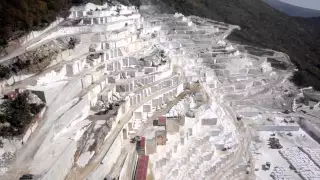
out of the job at the end so we want to try to do that work early on so we've already beed so to speak so we've got to consider the source in terms of affordability you know the yield of the quarry is it a material with a lot of waste well it's Going to drive up our cost what type of technology is the core we have to efficiently extract the stone if they're not up to snuff they're not gonna be able to pull the block out quickly enough so you got a potential schedule issue there
and that's just extends that cost to everybody is the quarry easy to access or do I have to go you know planes trains and automobiles to get to get the product to where I need it is the quarry close to the processing Factory you know so there's that shipping time and at shipping costs if I've got it block and ship it all the way across across Europe to get it to the faculty that I want to cut it as an example well that's just added cost we're adding to the project and then how easy is
it to get to the port well I have to my cutting it in the middle of a country where it has to get on a barge and pull it all the way down to the barge to the Port and then to the port and then on out on the ocean to the to the destination port so all those factors start to add to the cost we can also think about our environmental responsibilities not just cost in terms of dollars but cost in terms of the environment and sometimes for these these quarries to be environmentally responsible
there's a high cost for them to do that but are we using a factory that where Their waste materials are can be utilized they can be utilized as a byproduct they can be used for Road fill Road base they can you know limestone can be used for aggregate fertiliser what-have-you if they have a means of using their waste where they can recoup some of that cost then the overall cost of the material will go down accordingly labor and logistics is the stone difficult to process if it's if it's granted I'm carbonate boy it's a lot
Longer than it is carved limestone I'm going to burn up a whole lot more blades so there's more expense there thickness of the finished product that's going to affect the material required and the shipping cost if I can use a 2 cm thickness for a countertop or a veneer why not instead of 3 cm provided we've done our homework and provided it meets the the other structural and durability requirements that we need but we can drive the cost down with the Thinner product complex products mosaics things like that a much more labor-intensive so your cost
is going to be higher on a unit basis for those and then sometimes unique finishes can be more labor-intensive and may affect the material thickness as well so take those factors in mind early on so we can we want texture we can get the texture we've already done our homework and we've selected the material that's appropriate and we can apply the finish We want on it without having to sacrifice down the road with with getting V eed manufacturing efficiency 60 to 7% yields and fabricating stone slabs so so there's already waste and betted there but
how do we minimize that twelve by twelve tile has less waste than large format tile so again what's what's the what's the sweet spot what's the optimum module is going to help keep that waste down and it's going to help us to to Save as much expense as we can affordability for the end-user down the road care and maintenance you know if I don't want any care and maintenance travertine may not be the right thing for me but maybe a limestone floor isn't correct I need to use something that's that I know is a little
denser and harder and then keeping in mind supply and demand so we go back to the Calcutta example we know that they're hot the price goes up right basic economics so If we can live with a material that isn't in such high demand we're going to automatically be able to save money off the top right there so recap what factors affect the price of stone so would go through that will prove that summary of that discussion right there you