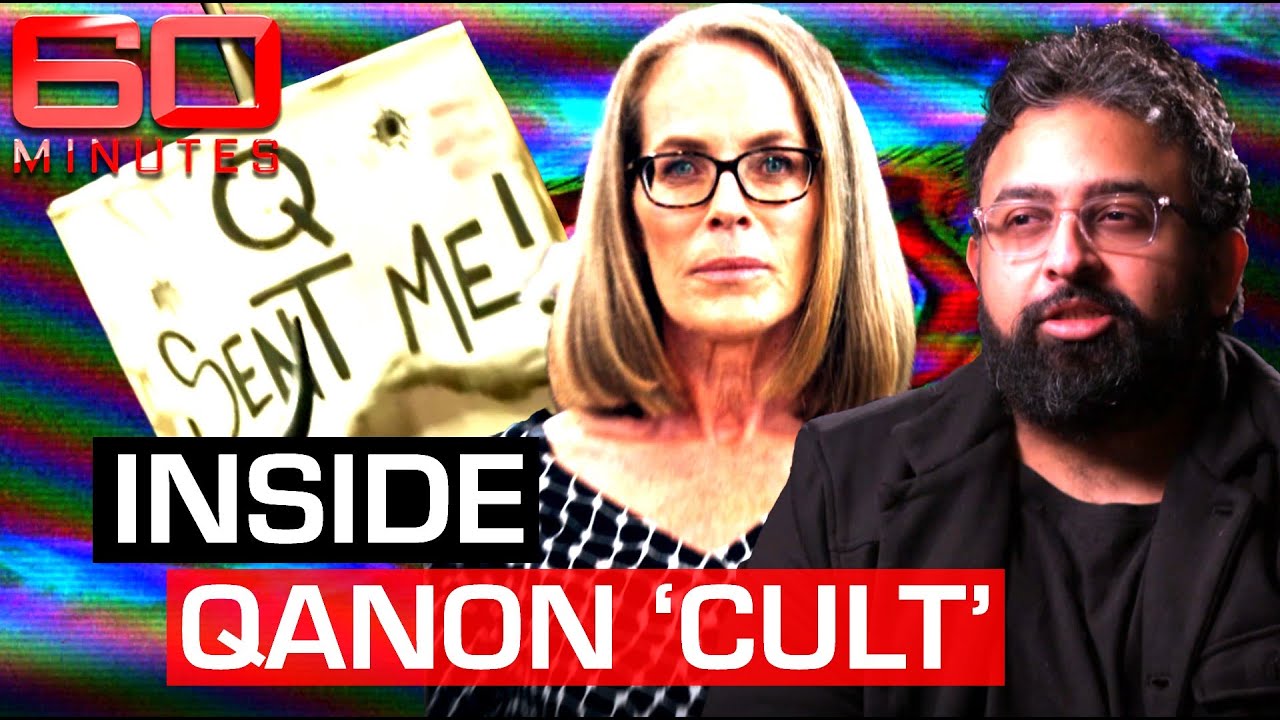
Far and Away the most reliable predictor of whether someone would become a full-fledged q a non-believer or not is [Applause] okay hi everybody thanks for coming back if you've been here before or hi welcome if you're new my name is Mickey I'm a therapist and we talk about therapisty things on this channel today we are talking about Q Anon um this might seem a little out of left field but uh stay with me because I am really excited to talk about this I've done a lot of searching into this topic and I think there's a
lot of interesting stuff to unpack here so generally we're talking about Q Anon um and like conspiracy theories and Cults today so if any of those are sensitive issues or like button pushers for you please be mindful of that the world of Q Anon tends to draw a lot of like MiMi energy but there is like some more serious undertones to this um so please be mindful of your mental health as always I'll put a playlist up here full of like eye bleach Fun Time stuff if you are not in a place for Content like
this that said I'm very excited to dive into this because like I said we are talking about Q Anon specifically as a phenomenon but also a little bit about the psychology behind conspiracy theories and cults um group think and like that kind of a thing um I've gotten a lot of questions about this so uh we're just kind of diving in so generally when we think about Q Anon a lot of people have the question like how does this happen like how does somebody get sucked into something like this because on the surface it seems
like a really strange thing to believe and I get that because again on his face a lot of the ideals are very outlandish and they seem very hard to believe which we're going to get into in a minute but I also wanted to from the top be super clear that dismissing the like Q Anon ideology as like something that only happens to like absolutely Banana Pancakes people on the fringes of society is just simply not true in the searching and the research that I did for this video it came up again and again um that
not only uh does q Anon account for one in five Americans or like one in five people who are q and on Believers but also that that number is continuing to Hold Steady if not continuing to increase which is super [ __ ] alarming so I do want to caution people against doing the thing where we say like no one actually leaves that because like yes the [ __ ] they do and it's becoming more and more pervasive and it's more and more um Insidious in nature so we're going to talk about a lot of
that and like the sort of pipeline that happens for folks but again I just want to be super clear this is not something that is like relegated to like quiet scary corners of the internet uh this is like very much turning into a mainstream issue and something that deserves Frank discussion in my opinion I think it's also worth noting when discussing this phenomenon that a lot of people who ask the question like how does somebody get sucked into being a q Anon believer is more so asking the fundamental question like how does someone get sucked
into a conspiracy theory or a cult generally to be clear by the way I'm not a legend that Q Anon is a cult but there are a lot of similarities there and so it's worth discussing in that realm so just as a caveat but generally the question of like how does this happen to somebody and why would someone be susceptible to a conspiracy theory or a cult-like mindset is a really interesting topic and something that we have a fair amount of research and evidence around the first thing that I wanted to talk about in regards
to this question is actually a podcast that I listened to that I will link in the description where they discussed the sort of gradual escalation of belief in Q Anon ideas this is really important for us to talk about in the realm of like conspiracy theories and Cults generally because it's very much the energy of like how to eat an elephant one bite at a time or like the boiling frog thing this doesn't happen all at once asking someone to swallow whole the ideology of Queen on on its face is like kind of a big
ask and not something that a lot of people will do however there are a lot of people who are susceptible to these smaller more palatable aspects of Q Anon that once you get started on this pipeline those ideas continue to like gradually escalate and become more and more dangerous and uh not based in fact as we continue to move up the thing but it's very much like a pipeline this is why a lot of people describe like the wellness alt-right pipeline because there's usually an entry point for folks that feels less dangerous that feels less
outlandish and that seems to kind of resonate with our own core beliefs or things that we care care about right there are a number of different risk factors that we're going to go over later but I I wanted to to address this because again a lot of the confusion a lot of the reason that people dismiss this ideology is because you know when you look at the thing summed up altogether it seems really difficult to believe because it is to be clear Q anon's not real none of this is based in fact but when we
start with a smaller entry point that's a lot more palatable for folks and that pipeline goes unchecked it's something that sucks people in really really easily and this happens all the time with Colts and conspiracy theories and other like really harmful group think environments where we start with one belief that's really easy to swallow and gradually move up from there until we're all the way at the point where we're um you know storming the capital also to be clear before we move on I'm not at all excusing the actions of people who are involved in
Q Anon I want to make that super clear and obvious I do have a lot of sympathy for folks who are being taken advantage of and folks who are having their weaknesses and susceptibilities to conspiracy theories taken advantage of however the people involved are still very much adults and still responsible for the consequence chances of their actions like that's a very important distinction to make but I think it's also like a yes and like yes these people are very much responsible for their shitty and dangerous and oppressive behavior and there are like a lot of
conflicting factors at play there's a lot of nuance here and there's a lot of like systemic issues also so it's worth holding Nuance in that regard the other thing that I wanted to address in terms of the question of like how does this happen is that we know uh the way that the human brain works and like developmentally that we have an inherent desire for belonging we know this about people this is why we like having friend groups and having family and going to clubs and forming activities this is also reflective of our evolutionary interest
in forming in and out groups it's something that we really struggle to avoid we see this in like really microwaves like clicks in high school and really macro ways like political parties we as human beings have the tendency to not only gravitate towards groups that we resonate with but also to try and form a perceived other this is why topics like white supremacy um homophobia uh like racism like all these things are so um pervasive and dangerous is because it does capitalize on our human desire to be part of the in-group and then to sort
of look down our noses at the proverbial other this is a part of human nature um unfortunately this is oftentimes weaponized to oppress people to hurt people and to do really dangerous and shitty [ __ ] but it's worth noting when we're talking about like why does this happen because again there are a lot of risk factors that we're going to discuss in a moment that perpetuate this need and this desire for being a part of a group and it's a very seductive idea to like worm its way into people's brains and so it's not
just as simple as people choosing to believe something that's shitty it's also capitalizing on this like very human need for connection and belonging on top of that I think there is an interesting part of Q Anon that people don't normally address which is the distrust and Authority piece for those of you who don't know by the way Q Anon is is large and sort of amorphous in a lot of its beliefs but the general takeaway is that the Deep state is controlling all forces in the world there's some kind like secret underground government that's moving
everybody around like little ponds this belief is sort of grounded in what will one day it sounds an awful lot like Revelation for what it's worth but that there will one day be a coming of Truth where the Believers and the non-believers are set aside and the True Believers get to like take their rightful place in society sounds familiar to me but this belief is rooted in like a general distrust for authority and that we can't trust the government especially the proverbial powers that be the issue with this I think is that it kind of
touches on this uh piece of like truth that we know about human communication which is that the most effective lie that we can tell is one that has little bits of Truth in it it's not wrong necessarily to say that there are people in positions of high power that are not trustworthy or people who don't have the best interests of the masses at heart I think especially when we look at things like uh in Q Anon there's a lot of distrust for a big Pharma and I think when we couple that with the reality that
corporate greed has driven up the price of insulin so much so that it's now unattainable to some people and and you know people are dying it's kind of more understandable how someone would get sucked into this because again the reality is that there are people in positions of power who have participated in really shitty and disgusting behaviors Jeffrey Epstein comes to mind and so like that assertion coupled with this conspiracy theory ish environment is really seductive and really dangerous and again I think another reason that we should really not be dismissing this as like something
that we don't need to worry about we don't need to talk about because we very much do like this continuing to take hold in people's lives and their households and their families and it's continuing to cause a lot of damage and harm because it is so Insidious and dangerous in that way I want to talk more specifically about Q Anon and the people who are believers of Q Anon um like the demographic features and all that stuff but before we do that if you're new here hi thanks for coming you should subscribe go down there
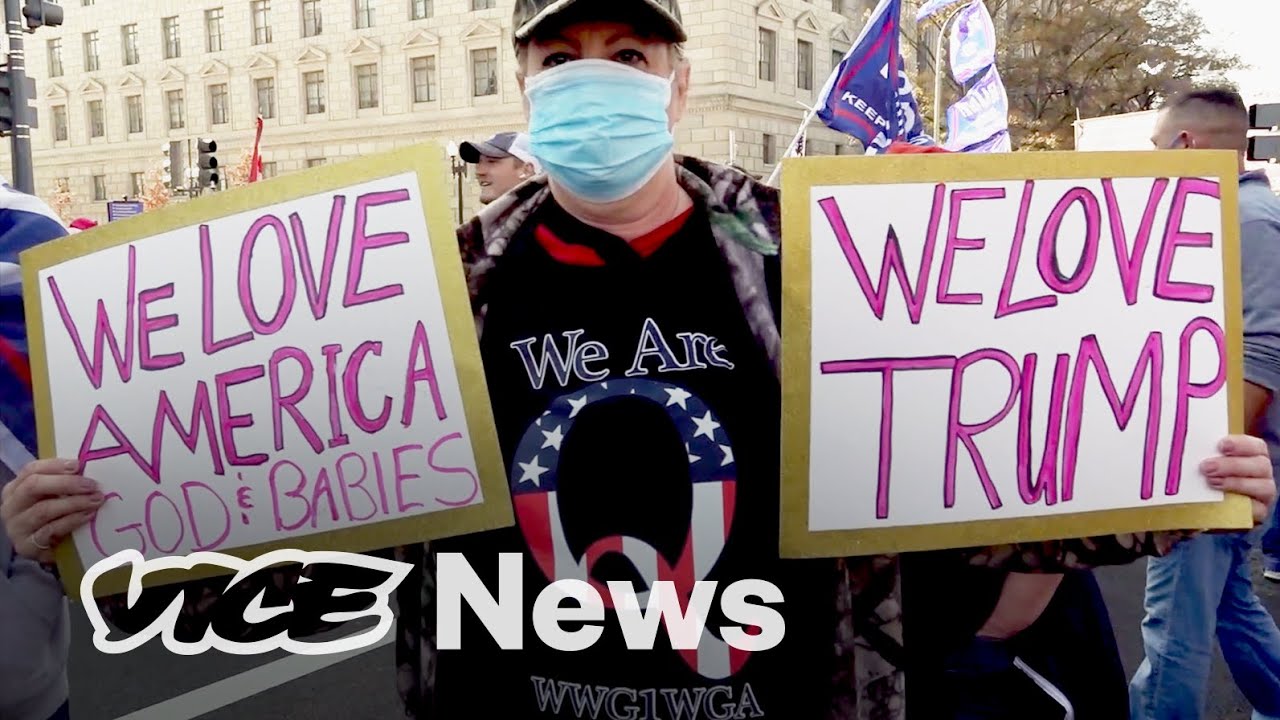
and click the little button and you can turn on the notification State notified when I upload things thanks okay so let's talk about Q Anon specifically like I mentioned at the top nearly one in five uh American self-identify as uh Q Anon Believers and to be clear the way that they uh conducted this uh self-report poll was not by asking people outright are you a q a non-believer because I would skew a lot of the data but the way that they asked this was by asking them three questions that touched on the core tenets of
Q Anon beliefs and asking people to write how they agreed or disagreed with that on a scale of five starting with strongly agree to all the way to to strongly disagree and so with that data we found that one in five people actually do agree uh or choose to believe in the the core tenets of Q Anon which is super [ __ ] alarming of note in terms of the demographic features though are that the majority of these people are conservative especially far right conservative the majority of these people are religious particularly Christian or some
uh denomination thereof the majority of these people are Trump loyalists the majority of these people are white and the majority of these people have a household income of less than fifty thousand dollars a year I wanted to talk about this because it is worth having a discussion about what we know about these populations generally and how that might be contributing to the psychology of non how this is continuing to grow as a phenomenon because again there's a lot of confusion and frustration for people about like who actually [ __ ] believes this like wow why
would anybody believe these things that on their face make no [ __ ] sense and yet the ideology is continuing to grow it's worth noting about these populations particularly a population that is majority white far-right conservative religious and uh impoverished for all intents and purposes that we know generally speaking from statistics and like peer research polls and things like that these people tend to be less college educated I think this is a really important piece of the discussion not because we should be [ __ ] on people who aren't college educated because college is a
privilege that more and more people are continuing to not have access to because it is so disproportionately [ __ ] expensive that's conversation for a different day but because College serves as a catalyst for a lot of folks to be doing the work where first of all we're exposed to a lot more diversity in our lives than we ever have been because a lot of us attend college at the age of like 18 to 20 something but also because College provides folks with an environment that prioritizes critical thinking especially at the postgraduate level but College
generally there's a lot of learning and a lot of training that happens about how to interpret research how to interpret news how to interpret facts and how to make a conscientious judgment about a piece of information using like good faith uh perspective these are really valuable skills when we talk about wading through misinformation and disinformation especially because media literacy is continuing to be an issue with populations like Q Anon or like the populations who believe in Q Anon anyways and so for this population to be generally not college educated in my opinion speaks volumes about
what's potentially happening there we know that lacking those critical thinking skills and lacking the the training and the experience and the ability to flesh out what it looks like to be a country interest consumer of information that this person might be a lot more susceptible to misinformation and disinformation than someone who isn't the other thing about this population that's of note in my opinion is that statistically speaking again I'm going to put sources for all of this in the description by the way but statistically speaking um because the majority of Q Anon Believers are religious
what we know about religious populations especially Evangelical Christian but like Christian people generally is that statistically speaking they are much less open to going to therapy viewing therapy in a positive light or like being open and comfortable with discussions about therapy and mental illness this is worth noting in my opinion because in my clinical experience a lot of work is typically done on ourselves obviously but particularly around being able to sit with the reality that we're wrong or that we have growing to do it's a very uncomfortable process shame gets in our way a lot
of the time which again conversation for a different day but it gets in our way of being able to really effectively sit with the reality that sometimes we Flex it up and then we do stuff wrong and that it's okay to change our mind change our opinion to continue growing and to honor more or less publicly or at least like out loud with family and friends I mean that I did the wrong thing and I'm choosing to learn from that and to grow and to move forward there's a lot of skill development that happens in
therapy about how to do this how to communicate this but also just how to like do this for our own selves and to sit with this reality it is a very high level skill and like speaks to a high level of emotional intelligence to be able to really say like yes that one was my bad that one was my fault it's a lot more difficult than people think it is typically people tend to overestimate their skill level in this area and so therapy is usually like Step Zero if you will in like this type of
skill development and so again noting the demographic features of people who tend to be q and unbelievers and then analyzing what a belief systems tend to come along with those demographic features um is really helpful I think in painting a picture of people who are oftentimes lacking in the opportunity and the experiences and the resources to participate and to learn the skills that tend to be protective factors against getting sucked into conspiracy theories and colds and things like that the other thing that I wanted to discuss here about Q Anon Believers specifically in the self-report
polls that were done about this population Far and Away the most reliable predictor of whether someone would become a full-fledged Q Anon believer or not is the type of media that they consume people who consume far-right conservative media especially like alt-right conservative media like one America News Network are disproportionately more likely to be Q Anon Believers than those who aren't it's not to say that there's like a causal relationship there but there is a correlation that's worth noting because again we know that news networks like one America news and Newsmax are famous quite literally for
Distributing misinformation and disinformation and so again noting that with all the demographic features and the potential susceptibilities really starts to paint a picture of like how the [ __ ] does this happen one of the other things that I wanted to discuss about this now that we have some some like better picture of the demographic features here is something that we know about the human brain which is that it's very uncomfortable for us to sit with things that don't make sense that we want them to make sense there is a link between the way that
people speak about Q Anon and the way that people speak about like religion for example or at least like religious fundamentalism especially in religious extremism we sort of sort of joked about it earlier with the like how familiar uh the like end game of Q Anon sounds to the Rapture but I'm being serious there there is a link there and this speaks to a phenomenon that we know about the human brain generally which is that we really find Comfort or value in trying to make sense of things that don't make sense it's very uncomfortable and
we really really don't like it I really don't like it when there is something that's like a big scary overwhelming problem that causes us a lot of distress and we can't easily find a solution or cause or Reason to like put it in a box it creates a lot of discomfort for us and so because of this we see the brain trying to do a bunch of different things our brains generally are predisposed to have an interest or like happiness like we're very pleased by finding patterns by finding solutions to things this is why we
see the phenomenon of people seeing Jesus Christ in a piece of toast or like noticing patterns and things that potentially aren't there our brains really like this and they're hardwired to do this it's an evolutionary function it's actually very helpful um I've talked endlessly about chairs on this [ __ ] Channel and how we do the the similarities thing I won't bore you with that conversation today but my brains are primed to do this because it's a survival Instinct and because it's very helpful in navigating the three-dimensional World in informing a sense of safety in
relationships in allowing our brain to kind of shortcut the critical thinking that has to happen when we're making a decision like with driving for example it's a very important and necessary skill however it can sometimes be hijacked um to lead us to conclusions that don't necessarily make sense this is also why we see a tie between how many people who are Q Anon Believers also happen to be religious because when our brain is already primed to be thinking in this way and we already have the neural Pathways built to view things in this perspective it's
not surprising to me that these people are very easily drawn to a conspiracy theory that has a foundational level the same bolts and nuts and pieces as uh Evangelical Christianity uh it's it's like very similar in structure not the Christianity is a [ __ ] conspiracy theory that's not what I'm saying but when you look at the way that it's speaking speaking when you look at the way that it's spoken about the foundation and the bones are very similar and so that's why we see this connection I think this is especially worth noting when we
talk about the other unifying demographic feature of Q Anon Believers which is Far and Away people who tend to be white supremacists it is not a coincidence in my opinion that when faced with a lot of discomfort around experiencing oppression or marginalization in the form of being impoverished people who are white supremacists who view themselves as part of a Superior Group have a lot of incongruency in making sense of like why is my life so difficult if I'm part of like the chosen group of people this is incongruent with my lived experience and so therefore
I need to find a solution for why this is happening to me it speaks very much in my opinion to a desire to make meaning out of something that doesn't necessarily well it does have meaning but not in the way that they think it does and so the the racist undertones of this are also really important to acknowledge and something that cannot be separated from Q Anon like the the racist undertones overtones rather and the Q Anon beliefs are are one and the same you can't separate them from each other which I think is also
why a lot of people are are sort of flabbergasted by how many people believe this but again it's a pipeline um which we're going to talk about in a second but I just wanted to address that because I think it's really important to note again that we are talking largely about a demographic that's made up of people who are experiencing marginalization in some form and again not that that excuses their [ __ ] actions because it doesn't but in the realm of trying to make sense out of a phenomenon that seems to not make sense
I think it's worth discussing what it is that's actually going on here which is a lot of cognitive dissonance and discomfort about things not making sense and a group that has a really strong desire to make sense out of things sometimes with magical thinking so the last thing that I wanted to talk about um our guest second to last thing that I wanted to talk about is the pipeline feature of Q Anon in the podcast and I'm going to link in the description there are actual interviews with folks who have since left Q Anon and
talked about their experiences with it and it is very much again the pipeline thing we talked about it at the beginning but I think it's worth sort of bringing it back around to talk about the fact that folks rarely enter Q Anon by believing the like top tier part of the belief system usually it starts with a lot smaller and like more palatable messaging for what it's worth uh some of these entry points have looked like the holistic to a well or holistic Wellness to all right pipeline this is something we're going to talk about
in more detail at a later date but it's a bit of a beast of a video so we haven't gotten there yet but the like holistic Wellness uh essential oils are better than medicine don't trust big Pharma herbalism is the way to go and then there we are we made it to Q Anon we've also seen this take the form of like Divine femininity celebrating like Divine feminists um and like the sacred nature of the feminine body uh turning into like Trad wife stuff turning into alt-right stuff and then like whoop There we are we're
into Q Anon this is like a somewhat common phenomenon um some of the other things that I listed on here are homesteading we've seen this happen particularly on Instagram folks who have a lot of distrust in uh like the food and the supply chain issues and all that that we've seen postcovid so there's a desire for folks to be growing their own food at home and returning to traditional ways of life and returning to the olden days and then like whoop There we are back into Q Anon in our distrust of the government and the
FDA one of the other ones that I thought was really worth noting because it seems contrary um is like an interest in uh paganism and like crystals and again like essential oils and Witchcraft and things like that that very quickly lends itself to this pathway also because there is like the sort of distrust for Authority oh yeah there's a general distrust for Authority um and interest in sort of like going your own way um which can be an entry point for folks into the Q Anon belief system the other like last one that I wanted
to talk about here is post-pandemic Health the ism hold please both pandemic did I say post post pandemic I might have said post post pandemic is what I meant Imani uh from crutches and spice on Tick Tock and Instagram and other places um speaks a lot about post-pandemic healthism um it's really useful and important conversation to be having so definitely give them a follow but also just as a general Cliff Notes what we're seeing is a renewed interest and uh fixation with healthiness post pandemic because there was a lot of fear about people [ __
] dying which has then manifested into ableism oppressing disabled people oppressing chronically ill people um and that sort of leads us into Eugenics which is like a cousin of white supremacy um and then like whoop There we go back into Q Anon not this literally coming up on my for you cage Okay so I'm going to say something that it's going to piss a ton of you off but if a lot of you are being honest that's why you're really here so there's been a couple Trends including the toddler tees and the Y2K fashion that
is a very alarming sign and that is of post-pandemic eugenics now are we over these pandemics absolutely not there's a new one actually and if I talk about it I will cry usually during and after your pandemics there's a huge uptick in obsession over who has a perfect body because who survives the pandemic has usually seen as more genetically Superior we're extremely invested in their health and fitness as an indicator of Health this toddler tea trend is disturbing for many reasons the timing of it is what disturbs me more not only because of the pandemics
but because the economic downturns and recession because recessions and economic hardships are how people get recruited to harmful ideologies and fat phobia an obsession with Fitness and what is considered healthy bodies is how they recruit people these are things that are worth noting in my opinion because as the average everyday consumer it is important to be conscientious about the information that we're consuming on the internet I think there is very much a larger conversation to be had about digital literacy here but also about how easy it is to get sucked into conspiracy theory beliefs even
something as innocuous as thinking that the moon landing was fake can eventually end you up in Q Anon world if you're not careful this is another reason also why I think it's so important for therapists to be political in the work that we're doing I think the like sort of blank slate therapist thing is like first of all [ __ ] sham but second of all irresponsible in this regard and I personally I think I've done a lot of learning in this regard because it is uncomfortable and it can feel uncouth to be hosting conversations
about how like hey actually that's like not a real thing or not an okay thing to believe especially when it's one of the entry points for the Q Anon pipeline it can seem kind of harmless for someone to believe these things and so we can feel sort of uncomfortable about bringing it up or initiating this conversation but something that was of note in the podcast that I listened to was survivors or like uh like leavers uh dissenters now of Q Anon speaking about how had they had someone to interrupt their entry point into Q Anon
or like interrupt that pipeline uh that like sort of shitty slip and slide they might not have ended up in the place that they were and so I think especially for us as professionals like anyone else who was a therapist watching this I think this is important work for us to be doing because we can be kindly and compassionately and respectfully navigating conversations about misinformation and disinformation if it comes up for our clients Far and Away like the takeaway that I have had from doing the research about this is that we very much as like
individuals have some level of ability to potentially interrupt this pipeline for loved ones for friends and for the people that we have contact with by kindly and compassionately and respectfully hosting these conversations which is another thing I know that Q Anon is like probably one of the most meme things and for good reason because it doesn't make any [ __ ] sense however if you are a person who has an interest in having these conversations because you have emotional space for it because it's feasible for you to do so and because it feels safe for
you to do so it would behoove you to do the work of being able to host that conversation in a way that doesn't actively [ __ ] on and condescend to people because this attitude of like I cannot even believe that you would believe this you are so stupid this is so embarrassing pushes people further into the pipeline this is another thing that we have heard repeatedly from folks who have been sucked into Q Anon and then eventually uh left and and gotten out of there is that the sort of Mimi rhetoric that people talk
about Q Anon with does very much uh further this persecution complex that is rampant in this community that you can trust The Outsiders no one will believe you everyone will think you're crazy because we know the real truth we are the enlightened ones and of course they're upset that they don't know the truth and so you can't believe them they're going to laugh at you and for good reason because you know better than anyone else it's a very seductive and Insidious message for someone to get and so furthering that conversation from that perspective is not
helpful I do want to give a like very clear caveat here though that if you are not a person who feels comfortable doing this who feels okay to do this who has the emotional space to do this or who you know this is traumatizing for you to do this you don't have to it's not I think an issue of personal responsibility because there are a lot of systemic issues at play here and I think it's very similar to hosting the conversation about white supremacy based on our own individual actions or about saving the Earth from
the climate crisis by us recycling efficiently enough it simply doesn't work that way there are a lot of systemic factors at play that need to be addressed at a systemic level it's not to say that our individual involvement isn't critical and isn't necessary because it is however I will not be the person who gets on the internet and throws the book at people who don't want to or can't host these conversations because it's traumatizing for you or because it's unsafe for you because again that's not helpful and also not at the point that I'm trying
to make generally I wanted to make this video to educate folks about how this is happening why this is so dangerous and how we as individuals if we want to if it's safe for us can be part of uh potentially combating misinformation and disinformation I think that's all that I have prepared for today I looked through the outline and I think I covered all the points that I want to make I know for sure that this is going to stir up feelings and thoughts for folks um so as always the comment section will be open
and mostly unmoderated As long as y'all are nice to each other don't be disrespectful I know that this is also a contentious issue that people will have a lot of strong feelings about which is totally valid super fair you are allowed however I will not allow you to abuse each other or to create an unsafe space in my community so be responsible with it please uh be kind and respectful that said if you like the video like the video subscribe to the channel sometimes we do deep deep Dives like this and sometimes we laugh at
girl defined and share the video to help the channel grow and to help each other grow and I will see you guys next Saturday [Music] foreign [Music]