we have just issued a new Lisa standard IFRS 16 which replaces a very old Lisa standard is 17 we really feel there is a need for a new standard because the old standard does not truly reflect economic reality companies have a lot of leases outstanding more than three trillion dollars and only a limited amount of these leases show up on the balance sheet all the rest the so-called operating leases are not shown on the balance sheet and at the same time they really represent a real liability and therefore we think the fact that they such
a big chunk of liabilities is not on the balance sheet does not truly reflect the economic reality well many investors but not all investors many investors the educated investor has been making their own adjustments multiplying lease yearly lease payments for example by seven or eight times these are very rough estimates often they end up overestimating the lease liabilities and then there are a lot of investors out there who do not adjust the numbers and they are sort of misled by the current numbers the big change of the new standard is that in principle all leases
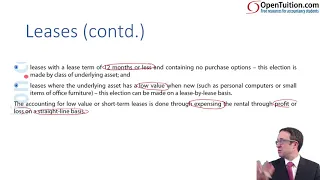
go on the balance sheet both operating and finance leases the only exceptions that we make are for short term leases leases that are shorter than one year and what we call small ticket items very small leases for example for office or furniture or for iPads and that means that the investor will from now on get a good view of all the lease layer liabilities and not just the finance leases such as is currently the case well I think there are two big benefits to the markets and to investors first of all there is a better
transparency there is more insight in the liabilities caused by leases for example during the financial crisis quite a few retail companies went under went bankrupt their balance sheets were very clean they had few debts on their on their balance sheet at the same time they had huge leasing liabilities which were not visible in the future these will be visible so that's one second there will be much better comparability between companies for example there are now airline companies that own most of their aircraft and finance it with loans and on the other hand there are airliners
that least most of their fleet in practice they might have similar financing obligations but in current practice the company that owes the the airplanes has a very has a lot of debt on its balance sheet whereas the airline that leases most of its aircraft has a clean balance sheet and that is a not good comparison and the new standard will create more comparability between these companies awfully half of companies around the world do have leases so a lot of companies will be affected but especially will affect that will be affected companies that have concentrated use
of leases such as the retail industry airlines and shipping those are sectors that have heavy concentration of leases and they will be most affected standards to just be met by enthusiasm I think investors will largely be enthusiastic but companies might think that there you know there will be quite a few costs involved well we have tried to keep those costs as limited as possible and at the same time I think the standard will also provide management with better insight in the true extent of their lease liabilities and I'm sure that a lot of managers are
not completely aware in detail about about these liabilities and it might lead to better decisions between leasing on the one hand and buying and financing of equipment or whatever you might lease on the other hand and it might lead to better capital allocation better management decisions we have seen before that when we change the pension standard that had led to new awareness of companies of the to extent of this liability and I think the same will occur with leases at the same time I am absolutely convinced that we will the standard will not put the
leasing business the leasing companies out of business because leasing will remain a very attractive instrument for many companies it is a very flexible way of financing your assets and on the other hand it's also a good way to sort of own assets without having all the full risks of ownership so I think that leases will remain an interesting business proposition and we will certainly not put the leasing industry out of business the effective date of the new standard will be the first of January 2019 so that should give companies ample time to prepare for the
new standards I think most questions around this new standard will be about the weighing between costs on the one hand and the benefits on the other on the other hand that's a the reason why we have performed a very detailed effect analysis which will be published together with the standard in this analysis people can see what are the costs of the new standards and what are the benefits of the new standard and I think when you read that effect analysis that the conclusion can only be that the benefits outweigh the costs