I have been addicted to daily in-depth Bible studies for over a decade now it used to be boring but now I love reading the Bible and it all really boils down to knowing how to do good Bible studies how to see what's important in the text and how to know its application to life so in this video I'll share my four best tips to better grasp understand be met by the Lord a little bit more in your Bible studies but first welcome to the Bible nerds corner of the internet Bible noers welcome back we've got
four great tips and I don't want to waste any of your time let's go ahead and dive in I'm really excited about the last one cuz I think it's totally going to transform the way that you view and understand Genesis in really Exodus and the rest of the Bible but we'll wait starting off with tip number one I call this one Beginnings are the road map because often times throughout the Bible in fact it doesn't matter like what kind of genre you are in the Bible what book it is like over and over and over
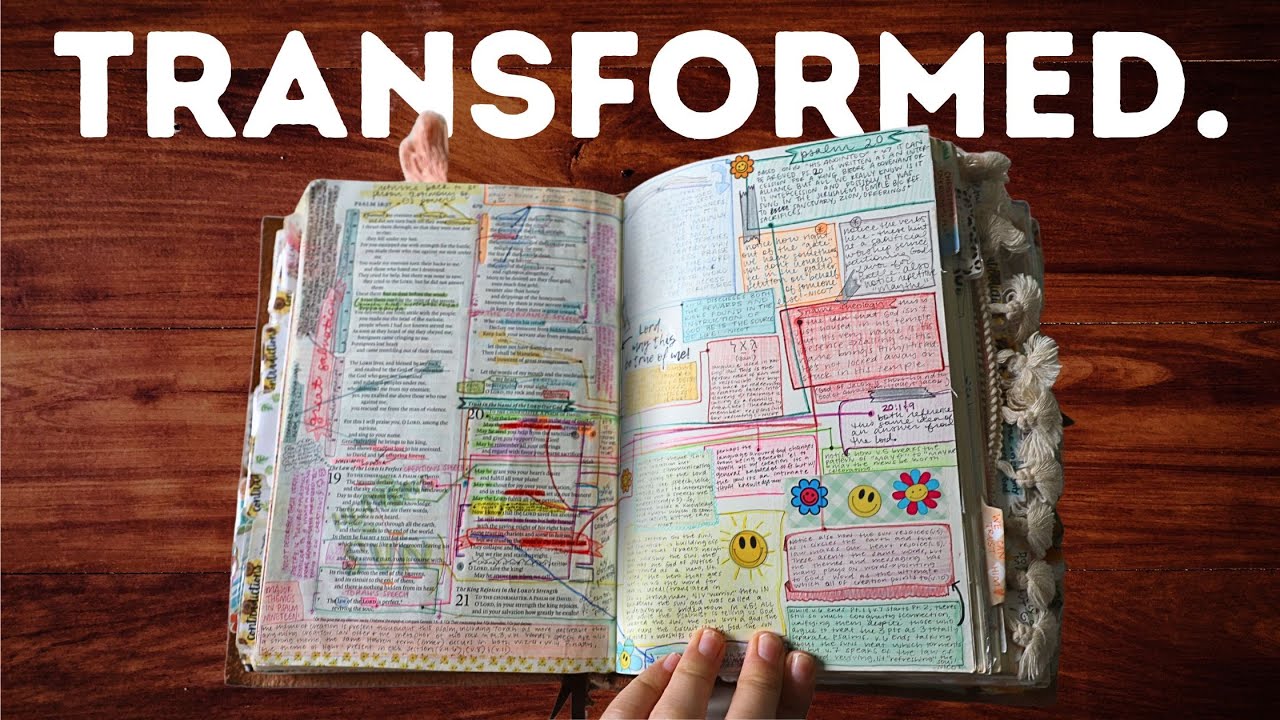
again throughout the Bible and all the different books the beginning of the book tells you a lot about where it's going that's why it's called the beginnings are road maps pay close attention to how a book of the Bible starts what problems there are or even like the weird things that are said that may not make sense to you until you've actually read through the rest of it let's look at Isaiah one for example so here at the beginning of Isaiah we see you can actually see my notes here a lot of what's shared here
at the beginning of the book of Isaiah sets the tone for the themes and like expectations of the the book so we got Uzziah ahaz and Hezekiah a lot of the book is going to be spoken directly to them chapter 7 with ahaz chapters 36 through 39 with Hezekiah we get references like to Creation Heaven and Earth Rebellion this is all pointing back to Genesis 1 through3 we get reference to Israel not knowing and Disobedience because of that ignorance that's a common theme in this book we see reference to the name that he uses over
and over again in this book we see a bunch of imperative calls action wash cease learn seek correct bring plead this is a pattern that we see in all the prophets but especially in Isaiah and it's starting all here in chapter 1 it's very similar to what we see at the beginning of John calling Jesus the word the light coming in Grace and Truth those things set the scene for the rest of John to then unpack similar to Matthew Matthew also starts with a genealogy which you would think would be like wasted space this isn't
a road map right but it is Matthew starts with the genealogy because he's writing to jewi Christians showing these Jewish Christians Jesus really is the Messiah the Fulfillment of your Jewish faith now this is not new or unique to just Bible literature this is something that you see in so many books and movies whether they start with a quote a short little piffy saying or whatever A lot of times the scene is set the themes are set the message the goal the aim is set right at the beginning in the first couple words and we
see that here in our Bibles as well so whenever you start a new book of the Bible really pay attention to what's going on in that first chapter the first couple paragraphs those are some of the most important paragraphs and chapters of the book as a whole and I literally can't think of a book of the Bible that that's not true of now tip number two is to look at first actions now this is only pretty typical in narrative stories of our Bibles so whenever I say narrative it doesn't mean they're not true but it's
just whenever you have like a specific character facing an obstacle think Jonah and the whale think David and David and Goliath these are narratives Ruth Esther you get the point it's telling a story with a character in narratives especially in our Bible pay close attention to the first thing that they're recorded doing or saying for example in Ruth chapter 1 if you're a patreon you know we just went in-depth through the book and I'm coming out with a course through Ruth it's such a rich book and like all of these things that I'm sharing today
are true of this book of the Bible but it starts off introducing ALC but it doesn't even name ALC before it gives really important information the information is during a famine he left Bethlehem the house of bread and the irony here is somebody whose name means god is king is not trusting his God and he's leaving in a famine the House of Bread there's so much irony they're just alone and they haven't even named immc yet and that's because his actions are way more important than his name will ever be his actions are that he's
not trusting God and this is all within like the first two verses of Ruth it might just be verse one let me test myself yeah so you can't really see anything cuz my pages are crazy but in verse one it says that he's leaving then in verse two it finally bothers to name him but his actions were way more important to the narrative let me give you another example let's flip to Genesis 25 there we see that Esau is described as a red hairy guy and Jacob is a trickster holding his heel you see their
first descriptions are animal likee versus Jacob being cunning then the first description of Esau was that he was a hunter a man of the field and then his first words are let me have some of this red stew Esau's described highlighting his animalistic characteristics cuz he's going to act like an animal and only think with his stomach Jacob is described as being quiet reserved in the house because he's going to be smart and he's going to conquer over this animalistic brother so pay close attention to the ways that people are first described first speech first
action even like moments like this being born holding your brother's ankle because you're a trickster quick before I move on to our next tip which also has to do with the way that you read narratives this video is sponsored by patreon patreon is a crowdfunding website where you pay a monthly fee and get all this bonus content on my patreon we go through in-depth studies of the Psalms every week we also have verse mapping live Zoom calls Vlogs we just first mapped through Ruth and you get all the inside scoop of everything that's going on
here at how to Fe the life so if you want to grow in Practical Bible study tips and be like LED in in-depth Bible studies through like books of the Bible definitely check out patreon right now we've started a series of all the different characteristics of God and every month if you join the top tier I'll send you stickers that are like a sticker study through that characteristic of God all the information for patreon is in the description box and thank you to all of my patrons you make the Bible nerd studies here on the
internet happen so thank you guys now back to tip number three tip number three is particularly helpful in narratives of the Bible and I'm going to call it stop and dance because often times in narratives you'll see they just stop out of nowhere and it's either a song or a poem sometimes it's a quote and that's why we're calling it stop and dance cuz the people of the Bible did that a lot now if you're anything like me whenever you come to these passages of the Bible you kind of just want to skim over them
like okay Mary song not that important you're just kind of like they're just singing It's just music and while today in our day and age we listen to music that doesn't really mean anything and doesn't have any substance the music in our Bibles sung by the people of the ancient new East is theological in nature they're singing about the acts of God and what it means for them God's people but even more importantly what they stop and sing about always seems to be reflective of the themes or messages of that chapter really the sermon of
that chapter like what it means for us today let me give you an example all right bear with me because I know I have a lot of notes in the way but we get through all of Genesis 1 and then we stop and dance and there's this little poem or song situation which declares that we are imod Dei and made in the image of God so after a whole chapter setting up the creation of the world and the Pinnacle of that creation humankind it then sings like this song about our value being made in the
image of God then we go over here to chapter 2 ignore all my notes I know it's a lot but I'm making a point here we have this whole second creation narrative highlighting the man and the marriage and you have another song here right before chapter 3 singing of this woman B of my bones and Flesh of My Flesh she's the woman taken out of the man that whole little song celebrates all that was unpacked in Chapter 2 then we have chapter 3 with the fall and all of chapter 3 unpacks this fall and we
have a stop in dance this is actually judgment over the sin but as you can see it's poetic in nature then we move over to chapter 4 I know I have a lot of notes it's really rich again beginning of books are important but we have all of chapter four talking about Cain and Abel and what do you see we have a stop and dance you can see it because it's literally print different because it's poetry L's poem highlights that violence is now the new normal after Kan Andel this is the result of the Fall
friends what comes out of people's mouths all throughout the narratives are really important speech but especially poetic song or just poetry when the narrative breaks when the story stops and there's some kind of poetry in the narrative typically I can't think of an exception it's like always theology or pointing to the general theme and L now tip number four this is one of my favorite tips we can call this one Deja Vu but the more proper term for this would be typology there are so many patterns throughout the Bible that we see over and over
and over again we were just looking at Cain and Abel well Cain has a lot of typological stuff that goes on that's very similar to Adam after the fall God says Adam where are you we see the same thing with Cain when Adam gets caught he says oh well the woman you gave me ate the fruit right Cain does a very similar thing and he goes I My Brother's Keeper God asks both of them what have you done as part of Adam's curse is he's cursed to work the ground Cain is cursed from the ground
there's a lot of parallels between Adam and other characters of The Bible and this can be true of like places like on top of mountains people often meet God or have some kind of revelation of God at Wells they typically meet their wives if they're Barren they typically birth a really important person any kind of big Act of God like a flood or an exodus these are all patterns of like deliverances where certain little micro things will happen over and over again for example in Genesis Adam and Eve were planted in a garden and after
the flood Noah plants a Vineyard then Adam and Eve in this fruitful Garden took a fruit that they weren't supposed to eat and Noah also got drunk off of his Vineyard they both sinned in the fruitfulness around them Adam and Eve then after eating the fruit discover that they're naked then Noah lays down naked after getting drunk Adam and Eve after discovering that they were naked did what they sewed fig leaves together to cover their nakedness Noah then his sons discover that he's laying there naked and they cover him up Adam and Eve's eyes were
open to see that they were naked and Noah wakes up and discovers that he was naked and then both narratives end in curses there are so many patterns in the Bible even The Exodus crossing over the Red Sea is mirrored again with crossing over the Jordan into the Holy Land pay close attention to when you see conversations or actions happen with somebody and like I've read this before with somebody else in a different situation that's because something is happening when patterns are followed you're supposed to say oh we've been here before why are things starting
over again or why are they following in the Sin of their fathers or oh look God Is providing again or look oh God is starting over again that's why Revelation 21-22 sounds so familiar in weird ways to like the garden and Genesis 1 only they're better right the Bible is so literarily rich don't miss the Beautiful patterns in fact if you want to snag a couple charts that outline these patterns as little free downloads I'll have them linked Down Below in my description box now if you like super actionable Bible study tip videos like this
one you'll love this video right here I share 10 powerp packed tips and then we put them all to the test right there in that video I'll see you in this video you definitely don't want to miss it I'll see you there