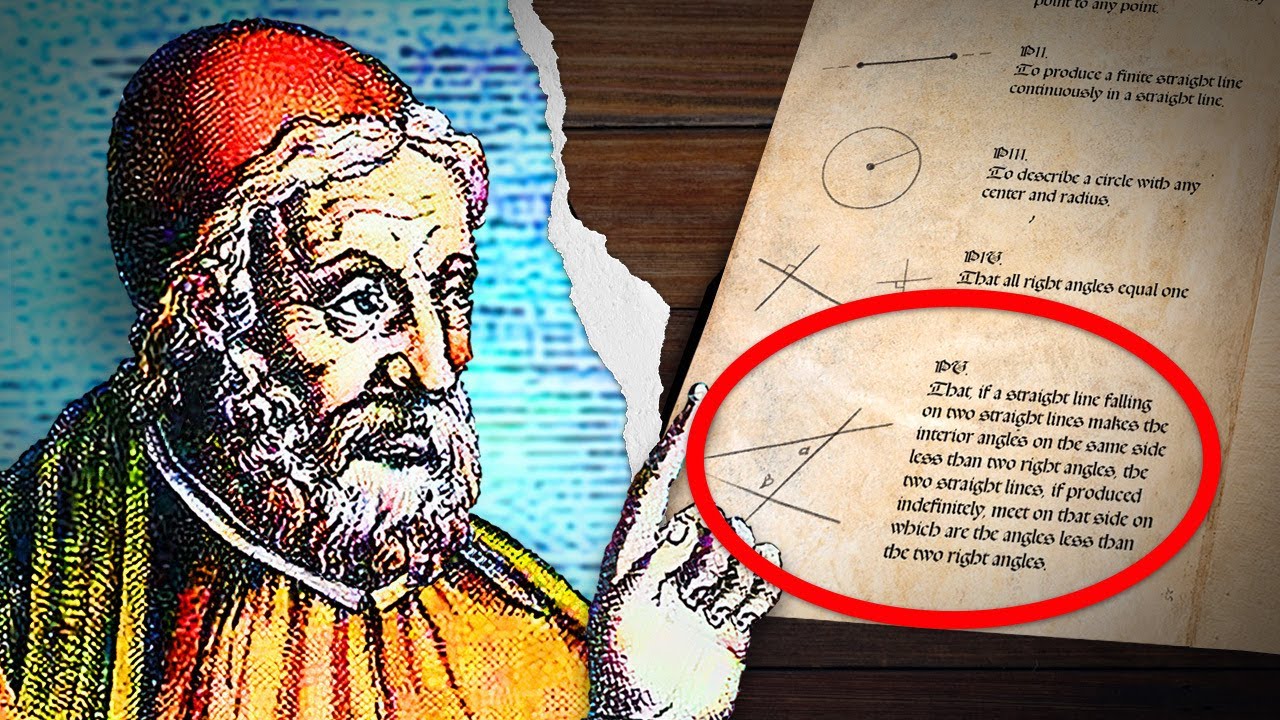
What is Euclidean Geometry? The word Geometry is derived from, Geo means Earth Metron means measure Geometry is a branch of mathematics concerned with questions of shape, size, relative position of figures and shapes. Euclidean Geometry is the study of geometry based on definitions, terms and the assumptions of the mathematician Euclid (330 B.
C. ) It is the Geometry of flat surfaces Euclid's wrote 13 books called the Elements and was the first comprehensive discussion of geometry. And is credited with developing the first comprehensive deductive system of geometry.
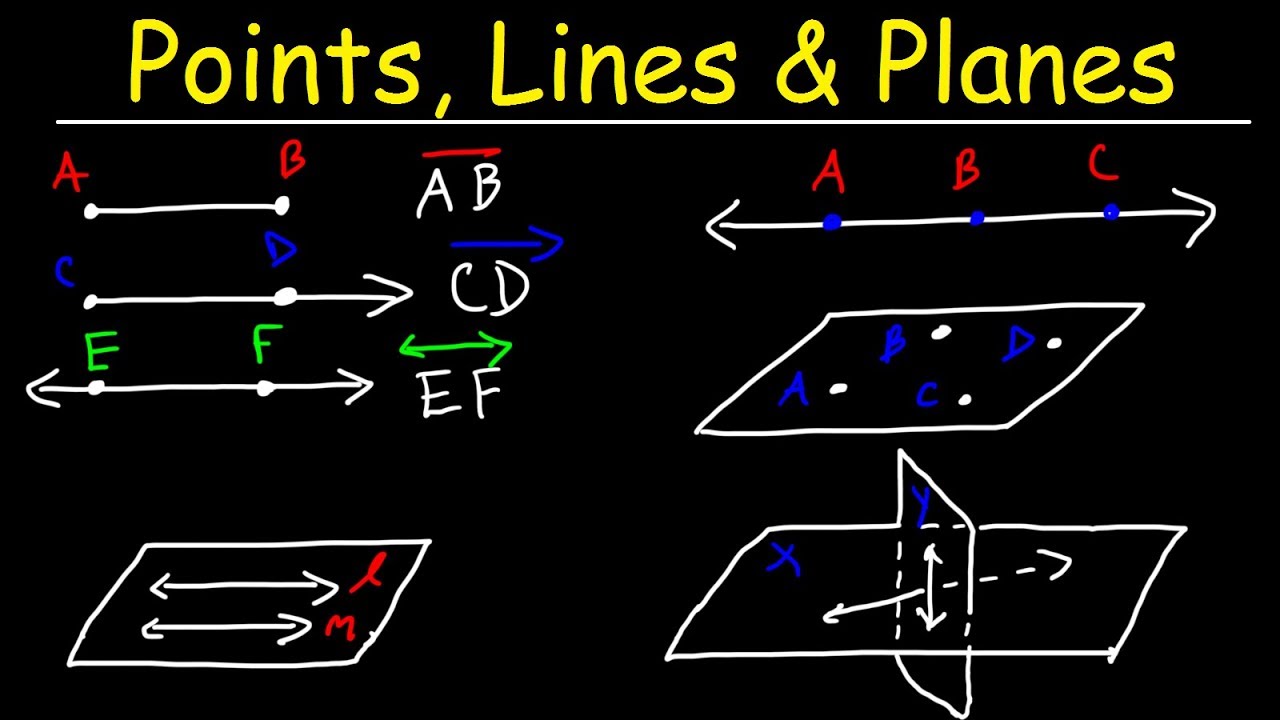
Euclidean Geometry is the study of flat space. Euclidean Geometry can also be called plane Geometry which is the study of lines and shapes on a flat surface. Euclidean Geometry can be illustrated on flat paper or a chalkboard.
On a flat surface all of the following will be true. the shortest distance between two points is a straight line. the angles in any triangle add to 180 degrees.
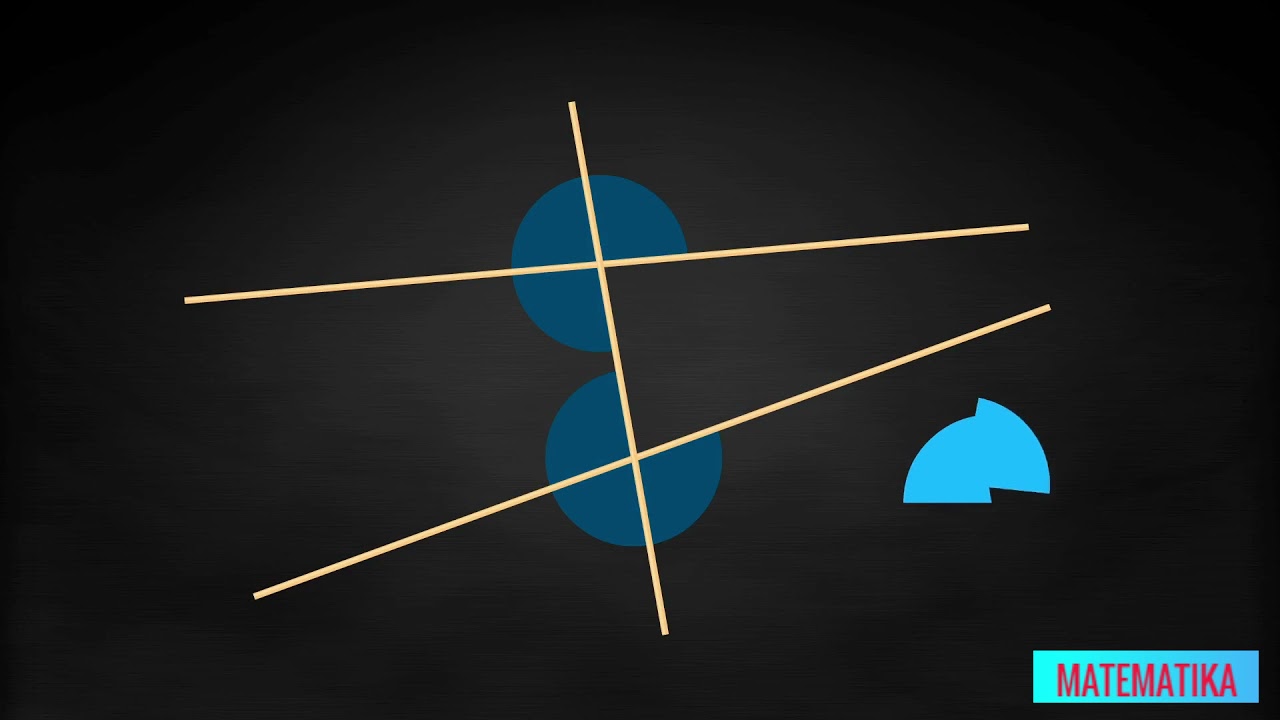
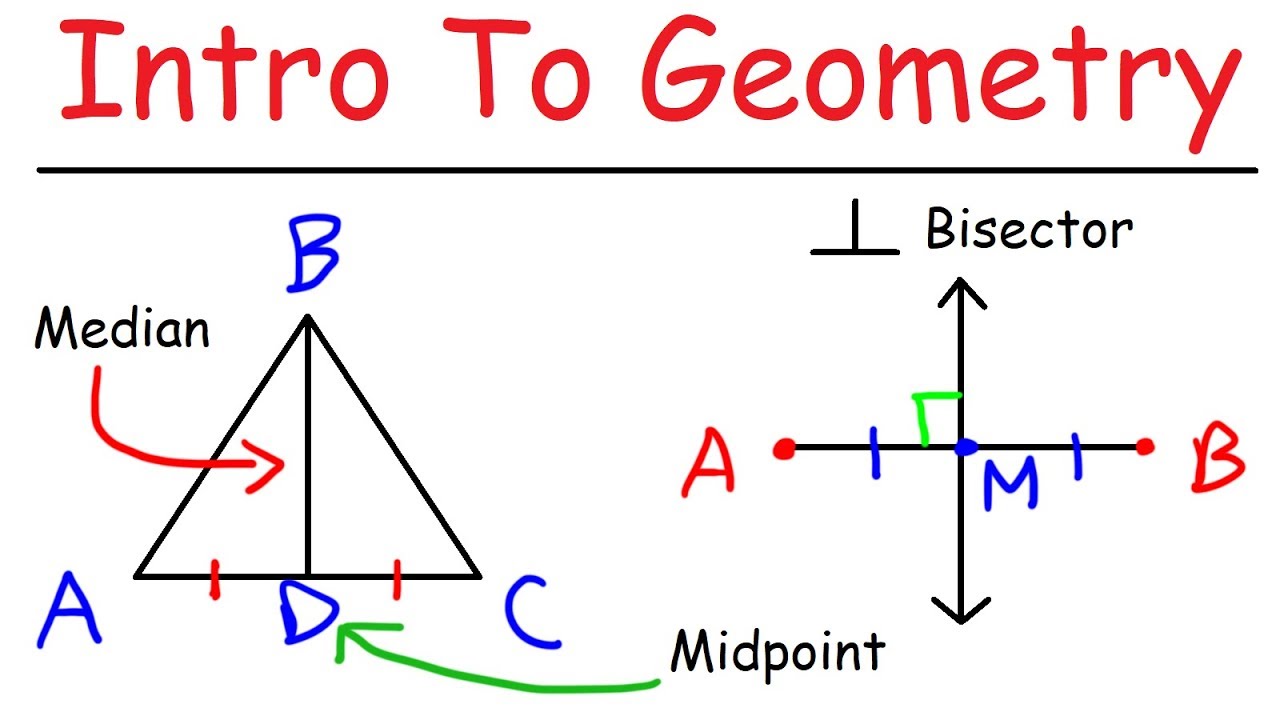
A perpendicular line intersects another line at 90 degree angles. Euclidean Geometry cannot describe all physical space such as curved space. Non-Euclidean Geometry describes curved space Euclid’s 5 Postulates (Axioms) It is possible to draw a straight line from any point to any point If you have a straight line it is possible to extend in any direction to infinity It is possible to draw a circle given any center and a radius All right angles are equal (congruent) If you have two straight lines, and a third line crossing them, and the sum of the interior angle measure of the two lines is less than two 90 degrees, then if you extend the lines, they will eventually cross on that side.



![Upbeat Lofi - Power and Energize Your Workday - [R&B, Neo Soul, Lofi Hiphop]](https://img.youtube.com/vi/ONcY0BM5EAg/maxresdefault.jpg)