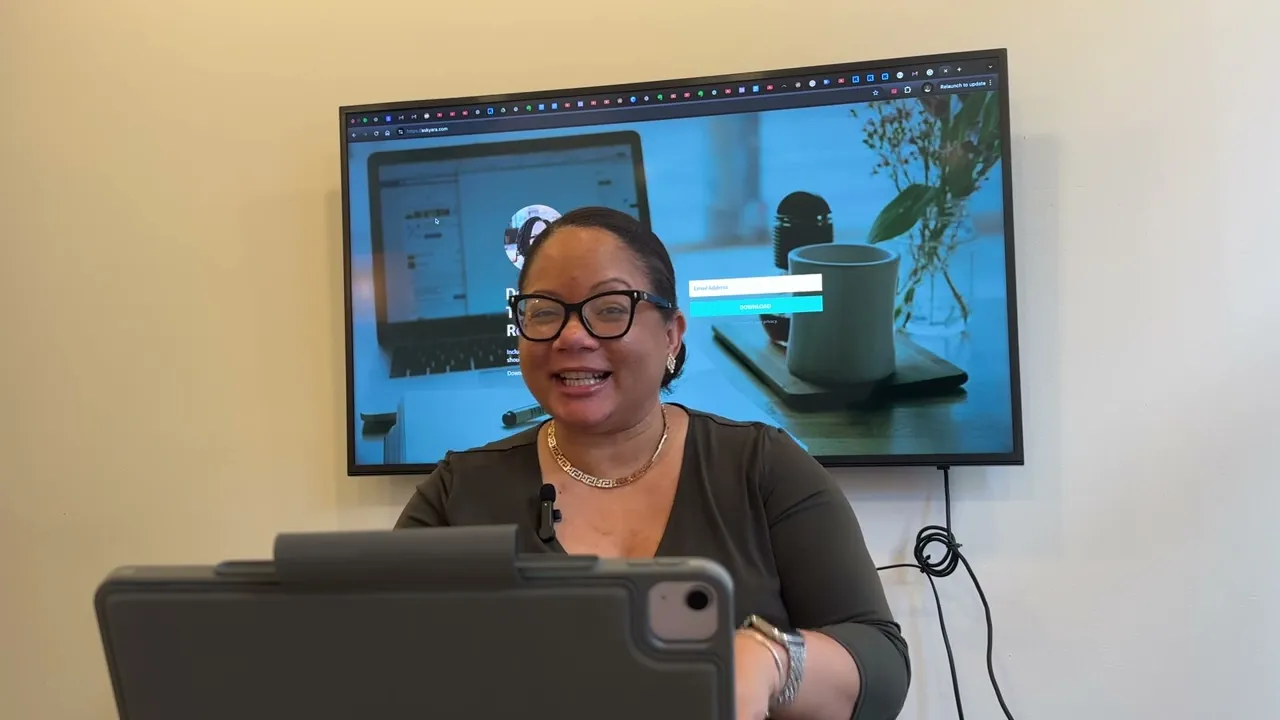
hey fellow listeners fellow audience fellow fellow taxpayers fellow followers welcome welcome welcome my name is J Thompson I am a TP leader in the accounting industry and I'm here to share a awesome recap of my series of tax preparation Basics and with saying that I want to make sure that uh you uh know where to find me uh you've obviously have chimed in into my video today if you will go ahead and hit subscribe follow like to this video along with visiting visiting my Instagram and Facebook at just asara or you can visit my website
at asa.com now today's topic is basically we're going to recap everything and get you set up to what taxt planning is going to look like for you so with that being said we covered a few things in our previous series our previous um uh recordings uh the first one was uh just basic one one 101 on the 1040 what the tax requirements are for tax returns um then we broke that down a little bit we went into some Schedule C uh details for different entrepreneurs um in different Industries and then we DED in a little
bit more on some of the additional it items such as crypto and Investments now today we're going to just recap everything in in its entirety and with saying that that recap means this is action items for you my listeners right so whether you're selfemployed a small business owner or you just want to stay ahead with your taxes right your yearend tax planning is a stress fee filing if you do the following so we're going to dive into three essential areas today those areas are going to be quarterly estimated taxes your recordkeeping and maximizing business deductions
so with that being said let's go ahead and get started right so remember our three topics today voly estimated taxes um recordkeeping and maximizing your business deductions if you're a business owner so quarterly estimated taxes we can start there with that what you expect to do with quarterly estimated taxes is if you're a small business owner or independent contractor some of us are known as Freelancers um you're self-employed and the IRS expects you to pay as your income comes in expectation however this expectation can be either predictable or unknown predictable means utilize the estimated tax
payment process unknown means I'm going to take the hit at the end of the year so with that being said you're going to have to make sure that as you're reaching the planning phase of your taxation or tax return filing so that means I'm in 2024 I'm about to file my 2024 taxes I know how much what my bottom line is I owe the government $3,000 of that $3,000 however I want to make sure that I don't have to pay this in a lump some for the upcoming projected year um penalty that or liability that
I'll have to so we convert that into four equal payments to the IRS named estimated taxes that pay those payments are done quarterly intentionally because that lumsum payment can cause a financial burden at the end of the year whereas if you do those estimated taxes you will literally allocate that amount of money from your projected Revenue that you are con you're on a steady pace of receiving you'll know every quarter that that's the amount amount of money allocated to pay the IRS well so to calculate your estimated taxes I'm going to give you a few
tips here so you consider your expected income you're going to also consider your deductions so when you divide what you owe into four payments those typically help you understand what your bottom line number is which then you'll allocate in four quarterly payments but I want to go back and touch what are some of the income items because there's an equation here that I really want my listeners to to know about so income taxable income is considered anything earned but if you have earned income and you're self-employed that earned income is decreased by your deductions so
with that being said I want to spit out some gems those gems are going to be hey you know what I made 40,000 in my regular W2 job but in my Consulting gig I made 30,000 of that 30,000 I expense out 15,000 with a profit of 15 to carry over to my 1040 to take it on over with my 40,000 from my W2 you see how the deductions now have decreased right so now it's saying that so here we go we're going to Journey again so we're going to go from 40,000 plus 15,000 from my
side hustle gives me 55k but I have an awesome spouse and myself and we both get what's called a standard deduction that standard deduction then decreases what my adjusted gross income will be so let's say I have 55k uh Uncle Sam is going to give me a standard deduction of 28,000 you subtract that and that gives us our gross income which then multi puts us in a tax bracket that tax bracket is where the IRS has a publication that allocates ranges of income and has in that chart not only are the ranges of in income
but then it has the percentages you can easily know and project your tax for tax planning you can utilize that chart and there are multiple calculators out there that can assist you with this to facilitate tax planning so the unknown can be predictable and the predictable is that's why you're chiming in with me and we're going to get keep this going so staying Pro active keeps you with less stress less stress keeps you aligned with your goals so we're going to go into number two number two is recordkeeping best practices right so it doesn't matter
if you're a business owner or you're an individual recordkeeping is vital for your Financial Health what does that mean I'm an individual I want to purchase a home I'm tired of renting what does that mean I need to set up a budget but from that budget how do I get the elements or items line items to put in my budget if I'm not tracking if I'm not doing any type of record keeping now let's take it to the other side I'm a business owner I use square square is awesome it picks up my income I
use my debit card link it to my subscriptions and that's how I pay myself not healthy not good record keeping so how do we fix that well that's what we're going to cover next so we're going to keep Good Records by making making tax filing easier right what you're going to do is you're going to start tracking your business Financial Health and individual health by date how can you do that utilize simple uh available resources right on your phone you have if you are on an Android you have great um Tools in there you if
you're a a iPhone lover you have awesome Tools in there so for me I'm a Google Google workspace lover I utilize spreadsheets uh Google Sheets and if I if worst case scenario if I'm on the go I'm going to use one of my tools within my workspace do the the same what does that mean well guess what day one or week one of January I'm going to put one tab of my spreadsheet and in that tab I'm going to put I'm going to every time I go and I use my debit card I'm GNA say
you know what let me go ahead and lock this let me take a quick picture using my phone and then allocate 30 minutes at the end of the week by utilizing that this process and now identifying what was personal what was business you have your own tracking mechanism you don't have to subscribe to an accountant software which I do highly recommend if you're a business owner a accounting software can save you so much from headaches but if you're an individual and just trying to see where you're at and where your money is going use the
resources that you already have built into your phone your iPad your laptop or worst case scenario if you're if you're a person that likes to touch and still love to scribe take that manual little notebook and walk around that black Journal that black book take make notes of it then with doing that you're going to keep receipts for major expenses like equipment your travel your meals and ultimately sometimes you get these receipts digitally so what it allows you to do is organize them by category and day with the method of either weekly daily monthly whatever
wherever you can allocate time in your busy day to make sure that you're recapping and making this process work for you the only way it works for you is the amount of energy you put into it and place it as a goal of this year to do good tax planning or financial planning or achieve your goal of buying a new car or achieve your goal of buying a new home it only starts with you your commitment and how willing you are to Define what financial help looks like for you now we are going to go
ahead and say hey I'm ready to file my taxes I'm prepared and guess what an audit can't win me because I have every basis of my documentation or my informational tax return located in either my spreadsheet my digital receipts and you have put in so much work into keeping that updated that you're stressfree one less thing that you have to worry worry about a peace of mind and then thirdly importance of business deduction so I'm going to turn change into my serious mode right here although I'm mostly serious all the time but let's talk about
business deduction so business deduction is a very important thing especially for us who are in self-employed independent contractors Freelancers whichever you prefer uh it's very important that you know how to use deductions to lower your tax income and that can mean so many things but I'm going to just call out a few common ones just because I I think these are the ones that always are missed by the tunnel vision that we have of just getting the return file but these common ones are the big ticket number ones that can help you decrease that tax
liability and some of those include your home office your business equipment and your travel expenses I'm going to touch on home office I believe in what's called Magic numbers I like to make numbers fun because that's the thing that I love the most but loving the most I'd like to com communicate it to my my um those who I'm giving or sharing my knowledge to in a more fun and practical method so for home office I have a virtual operation my home has 3,299 square feet not literally but coming there soon um and then IRS
allows me to deduct up to 300 square feet of that 3,299 home that I mortgage every month and pay a mortgage and on an annual I pay 24,000 for that home I get to deduct 300 square feet of that 24,000 every month because that's where I'm working that's a major lifesaver right and that's just one of the things so let's talk about equipment I have a business vehicle that I've leased that vehicle cost me about 600 just for the lease a month and then I also have to pay full coverage which takes me approximately 4,000
a year all of that is written off at 100% the key item here is that it has to be in a business name it cannot be registered to an individual because we have to do due diligence if we say we are that's who we are if I'm Divergent Accounting Solutions I use my vehicle for Divergent Accounting Solutions now if you have a personal vehicle however that you're using for both business and personal then we can say we're not going to use a business lease but we're going to use What's called the mileage deduction so mileage
deduction varies year to year determined by the office of personnel but it allows us to use a percentage a cost percentage of what we can you use for a mile that we use for business how do we do that so you have to use multiple there are multiple apps out there where you can track your mileage and it actually is so intuitive that you once you turn on your app your phone and you turn on your car your phone actually is already trigger like is this a b business trip can you imagine the level of
modernization and Technology we're going to that your phone right or your vehicle can indicate hey I am about to leave is this a mileage trip is this a business trip well guess what that's perfect but now what do you do with that you take that over to your tax return um preparation documents that you're recapping every month or every week and you you document how many miles you have logged in that app or if it's in a spreadsheet or if it's in a a notes in your phone whatever method you choose to use you don't
you cannot deduct the cost of your personal car nodes but you can deduct the of mileage that you've used for personal so I've given you three two so far right we've covered one your home office two your mileage let's talk about travel so a lot of us have a lot of travel requirements either for conferences um for uh you know to meet clients we have so many different types of travel that we don't capture because we think it's a hassle what that hassle doesn't have to exist if we're recapping it or capturing our expenses weekly
monthly on that spreadsheet or in your accounting system if that's what you prefer for a home office make sure the space is exclusively used for business document your expenses like rent utilities or Internet and calculate the percentage you use of space for work um and then when traveling for business make sure you save receipts for flights lodgings and meals these deductions can add up and they can actually save you quite a lot and now this brings us to the sad end but still there's a continuation we will have a continued set of series more industry
specific we're going to dive into ex EXT the complete forms and provide you scenarios that we can work through together uh so what we're going to do now is I'm going to go ahead and close out our series um tax planning with saying yearend planning doesn't have to be overwhelming tax preparation has doesn't have to be overwhelming pay your quarterly estimated taxes if you fall in that category identify if you fall in that category keep organized records and then take full advantage of maximizing deductions re IR regardless if it takes time from you to keep
track of it it benefits you in in in the final outcome and don't leave money on the table I I would re iterate this so importantly those deductions do add up and you don't want to leave that money on the table because that's your hard-earned money your hard earned right as a US taxpayer that you want to take advantage of if you found that these tips are helpful and you want to find out more information or follow our new upcoming series please don't forget to seek additional help from a tax preparer or you can visit
my website aara.com or follow me or message me on just asara on both Instagram and Facebook and I'll be glad to share my insight and knowledge with you and lastly do visit my website to download a free white paper on tax preparation Basics And subscribe to our email list so that whenever there's new free data out there that I can share it with you because remember together we're accountability partners and your accountability is showing up and listening in my accountability responsibility is to give continue giving you that Insight thank you for chiming in and have
a great day talk to you soon