Carl Jung's ability to perceive the hidden layers of human existence set him apart as one of the most profound thinkers of modern psychology. For Jung, understanding the human psyche was not just an intellectual pursuit; it was an exploration of what it meant to live a life of meaning and authenticity. At the heart of his philosophy was a simple but powerful idea: the source of a person's inspiration could only come from one of two places: within or without.
This distinction shaped Jung's understanding of human behavior and became a guiding principle in his work on self-discovery and individuation. In his famous words, "Who looks outside, dreams; who looks inside, awakes. " Jung captured the essence of this concept: to look outside is to seek fulfillment in the external world—in achievements, possessions, relationships, or societal approval.
While these things can bring moments of happiness, they often lack depth and permanence. A life focused on the external is prone to instability because it depends on forces beyond our control. When the external world shifts, as it inevitably does, the foundation crumbles.
Looking inward, however, offers a different path. It requires turning away from the noise of the outside world and facing the often uncomfortable truths within ourselves. But in doing so, we awaken to a deeper understanding of who we are and what truly matters.
The journey inward allows us to uncover our authentic selves and align our lives with our unique purpose. Neil Donald Walsh, in his book *Conversations with God*, expressed this idea in a similarly striking way: "If you don't go within, you go without. " Both Jung and Walsh emphasize the same truth: the answers we seek cannot be found in the external world; they lie within, waiting to be discovered.
Living authentically is not about adhering to a universal formula; authenticity is deeply personal and varies from person to person. For some, it might mean embracing a creative passion; for others, it could involve cultivating deep relationships or committing to a cause. The beauty of authenticity is that it cannot be defined by anyone else.
It is a journey of self-expression and self-acceptance. One of the best examples of authenticity can be found in nature. A bonsai tree, for instance, doesn't compare itself to an oak tree or aspire to be something it is not; it simply grows and thrives as a bonsai, fulfilling its purpose in the world.
Nature doesn't seek approval or validation; it exists as it is, fully present and true to its essence. Wayne Dyer encapsulated this idea perfectly when he said, "You don't need to be better than anyone else; you just need to be better than you used to be. " This wisdom reminds us that authenticity isn't about competition or comparison; it's about growth, becoming the truest version of yourself without measuring your worth against others.
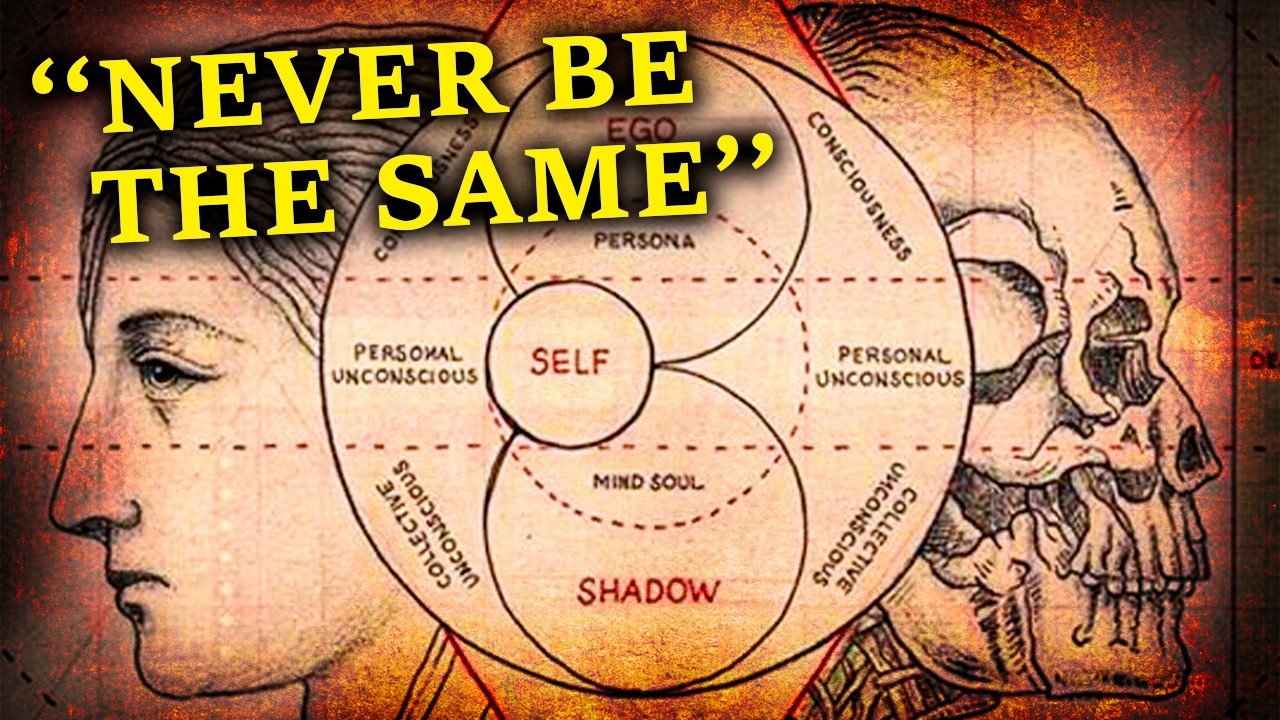
Jung believed that the path to authenticity begins with the exploration of the unconscious mind. Much of what prevents us from living authentically lies hidden in our subconscious, influencing our thoughts and actions without our awareness. As he explained, "Until you make the unconscious conscious, it will direct your life, and you will call it fate.
" This quote reveals a profound truth: we are often the architects of our own struggles, even if we don't realize it. The unconscious mind is like a shadow following us wherever we go, shaping our decisions, fears, and patterns of behavior. To live authentically, we must bring this shadow into the light and confront the parts of ourselves that we've suppressed or ignored.
The barriers to authenticity often stem from early experiences, societal conditioning, or deeply ingrained beliefs. For example, a child who was constantly criticized might grow up with a fear of failure, holding back from pursuing their dreams. Another person might have been taught to prioritize others' needs over their own, leading to a life of people-pleasing and self-neglect.
These patterns can feel so familiar that we mistake them for our true selves, but they are often masks we wear to protect ourselves from pain or rejection. The poet Rumi offered a similar perspective when he wrote, "Your task is not to seek for love but merely to seek and find all the barriers within yourself that you have built against it. " Both Rumi and Jung emphasized that the journey to authenticity is not about acquiring something new; it's about uncovering what has always been there, hidden beneath layers of fear, conditioning, and self-doubt.
Acknowledging these barriers is not easy; it requires vulnerability and a willingness to face uncomfortable truths. But the reward is a life that feels genuine and free. When we confront and integrate the unconscious parts of ourselves, we become whole.
This process, which Jung called individuation, is the essence of personal growth. It's about becoming the person you were always meant to be, unburdened by the expectations or judgments of others. Living authentically doesn't mean rejecting the external world entirely.
Jung's teachings often emphasize the importance of balance. While the journey inward is essential, the external world also offers opportunities for growth, connection, and inspiration. The key is to find harmony between these two realms, recognizing that both play a role in shaping our experience.
One way to cultivate this balance is through a practice I call 50/50. It involves dividing your awareness equally between your internal and external realities. For example, if you're walking in nature, you might focus on the sights, sounds, and smells around you while also noticing your internal sensations, your breath, emotions, or thoughts.
This dual awareness allows you to remain grounded in yourself while fully engaging with the world. Of course, achieving a perfect 50/50 split might feel overwhelming at first; you can adjust the ratio to suit your needs: 70/30, 80/20, or even 90/10. The goal is not perfection, but presence—maintaining a connection to both your inner and outer worlds.
This practice fosters a sense of wholeness, reminding us of the richness of our existence. You know that your internal and external experiences are interconnected. Authenticity is not a destination; it's a journey.
There will be moments when you feel completely in tune with your true self and others when you feel lost or disconnected. Both are part of the process. You believe that embracing these contradictions is essential for growth.
He often spoke of the integration of opposites, the idea that to become whole we must accept all parts of ourselves: the light and the dark, the strengths and the weaknesses. This acceptance requires self-compassion. Too often, we judge ourselves harshly for not living up to an ideal or for making mistakes.
But living authentically means embracing your humanity, imperfections and all. It's about giving yourself permission to be a work in progress, to stumble, and to learn and grow. At its core, authenticity is about freedom: the freedom to be who you are without apology or pretense.
It's about making choices that align with your values and trusting your inner voice, even when it goes against the grain. Society often pressures us to conform, to fit into predefined roles, or to pursue goals that aren't truly our own. But living authentically means resisting these pressures and staying true to yourself.
This doesn't mean isolating yourself or rejecting the outside world. Authenticity is not about rebellion for its own sake; it's about alignment. It's about finding the courage to walk your own path while remaining open to connection and growth.
Carl Jung's teachings remind us that authenticity is both a privilege and a responsibility. It requires effort, introspection, and a willingness to face the parts of ourselves we'd rather avoid. But it also brings immense rewards: a deeper sense of purpose, greater inner peace, and a life that feels truly your own.
As Jung wrote, "The privilege of a lifetime is to be who you truly are. " This privilege is not granted to us by others; it's something we must claim for ourselves. And while the path may be challenging, it is also profoundly liberating.
To live authentically is to live fully, to embrace the beauty and complexity of your inner world, to connect with the richness of the external world, and to honor the unique truth that resides within you. The journey inward is not separate from the journey outward; they are two sides of the same coin, each enriching the other. By turning inward, we awaken to our true selves; by engaging with the outer world, we bring that truth to life.
Together, they form the foundation of a life lived authentically—a life that is, in every sense, your own.