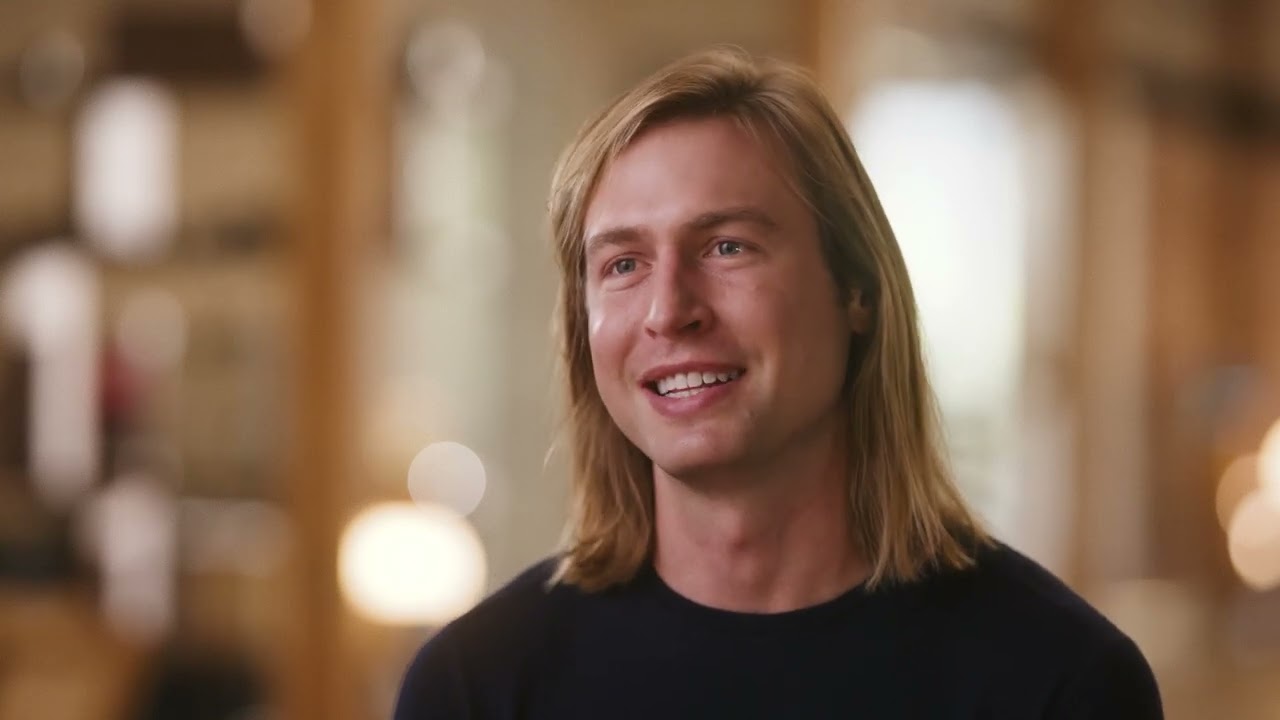
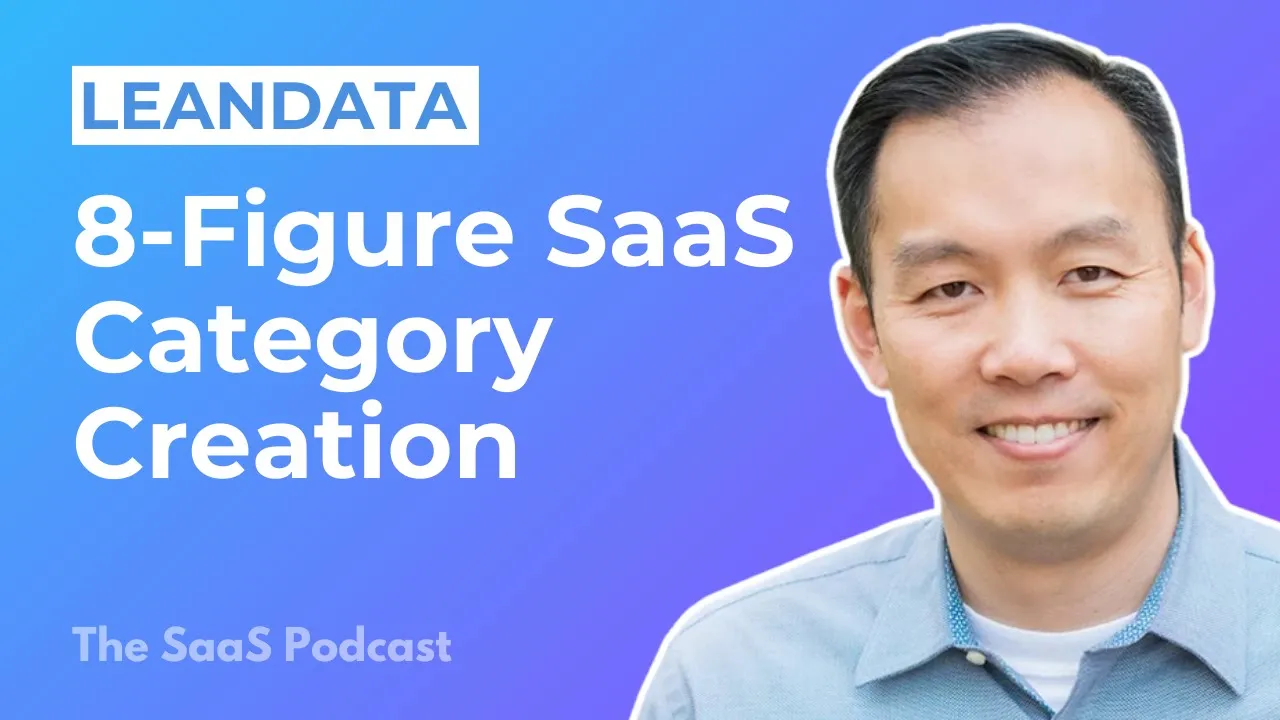
all right Evan welcome to the show thank you excited to be here do you have a favorite quote something that uh inspires or motivates you or just gets you out of bed in the mornings that you can share with us yeah so uh so one of the bosses I used to work with uh in the vet Capital industry used to always greet people like how are you doing he'd be say just living the dream you know and I think that really applies to kind of my model for every day is you know even on the
most challenging days being an entrepreneur I got to remember this is what I really wanted uh is to be an entrepreneur and I I just live up to that that I just remember that I'm doing exactly what I love doing and on the challenging day that's why why I'm doing this job is to be able to make a difference and have the feeling that I can make a difference and so for me that would be the quote that sums up how I think about uh approaching each day I love that I should steal that that's
a that's a that's a great way it's just like you know gets you in a good good frame of mind even on those days when you don't feel that great like okay so tell us about lean data what does the product do who's it for and what's the main problem you're helping to solve yeah so lingad is built for uh your revops team or your sales Ops and work Ops teams and we're really sit between uh your Marketing Systems or we take marketing leads or marketing signals and we make sure that it gets to the
right uh salesperson uh for the sales followup so it's kind of it's an interesting part that we kind of sit within your Mar marketing and sales Tech stack and kind of sit in between and do this thing called uh matching and routing or what we call Revenue orchestration uh the best example is uh since this audience is B2B SAS all you all have kind of a contact us form on your website we make sure that someone after someone fills that out it gets to the right person and it sounds easy but it's actually more complicated
as people scale for example if an existing customer comes to your website you want to get that to an AM or CSM if it's an open opportunity you want to get that to an AE and if it's a brand new account you want to get that to an SDR so lean. is a system that figures that out for you great and can you give us a sense of the size of the business where you in terms of Revenue customers size of Team yeah so we we were the Pioneers in this space uh so we're a
little bit over a thousand Enterprise customers many of the brand names of companies you uh you've heard out there like Nvidia Google you know uh snowflake Etc um and then uh I think of like the the the the journey kind of like 0 to one 1 to 10 10 to 100 I would say that uh we don't public we're in that Journey between 10 to 100 million kind of kind of halfway through that great and I think you've raised just a little over 42 million that's correct excellent okay so let's go back to 2012 I
think when you you found out the business where did the idea come from yeah so it was mostly personal pain points like a lot of entrepreneurs story my last company uh had an inside sales team we're using sales force and we were bringing in marketing automations and as we were stitching those systems together we ran into a lot of problems with data and processes that made it hard for us to get the full value and so for me having that pain points was with the light bulb moment went off that hey a lot of companies
are going to struggle with this as uh CRM went from a data Silo to Integrated Systems if you don't get your data and processes correct you're not going to get the full value out of your Tech stack so if if a company could help people solve that right make sales and marketing teams more efficient using better data on processes we thought we could build a pretty interesting company so that was the initial Genesis from a paino uh we're still doing that today although how we do that has certainly iterated and changed over years great so
it was you and your co-founder Kelvin and uh so you have this idea this a personal pain very common situation what did you do how did how long did it take you to get to the point where you went from idea to Let's actually jump in with both feet and and get started yeah so I'd say I I I started solving the pain in my last company caring.com we built some internal systems I had uh I had basically Ops uh like a an engineering team so we actually solved it there a really Cor solving was
a lot of things around matching technology so fuzzy matching and then it was probably like nine months later was like Hey I I I really enjoyed solving that problem I wonder if that's an actual business right so then spinning out to do that and then the main thing was finding my technical co-founder Calvin someone who I could uh Trust and Believe In we actually signed up our first few customers fairly easily uh so I went out and did the sales process primarily through connections so we got beta customers from folks who were just like hey
do you have dirty Pro dirty data in your Salesforce instance and L people be like yeah how are you can you help me solve that so and just around a specific notion around initially what we solved was again this thing around fuzzy matching so back then people thought of the email address as a unique identifier right so that's how they were doing it and we're like wait a second no everyone has Gmail back then hot mails yahoos and so this is very very inaccurate so we found a way to make those matchings to to find
the right people and so that was the core IP initially to get uh the initial set of C customers interested in working with us to to have better Fidelity around identity recognition or I mean there's a space DD and data quality yeah it sounds like the product was very different when you started out to what you what you just described lean data as today and yeah I think many times Founders are starting out on that journey and they maybe have a big vision and I don't know what you how big your vision was at the
time but often when you go back and you want you sort dig into the story like we're doing with yours you realize it was a pretty specific you know problem you were going out to solve rather than we're going to revolutionize you know how you you're kind of running revops or whatever um I think you we were talking earlier I think you said you went out and got like the first 20 or so customers yourself that's correct did you have any background in sales have you done anything like that before no I hadn't had a
background in sales uh i' previously actually been a VC uh so I'd been on the dark side and so through that uh I did have connections so I I could get friendly introductions to people either folks that I had known and obviously I was also able to raise Venture funding really early so there were friendly portfolio companies and stuff like that that I could could reach out to but it was uh so so I think but you still had to like sell yourself so back then I think it was we were selling the pain not
really a solution so we're selling hey do you have do challenge just with with like I said dirty data or processes that wer and there a lot of pain there still is today and so people were eager to be like okay well fine and then how do you do that and so that that's where that having us key like IP or again the IP for us was initially this matching technology which is still part of our overall Solution that's kind of core about solving one data problem that other people didn't think that was be solid
and that gets your foot in the door to start working with customers and towards your point how did we evolved it was mostly about just being very customer oriented understanding your customer pain point and evolving with them so that's that's how we kind of came to where we are um and so we had been talking like hey how did we get to the next phase of bro it was a couple customers came to us with an interesting problem that they thought we could uniquely solve that didn't exist in the marketplace so that's kind of how
we didn't took that next Le for the first 20 it was like we just want to get access to data understand people's pain points and be be in a ready state where someone had something that was going to drive towards something broader we were ready to uh to to be there to understand it great I definitely want to dig into that and and and you know what what you heard from those customers just a couple of more questions about getting started did you did you go out and uh like were you just going out and
talking and trying to find people who had these problems before you went out and built the product or did you sort of do that in parallel based on the fact that you'd already kind of gone through that at caring.com and you felt like I kind of know this this space well enough you know so actually we did the the market research in advance and uh before building the product so we actually had talk to people around the pain points uh understanding that they have those things and so we uh around like 10 or 15 who
was doing informational interviews so we had a sense of what we were trying to build uh and because of my Venture background I was fortunate this doesn't apply to all the uh listeners uh we were fortunate to raise money before we actually had a had a demonstratable product so so it's so the initial scene money came in based on the team and so then once we had initial set of requirements then we started building the product so people should go and try to become a VC first to make it easier to raise money I think
the broad thing is everyone should play to their own strengths so I think uh you know if you're engineering by training and you know spending time building the product isn't isn't a high hurdle do that right if you're a great sales guy and you can get people to sign contracts do that uh and so for me given uh my background uh uh having friendlies uh I was able to go to folks who I worked with in the past and we at least willing to bet a certain amount of money just based on just based on
the on on the team itself so but I don't think every every path is different do do you remember how much you were charging for the product back then with those first 10 20 customers yeah no it was uh I think the interesting part is we wanted to build a SAS business right off the bat so uh so we were charging kind of like 10 to $20,000 uh kind of on a annual basis so that was kind of like hey we were going after mostly mid-market customers and that's kind of generally the price points that
they're willing to to pay and a budget for Tech Solutions and yeah especially if you find a problem that that's painful enough right that was the key here that you went you you you had that personal experience and then you went out there and found the people who had had the same pain and it makes the you know obviously the sale a little bit easier than you know but you know I think it got more challenging after that and we'll we'll we'll talk about that but going from the first 10 or 20 customers to the
first 100 you started to do uh ABM account-based marketing can you tell us about that like why did you take that approach like it's not the first thing that most Founders or startups do they'll you know go out and do send cold emails they'll you know do a whole bunch of other things right but why was it ABM that that worked or was it you tried a bunch of things and they didn't work and this is where you landed yeah so it wasn't um uh one slight thing is is we actually uh so ABM actually
wasn't around when we were first uh around until like 2015 or so uh so what what so much is that hey we initially started off doing the the fuzzy matching ddop space and two of our early customers came to us more ketto and pal Alto networks and they were like we want to move to an ABM Motion in order to do that we need to solve a data problem called lead to account matching we need to be able to match our leads against our existing accounts in order to understand what accounts we should be marketing
against and so we were able to use our technology to build that foundational Le to account matching technology and we actually started uh helping to uh evangelize the ABM space so it wasn't so much we were using ABM internally it was that ABM as a go Toom Market motion started lifting was a rising tide that lifted a lot of boats and we hooked our product onto the uh ABM wave and a lot of people became interested in ABM and so we went to a maretto conference and we basically said hey you know we're going to
sell a a uh basically we didn't really have we had like a core of a product but we're like hey if we solve your lead to account matching would you be willing to buy uh and actually it was interesting is we wanted to test it out so we actually lowered the price to $2,500 so that it was just like you swipe a credit card and it was like a simple View and we signed like 60 customers and we're like okay we're on to something here there's actually demand here for people granted it's a low price
point but hey let's build out a full product that allows people to do lead to account matching at scale so what we had sold that maretto was basically a widget that you could see inside your Salesforce instant all On Any Given account all the leads that matched against it yeah great so for people who who don't uh understand lead to account matching can you just explain what that is and and more importantly why was it a pain for those companies what were they not able to do to run their business effectively yeah so Leal account
matching is just basically the idea that how do I know that a whole bunch of people belong to the same company so uh inside your uh CRM database it comes in as leads leads are free flaming objects they're not associated with anything and if you want to sell to let's say like an account like IBM you you probably have thousands of people in your database that have the IBM account but they're not actually tied to each other and so Le to account matching allows you to actually physically tie all those people to a single account
on average um uh in most B mature B2B companies database 50 to 75% of the leads in their database belong to an existing account they're just it's just not matched up uh correctly that way and that makes it really difficult for you to from a sales and marketing perspective to actually Target those people if you're not seeing the whole picture of an account and so that's why it was a Necessary Technology as people made that transition to ABM and and presumably some of those email addresses aren't ibm.com email there maybe a Gmail address or something
like that yeah or or a other one ibm.com and IBM us. ibm.com are two different domains but obviously most people would associate that to the same so you think about Acquisitions you think about you know different domains and all this other stuff and now you get a sense that hey it's not so easy and generally speaking people who did before us it was like hey they would do it by domain so guess what there' be one account that has thousands and thousands of contacts because it's a hotmail.com right so that's a problem just explain to
us like how how did how did your product solve the problem like what were you doing yeah so we were known for uh solving fuzzy matching so before that we were in the dup so we were matching people with like at uh lean dat.com with at Gmail and so the the that was just to recognize the same person and so when you think about elad account you needed similar fuzzy matching technology but at the uh at the account level it was the same solution in in many ways with the technology but you just found another
problem that you could go and solve or customers kind of helpfully came to you and and told you about it um you said you signed up like 60 customers when when you made that you know that that kind of product available for 2500 over what period how quickly did you Des sign those customers oh those were all one conference we just put out booth and we just said so we were just like Hey we're at this conference we lowered the price point and we're just like hey we can solve this thing uh and it wasn't
a revenue goal it was uh and actually that's that's a good learning we set more of a customer goal we wanted to get to 100 customers I was less concerned about the revenue to prove the product Market fit because uh after that product was just a glimpse into the product to actually do it at a database level required probably another year of development and we want to validate that this was actually the right direction to go in okay great so that's a that's a great signal that you're on to something that people really care about
and are obviously willing to pay for where did you go next what did you do with the product yeah so from there we just kept on building and I think for us uh there wasn't other we were kind of a Pioneer in the category so we were trying to build out and evangelize around this new space we didn't know what to call it the analyst didn't know what to call it so it was kind of hand to hand just kind of building up the the category and just again listening to our customers and trying to
add features that they really liked and so we went from just a pure lead to account matching technology to understanding what people were using it for and so one of the pains they had next with account-based marketing was they needed to align the right leads the marketing signal to the right reps because in an account-based motion you have certain reps that are assigned to these Target accounts and so this was a a routing problem and so we ended up adding a layer of routing technology on top of that they were also using this for reporting
so we were actually also building a reporting feature the routing feature ended up becoming much more popular much more sticky and growing and so over the next few years it was just about category creation and then eventually we kind of broadened out we started with account base and then we started realizing that most of our companies customers were only account based they were always account based plus Channel account base plus speed to lead account base plus territory so our products started adding things like round Roba and territory manage uh you know how do you do
Channel partners and so then then we became across multiple go to market motions so we became a rounding solution across any go to market motion and uh continue to do that Evolution at there's new go to market Motions like today there's folks moving towards buying groups away from account based marketing we continue to work with our customers and continue to service them across any go to market motion when you signed those 60 customers the at the event where were you in terms of Revenue were you still like below a million AR or had you gone
past that yeah below million AR so we had like 20 yeah we were like we were probably like less than like 100,000 in AR so oh okay uh and then the the event was was great what did you do what helped you get to that first million like did you start doing more events and just say let's just repeat this yeah so I think events had always been important for lean data and uh for us it was really around hey staining up some of these comstomers then we started signing some bigger customers right so some
of these initial uh Enterprise so like that price point was a cheap widget that we could sell to prove it and then we started working with some deeper Enterprise customers so then you start signing some sixf figure deals so that certainly helps you get to a million a lot faster uh but for us in terms of uh from a marketing activities we'd always found that being because we had a solution that no one else had heard of it helped to be face Toof face and what helped most is if we could bring a customer in
to this to the same place as a prospect so what always worked for us better is our customer selling on our behalf because they always and this is even still true today I I host dinners and a customer was just like raving about us and the prospect was like man how much are you paying this person he's like a raving advertisement I don't have to say anything I just sit there and I'm like yeah so you know what's better than hearing it from uh from from an employee or sales rep is way better hearing from
a fellow customer usually if it especially helps as customer they uh company they respect right so uh that's that's the best way so for us that's why events work really well uh and we tend to go to events that our customers are speaking at or already at because then we can just ride those cat W waves and just be like hey you heard them they use us and you can talk to them and they almost in some RS help you sell uh and that's that kind of peer-to-peer validation that's so much more important and it's
really important in the category they're like I wasn't looking for this I didn't know this could be done right that's really really helpful when you're doing something new that people had thought of that validation that it can be done when it's possible to how powerful it is uh is is is really important to get someone over the hump and often times there's no budget line item right yeah well well let's talk about that the the whole kind of idea of a new category can you maybe help us expl just explain to us like what what
the challenges were what the struggle was in in being able to help prospects understand what exactly you did and you know maybe compare that to like the Zoom example we were talking about earlier yeah so I think it starts with like what's the elevator pitch right it's really hard to to explain it uh to folks and uh because no one's ever kind of heard of it beforehand and and so it's so a good when we were using the zoom so when Zoom came along they were just able to say hey we're like WebEx but we
actually work and we cheaper that's that's very people have another product in mind something in mind that they can compare it to uh when you're doing this category uh creation thing people don't have that context one they don't know it's possible so they don't even know that they're they're not even looking for it uh an analyst uh Craig Rosenberg at too used to describe us as like we're like pain medication for back pain a lot of people have back pain but they don't even try to solve it they don't even know that is medicine but
once you take the medicine you'll never go back because it's it's kind of Life altering but people just live with it so that's kind of most of our prospects when we approach them they they're like oh yeah I have that problem but I hadn't thought of that that there was a solution for it uh and so you so often times one of the big challenges is uh I have to sell someone three times the first time we have to explain what it is and there's like Blown Away no idea didn't know I was it second
time they'd be like oh yeah I get it now and the third time they usually buy it and they're like I wish I bought you the first time we're like yes that's the story we hear so that makes say but it takes almost three sales Cycles so um so one of the big pain points it's just slower like it just takes longer it's more educational and you have to spend that time getting to know people and they're not going to get it on that first try and therefore that kind of impacts your growth rates right
you're not going to grow like some of these companies that can grow very very fast uh like like a zoom during the pandemic it was just people knew the problem and it was slightly better and they willing to move over and do that those adoption curves just may take a little bit longer and you have to have the patience and you also just have to have the wherewithal to um to kind of survive long enough uh in order to capture it if you uh you know if you go too fast and blow all your Runway
away you're not going to be the one to to reap the rewards you said you had to meet with them three times before you could close the sale how long was that taking like was this like oh 3 weeks later you're closing the deal no it's kind like that's usually like three years now there's some customers who buy in year one so but it is funny like we will sign logos many uh years ago there there's never customer logos I had like a top 50 list of like companies that my ecosystem that I wanted to
sign and it would be like four or five years later like oh we finally got that one and I was like yeah we've been talking to them a long time and I'm glad they finally came around um but it is uh but we uh but yes just help us understand like why it was taking that long and when you describe that I think about okay first of all you said something very insightful earlier where you you talked about selling the pain and many Founders go in and they'll start immediately talking about the benefits we deliver
and how this product does XYZ and whatever but if the person listening to you doesn't even get the pain none of that is going to register and especially when you're going through something like this it's a new product new category it seems like there's there's a there's quite a lot of Education that you need to do there and then also you also touched on budgets that you know it wasn't something they were budgeting for so did you find that okay eventually when you got to the to a point where they said okay yeah I I
get this I have this pain I didn't realize I could solve this and then it was like well don't have the budget for this or were they like I this is I get it now and we we're going to go and reallocate some budget and find some money for this or it was like come back next year yeah so I think generally speaking uh so you oftentimes in the first cycle they do they do get the pain right so you can that's where you start with is like hey did you do you have these pain
points around like like I said lead to account matching or or your leads aren't going to the right place and most people will be like yeah nodding their heads yes I agree with that so that's like kind of your first cycle is to get them and then that's where you do run into it they're like I wasn't looking for this I didn't know I was looking for this solution and I don't have budget for it and that's where like year one usually you're you're getting like some interest but they may not be able to pull
the trigger now there are some companies fortunately you do have to sign someone there are early adopters there are people who are in internal Champions who are able to they're like they they line with you they're willing to try a new tech and they'll they'll push it through you you you have these like Rogue Champions who are fantastic your true early adopters uh but then you have the folks who are a little bit more conservative and they're going to be like yeah I can't push it this year so then the following year they're like yeah
I've we've seen these pain points that you were talking about like hey now I know I could solve it it becomes more obvious in year two that they they have these these payment points and then usually at that point time like I'm going to fight for budget maybe they don't get it and year three they're like no we have this in the budget I know I want this I've got approval and everything of that sort and they're they're ready to go um and so that's why it takes a little bit longer for it but there
are customers that go faster and then there are customers who go slower and oftentimes there's some who like yeah it's not a priority for me or that's not my department or I'm not willing to fight for that right and sometimes uh it takes uh it takes a different mentality um and this is your classic crossing the chasm I mean I've often talked to Founders who are sort of at the other other side of that and and I've said you know you you should be looking for more early adopters here and and often it's like well
how how do I know and and you went through that process and so was it more about you were just going out and talking to everybody and and then you started to identify these people through conversations or over time did you figure out these are the types of companies or people in those organizations that we need to reach out to because they're more likely to be an early adopter yeah so I think uh the interesting thing part is uh uh we're talking about events early so there's communities early adopters tend to glom together and want
to learn from each other and so there there there is these Community aspects that you can hone into and find out the pockets of early adopters and so uh I talked a little bit about maretto Summit was really big for us so we often times one of our Guerilla strategies is we'd go to maretto meetups uh and so we'd go there and that's where you're going to find uh bands of early adopters they're there to learn and they're more eager to do that and so um yeah like I think I signed up for Market I
knew marketing automation was going to be a space that was going to H uh Drive the data they so I believed I signed up for maretto when there was two of us so I would just start going to the maretto uh meet ups and I'd go to I think they had a Sano s Francisco and San Jose so I went to all three and so in those EVS I got a chance to meet them a lot of those became early customers because they had that mentality of early adopters as you scale you just build to
other bigger communities and so always been something that's important for Lan data so a long time ago we started uh dreamforce is huge right Salesforce has ecosystem but it's a huge event how do you work that as an early stage startup so we banded together with a bunch of other uh vendors and we started our own little conference called opstar so we rented out a restaurant we brought in folks us we were in early in the movement around revops brought people together so there's ways you can have go to places where the early adopters congregate
right and find way ways to capture them uh and so today opstar is the biggest satellite event at dreamforce it has like uh 2,000 plus attendees we rent out the San Francisco mint every year um and so we have this brand has been going on for eight years around Community but it started with our needs was how do we take the 150,000 100,000 people go to dreamforce and find the ones that are most eager to actually adopt early uh technology and how do we bring them together in an efficient process so we've talked about what
worked how you were able to grow the business let's talk about a couple of things that that didn't work and you're trying to grow yeah so uh traditional uh digital marketing buying key AdWords did not work for us it has never because uh like I said people aren't Googling and searching for for we're not searching for our technology uh we we didn't know what to really call it we had to make up the name and so there aren't keywords every person I brought in would be like yeah we we've hit our limit there's no keywords
for for this I I can't even spend more money so uh so the traditional like inbound wasn't the thing because it wasn't something people were necessarily searching for that's hard because if you have a great inbound digital strategy it scales quite nicely right put more dollars in uh and not being able to do that forces you to be a little bit more creative um and that that that's not as easy and and or you just continue to spend money that that that that that doesn't work this this trying to get AdWords to work was this
happening before you were getting more and more um kind of effective at converting at events and meetups or was this in parallel like in timing wise when was it happening it was always in parallel so I mean that's one of the first things you do stand up you start testing out with it you bring in the demand jet experts who who who know how to do it and so that's something that we just uh has has has never really worked at tremendous scale for us uh now there is a little bit more so it is
part of our strategy but we've never had that as a as a flywheel that truly drives we' had to be more uh evangelist in terms of our our channels so you you mentioned that you went through a few people was it like okay you you've brought somebody on to do AdWords and you know they weren't able to get it to work and you're like well maybe maybe it was the person maybe I need to try somebody else and then the next person kind of hits the same problem and yeah when once you get to the
third or fourth you're like okay it's not the skill set there may be something else here it may just be more of the tactic the strategy may not apply and sometimes you know what works at another company may not work at yours and so and vice versa right what works for us may not work for someone else I mean I I imagine it might be a little scary when you come to that realization that I can't scale by throwing more money here that is and so like you you'd raised money uh you're trying to grow
to the business I'm sure you've got expectations from VCS as well about how quickly you should be growing um kind of sounds like a nice recipe for um you know for you to be telling people that you're living the dream a lot more fair enough yes uh I think yes it's something a little bit be patient uh I do think you have to be trying new things but I I do I do caution a lot of times when people come in externally Del lean data is hey The Playbook that works somewhere else may not work
here there are e syncrasy of our of our our Market that we just have to adjust with um and so I think that does come with being transparent with your board and making sure you're aligning around it um but I also think sometimes you don't want to uh keeping up with the Joneses maybe another phrase that you just got to be careful about it right uh when everyone's uh people think money is free growth at all costs You' got to be a little bit cautious to apply to your own business and so uh fortunately that
was one of the things that I think we did do well was we over rais from a capital perspective we didn't chase valuations and you know now that things have adjusted a little bit uh post uh 2021 money is no longer free we didn't have that overhang we didn't have a huge burn rate we didn't have all this capital and so you have to also be a little bit confident that while everyone else says this works there you have to have the confident to sometimes push back and be willing to say hey maybe we're different
right um doesn't mean we can't learn and potentially do things better but uh just because it like I said just because it were somewhere else doesn't doesn't mean it works here yeah can you give us a just a a sense of what that was like what kind of pressure you were facing or kind of mentally what you had to deal with when you know on the one hand you're trying to figure out how to grow and you know these attempts at things like ADW is is is basically failing you've got VCS who are putting you
know at least have expectations of how quickly you should be growing and then when earlier we were talking you were also talking about and then you're looking out to the market and you're seeing other companies that seem to be growing much faster than you and doing really well and and you've got all of these things going on what sort of pressure did you feel from that yeah so I think the main thing is uh that's where uh I I fortunately was uh picking investors that I thought were going to support us as a business and
uh being able to have that transparency with your board is key so it's about that alignment and making sure that hey you can talk through it and as long as they feel that you're uh some VCS won't listen right you know they'll they'll fire the CEO and bring someone else in uh fortunately I had picked folks that I known and trust trusted and we could have that dialogue and they could see that we were doing the right things and they ultimately trust in management to do the to to to to the right course um and
so that was that's why I think we were able to do that uh if you don't have that trust and you know um then I think it's much more difficult and generally speaking that's when unfortunately changes happen uh whether you like it or not um and sometimes I think that's if you pick the wrong investors that could happen totally so how did you scale if you're not able to throw a bunch of money to grow faster you can't be doing like millions of these meetups to go and find people right so yeah so I mean
I think we had traditionally relied on a kind of SDR outbound so uh we we we had to outbound our learn how to outbound our way into it and then the other part of it is fortunately for us uh we did build we were category we category creators uh we treated our customers really really well and so we traditionally had something at a certain point in scale we had something called customer virality where we had people who trusted us recommended us but also fortunately in the tech space a lot of our old customers tech people
move around a lot so I I remember uh I think we were at like I don't know like 20 or 30 customers we were really early on and there was one month that a bunch of them changed jobs and I was freaking out because I was like oh my God that's a huge part of my AR I'm going to lose the business but what ended up happening is another we didn't lose any of those customers they went to somewhere new and brought us in I was like oh wait a second this is actually a good
thing when people move jobs uh is actually a good thing if you've built a great product and so a lot of us is we we we have evangelized we've built a community of folks who've used our products who who will then bring us into new companies uh and today we're at a point in scale where often times if we're going after a new account we'll often have two or three Champions land from different departments at different places into the same company and that that that really kind of makes you U uh makes it faster for
you to do the deal cycle we do do things like we invest a lot in customer marketing we have a certification program so we'll certify certifi people as leaned out of certified it's a badge of honor for them but it also makes it we also see certified users retain them better and when they go somewhere they're more likely to bring us in and so we kind of nurture that and those are ways you can kind of uh you know kind of build that and and as you get bigger you have more Champions and that kind
of builds kind of a a natural fly in some respects yeah so you talked about customers who who trust you and having customers who will basically do the selling for you at events and you're not paying them building a great product is one part of that but when it comes to building that trust and and them being able to be willing to you know advocate for you like that to be the champion what what did you have to do like as Founders was this was this about just you know you as the the founders just
going and and just building strong relationships with individuals or like how did you do that yeah I mean the first part is you have to deliver on what you promise so that's the first part when you promise someone I'm going to solve something you have to first deliver on that uh and so that was kind of an Mantra I mean our one our number one cultural value is customer first and so we try to live up to that and in the early stages uh yes uh I think as Founders and early employees we spent a
lot of time with our customers right we we we wanted to make sure uh I think one of the key things is uh my uh CPO who's been with us for like a decade when he first came I was like I want to work on product and I was like no you're going to take on customer success and I was like he's like I didn't sign up for that I was like no we only have like 10 customers and I need you to know their pay points because that will drive the product road map and
so now we have a different customer success Department today but at the early stage that you have to be that close to your customers and really be able to do whatever it takes to service them because that will be driving your insights and that those relationships do matter a lot if you can deliver for that initial set and have those raving uh Fanatics right that can kind of build if you lose that in the early stages then as well as you can sell or Market it's going to leak bucket right it you're just not going
to get that same flywheel and then sort of where the business is today like what do you where do you see this category happening what's happened in the last 10 years and and what do you think the opportunity still is yeah so absolutely so we kind of grown with our customers we've kind of got to a PR scale we rod in the ABM wave I think there's going to be a new wave of disruption happening around goto markets I think people went from a lead Centric model to an account centri model today uh there's really
this big movement around buying groups buying groups is the notion that you should be selling opportunities and you like within an account there are certain sets of folks that really really matter and I think that's going to be a big disruption in kind of the goto market and uh lean data today is the leader in helping people move to buying groups because of our technology and our way of helping people kind of do the revenue orchestration um and so we're excited to kind of help this next generation and what's interesting the the previous ABM W
was really D driven by Tech early adopters this buying groups is really driven by larger Enterprises uh they have multiple products multiple SKS multiple GEOS and so for them uh to take a big company let's say like an Amazon they've sold to everyone everyone uses Amazon even on the B2B Enterprise side right if you think like uh web services uh but the question is how do they get them to buy more how to buy more products Etc and that's not about account base that's going to be around buying groups and selling them more SKS and
figuring it out and that's going to be again disruptive to to Market so we're very bullish on this wave and uh we feel very well positioned we were a small company for the last wave uh so we were kind of riding the wave uh and this way we plan on trying to lead the way and from a thought leadership perspective we've ritten a definitive guide on on buying groups and uh we're out there uh espousing and trying to uh trying to lead the lead the next wave of go to market Innovation got so uh I'm
not far from an ABM expert but when you describe um you sort of said ABM was too broad leads kind of maybe to narrow and sort of buying groups in the middle but at a service level buying groups don't sound that different to identifying people in a company so how is how is that different it's so the funny part is for sales this is like mapping an account this is how they sell right so the best sales people do this it's it's it's about the systems datas and some of the other groups aligning on that
so that Hey so uh with the technology for the long time we just could barely get people names and leads right right so it's it is it is about natural the natural sales motion but making sure your data processes and systems and your other teams are aligned around delivering around this buying room so that's that's the difference is the technology and and and the processes is finally caught up to how people the best sales reps do sell Enterprise accounts great well we should wrap up here let's uh get onto the lightning round I've got seven
quick fire questions for you all right uh what's one of the the best pieces of business advice you've received yeah so I think um I think for me it's actually the early on I learned this lesson it was just don't run out of cash that's a good one what book would you recommend to our audience and why yes uh one book I really like for especially early stage is Founders dilemma so it's a book by Harvard Harvard Business uh review and it's basically about hey everything at the early stage is tradeoffs do you raise Venture
Capital do you not it's a tradeoff do you do try to be a solo founder or not it's all about trade-offs so for me I think that's good for Founders to understand that uh you really every decision has a has a consequence and you need to be thoughtful around each of those early stage decisions what's one attribute or characteristic in your mind of a successful founder I think it's a little bit to be able to rise above the noise and to be able to persevere um and so for me even when the kind of the
hits the fan I try to stay calm and you know understand to take the longer term perspective that you got to ride out that store what's your favorite personal productivity tool or habit so be not necessarily controversial I'm inbox zero and have been for 20 years uh and the reason I say that it takes a lot of time to write the emails but it makes me a lot more flexible and react I can react faster something in Urgent comes in I can react faster because I'm not it's not getting buried and lost I'm an inbox
zero guy too so it it drives me nuts when I see a scroll bar the in box what's what's a new or crazy business idea you'd love to pursue if you had the time yeah so I think a lot of the sales of mtech technologies have been around for over two decades um I think like I'll even say like I think there's a way to make CRM a whole lot better than what it's originally designed for so I think there in the next 10 years I think you're going to see some major disruption to how
we think about the entire sales of marketing step from beginning to end what's an interesting well fun fact about you that most people don't know so i h i I no longer drink uh but the fun fact is uh that was not the case in uh if you talked to someone in college they would have actually had a very different impression of me than the person you see today and finally what's one of your most important passions outside of your work uh other than my family I really enjoy playing poker I just find that to
be a strategic thing that I I really enjoy awesome thank you so much for joining me Evan um if people want to check out lean data they can go to lean dat.com if folks want to get in touch with you what's the best way for them to do that LinkedIn so have le great we'll include link to your uh LinkedIn profile in the show notes great thank you so much uh for unwrapping the last 12 years for us and uh sharing your story and the lessons you learned along the way I appreciate that and uh
I wish you and the team the the best of success cheers
![Go-to-Marketing Strategies for Startups [HubSpot]](https://img.youtube.com/vi/np45tpDBTN4/maxresdefault.jpg)