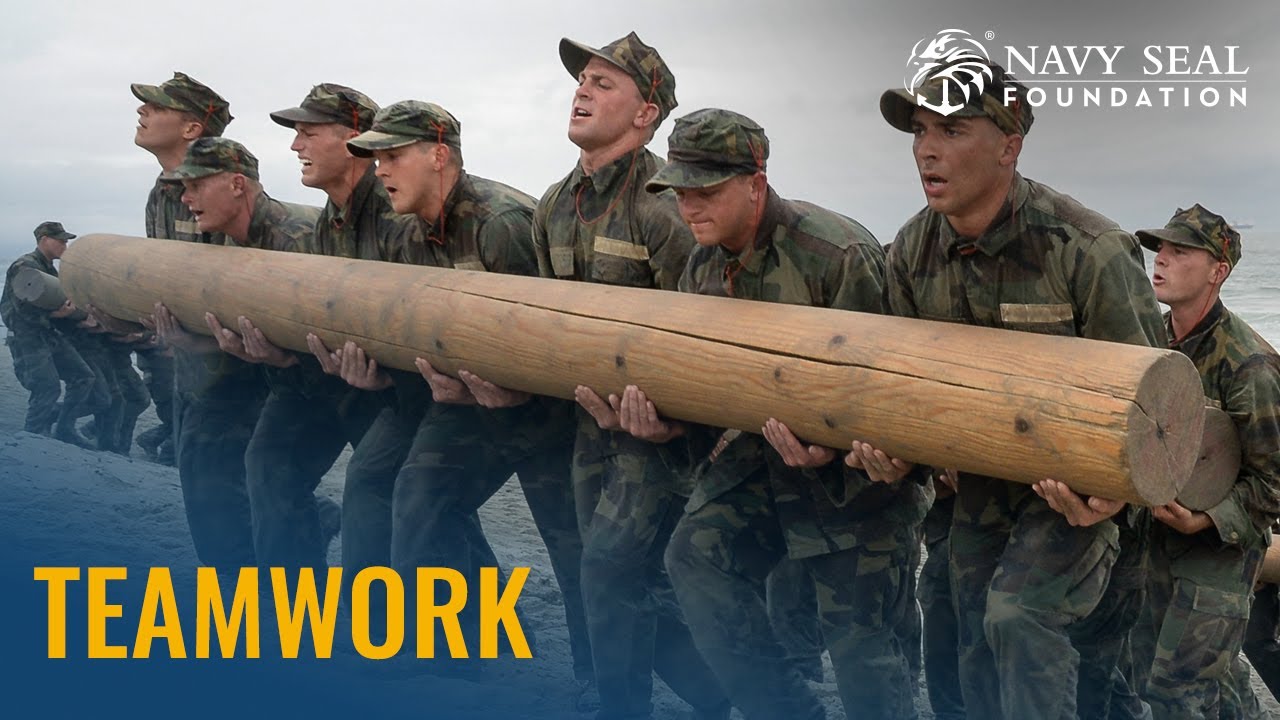
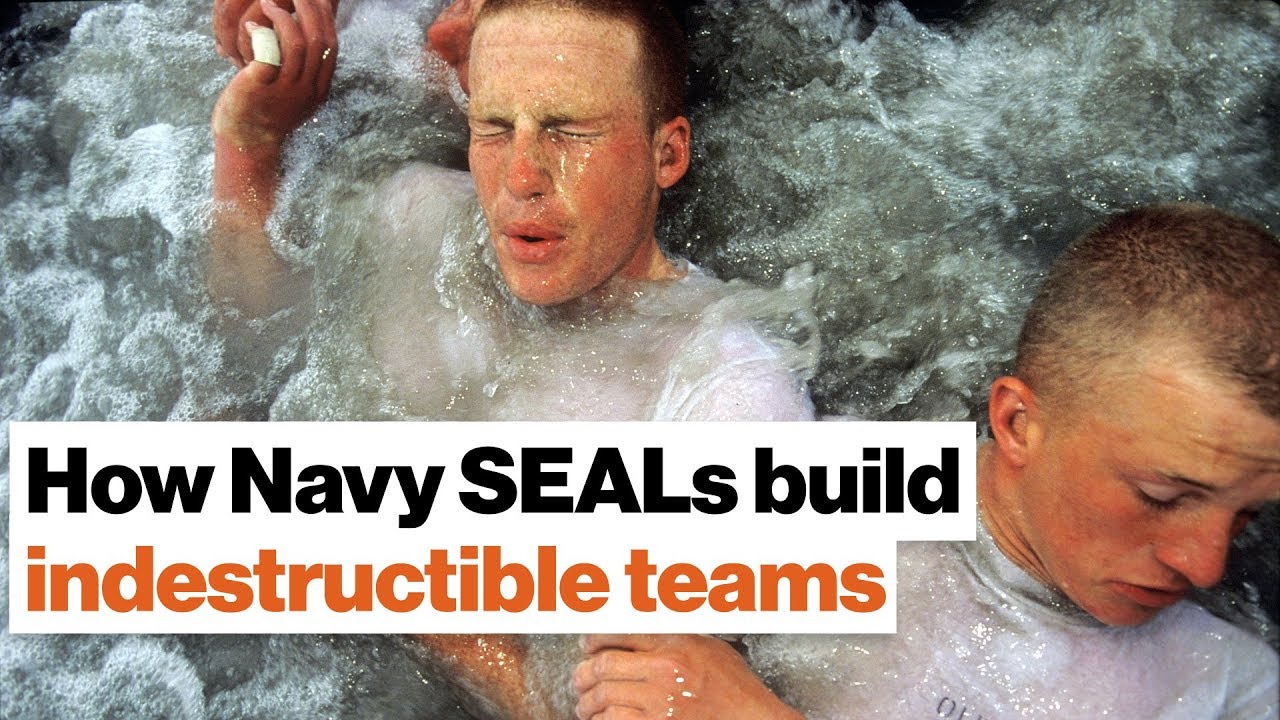
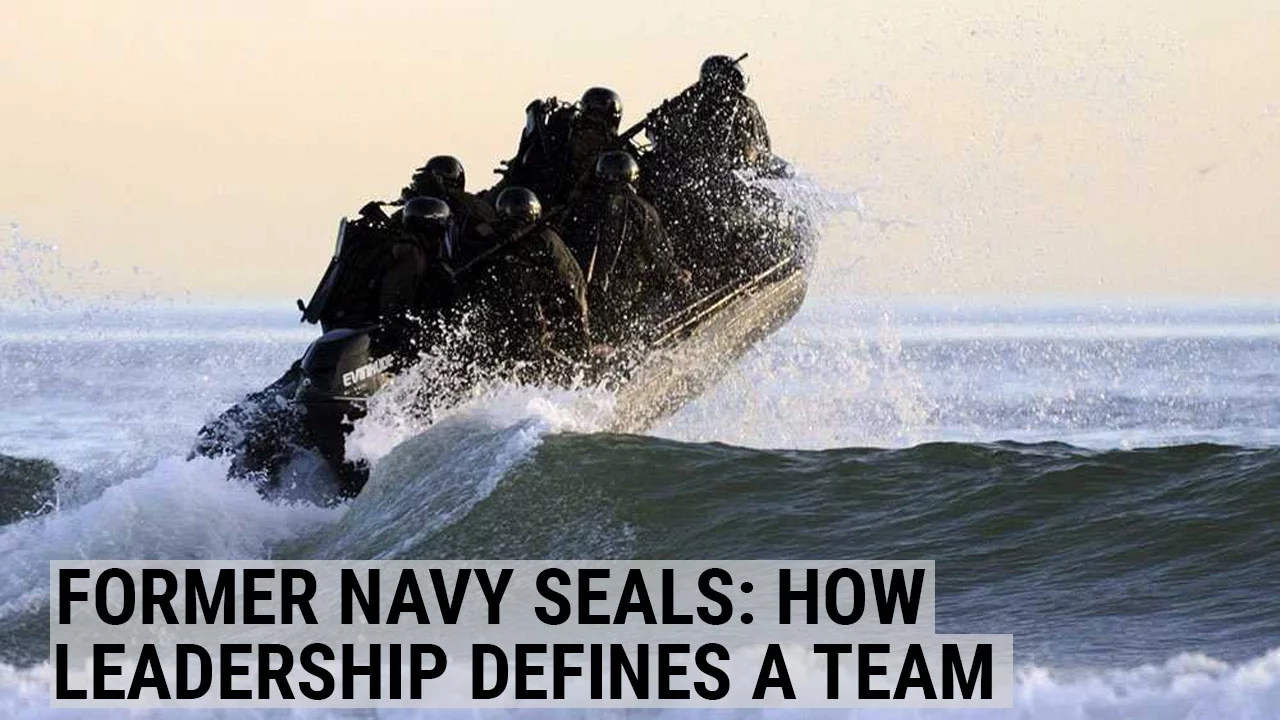
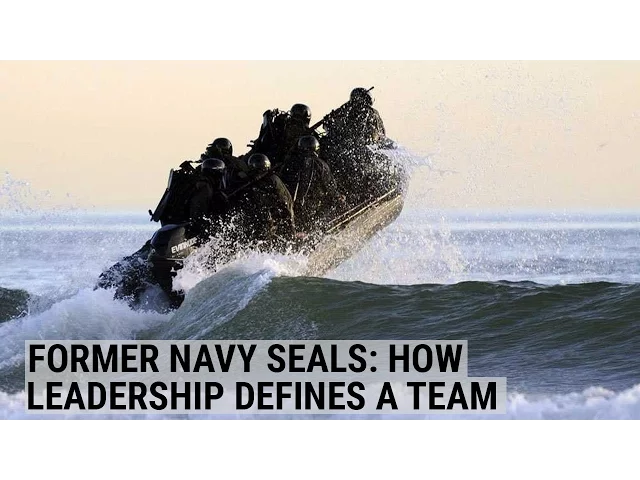
I was an instructor I'd come back from two combat deployments for Iraq Joo and I'd work together in the Battle of ratti and I was training leaders and teaching the next generation of seal leaders all the students are broken into teams and so there's there's seven guys assigned to a boat and they're carrying these big 200b rubber boats that's that's their team and each one of those boats has a leader the senior guy in that is the boat crew leader one boat crew is winning every race and they get rewarded by sitting out the next
race and another boat crew is losing every race and they're Miser falling behind the rest of the pack coming in 50 yards behind everybody else and you could hear them yelling and screaming and blaming things on each other we decided to perform a little leadership experiment we pulled the two leaders out and we swapped them out we put the leader of the bad Bo crew uh bo crew 6 and Bo Crew 2 put the leader of the good Bo crew Bo Crew 2 and Bo crew 6 and then we sent him back out there lo
and behold the the bo crew that was failing the worst Bo crew in the class Booker six now wins the next race I didn't even know how that was going to go as we watched it but it was just a glaring example to me of that this this principle is actually true there are no bad teams only bad leaders and so it's up to the leader to believe that it's possible for the team to do better believe it's possible to win get the entire team to believe it's possible to win and get them all focused
on the mission working together in order to accomplish that mission and and that's just how critical it is and JC when I work together in a number of different uh areas where we saw that happen where a platoon struggled a task unit struggled and you'd replace that uh that that leader a new leader comes comes in and turns bad performance into good



![THIS WILL CHANGE YOU! Navy Seal Admiral William H. McRaven [MOTIVATIONAL SPEECH]](https://img.youtube.com/vi/mMEq0r97T_k/maxresdefault.jpg)