[Music] prevention is a key focus of public health prevention is cost effective and beneficial not only to an individual but the whole population as well in this video we'll take a look at what prevention is how it works levels of prevention and different approaches to prevention so what is prevention prevention describes approaches or activities that stop the development or progression of a disease or its impact while prevention activities can vary depending on the type of disease they can be broadly classified into four levels primordial primary secondary and tertiary but before going through these levels we
need to know how a disease develops and progresses the natural history of disease let's have a look a person's health is influenced by the social determinants of health these are the conditions in which people are born grow live work and age and the wider set of forces and systems shaping the conditions of daily life these can increase a person's susceptibility to a disease or the likelihood of being exposed to risk factors a risk factor is anything that can cause or increase the likelihood of developing a disease such as smoking a pathogen or a carcinogen such
as asbestos a person's susceptibility is determined by factors such as genetic makeup nutritional status immune status and the presence of other diseases when a person who is susceptible to a disease is exposed to or accumulates risk factors pathological changes may occur in their body which signals the start of the disease process as these pathological changes progress it can eventually lead to the clinical stage of the disease this is the stage when a person starts showing signs and symptoms of the disease such as fever cough weight loss or pain it's in this stage that a person
typically sees a doctor and the disease is diagnosed the time from when the disease process starts to the clinical stage is called the subclinical stage the subclinical stage can vary quite a bit it can be short a few seconds in the case of an allergic reaction or many years for some cancers a few things could happen after this the disease can resolve either on its own or because of an intervention such as taking medication or having surgery the person can continue to live with the disease it may lead to a disability such as the inability
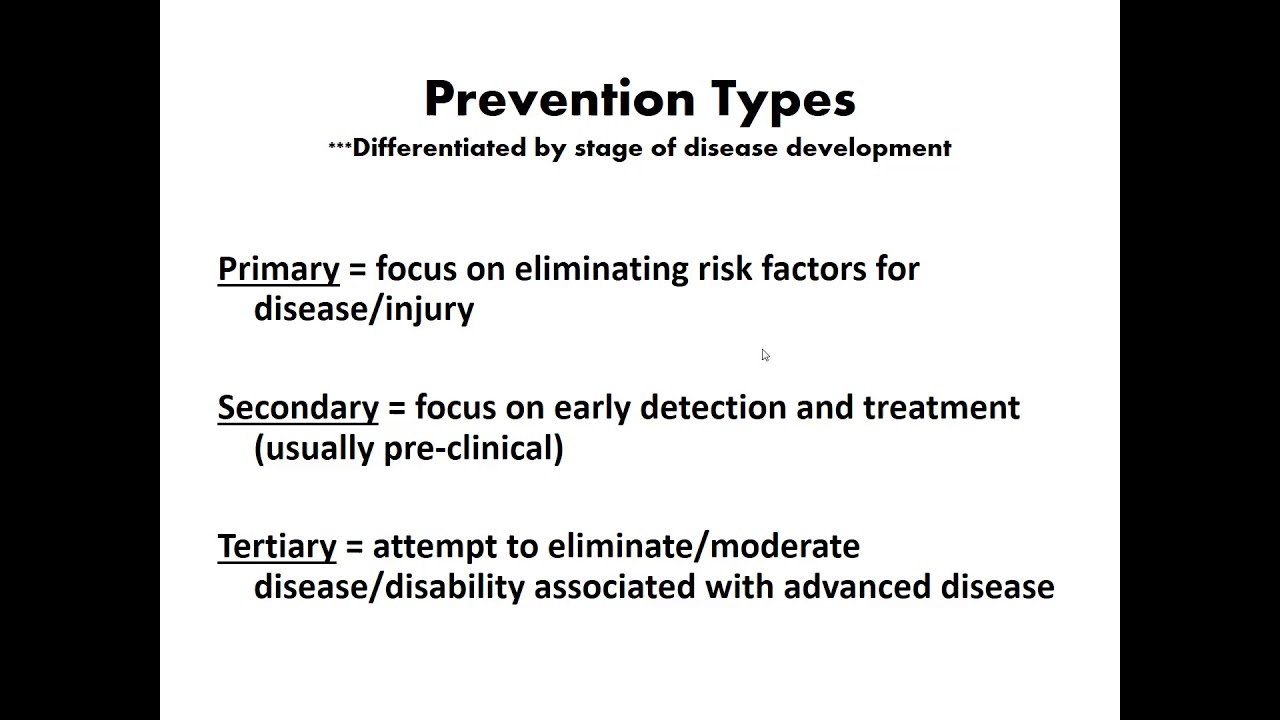
to walk and sometimes a person can die now that we've gone through the natural history of a disease let's have a look at the different levels of prevention primordial prevention addresses the broader determinants of disease in order to prevent the emergence and establishment of the social economic cultural and environmental influences that can lead to disease it includes actions like reducing poverty improving sanitation and promoting education it's a very broad area that requires the cooperation of many sectors outside health like the finance education agriculture and environmental sectors the goal of primary prevention is to prevent the
onset of disease it does this by reducing or eliminating risk factors reducing exposure or developing resistance to risk factors for example limiting access to tobacco products vaccination to protect against infectious diseases and ensuring safe workplaces to minimize exposure to hazardous agents such as asbestos the goal of secondary prevention is to detect a disease early at the subclinical stage by identifying pathological changes that are occurring before the person is symptomatic interventions at an early stage can prevent a disease from progressing and getting worse this is usually done through screening examples of screening include cancer screening for
bowel cancer by testing for blood and stools or newborn screening using a heel prick test to detect diseases like hypothyroidism or cystic fibrosis the goal of tertiary prevention is to reduce the impact of a disease through effective treatment education and rehabilitation this can make the person recover from their illness sooner improve the patient's quality of life prevent disability and reduce mortality and that's an overview of the different levels of prevention with prevention there are two broad approaches the high risk or targeted approach and the population or universal approach these were highlighted by the work of
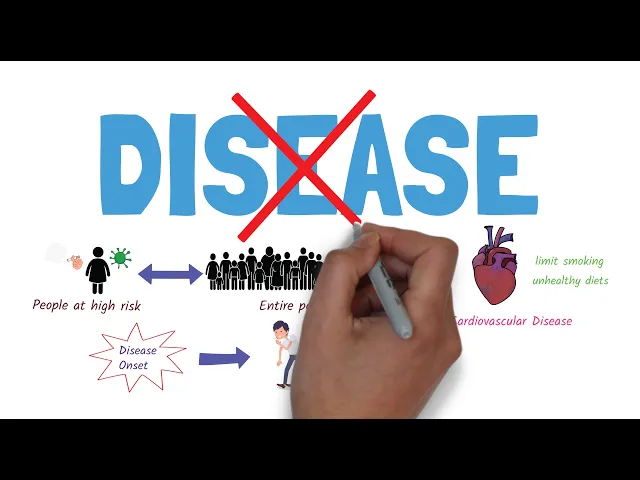
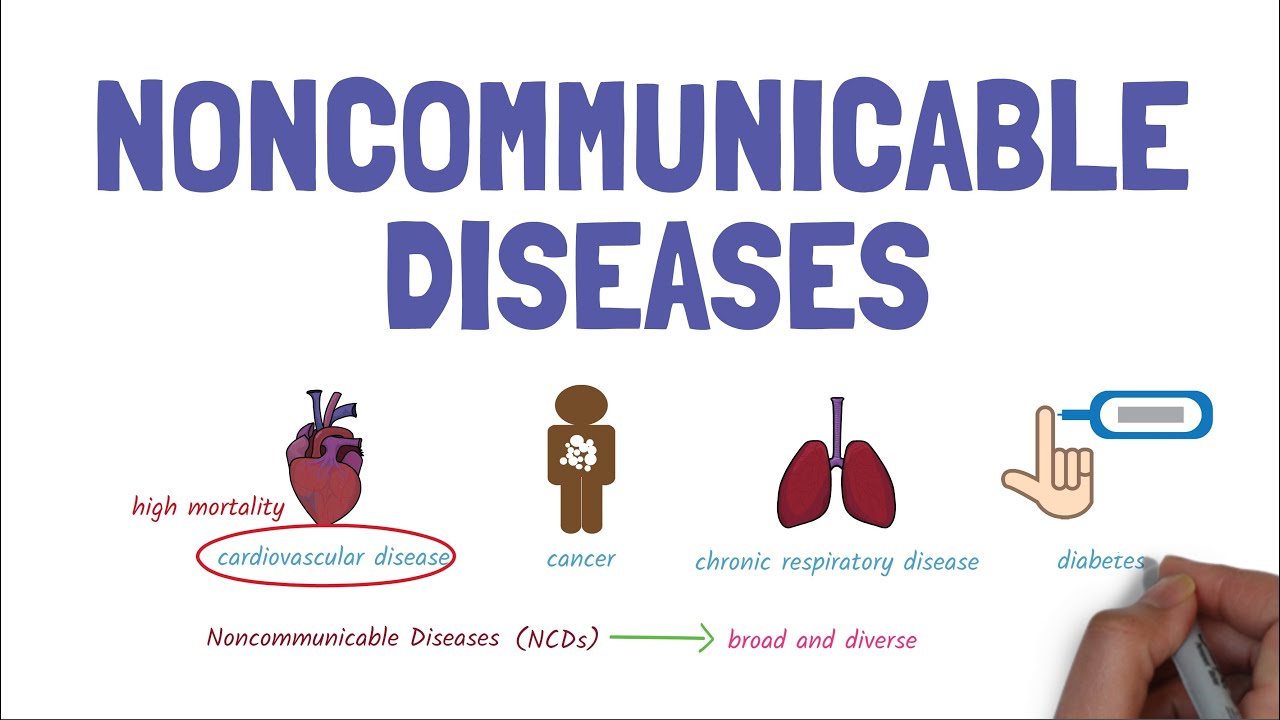
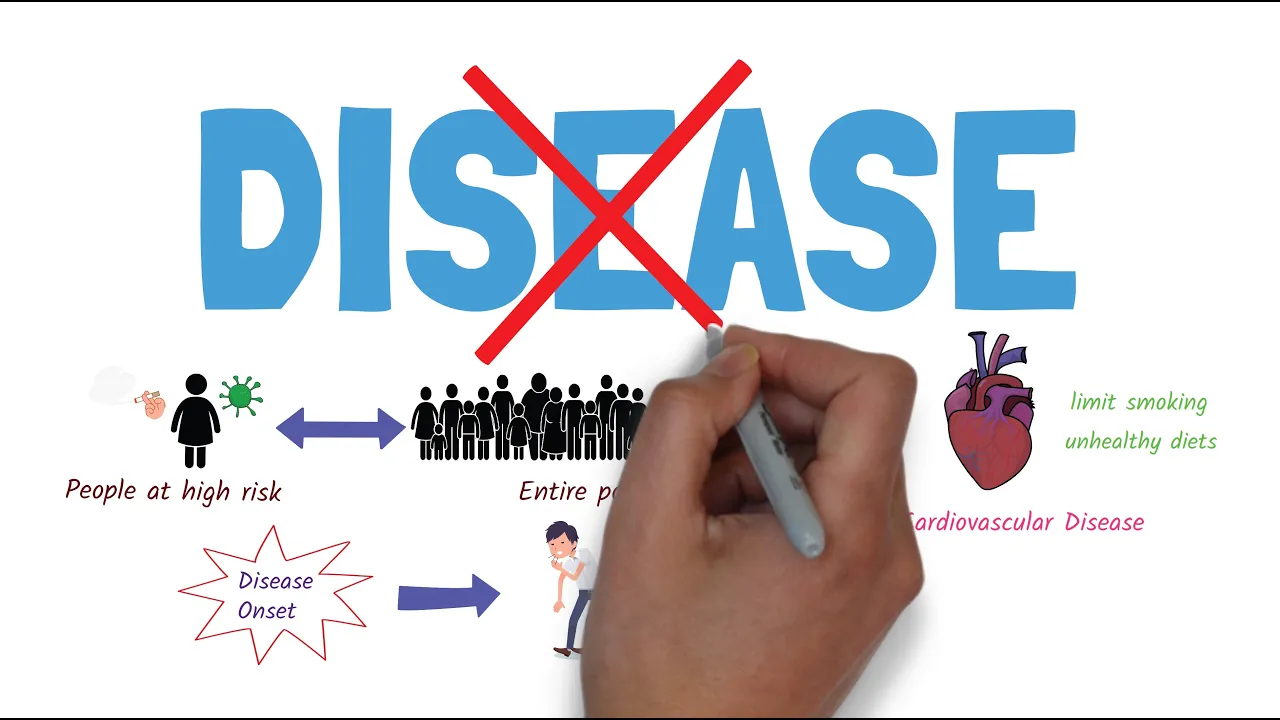
an epidemiologist jeffrey rose in the high risk approach prevention activities are selectively targeted to people who are at high risk of a disease for example doing a screening x-ray for someone who has worked with asbestos or providing rabies vaccinations to veterinarians on the other hand in the population approach prevention activities are used for the whole population to reduce the overall level of risk for example seat belt laws or fluoridation of water sometimes both approaches can be used let's take cardiovascular diseases for example high risk prevention strategies include medication to control hypertension or an exercise program
for those with a high body mass index population-wide prevention strategies include limiting access to smoking through bans or increasing taxes or reducing unhealthy diets by eliminating trans fats or increasing taxes on sugar-sweetened beverages there are advantages and disadvantages of each of these approaches the main advantages of the high risk approach are that prevention can be tailored to suit the individual and their circumstances motivation is likely to be high both by individual and healthcare provider the interventions are usually cost effective and the benefits tend to outweigh the risks the disadvantages are that it can be hard
to identify those who are at high risk it doesn't necessarily address the underlying cause of illness there are generally more cases of disease from people at lower risk compared to that from people at high risk and prevention behaviors may be hard to do as an individual if it's different from what peers are doing in the population approach the advantages are a small change across the entire population can have a large overall health effect it has the potential to address the root cause of health problems and they are behaviorally more appropriate for an individual because it
applies to everyone for example if non-smoking becomes the social norm it becomes easier for a person to stop smoking also because the interventions are delivered to everyone it promotes health equity the disadvantages of a population level prevention strategy are these interventions usually require action by areas other than health and therefore can be harder to achieve a measure that brings a lot of benefit to the whole population may only bring little benefit to the individual especially if they're in low risk category this is called the prevention paradox because of this motivation can be low and because
the individual benefit is low it can easily be outweighed by even a small risk there is no single approach that will work well in all situations and in most cases a combination of targeted and population-wide prevention works best and that's a quick look at prevention we've had a look at what it is and how it works the different levels of prevention and two approaches to prevention