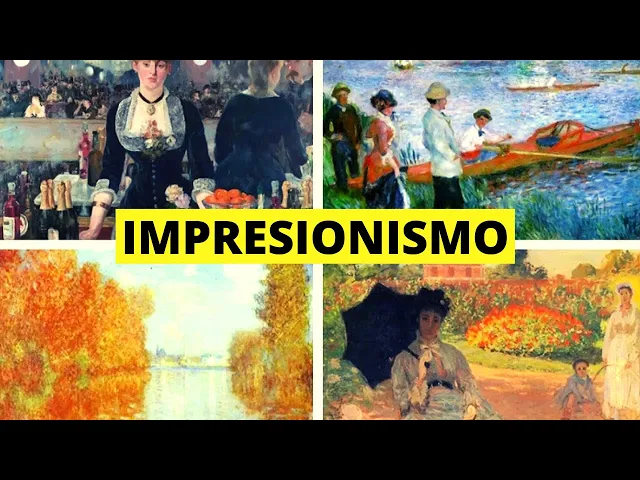
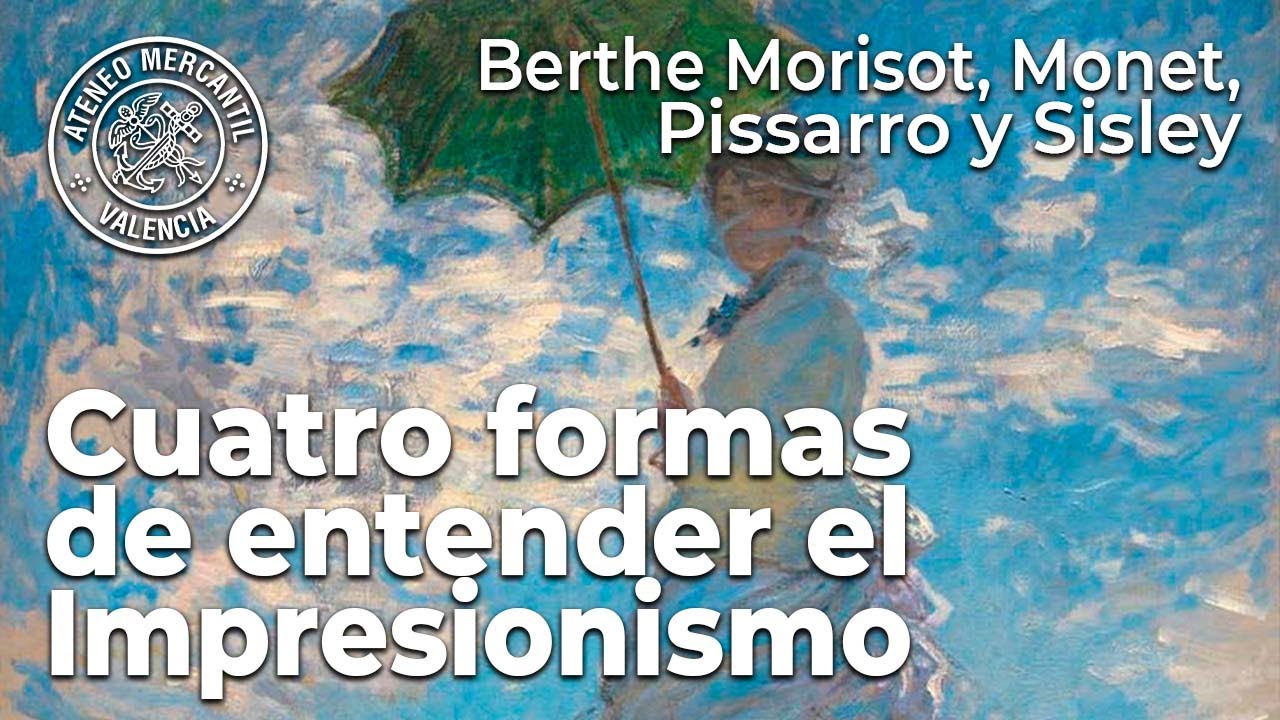
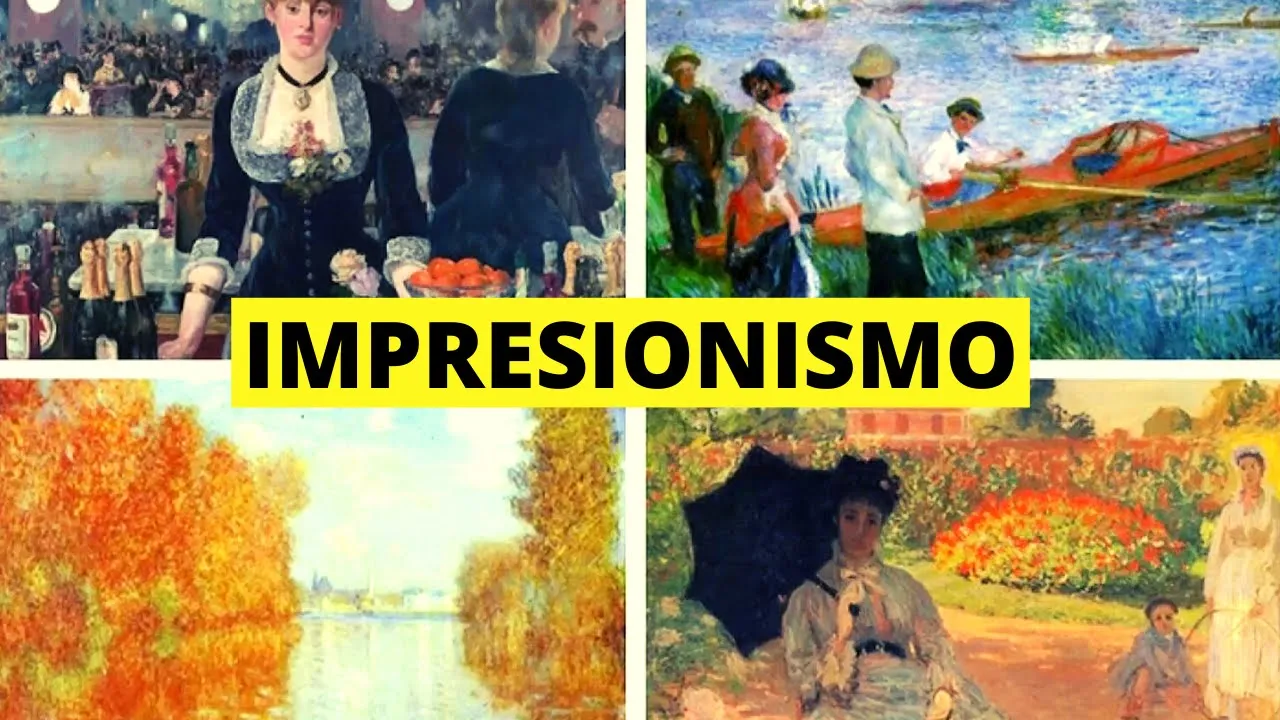
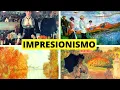
Impressionism was an artistic movement that was born in France in 1860 and was characterized by the artists' attempt to capture light in natural spaces and in everyday situations through thick brushstrokes or stains. Therefore, bright and vivid colors were used in this movement. It was called impressionism because the painters did not use lines, however, if the painting was observed from a certain distance, it gave the "impression" that there were certain lines and figures that gave meaning to the painting.
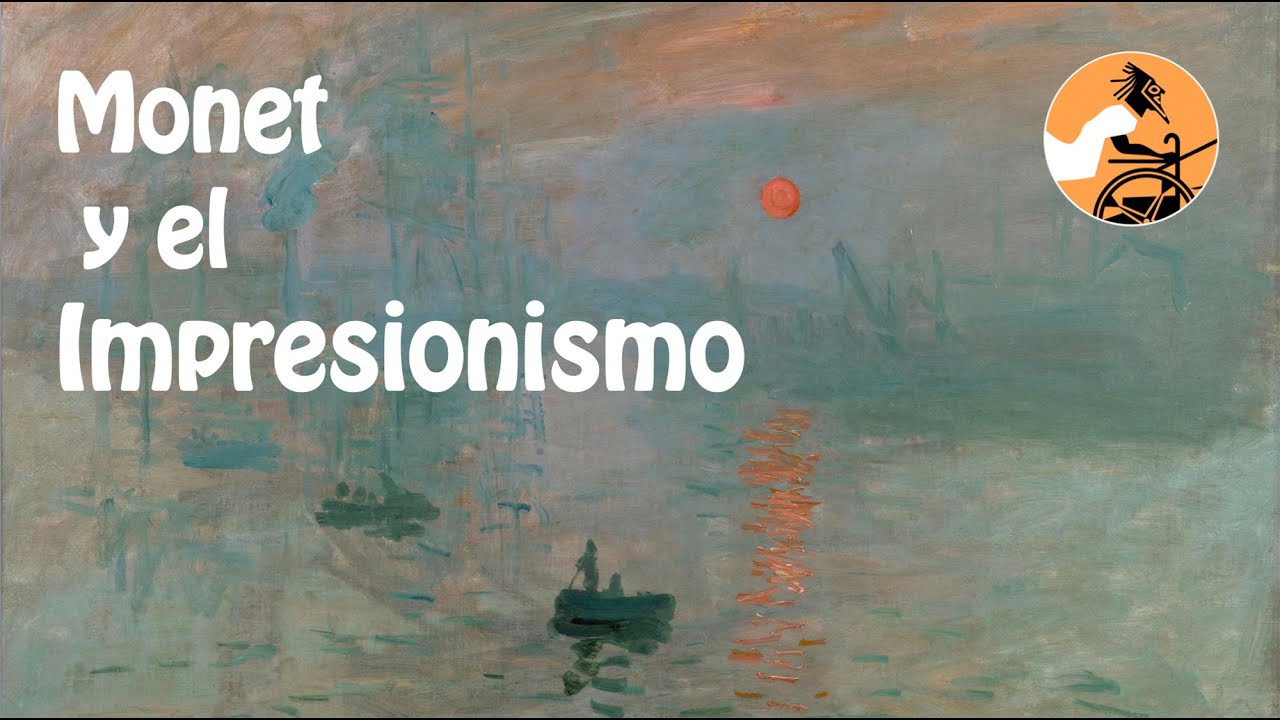
Likewise, the word was extracted from a painting by Claude Monet entitled Impression, rising sun (1872). In general, Impressionist paintings are made from brushstrokes of colors that together form elements and figures. However, this cannot be seen up close (because up close they just look like spots); it is necessary to take a distance to be able to visualize the forms, the lights and the shadows reflected in the painting.
The impressionist movement is essentially pictorial, however, years later other arts took elements and characteristics of this style. For example, some critics claim that the composer Claude Debussy (1862-1918) introduced certain impressionistic features in his musical pieces. Origin and history Impressionism had its origins in the Barbizon School, where artists gathered to paint outdoors and draw inspiration from natural settings.
From this school the Impressionists took a taste for landscapes and for the beauty and luminosity of nature. During this time photography began to develop, which captures reality as it is. This greatly affected painters, who did not know how to justify making portraits and landscapes when a camera could do it almost instantly.
For this reason, painters looked for a way to portray things in a different way, that did not resemble a photograph. In this way they moved away from lines and volume to focus on the way in which the eye perceives colors and shapes through light. Although in its beginnings Impressionism was not widely accepted by the academies (it was considered strange and vulgar), this pictorial movement enjoyed great fame, especially in European regions.
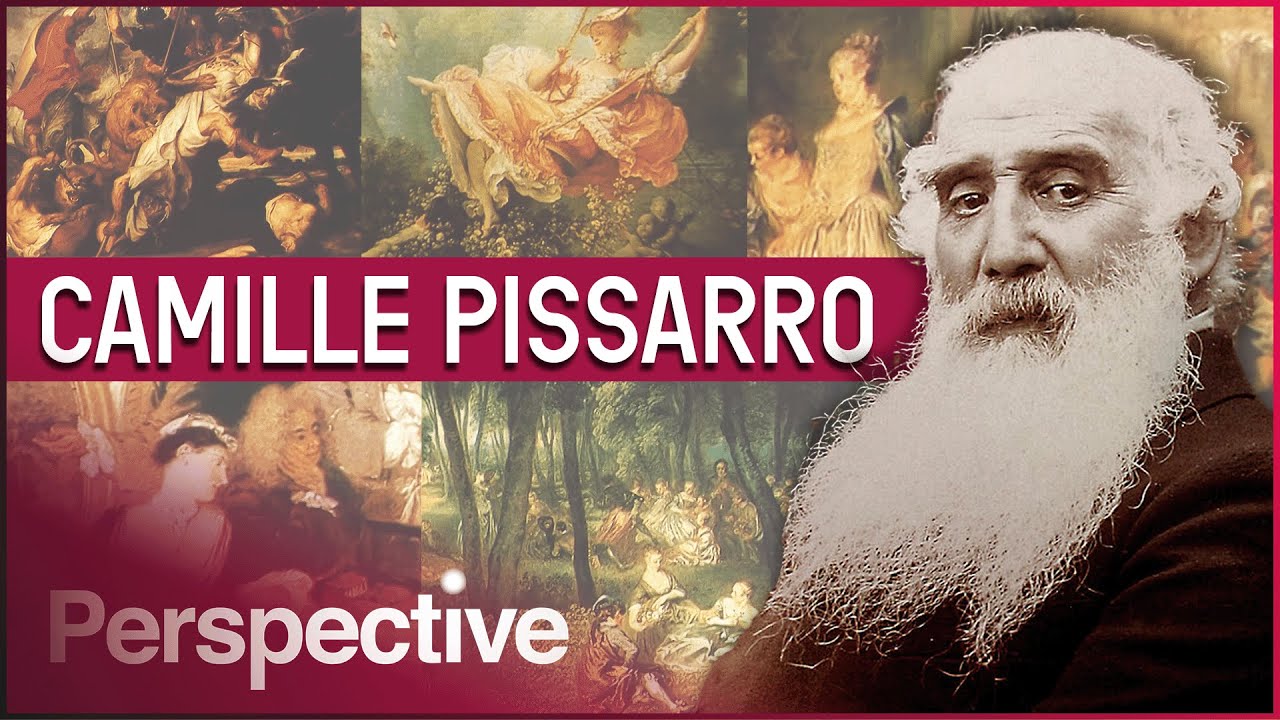
At that time, France was considered the cradle of art, so many artists from all over the world came to this country to educate themselves and learn about new trends. This allowed painters and travelers to spread the new techniques of Impressionism throughout the world. Impressionism reached its peak after 1873, when painters such as Edgar Degas, Claude Monet, Camille Pissarro and Pierre Renoir established themselves as artists and main representatives of the new style.
It should be noted that, although impressionism followed a series of principles, each of these painters interpreted it according to their artistic needs. For example, Edgar Degas (1834-1917) focused on capturing the sensation of movement from the portrait of dancers, while Monet preferred natural and aquatic environments; This can be seen in his work Los nenúfares (produced between 1920 and 1926). Characteristics of Impressionism - Interest in landscapes and everyday situations The Impressionists focused the themes of their paintings on natural elements and everyday situations.
These painters used to paint outdoors and liked to portray lakes, roads, meadows and forests; this can be seen in the works of Claude Monet. They also developed an interest in the everyday situations of human beings; they used to portray smiling children, ladies playing in the woods, or people eating and partying. This can be seen in the paintings of Auguste Renoir (1841-1919).
- Vivid and pure colors The Impressionists experimented remarkably with colors; they played with the chiaroscuro technique and used different shades to cause different visual sensations. In addition, new pigments (that is, new materials with which paint is made) were created in the 19th century , which allowed the Impressionists to use purer and more intense colors. In turn, this served as a support to experiment with the lighting of the figures.
- Thick and short brushstroke Some consider that Impressionism used stains to develop their paintings. In reality, it was a type of brushstroke (later named gestalt brushstroke) that was characterized by being thick and short. These brushstrokes were composed of pure colors and—when combined with other brushstrokes of a different color—from a distance they not only gave the painting luminosity, but also movement.
That is to say, the Impressionist brushstrokes by themselves meant nothing, but when put together they formed a whole that was luminous and vibrant in the eyes of the beholder. Representatives and works Claude Monet (1840-1926) This painter of French nationality is considered one of the fathers of Impressionism; in fact, the term was taken from one of his most famous works: Impression, Rising Sun (1872). Before 1860, his works had been realistic (that is, portraying reality as faithfully as possible).
But then he began to develop a completely different style, focused on lighting and thick brushstrokes. Monet liked to paint outdoors, especially in the gardens of his house located in Giverny (a place that tourists can visit today). In this place he produced a series of paintings known as The Water Lilies, inspired by the ponds in his home.
Another of his best-known works was the series of the Rouen Cathedral (made in 1895). This work was made up of several portraits of the cathedral that were made at different times of the day; In this way, Monet was able to capture how the colors of the building changed depending on the incidence of the sun. Pierre-Auguste Renoir (1841-1919) was a French painter who stood out for his portraits of the female figure, which were inserted into natural landscapes.
He was a very special artist who, through brushstrokes, managed to capture very particular vibrations and luminosities in his works. This can be seen in paintings such as The Great Bathers (1884), where female bodies feature striking lighting and pink hues. In addition, the brush strokes of the water allow the viewer to perceive movement and vitality.
Renoir also made paintings focused on everyday situations of human life. This can be seen in his works Luncheon of rowers (1881) and the Ball at the Moulin de la Galette (1876). Renoir was characterized by portraying the most beautiful aspects of human life and nature.
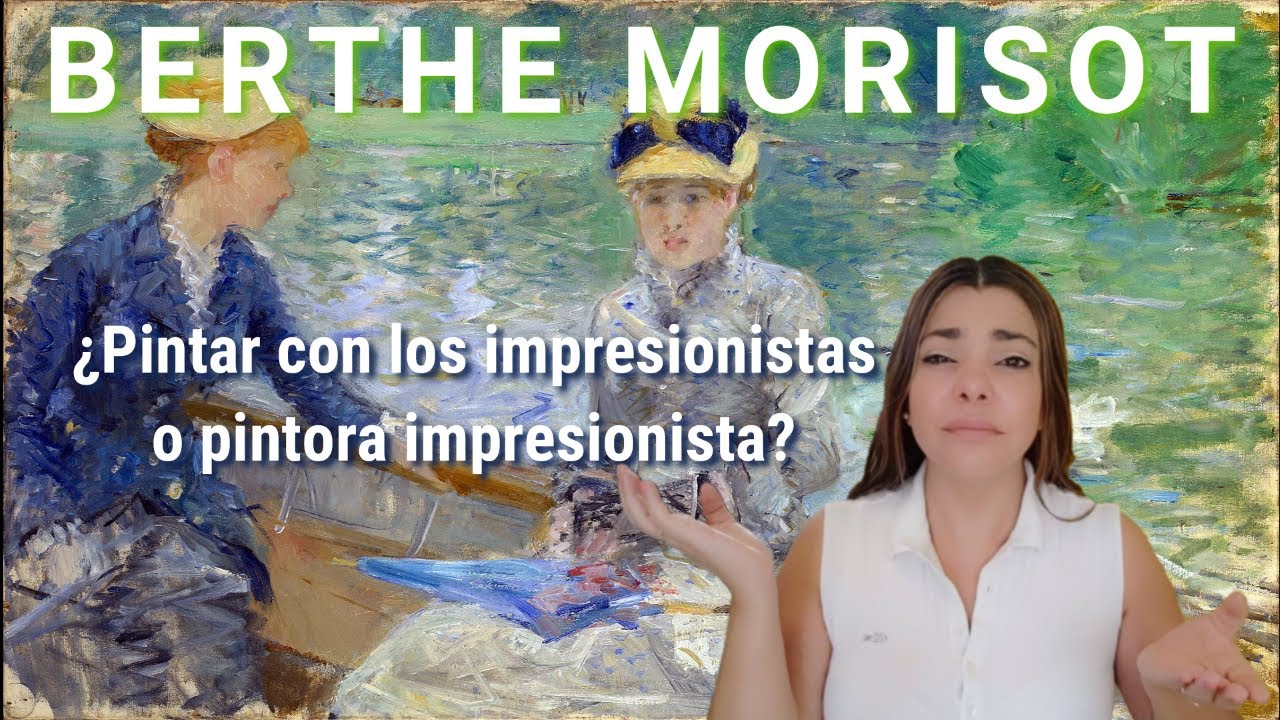
Berthe Morisot (1841-1895) Although the art world had been reserved for male authors, there were also female artists who were dedicated to the Impressionist movement. Such is the case of Berthe Morisot, who developed an extensive artistic career over three decades, beginning to exhibit her paintings at the young age of 23. Her paintings were focused on portraying her own life, as well as her perception of female activities.
This can be seen in his work The Cradle (1872) and in Woman in her Bath (1875). Morisot's style was permeated with light and color, noted for his loose brushstrokes and for eschewing traditional forms. Mary Cassatt (1844-1926) was an American painter who spent most of her life in France nurturing herself with Impressionist ideals.
She was a friend of Edgar Degas, who introduced her to the artistic world. The theme of his paintings was focused on daily and social life, especially women. One of her favorite topics was motherhood and children.
This can be seen in his works Motherhood (1890), Children on the Beach (1884), Jules being dried by his mother (1900), and Madame Meerson and her daughter (1899). The color palette used by Cassatt was very varied: he used everything from pastel colors to dark tones such as browns and grays. Édouard Manet (1832-1883) One of the greatest references of impressionism in France.
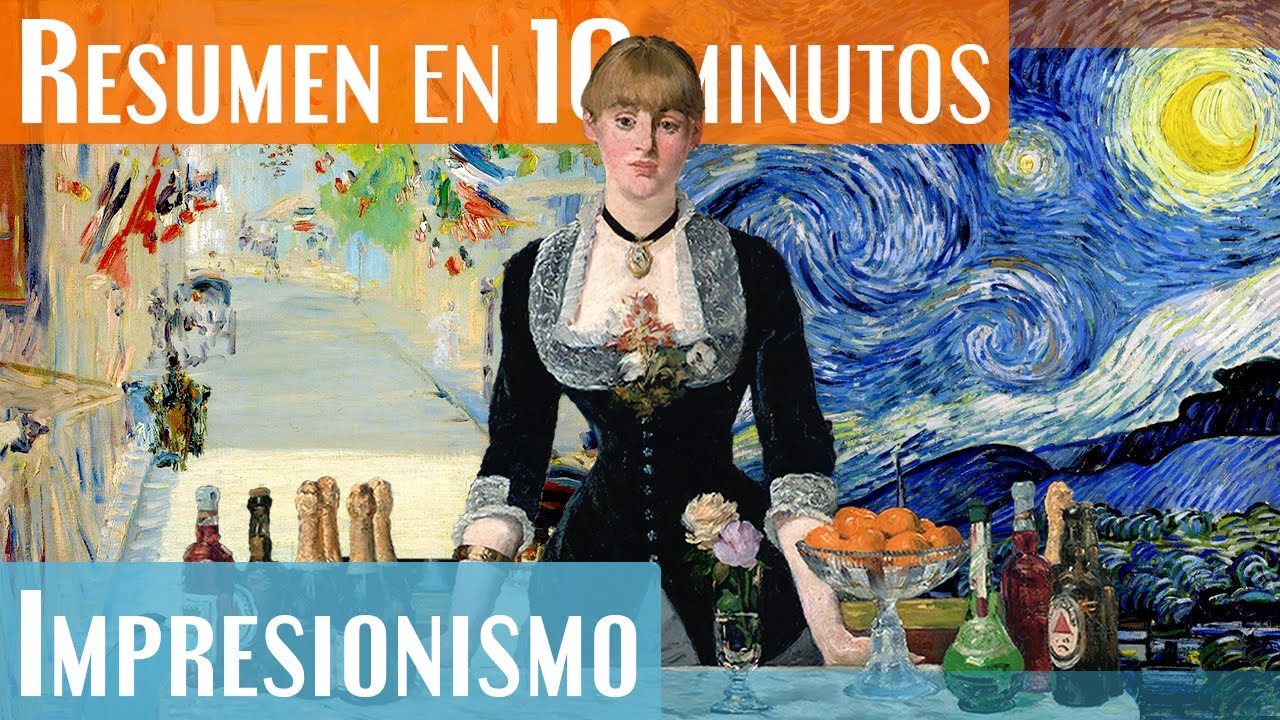
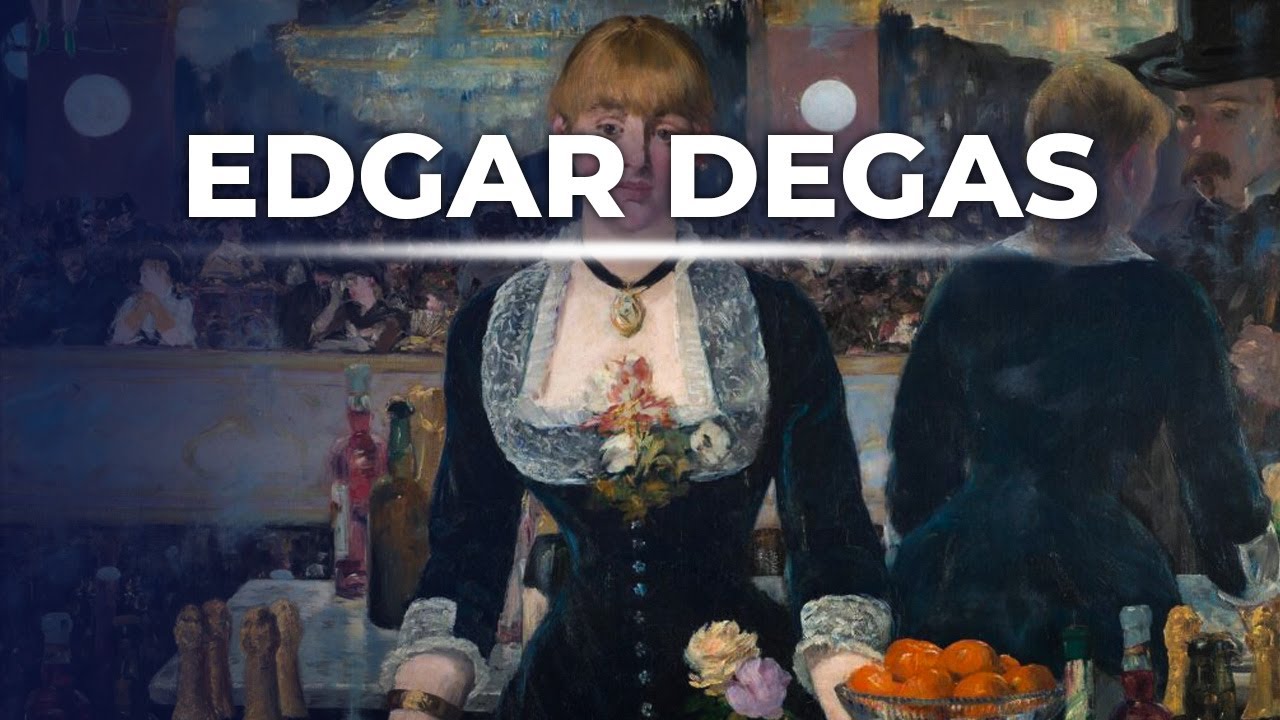
Upon discovering Diego de Velázquez and beginning to deal with other artists such as Monet, his work began to take on shades of the Impressionist movement. Music at the Tuileries, Olympia or The Balcony are some of his most outstanding creations. Edgar Degas (1834-1917) He was one of the promoters of Impressionism, although he himself distanced himself from that trend.
His style is very particular because he managed to capture spontaneity, both in a specific figure and in a group. It showed Delacroix techniques and some of his most notable creations were Male Nude (1856), The Rape (1869) or The Gloved Singer (1878). Impressionism in Spain Spain was one of the European countries that was most nourished by the Impressionist trend.
In fact, many Spanish artists traveled to France to learn about new trends and get inspired. Spanish painters took from impressionism the taste for landscapes and natural environments; also the loose brushstrokes and the striking colors. However, each added their unique perspective.
This can be seen in the style of Joaquín Sorolla and Darío de Regoyos y Valdés. Joaquín Sorolla y Bastida (1863-1923) was a very successful painter who produced up to 2,200 paintings. His style is mainly Impressionist, although he had some features of the Post-Impressionist and Luminist movements.
Sorolla used a pastel color palette, which can be seen in his works Children on the beach (1910), Walk on the beach (1909) and the portrait of Raquel Meller (1918). However, he also used shades of red and brown; this is shown in his Self-Portrait (1909). Darío de Regoyos y Valdés (1857-1913) was a Spanish painter in the impressionist style, who also experimented with pointillism and symbolism.
The colors of his work were very varied; for example, in his painting Almond Blossoms (1905) he used a bright palette of blues and greens. On the other hand, in his work Good Friday in Orduña (1903) he used dark colors composed of brown tones. Aureliano de Beruete (1845-1912) Upper-class man who had the opportunity to dedicate himself fully to painting.
His most notable stage is the Impressionist, where he reaches his maturity as an artist. The apple orchards (1908), Autumn in Madrid (1910) and Thorns in bloom (1911). Ignacio Pinazo (1849-1916) Valencian, was able to obtain scholarships to train in Rome.
Upon his return, his theme varied in works of a historical nature or Valencian typicality. The dark colors stand out in paintings such as Las hijas del Cid (1879) or Estación (1896). Impressionism in Mexico Like Spanish artists, Mexican painters were also influenced by French currents.
However, artists from this country added local and cultural scenes from Mexico to their paintings. This can be seen in the works of Joaquín Clausell. Joaquín Clausell Traconis (1866-1935) was a Mexican painter who also worked as an activist and lawyer.
His work was Impressionist in style and was focused on the landscapes of Mexico. When he traveled to France, he was able to meet important artists such as Camille Pisarro and the writer Émile Zola, who motivated him in his pictorial vocation. His paintings were strictly landscape; This can be seen in his work Landscape with Forest and River (1910), where the artist manages to capture the movement of water and leaves thanks to the use of Impressionist brushwork.
It is important to note that Impressionist techniques later served as inspiration for great Mexican artists such as Diego Rivera (1886-1957) and Frida Kahlo (1907-1954).