there's the possibility that a star will explode near us in the next couple of billion years but over the course of the history of life on earth the estimates are that maybe only one of the mass extinctions you know was caused by a star blowing up in particular a special kind called a gamma-ray burst and the i think it's the ordovician solarian uh silurian ordovician silurian extinction 420 or so 440 million years ago that is speculated to have come from one of these particular types of exploding stars called gamma-ray bursts but even there the evidence
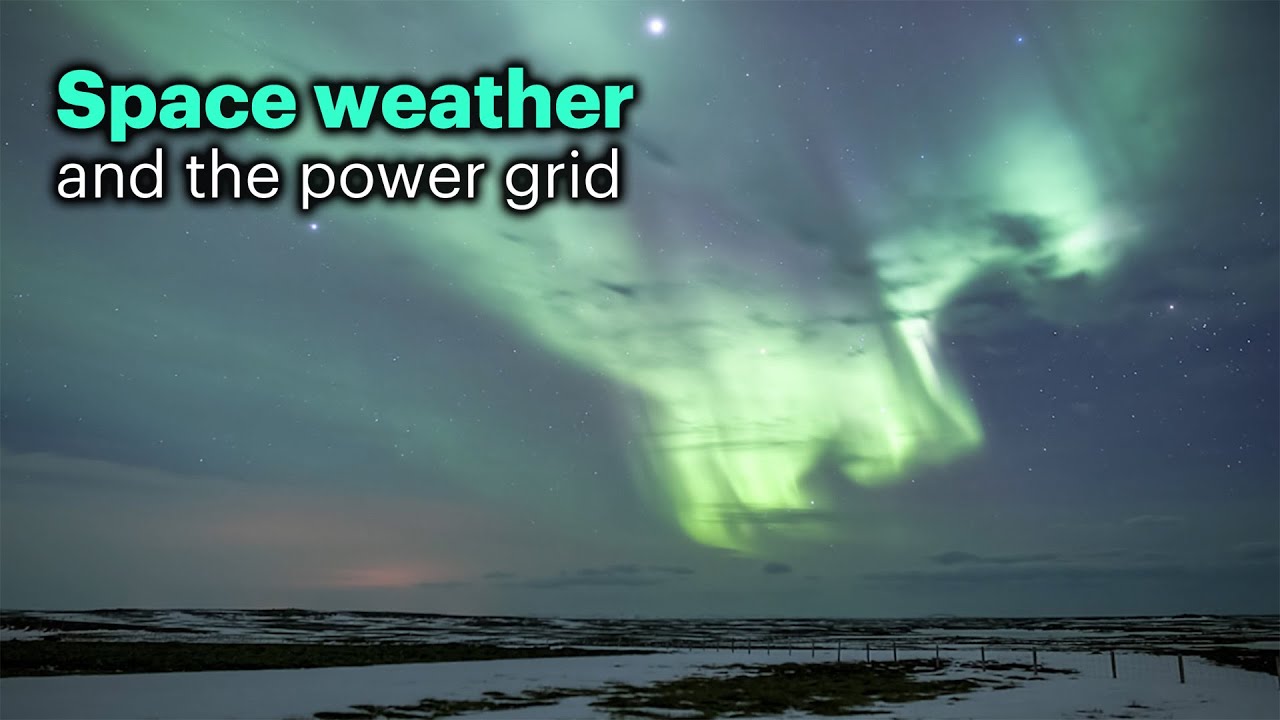
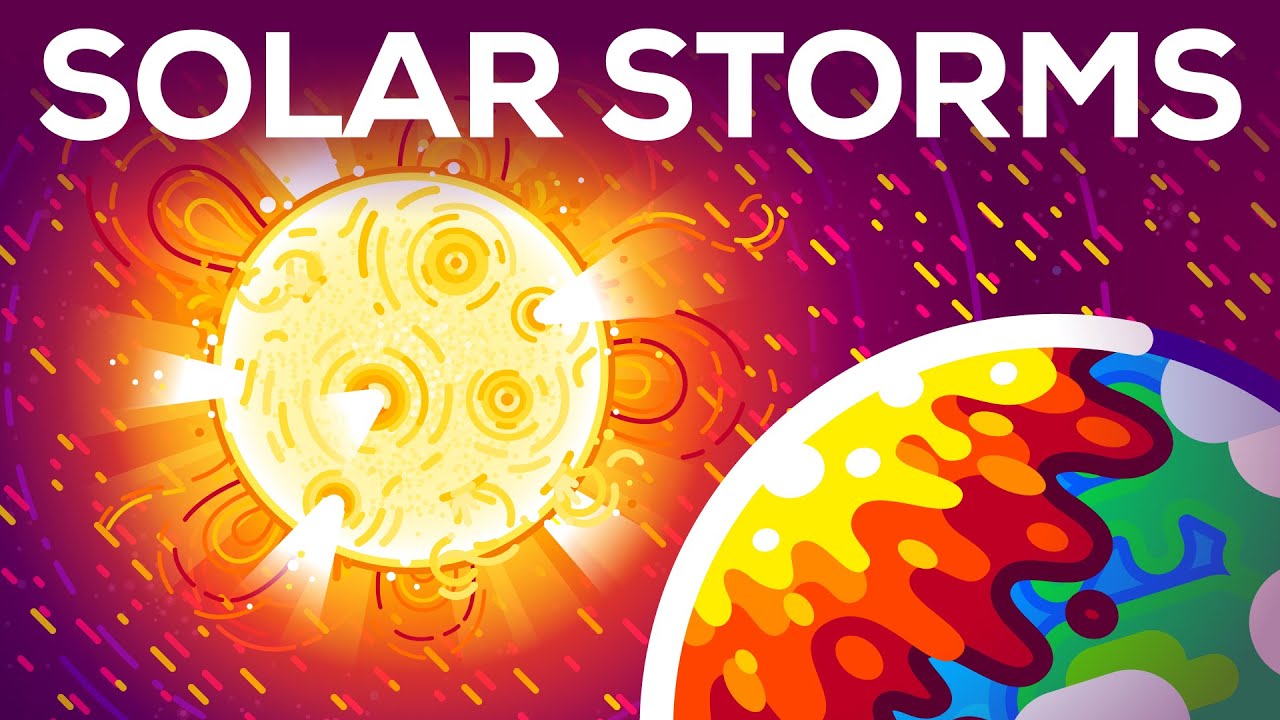
is circumstantial so those kinds of existential threats are reasonably rare the greater danger i think is civilization changing events where it's a much smaller asteroid which those are harder to detect or or a giant solar flare that shorts out the grid in all of north america let's say now you know astronomers are monitoring the sun 24 7 with various satellites and we can tell when there's a flare or a coronal mass ejection and we can tell that in a day or two a giant bundle of energetic particles will arrive and twang the magnetic field of
earth and send all kinds of currents through long distance power lines and that's what shorts out the transformers and transformers are you know expensive and hard to replace and hard to transport and all that kind of stuff so if we can warn the power companies and they can shut down the grid before the big bundle of particle hits then we will have mitigated much of this now for a big enough bundle of particles you can get short circuits even over small distance scales so not everything will be saved but at least the whole grid might
not go out so again you know astronomers i like to say support your local astronomers they may help someday save humanity by telling the power companies to shut down the grid finding the asteroid 50 or 100 years before it hits than having clever physicists and engineers deflect it so many of these cosmic threats cosmic existential threats we can actually predict and do something about or observe before they hit and do something about so it's uh terrifying to think that people would listen to this conversation it's like when you listen to bill gates talk about pandemics
and his ted talk a few years ago yeah and realizing we should have supported our local astronomer more well i don't know whether it's more because as i said i actually think uh human-induced threats or things that occur naturally on earth either a natural pandemic or perhaps you know a bioengineering type pandemic or you know something like a super volcano right um there was one event toba i think it was 70 plus thousand years ago that that caused a gigantic decrease in temperatures on earth because it sends up it sent up so much soot that
it blocked the sun right it's the nuclear winter type disaster scenario that some people including carl sagan talked about decades ago but we can see in the history of volcanic eruptions even more recently in the 19th century tambora and other ones you look at the record and you see rather large dips in temperature associated with massive volcanic eruptions well these super volcanoes one of which by the way exists under yellowstone you know in the central us i mean it's not just it's not just one or two states it's a it's a gigantic region and there's
controversy as to whether it's likely to blow any time in the next hundred thousand years or so but that would be perhaps not a mass extinction because you really need to or perhaps not a complete existential threat because you have to get rid of sort of the very last humans for that but but at least getting rid of um you know killing off so many humans truly billions and billions of humans the one that there have been ones tens of thousands of years ago including this one um tobi i think it's called where it's estimated
that the human population was down to ten thousand or five thousand individuals something like that right if you have a 15 degree drop in temperature over quite a short time it's not clear that even with today's advanced technology we would be able to adequately respond at least for the vast majority of people maybe some would be in these underground caves where you'd keep the president and a bunch of other important people you know but the typical person is not going to be product protected when all of agriculture is is cut off right and when it
could be hundreds of millions or billions of people yeah starving to death exactly that's right they don't all die immediately but they use up their supplies or again this electrical first of toilet paper there you go dash that toilet paper you know um or the electrical grid i mean imagine north america without power for a year right i mean we've become so dependent we're no longer the cave people they would do just fine right what do they care about the electrical grid right what do they care about agriculture they're hunters and gatherers but we now
have become so used to our way of life that the only real survivors would be those rugged individualists who live somewhere out in the forest or in a cave somewhere completely independent of anyone else yeah i've recently i recommend it it's totally new to me this kind of survivalist uh folks but there's a a few show there's a lot of shows of those but i saw one on netflix and i started watching them and there's they make a lot of sense they they reveal to you how dependent we are on all aspects of this beautiful
systems we human have built right and how fragile they are incredibly fragile and yeah this this whole conversation is making me realize how lucky we are oh we're incredibly lucky but we've set ourselves up to be very very fragile and we are intrinsically complex biological creatures that except for the fact that we have brains and minds with which we can you know try to prevent some of these things or respond to them we as a living organism require quite a narrow set of conditions in order to survive you know we're not cockroaches we're not going
to survive a nuclear war you