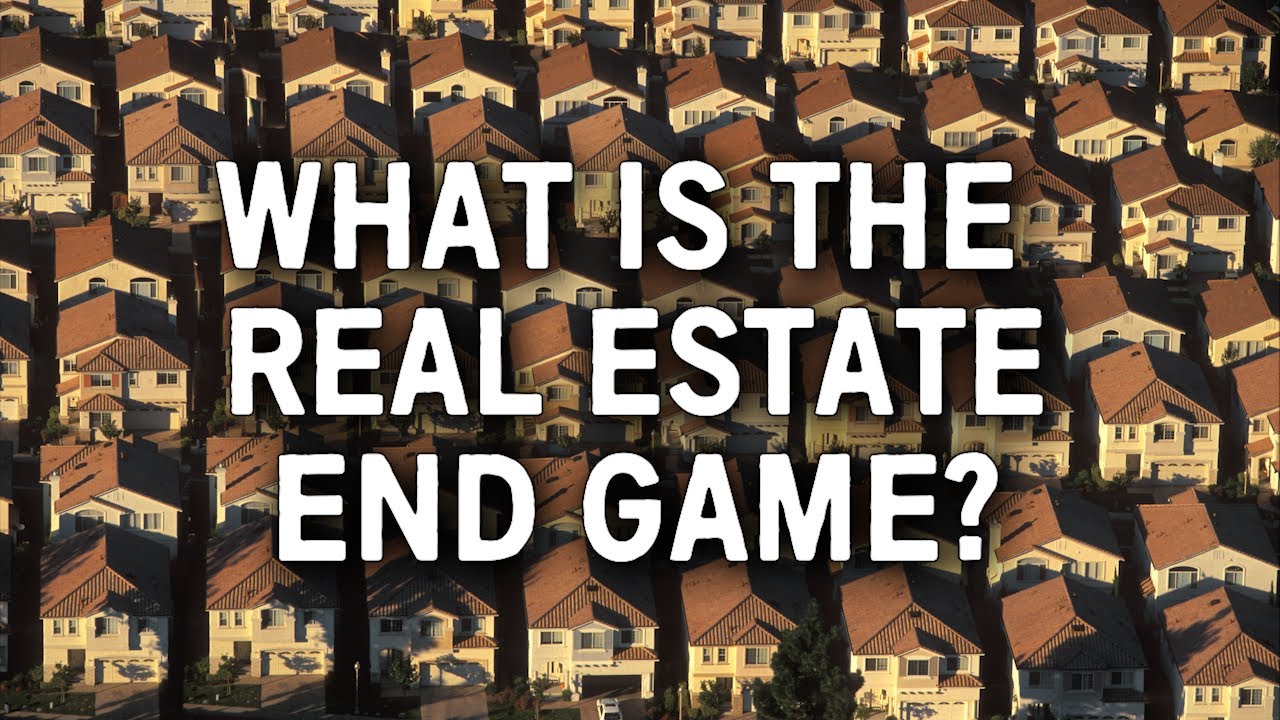
for younger Generations the cost of living has increased so much that they have 86% less purchasing power than the Baby Boomers did when they were in their 20s now baby boomers are defined as anyone born from the years 1946 to 1964 and for those Boomers they live during a time where life was much cheaper including houses cars and education yet we hear all the time that younger Generations have a ton of flaws like they're super lazy or they spend all their money on Avocado toast and there's a constant debate of whether or not younger Generations
are weaker than the older ones well I took a look at the data and I wanted to know if they were actually having a hard time financially or was it just the fact that Tik Tok is rotting their brains and thus their ability to make money and you have the medium I white with two extra shots two extra scoops of vanilla soft top and camel jel and extra sugar sprinkles yeah that's me let's talk about the elephant in the room or in fact the country and that is home prices now in 2022 when the average
Millennial turned 33 years old the median home price in the United States was $433,000 median household income was around $70,000 in 2022 that means if you took a 100% of the median income in 2022 and put it towards a home it would take you roughly 6.11 years of your wages to buy that house outright now of course that's actually unrealistic no one's going to take 100% of their income and just go buy a house with it however it serves as a really good Benchmark metric now we can compare how many years of wages previous generations
took to buy a house outright compared to what their median income was and now that's kind of an Apples to Apples comparison now this benchwork metric is going to be called the home to price income ratio the average baby boomer turned the age of 33 back in the year 1988 that was the first year that Nike came out with the slogan just do it the Ford Escort was the most popular car at the time and Back to the Future 2 one of my favorite movies of all time was still being filmed the median home price
back in 1988 was $110,000 and the median income of a boomer was just about $227,000 that means that their home to price income ratio was around four it would take four years of their median income in order to buy the median home at the time in fact some high earners back in the day were able to pay off their houses just with one or two years of wages now historically an average house in the US costs around five times the yearly household income during the housing bubble of 2006 to 2008 it ballooned to a ratio
of seven as we can see here but what's more startling now is that the home to price income ratio these days is well past that of the housing bubble levels now if you thought a ratio of seven was bad let's actually look at the average house price to average income ratio in the United Kingdom our friends or Lads or mates across the pond in the UK have been seeing ratios consistently over seven for the past 10 years and lately it's been over nine so if you're British and watching this video I'm sorry you're kind of
more screwed than the average US citizen is but at least you have some tea I'm drinking some tea right now and hopefully that kind of gives you some soless now what's even more interesting is if we we plot home price against the median household income so this is a graph of median annual household income plotted against the case Shiller home price index that's the index that seeks to measure the price level of existing single family homes so we're comparing a percentage change between the two you can see that the general Trend here is that the
household income in black is above the home price index in red from the years of 1955 all the way to about 2005ish the black line being above the red line is a good thing it means home prices are at least somewhat manageable when the housing market started to Bubble Up pre2 2008 we can see that the red line crossed over and it subsequently went back down in 2010 when houses were cheaper after the crash but these days home prices have shot way above the median household income again and that's definitely not good for the younger
generation the UK by the way even worse I think often times we see the news going on in America and we think it's already been pretty bad but if we just look at our English protes over there we can see that they've been dealing with this for quite some time already so if you thought that was bad here's another graph of inflation versus the home prices from 1970 to 2023 you can see that the change in Consumer Price Index here has been steadily going up linearly over time in the bottom darker blue line and while
home prices have been outpacing inflation since 1970 in the past decade you can just see this vertical increase and it's basically ballooning like crazy so this article which actually pulls data from the Bureau of Labor Statistics in the United States states that quote spending $100,000 on a home in 1990 would equate to spending about $377,000 on a home today for everyday living cost though $100,000 back in 1990 on goods and services would require $231,000 to get the same amount of goods today so while inflation is definitely present home prices have outpaced inflation by a good
margin now for quite some time there are a couple of reasons for this and they have to do with demographics so first is that the Boomers didn't face as much competition back in the day there simply weren't that many people living in the United States in the 1970s and 1980s and population growth has really exploded in the past two decades so back in the day houses weren't as much in demand and so you didn't really see that much competition for them Boomers were also likely to get married early and thus they would have a multiple
income household from an early age that means they were able to afford houses than the current younger Generations I'm sure that you've heard that Millennials they've been staying home a lot longer and so they're actually delaying marriage and they're staying single a lot longer too according to the Pew Research Center more than four in 10 Millennials do not live with a family on their own around 45% that means only 55% of Millennials live with their own families and as you can see in the previous generations this number was closer to 69% nice or even 85%
for these silent Generations another huge reason why Boomers were able to afford houses was the lower cost of education and the overall lower student loan debt balances that they experienced it's no secret that tuation at four-year institutions is absolutely insane these days I mean the average price of a private school to tuition or even a public school tuition is somewhere in the $3 to $50,000 a year range student debt is now a $1.7 trillion crisis and as we can see here over the 30 years between 1991 and 2021 average tuition prices have more than doubled
in addition the average loan balance at graduation has tripled since the 90s to 30,000 from 10,000 so around 7% of student loan borrowers are now more than $100,000 in debt the funny thing is is that a college degree these days is becoming less less and less valuable especially because you can start to pursue different Avenues online to make money and Entrepreneurship obviously some of the degrees are still going to be useful like for example if you have a specialization so if you're specializing in law or perhaps medicine and at the same time more and more
people are actually graduating with the college degree which is pretty interesting because the number of graduating students has increased by 250% since 1970 now that means there's just going to be a ton more competition for jobs it's pretty obvious if there's double or triple the amount of people gradu uating and the same number of jobs overall then there you go entry-level jobs these days are no longer entry level they want you to apply with some experience which doesn't make any sense the average graduate starting salary is between 50 to $60,000 a year for a decent
job and many graduates will struggle to even get that number so gen Z and Millennials are I believe starting off in a worse position compared to the older Generations they have more college student debt they also have to deal with relatively lower wages more expensive of Housing and the cost of Higher Living as well for example with gas prices gen Z and Millennials are paying nearly 40 to 60% more than Baby Boomers did in their 20s for gas in fact I think cars are a huge reason why Americans are behind the eight ball these days
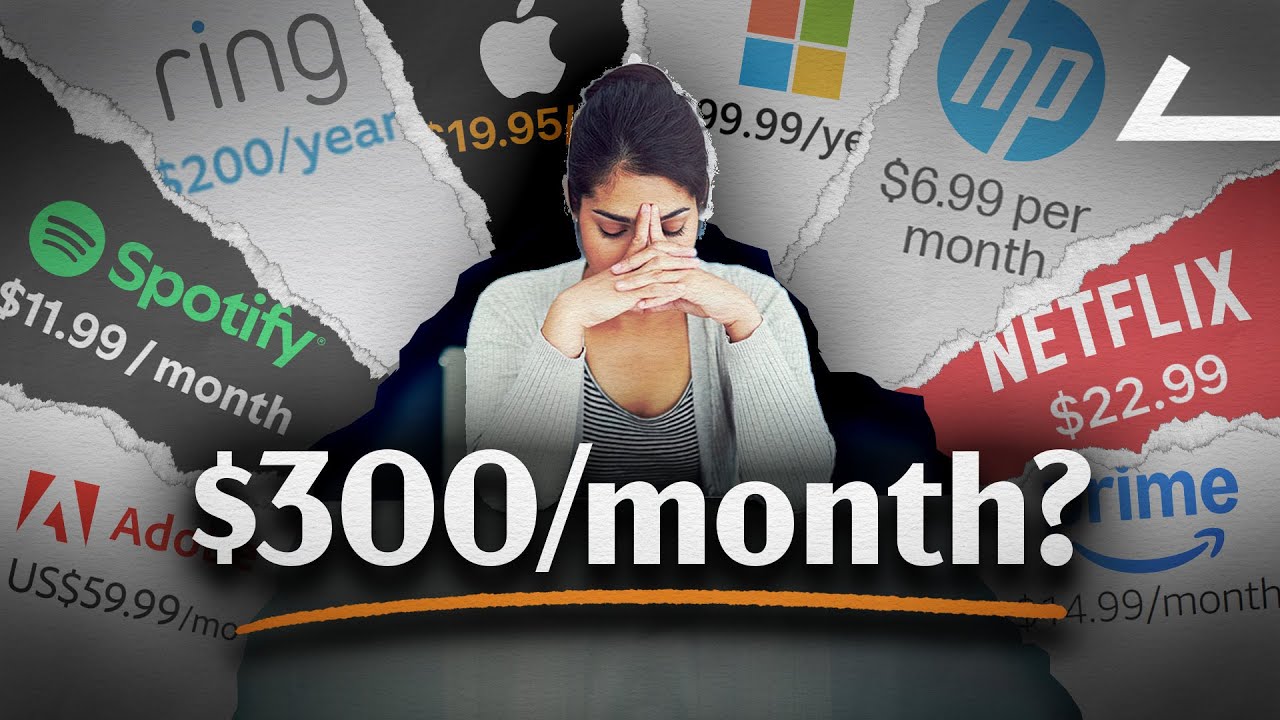
so I've made a couple videos on my Channel about this but the average car payment these days is $716 a month and the average loan term is around 69 months that's the second 69 that we've referenced in this video there must be something going on with this video here but basically we're seeing a huge amount of Consumer Debt being taken on overall and with auto loan debt as well as credit card debt at all-time highs it's no surprise things are not that affordable so couple all of these factors together plus social media plus distraction from
your devices you can see that it's kind of a recipe for disaster of course I think our modern society has progressed a lot in terms of social issues and racial issues and I think the older generation will always think that they had it worse than the younger generation it's just a common way of life so if you're watching right now and you aspire to own a home or perhaps be even wealthier than the previous generations what are some of the steps that we can take to get there first things first a lot of it has
to do with spending as well as affordability so according to a recent report 73% of Millennials are now living paycheck to paycheck and 66% of gen zers live paycheck to paycheck as well so here's the deal if you're trying to rent a home the general rule is that you should have a rent that is 30% of your gross income this rule was initially recommended so that after you paid your rent you still had money left over for things like living expenses healthare utilities Etc that means if you make 50k a year you should roughly aim
to spend $1250 on rent every single month now that actually might not be possible in coastal cities like Seattle or Boston if you are going to go over this 30% rule you want to be cognizant of all of your other expenses because you kind of have less of a margin to work with when it comes to buying a home and paying mortgage payments the same 30% rule applies if you can keep your mortgage payments insurance and taxes under 30% % of your gross monthly income then you're going to be in a really good spot now
in terms of automobiles and cars if you're going to own lease or finance a car you want to keep your monthly car payments to be less than 10% of your gross monthly income now for many of us this is going to be extremely hard especially right now interest rates are super high on auto loans and so if you're getting a new car your auto loan interest rate is going to be somewhere between 8 and 133% which means that you're going to spend a lot more money on your auto loan over the course of that time
there's never been a better time to just pay off your your car fully if you can and if you're able to do that and spend within your means on all the other parts of life you're going to be in a really good spot as well if you're able to lower your overall spending you should be taking some of those savings setting them aside and actually investing regularly the first step would be to contribute to a Roth IRA which means that your earnings grow tax-free it's an individual retirement account as of this year you can contribute
$6,500 a year into this account and a mere $250 a month in your Roth IRA compounded over 40 years at the average stock market return will yield you an ending balance of $94,000 if you can up that contribution to $400 a month you can see that your future value will be over $1.44 million and if you're able to Max it out you're looking at just shy of $2 million within 40 years now another thing to consider is just increasing your income and one of the best ways to do that is to hop jobs or look
for different types of jobs according to the Wall Street Journal those that switch jobs are earning a lot more than those that stay and often times a lot of these job switches will actually result in higher pay overall sometimes 10 20 or even up to 30% more compensation than if you had stayed at your original place so this is pretty interesting I have a lot of friends that live in Silicon Valley are in the tech scene and they do this all the time they stay at a company for 1 to two years then they switch
companies they might take on perhaps a lateral change but even though it's a lateral change in terms of title their salary goes up when they do that they'll do that again and again and again and basically you get the idea they keep rep this process and within 10 years they're usually a much higher position they learn a lot more skills and they're compensated a lot better now am I telling you to leave a job that you really enjoy just for the sake of money yes no I'm just messing with you but if you are having
trouble with some of your finances and you feel like you're not really growing at your job that is definitely one Avenue that you can explore all right let me know what you guys think in the comments do you think the younger generation is actually screwed more than the older Generations I would love to hear your input I'll leave another relevant video for you guys to watch right here after this video if you're interested in that and thanks again to our sponsor nordp pass for sponsoring a portion of this video if you're interested in them check
them out down below all right I'll see you guys in the next video peace