[Music] this episode is brought to you by ground news in today's world of online news and social media seeing the full picture and staying informed is harder than ever whether it's propaganda or sensationalized news ground news gives you the tools to see the underlying bias on every story judge the truth for yourself as the world's first news comparison platform ground news gives you the ability to compare how sources with different biases are covering a story so you can easily see if it's being spun to fit a political or geopolitical narrative the app also alerts you
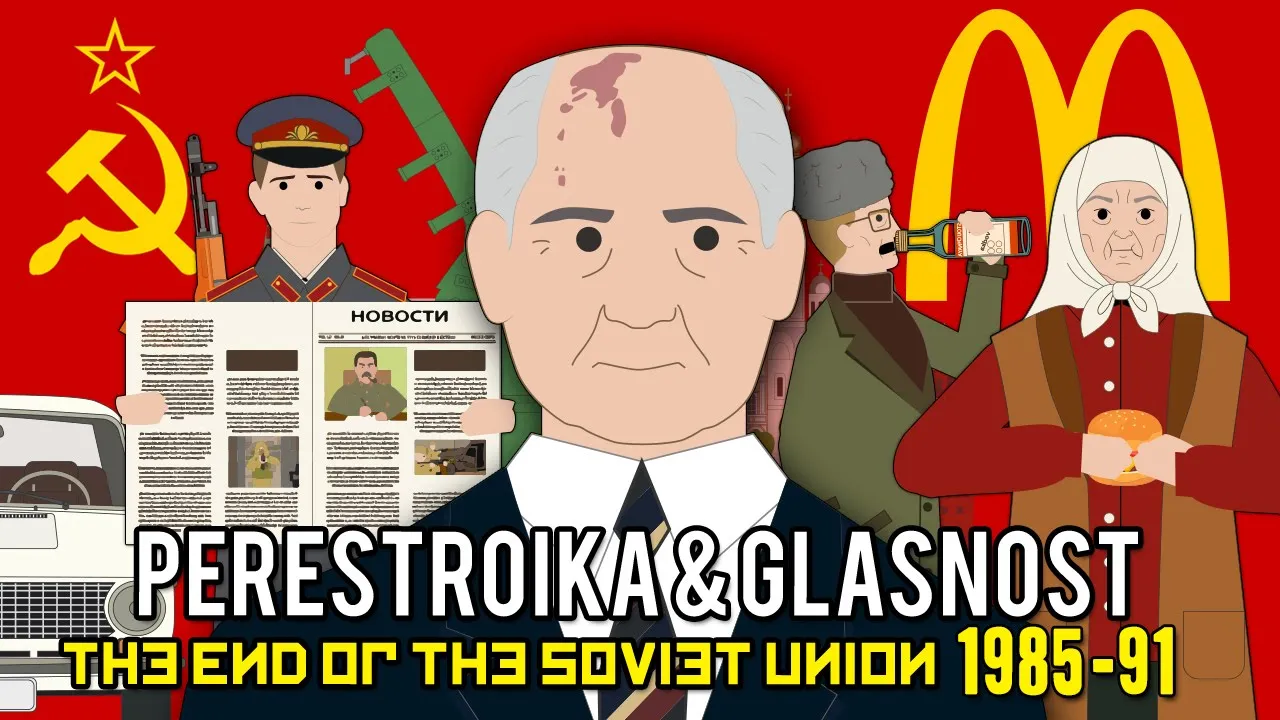
to any news blind spots that you may have and stories that are only covered by one side of the political spectrum it's the ideal app for those who always look for different perspectives and want to learn more about the world without the influence of filter bubbles and news organizations with hidden agendas take control of the news that you're shown and get the full story by downloading the free ground news app click the link in the description below or find them at ground.news simple history perestroika and glasnost the cold war in the 1980s the ussr faced
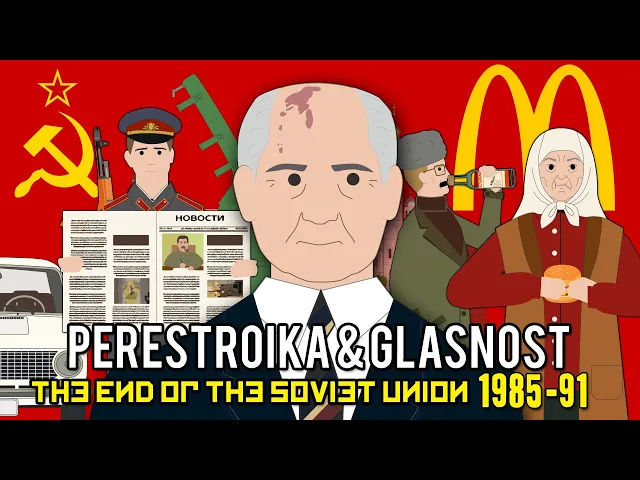
a wave of internal problems the economy was suffering the political elite was dying out and corruption was eating away at society while the people were going hungry many state officials were traveling with private planes and limousines alcoholism was also prevalent as vodka was one of the cheapest commodities in the first part of the 1980s three successive russian leaders died of natural causes this brought even more instability to a state in crisis mikhail gorbachev appeared on the scene in 1985 known for his birthmark on his forehead he gained the nickname the marked one although he was
54 he was one of the youngest members of the communist party his policies were centered around the idea of reforming and modernizing the soviet union he believed the conservative communist approach to be outdated the ussr was facing new problems and he proposed new solutions in over six and a half years as the soviet leader gorbachev attempted to radically restructure the ussr which was lagging behind its competition the united states two policies that mark the era that followed were perestroika and glasnost perestroika or in english restructuring was an attempt of gorbachev to revitalize and westernize the
stagnant economy of the soviet union the centralized production of the state was no match for the free-flowing market of the united states the ussr was struggling to dig themselves out of their economic whole and needed to make changes fast in the soviet economy supply did not meet demand there was a great deal of money being invested into military projects such as the war in afghanistan but consumer goods were neglected agriculture was declining which led to statewide food shortages times were tough and the soviet union even had to resort to importing large amounts of wheat from
their fiercest rivals the united states until the second part of the 1980s all components of production were under the monopoly of the state factories were told what to produce how much they should produce and what the price of their products should be there was no competition in the market and there was no incentive for businesses to do better gorbachev proposed a new market model which would give businesses more freedom his hope was that a freer market would restore balance slowly and organically many of the older members of the communist party frowned upon gorbachev's ambitious plans
they believe that the reforms would mean admitting defeat against the united states in the cold war and would undermine the basis of the political system that made them great in the first place the new economic policies implemented by gorbachev meant that businesses would have more autonomy their budget was still decided by the communist party except now they could decide on how to use the money workers could elect their own managers the hope was that this would be an incentive for managers to generate more profit however this was often not the case nevertheless the perestroika reforms
introduced a level of entrepreneurship and competition in the soviet market small businesses were allowed to open such as shops or car mechanics which were independent from the state and relied solely on their own profit the economy of the ussr which was previously characterized by centralization and rigorous control had now made steps towards a capitalist economy glasnost or an english openness was the second main reform implemented by gorbachev it targeted three main affairs corruption media and culture corruption was common in the communist party one of the most notable instances of corruption involved yuri sherbanov a former
russian leader's son-in-law who got friendly with the central asian cotton mafia before being caught and sentenced to 12 years hard labor thanks to his high rank of general he protected the mafia and helped rob the ussr of the equivalent of 6.5 billion dollars with the glasnost reforms gorbachev aimed to increase transparency within the government in order to prevent further financial misconducts policies were also introduced to reduce censorship censorship was an integral part of state control in the ussr newspapers could not print a word without the interference of the state the media was a tool of
soviet propaganda and big brother was watching over every word gorbachev softened censorship and therefore increased the freedom of the press this was a giant step towards a free media and the free flow of information people could now speak out against the regime without fear of being sent to gulags writers and thinkers who were previously exiled could now live and publish in their homeland thanks to the glasnost policies which allowed for the freedom of expression russian culture began to bloom solzhenitsyn was a famous russian writer who spent eight years in a stalinist labor camp for criticizing
the dictator in a private letter later he lived in exile in germany as he was an outspoken critic of the soviet union because of glasnost extracts of his book the gulag archipelago could appear in the soviet literary magazine novimir in 1989. with his citizenship restored in 1990 he returned to russia in 1994. perestroika and glasnost were radical steps made by gorbachev to lead the ussr out of a crisis his ideas improved the ussr's relationship with the west and most importantly with the united states the changes he made mark the beginning of an end the end
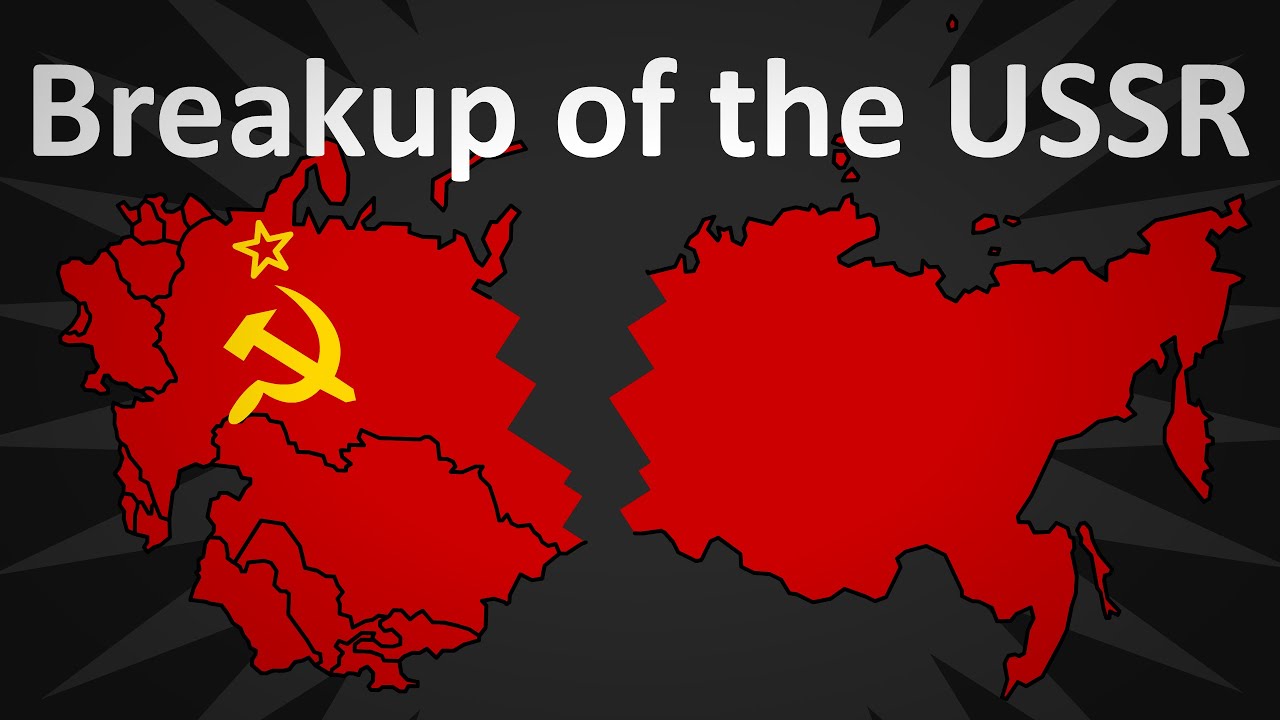
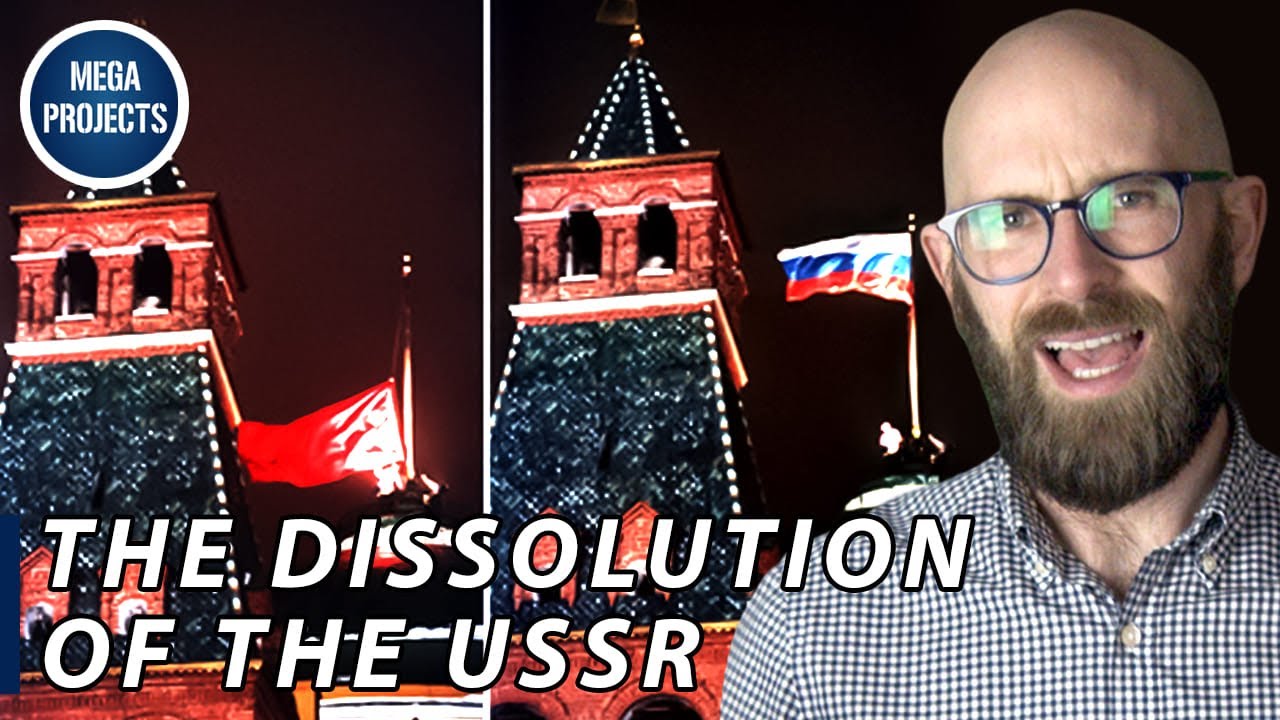
of the soviet union the restructuring implemented by him did not lead to the success he envisioned he was applauded in the west for the democratization of the soviet union for which he was given a nobel peace prize in 1990 however he slowly lost popularity within the state which led to his resignation in 1991 by the end of that same year the soviet union had completely broken up into independent nations he was blamed for the falling apart of the great ussr upon seeing the freedoms granted by perestroika and glasnost the satellite states were also craving change
the crisis in the ussr was just as present in the eastern bloc and the people of eastern europe were hoping the policies would be introduced in their homelands as well gorbachev abandoned the brezhnev doctrine which legitimized soviet russia's use of force in the satellite states if they defied communism the red army would no longer suppress uprisings as they did in hungary in 1956 and in czechoslovakia in 1968 this brought great changes in the eastern bloc in 1989 the berlin wall came down and the communist rulers all over eastern europe began to fall although he couldn't
lead the union out of its economic crisis gorbachev's reforms marked the beginning of an entirely new russian republic the changes culminated into a strange site in moscow as the babushkas and the de duskas were lining up in front of the first ever mcdonald's in the soviet union for their first ever taste of the big mac you