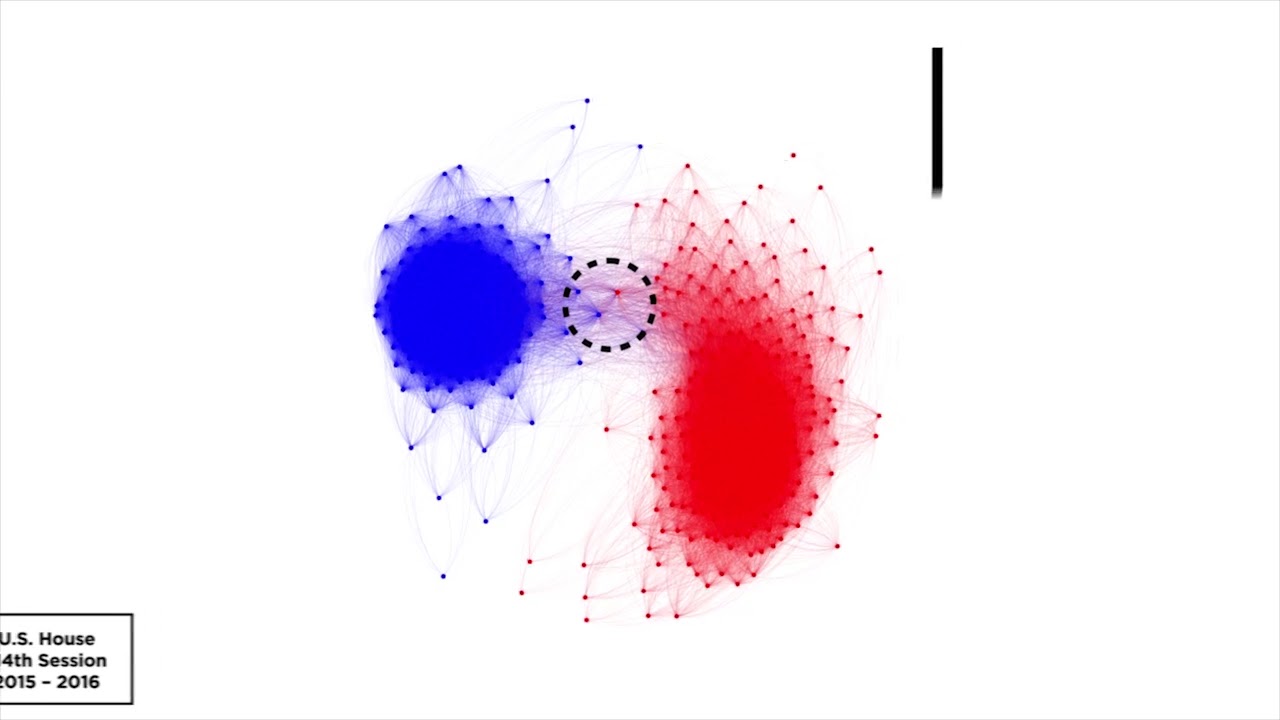
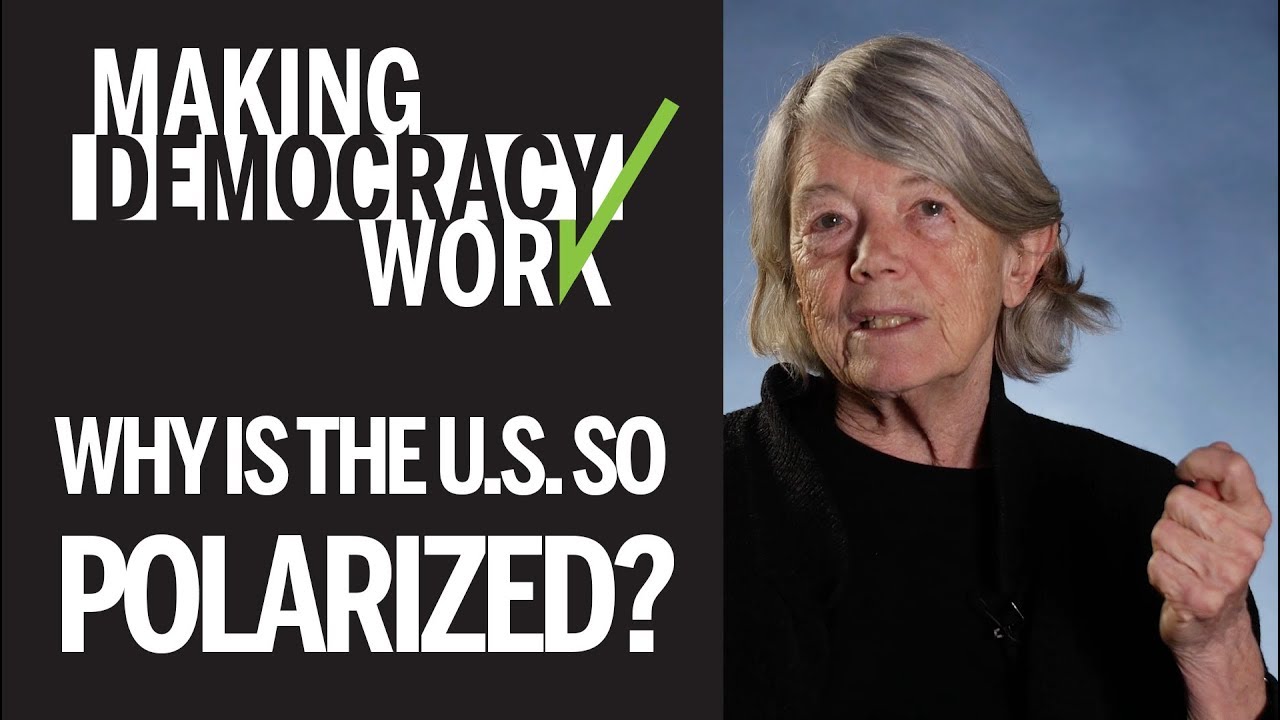
The parties are polarized today. To understand that you have to go back to the 1960’s, when the Democrats adopted or embraced the cause of civil rights. The conservatives in the party, largely Southern, left the party and went to the Republicans on this race issue, and the remaining liberals in the Republican Party over time, left the Republican Party, and went to the Democratic Party, which gives us two fairly cohesive ideological parties.
One party liberal, one party conservative. And this is essentially traced to- traced to the 1960’s civil rights race revolution. But the parties are not polarized that much on race today.
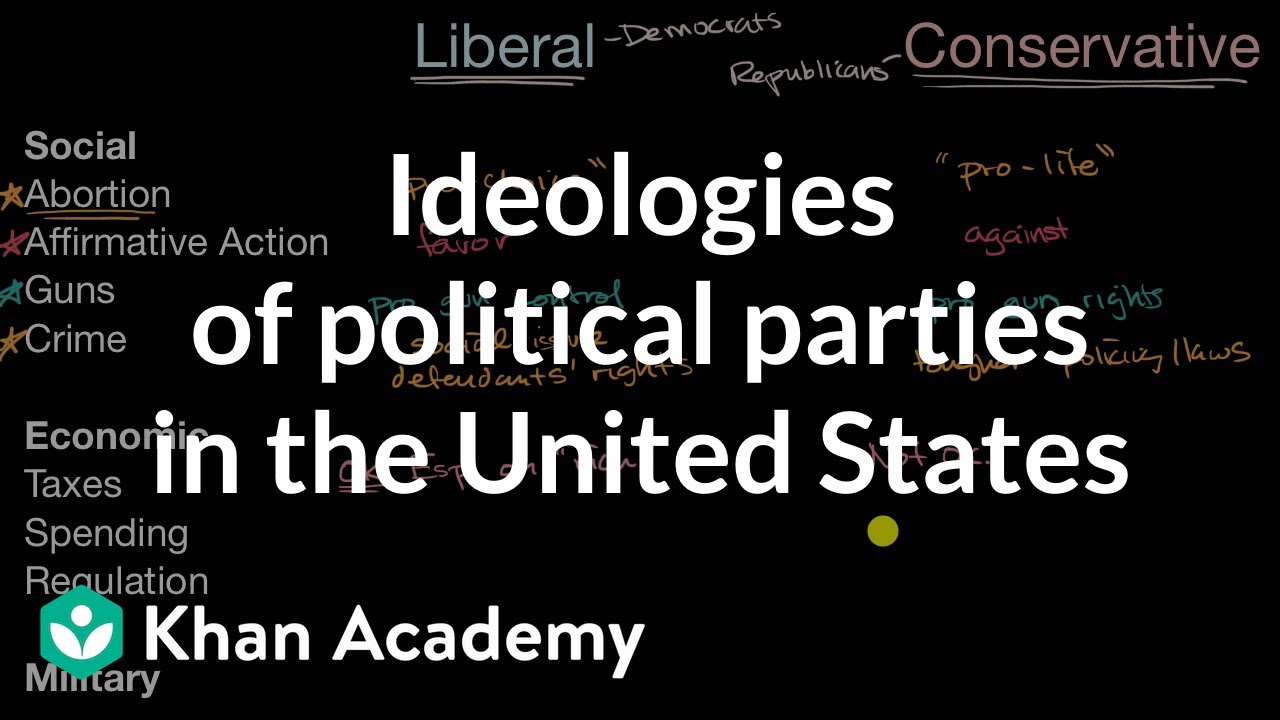
They’re polarized now on the welfare state and taxes. The Democrats want to extend the welfare state, national health insurance, free college tuition, child care. And the Republicans wish to roll it back.
They wish to roll back Social Security, Medicare, and cut taxes. So that is the really big issue. It’s not race it’s taxes and the size and the scope of the welfare state.
The major polarizing issues today between the two parties. If Mr. Clinton wins, nothing is going to happen.
It will be just a continuation of the gridlock we’ve seen for the last six years with Obama because the Republicans will control at least one house of congress, the House of Representatives, and they will block everything she attempts to do. So for those persons who would actually like to see action, would actually like to see something get done in Washington, whether its good or bad, a Trump presidency promises more positive policy action than a Clinton presidency because a Clinton presidency with one house controlled by the Republicans will lead to simply four years of, at least two years for sure, of policy gridlock and fussing, fighting, arguing but no substantive action.