- Have you ever kept track of how much time you spend looking at a screen? Like, actually log what you're doing and for how long? Well, that's what I did over the last few days.
And on an average day, I spent about an hour on Instagram, way too much time on Twitter, over three hours, and a little over an hour or so on Netflix. So, in total, I'm spending over five hours every day in front of a screen, and that's not counting text messages or listening to music. That's literally a quarter of my day every day.
So, what's all this screen time doing to me? Well, I asked who I always ask, Google, and the results fell into two buckets. The first bucket blamed smartphones, video games, and social media for increases in depression, anxiety, and even obesity.
The second bucket said that screen use might help improve how we feel about ourselves by keeping us connected with people. So, what does the scientific research say? Is all this screen time really bad for us?
Okay, first things first. Screen time as a term isn't that useful because it doesn't really tell you what you're doing on the screen. It's kinda like if someone asked you what you had for lunch and you say, "Food.
" That doesn't really provide any real info. And not all screen time is created equal. Context matters.
Spending four hours creating a video for YouTube is way different than spending four hours watching cat videos. How you feel about and how you process each of those situations won't be the same, so lumping them under screen time doesn't make much sense. If researchers wanna figure out what spending so much time on our screens is doing to us, they need to break down a few variables.
What's the specific screen activity? Are we passively scrolling and looking at pictures or are we commenting and posting? How long and how often are we on the screen?
Because there's so much to untangle, the research is kinda all over the place. You can find individual studies that support and contradict just about every conclusion linking screen time and health. To quote the director of the National Institutes of Health, the research is, "Quite limited, has not been conclusive, "and further study is needed.
" That's why it's crucial to look over our body of research to identify trends. All right, so let's get to it. Our digital lives can take a physical toll on us, and I'll be the first to admit.
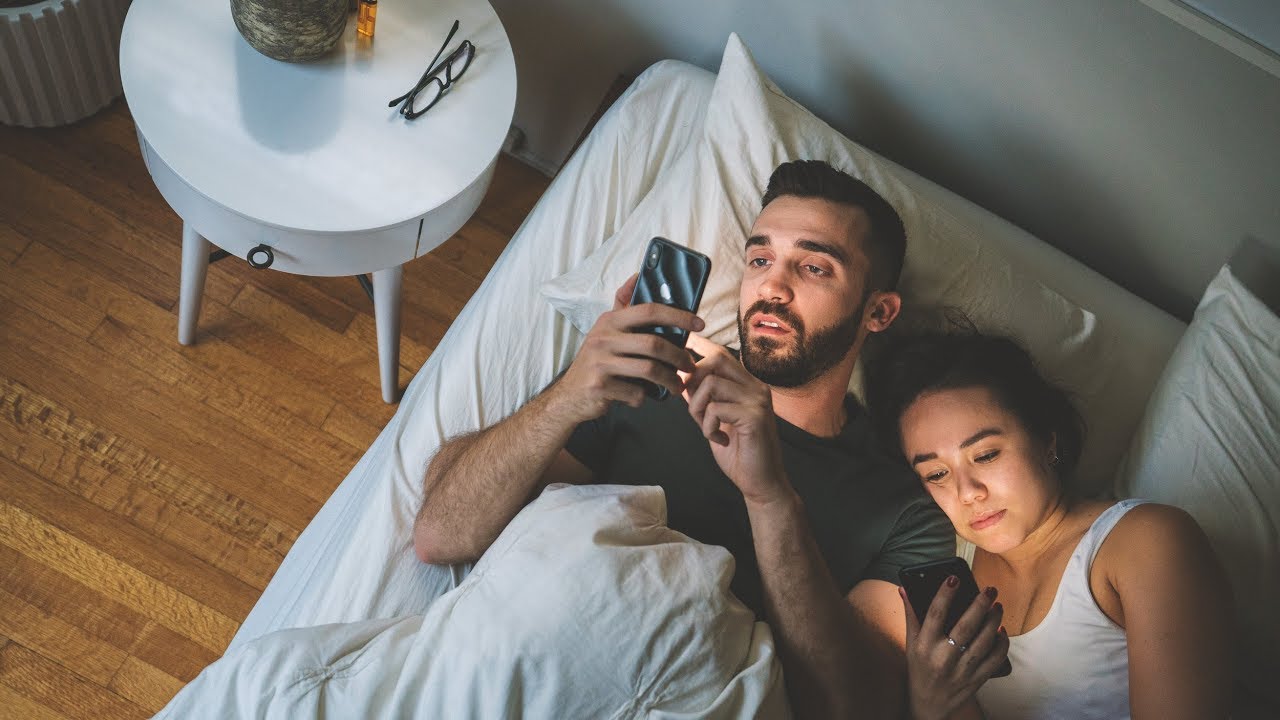
I'm usually on my phone right before I go to bed, even though multiple studies have shown that that leads to bad sleep. And we all know what can happen without enough sleep. Concentrating on things is hard, you can get irritable.
I sorta walk away like a zombie and sometimes me no make when I talk I, (pausing) sense? Hmm. And it's not just me.
In 1991, 26% of teens were getting less than the doctor-recommended seven hours of sleep a night. Today, that number is over 40%. Now, that doesn't mean you can place the blame on screens, but that same study did find that teens who spent five hours a day online were 50% more likely to not sleep enough than those who only spent an hour online each day.
Hmm. I'm skeptical though. Who are those people that say they only spend an hour online a day and why are they lying to researchers?
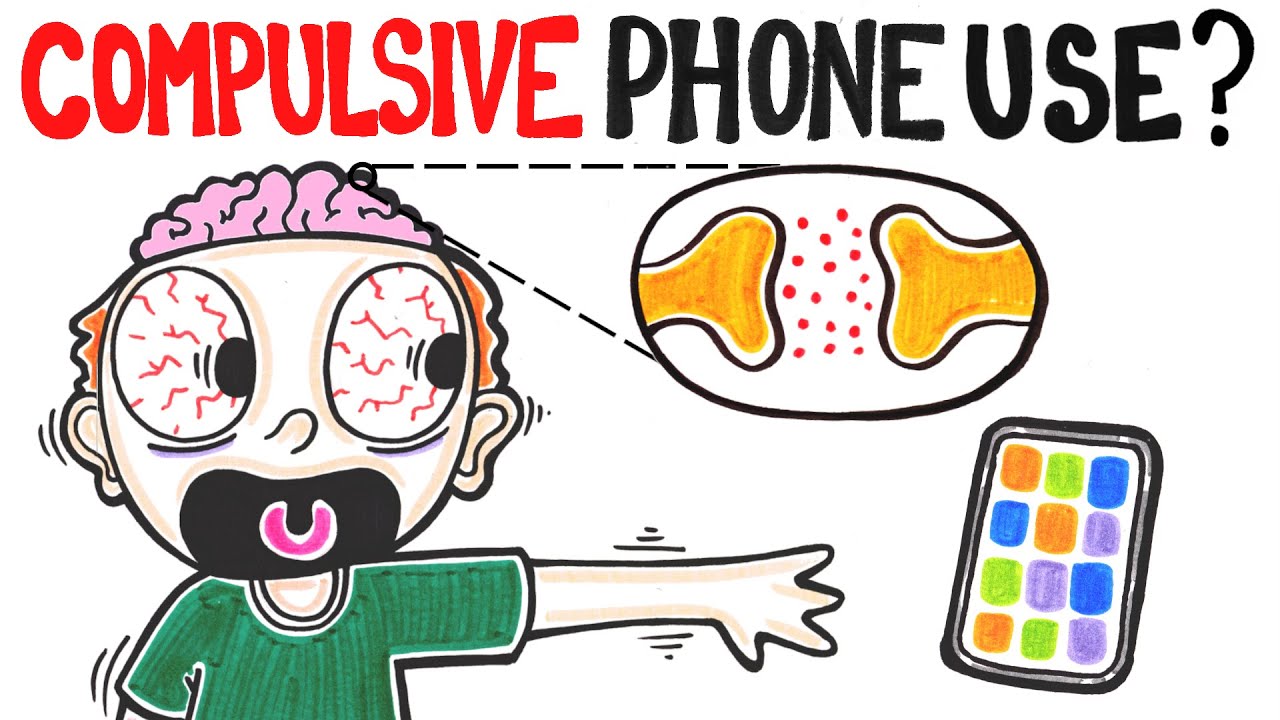
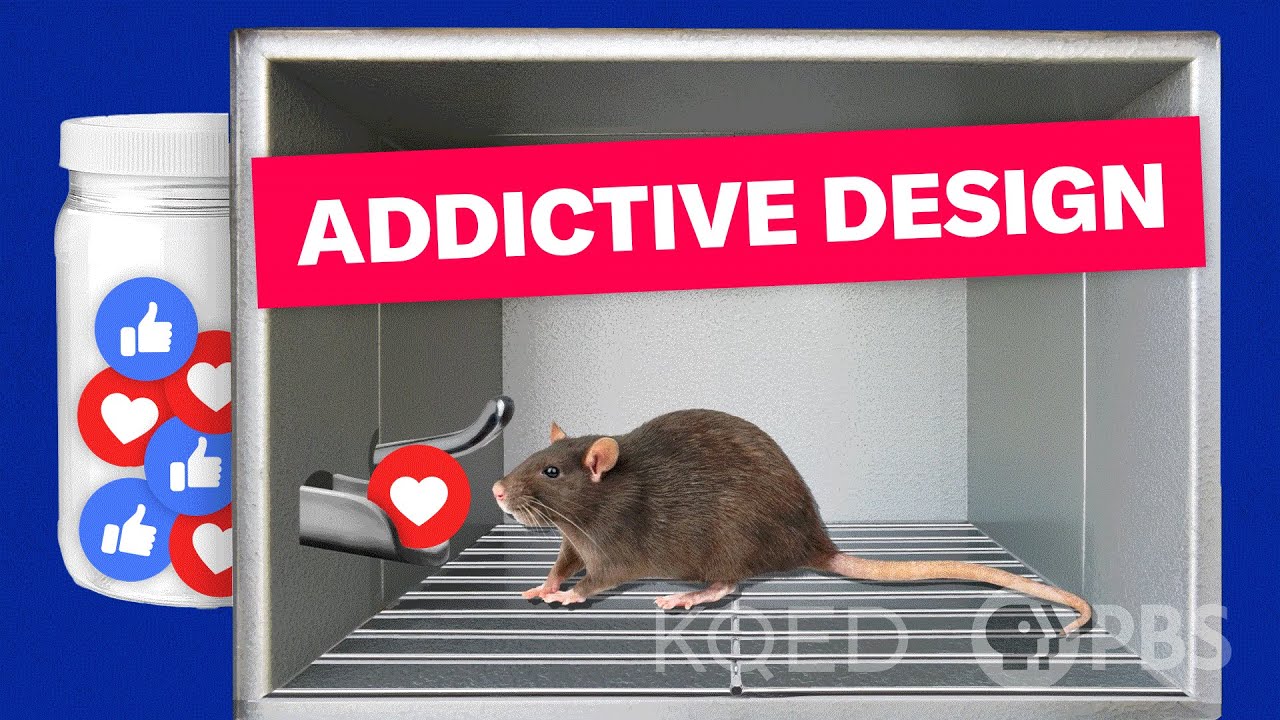
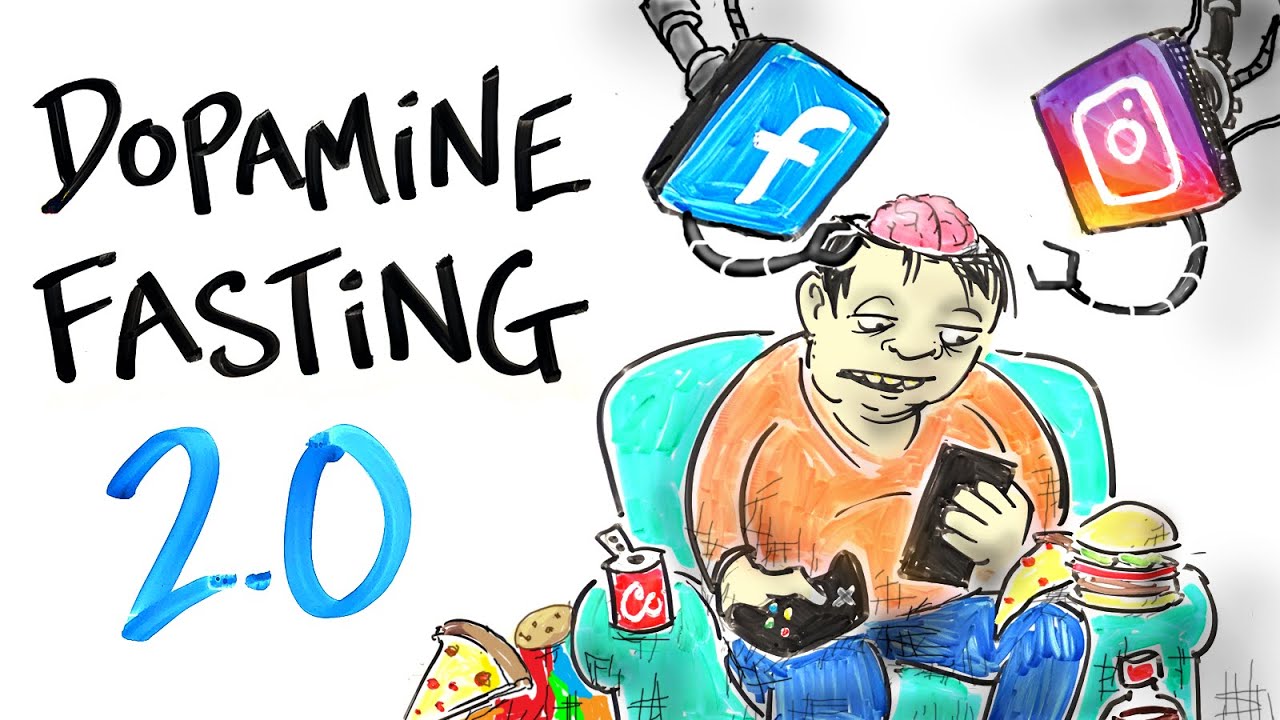
Doesn't make sense, doesn't add up. Some researchers even use the term addiction when talking about how we interact with our devices. Whether it's video games or waiting for a like on an Instagram post, we get caught in short-term dopamine-driven feedback loops where we get a quick pleasure boost but then constantly crave the next one.
Now, there's a lotta debate on whether or not this stuff is a bonafide addiction like gambling. And if you wanna learn more about that, check out our video that looks into whether or not video game addiction is real. One study in 2017 found that the more time people spend in front of screen, the more it affected their wellbeing.
Their chances of developing depression and suicidal thoughts went up. It was all the ammo the news media needed to fuel the panic about screen time. But that one study is just one study.
Another group of researchers came along and looked at the same data and asked, "Is there really a link between screen time and depression? "And if so, how strong is that link? " They found that screen time is correlated with depression, but that correlation is really small.
In fact, it was the same as eating potatoes regularly. The correlation between wearing glasses and depression was even stronger. And we're not seeing headlines worrying about potatoes and glasses ruining an entire generation, so maybe screen time in general is less important than we think.
The connection between screen time and health gets a little bit clearer when you look at how people are using their screens. It's not just about quantity, it's also about the quality. Passive screen time, things like watching TV or scrolling through your Instagram feed, is usually associated the negative stuff like depression, moodiness, anxiety, and even laziness.
Active screen time, stuff that engages you physically or cognitively, can actually be helpful. Screens also allow us to stay connected with people. With technology like FaceTime, I could talk to my best friend who's on the other side of the country, right now.
Now, sure, some people have to deal with feeling overwhelmed because of drama or feeling pressure to only post a highlight reel of themselves to make them look good to others. But in many studies, a majority of teens say that social media mainly helps the relationships they already have with their friends. And almost 60% have met a new friend, like me.
I just recently visited a homie in Canada who I've known online for like seven years, so that was pretty awesome. Shoutout to Shannon. (laughing) And when you look at stuff like multiplayer video games, Twitch streams, or Reddit, wandering around online allows you to find your tribe.
If you don't quite fit in where you live or you live in a small or isolated community, quality screen time might be essential to keeping you sane. So, what do you think? What screen activities do you value?
And what do you wanna cut out? Let us know in the comments below. Oh, we wanna give a shoutout to Common Sense Education, who we collabed with on this episode.
Thanks a lot, guys. And we have two more episodes with them coming out, so stay tuned for those. And if you're a teacher, check us out on KQED Learn.
'Til next time, guys, peace out.