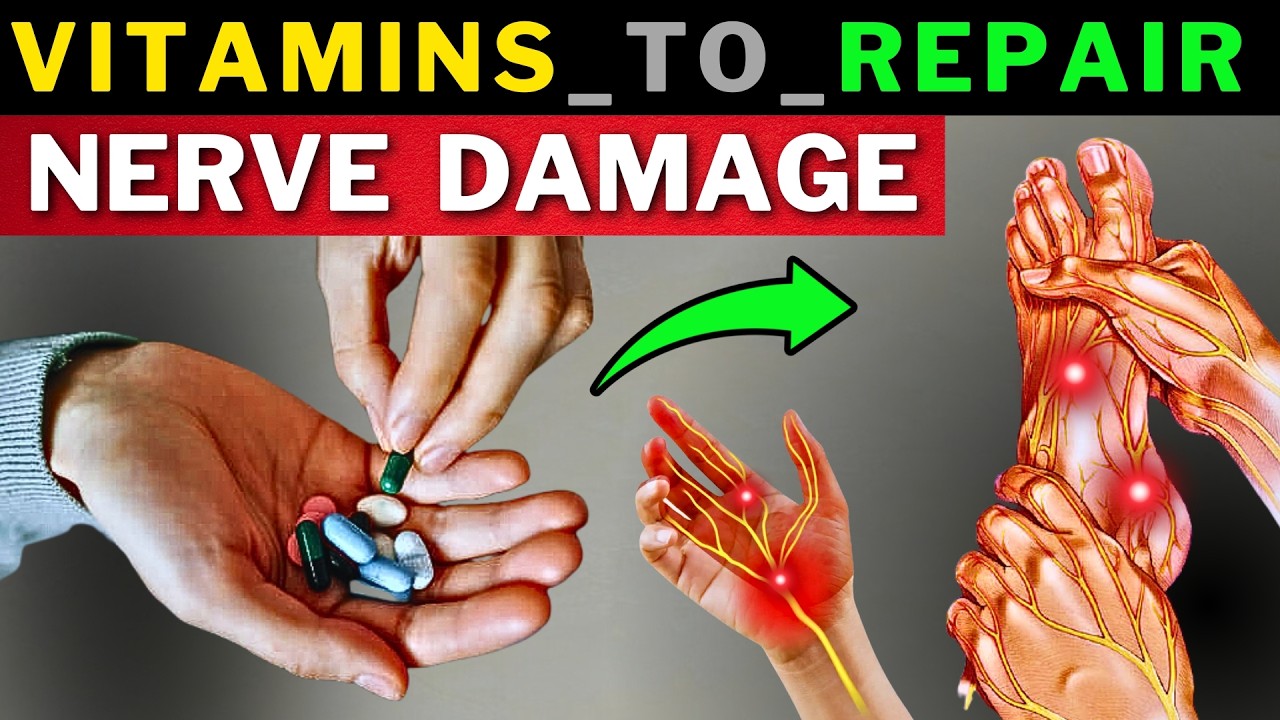
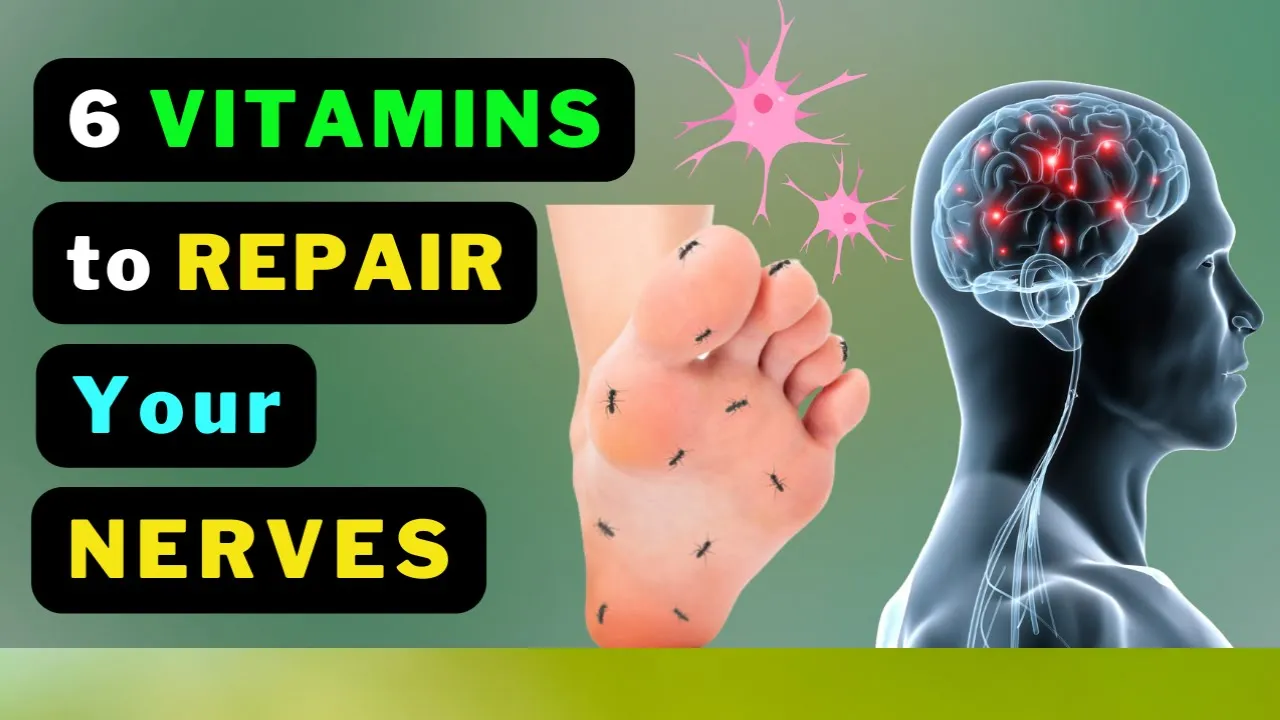
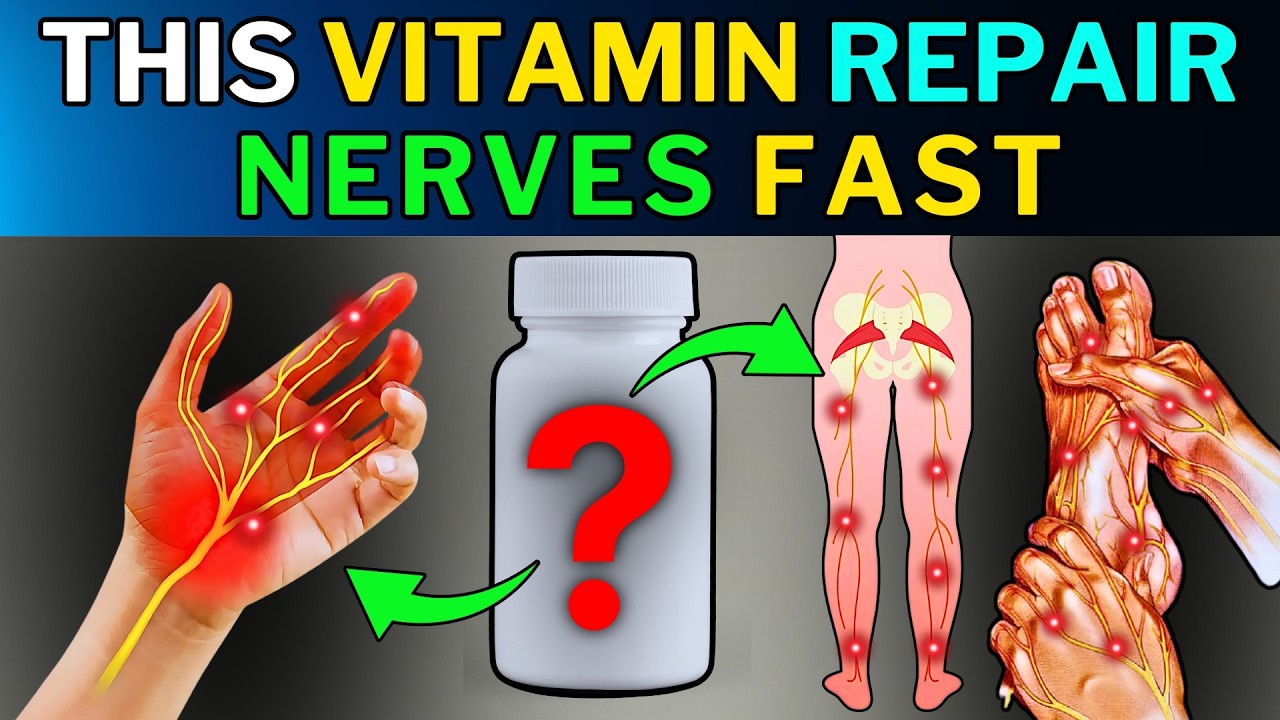
the top six vitamins to repair your nerves today's video is all about nerve repair and the vitamins that can help us achieve it our nervous system is one of the most crucial parts of our body responsible for sending and receiving signals to and from the brain and just like any other part of our body it requires proper nourishment to function optimally in this video we will be discussing the top six vitamins that can help repair nerves and keep our nervous system healthy these vitamins are essential for nerve growth and maintenance and can help alleviate symptoms
of nerve damage so without further delay let's dive into the top six vitamins for nerve repair just a quick reminder this video is for educational purposes only so speak to your doctor if you have any medical concerns one vitamin B1 thamin vitamin B1 also known as th iamin is one of the essential B complex vitamins required for various bodily functions including nerve function it is an important co-enzyme in the metabolism of carbohydrates which is the primary source of energy for the body thamin is also involved in the production of neurotransmitters which are the chemicals that
transmit signals in the nervous system when nerve damage occurs due to various reasons including injury diabetes IES alcoholism or nutritional deficiencies it can lead to nerve degeneration and dysfunction this can result in a range of symptoms such as tingling numbness weakness pain and even paralysis in severe cases nerve damage requires adequate nutrition for recovery and vitamin B1 is one of the essential nutrients required for nerve repair here are some of the ways in which vitamin B1 can help help in repairing nerves one promotes nerve growth vitamin B1 is involved in the production of nerve growth
factor ngf A protein that promotes the growth and repair of nerves ngf is essential for the survival and maintenance of nerve cells and vitamin B1 deficiency can result in reduced ngf levels leading to nerve damage and degeneration two enhances nerve conductivity vitamin B1 is involved in the production of myelin the fatty sheath that covers and insulates nerve fibers myelin is essential for the efficient transmission of nerve signals and vitamin B1 deficiency can lead to demyelination which can result in nerve dysfunction by promoting the production of myelin vitamin B1 can help enhance nerve conductivity and function
three reduces oxidative stress nerve damage can result in the production of reactive oxygen species R which are harmful molecules that can damage cells and tissues vitamin B1 is an antioxidant that can neutralize R and reduce oxidative stress which can help protect nerves from further damage and promote their repair four improves energy metabolism vitamin B1 is involved in the metabolism of carbohydrates which is the primary source of energy for the body adequate energy Supply is essential for the repair and maintenance of nerves and vitamin B1 deficiency can result in reduced energy production leading to nerve dysfunction
by improving energy metabolism vitamin B1 can provide the necessary fuel for nerve repair and function if you're finding this information helpful please take a moment to hit the like button subscribe and turn on notifications to stay updated with our latest health and nutrition videos two two vitamin C ascorbic acid vitamin C also known as ascorbic acid is a water soluble vitamin that plays an important role in nerve repair here are some ways that vitamin C can help in repairing nerves one collagen synthesis collagen is a protein that is essential for the health of connective tissue
including the nerve sheath vitamin C is required for the synthesis of collagen which helps to maintain the structural Integrity of the nerve sheath without enough vitamin C the nerve sheath can become weak and susceptible to damage two antioxidant properties vitamin C is a potent antioxidant that helps to protect nerves from damage caused by free radicals free radicals are unstable molecules that can damage cells including nerve cells vitamin C neutralizes free radicals which helps to prevent nerve damage and promote nerve repair three immune system Support vitaminc also plays a role in supporting the immune system which
can be important for nerve repair when nerves are damaged the immune system responds by sending immune cells to the area to clean up debris and promote healing vitamin C helps to support this immune response which can promote nerve repair four neuro NE transmitter synthesis vitamin C is required for the synthesis of neurotransmitters which are chemical Messengers that transmit signals between nerve cells without enough vitamin C the synthesis of neurotransmitters can be disrupted which can impair nerve function and slow down the repair process three vitamin D calciferol vitamin D also known as calciferol is a fat
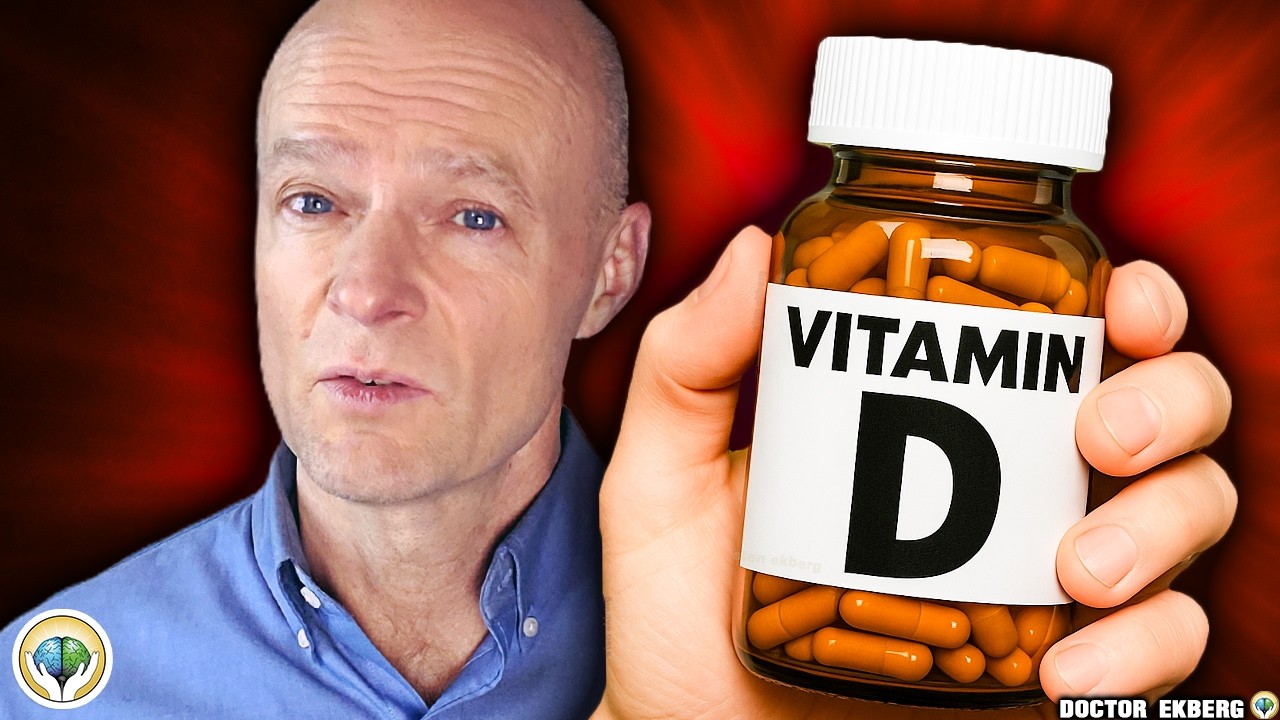
soluble vitamin that that is essential for the proper functioning of the human body it plays a crucial role in maintaining bone health regulating calcium and phosphorus levels in the blood and supporting the immune system however Recent research has suggested that vitamin D may also play a critical role in repairing damaged nerves when these nerves are damaged it can lead to a range of conditions such as neuropathy multiple sclerosis and Parkinson's disease disase vitamin D has been found to play a critical role in the repair and regeneration of damaged nerves it does so by promoting the
production of nerve growth factors which are essential for the growth and survival of nerve cells vitamin D also promotes the formation of myelin one study published in the Journal of neurochemistry found that vitamin D could promote the Regeneration of damaged nerve cells and mice the re researchers found that vitamin D increased the production of nerve growth factors and promoted the growth of new nerve cells in the damaged areas of the mouse brain another study published in the Journal of steroid biochemistry and molecular biology found that vitamin D could protect against the damaging effects of oxidative
stress on nerve cells additionally Studies have suggested that vitamin D may play a role in preventing nerve damage in the first place one study published in the journal BMC neurology found that people with low vitamin D levels were more likely to develop peripheral neuropathy a condition in which the nerves and the feet and hands are damaged these findings suggest that maintaining optimal levels of vitamin D may be essential for preventing and treating nerve damage so how can you ensure that you are getting enough vitamin D the primary source of vitamin D is through exposure to
sunlight when the skin is exposed to sunlight it produces vitamin D3 which is then converted to its active form in the liver and kidneys however many people do not get enough sunlight exposure due to their lifestyle geography or skin color therefore Vitamin D supplements and fortified foods are also an excellent source of the vitamin four vitamin E Alpha deol vitamin E also known as alphad deol is a fat soluble vitamin that plays a crucial role in maintaining healthy nerve function it is an antioxidant that helps protect the body from the harmful effects of free radicals
Studies have shown that vitamin E may be effective in repairing nerve damage and reducing the symptoms of neuropathy here are some ways in which vitamin E can help one antioxidant properties vitamin E is a power powerful antioxidant that helps protect the body from the harmful effects of free radicals by neutralizing free radicals vitamin E can help prevent or reduce the severity of nerve damage two anti-inflammatory properties inflammation is a natural response to injury or infection but when it becomes chronic it can damage nerve cells and cause neuropathy vitamin E has anti-inflammatory properties that can help
reduce inflammation and promote healing three improving blood flow nerve cells require a steady supply of oxygen and nutrients to function properly poor blood flow can contribute to nerve damage and neuropathy vitamin E can help improve blood flow by dilating blood vessels and reducing the stickiness of blood platelets four protecting myelin vitamin E can help protect myelin from damage by free radicals and other toxins five supporting nerve regeneration nerves can regenerate and repair themselves but this process can be slow and incomplete vitamin E can help support nerve regeneration by promoting the growth of new blood vessels
and stimulating the production of nerve growth factors in one study published in the journal of clinical neurophysiology researchers found that vitamin E supplementation improved nerve conduction velocity in patients with diabetic neuropathy another study published in the Journal of the peripheral nervous system found that vitamin E supplementation improved symptoms of chemotherapy induced neuropathy in breast cancer patients five vitamin B12 cobalamin vitamin B12 also known as cobalamin this vitamin plays a crucial role in maintaining the health of nerve cells and supporting their growth and repair how vital vitamin B12 helps in nerve repair vitamin B12 plays a
critical role in the maintenance and repair of nerve cells it is involved in the formation of the myin sheath the myelin sheath helps to speed up the transmission of nerve impulses allowing for efficient communication between nerve cells vitamin B12 also plays a role in the synthesis of DNA the genetic material that controls the growth and repair of cells this this is particularly important for nerve cells which are constantly exposed to damage from various sources in addition to its role in nerve cell growth and repair vitamin B12 also helps to regulate the levels of homocysteine in
the body homocysteine is an amino acid that can be toxic to nerve cells when present in high levels vitamin B12 helps to convert homocysteine into a non-toxic form reducing the risk of nerve damage implications for individuals with nerve damage for individuals with nerve damage vitamin B12 supplementation may be beneficial in promoting nerve repair and reducing symptoms such as pain numbness and tangling Studies have shown that vitamin B12 supplementation can improve nerve function in individuals with diabetic neuropathy a common form of nerve damage associated with diabetes in addition to diabetic neuropathy vitamin B12 supplementation may also
be beneficial for individuals with other forms of neuropathy such as those caused by chemotherapy or alcohol abuse it is worth noting that vitamin B12 is primarily found in animal products such as meat fish and dairy this means that individuals following a vegan or vegetarian diet may be at risk of vitamin B12 deficiency in such cases supplementation or fortified Foods may be necessary to ensure adequate intake of this essential nutrient six vitamin K filo quinone Vitamin K is a fat soluble vitamin that plays a crucial role in blood clotting bone health and cardiovascular health however Recent
research has shown that vitamin K may also play a vital role in nerve repair and regeneration the role of vitamin K in the body Vitamin K is essential for blood clotting which is why it is commonly known as the clotting vitamin there are two main forms of vitamin K vitamin K1 fanone and vitamin K2 menaquinone vitamin K1 is found in leafy green vegetables while vitamin K2 is produced by bacteria in the gut and is also found in animal products vitamin K plays a vital role in the body's clotting system by activating clotting factors that help
stop bleeding when a blood vessel is damaged it also helps to keep calcium in the bones and out of the arteries which can reduce the risk of cardiovascular disease vitamin K and nerve repair the nervous system is composed of neurons which transmit information throughout the body and gal cells which provide support and protection for the neurons when nerves are damaged often they require help from the body's repair mechanisms Studies have shown that vitamin K is involved in the production of a protein called gas 6 which is necessary for the survival and regeneration of nerve cells
gas 6 helps to activate a protein called act which promotes cell survival and regeneration when Vitamin K is deficient gas six levels are reduced and nerve cells may not be able to repair themselves as effectively how to get enough vitamin K the recommended daily intake of vitamin K for adults is 90 micrograms for women and 120 micrograms for men most people can get enough vitamin K through their diet especially if they eat a variety of green leafy vegetables such as spinach kale and broccoli other sources of vitamin K include liver eggs cheese and meat however
some people may be at risk of vitamin K deficiency including those who have difficulty absorbing fat such as people with crohn's disease or cystic fibrosis additionally people who take certain medications such as antibiotics or blood thinners may be at risk of vitamin K deficiency we hope you found this information useful and informative we covered six key vitamins that can Aid in nerve repair and function each of these vitamins plays a vital role in maintaining healthy nerve function and incorporating them into your diet can help promote nerve health and Aid in the healing process remember while
vitamins can play an important role in nerve repair it's always best to consult with a health care professional before making any significant changes to your diet or supplement regimen thank you for tuning in and we hope to see you again soon for more informative content don't forget to like And subscribe for more videos like this one












![Peripheral Neuropathy Home Remedies [Leg & Foot Nerve Pain Treatment]](https://img.youtube.com/vi/q586fnELj7w/maxresdefault.jpg)