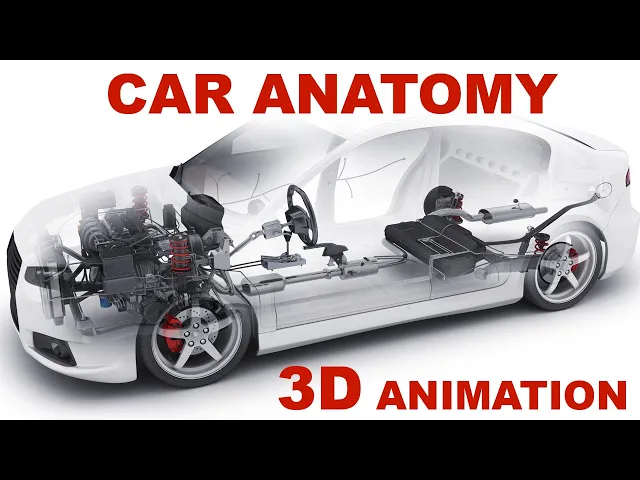
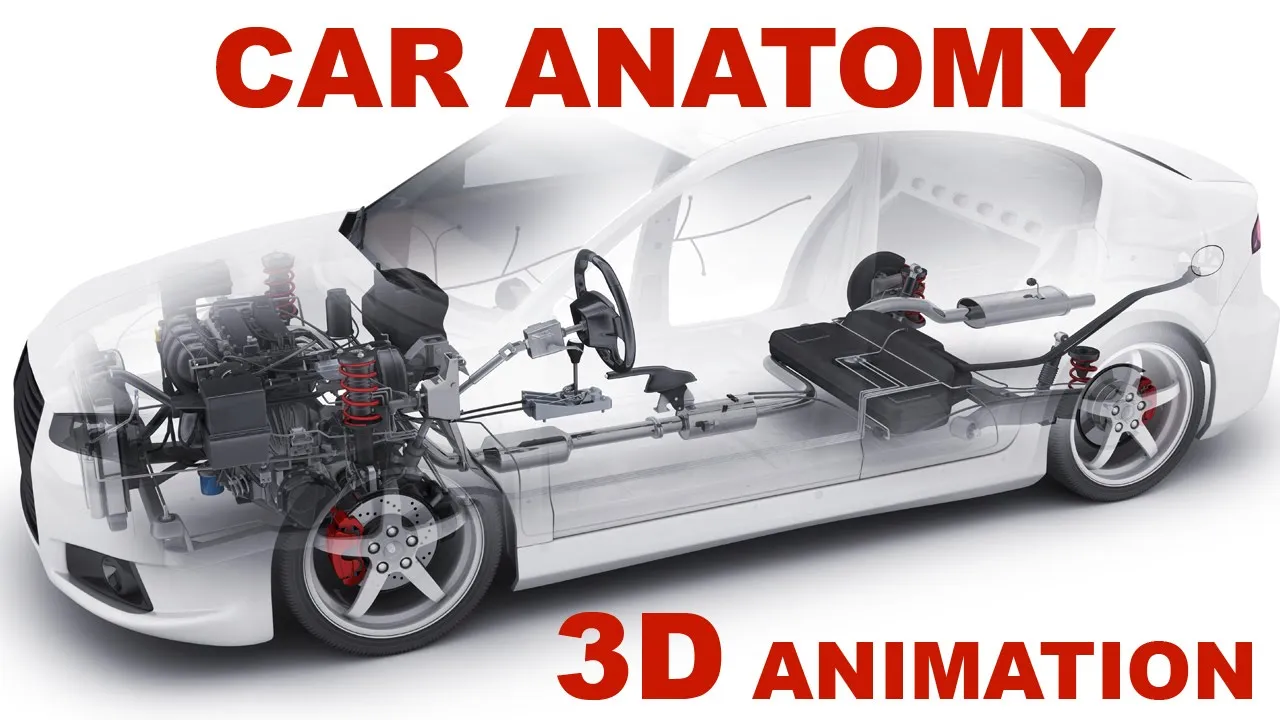
[Music] in this video we will go over the anatomy of a car the following major systems are included in the vehicle The Body and Frame the engine the transmission suspension systems wheels and tires control systems electrical systems the engine SE systems and the climatic equipment are the only remaining pieces of equipment let's take a look at the car's major components and assemblies it may appear complicated now but we're going to explore H system in Greater detail so let's look at car assemblies we'll begin with the Body and Frame this is the body it provides space
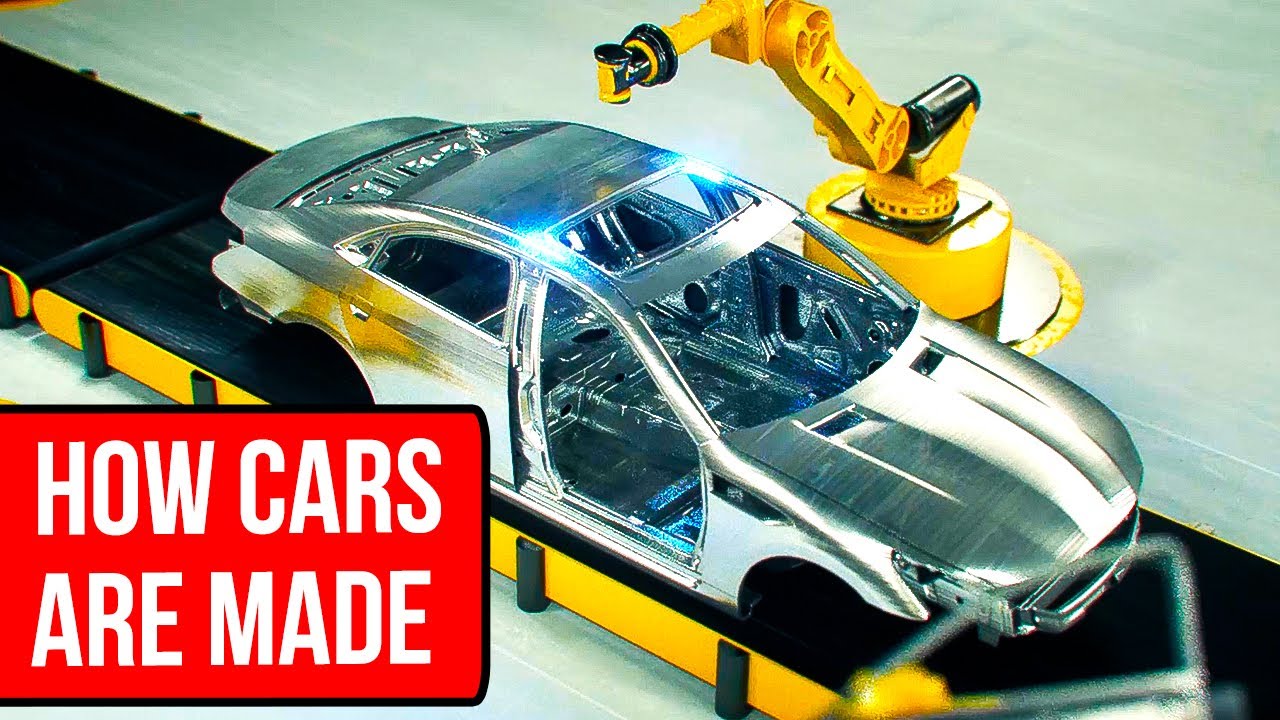
for the driver passengers and cargo this is the body together with all auxiliaries and decorative elements next comes the frame it is the main supporting structure to which all other components are attached it can be a body onf frame or a a unibody construction the unibody combines the function of the body and the frame most modern cars use this type of construction body onframe vehicles are much rarer and primarily comprise off-road SUVs the next vehicle system is the engine the engine is usually located in the front of the vehicle the engine converts one form of
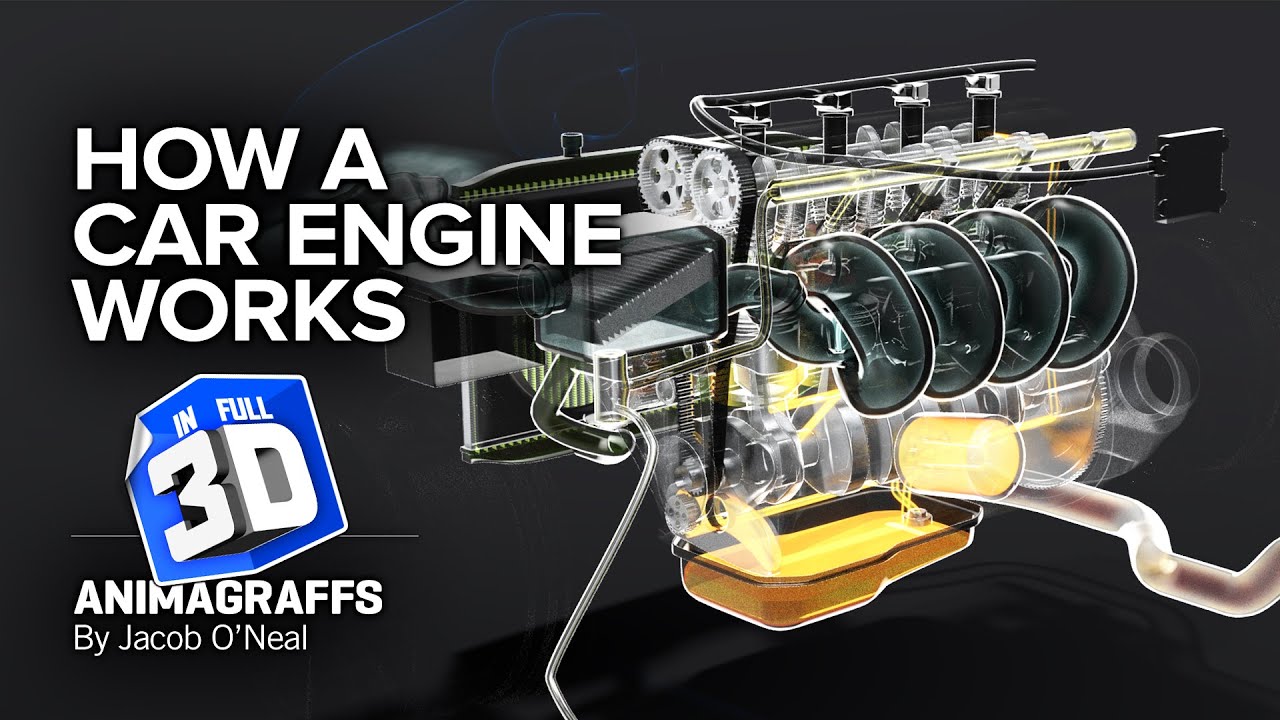
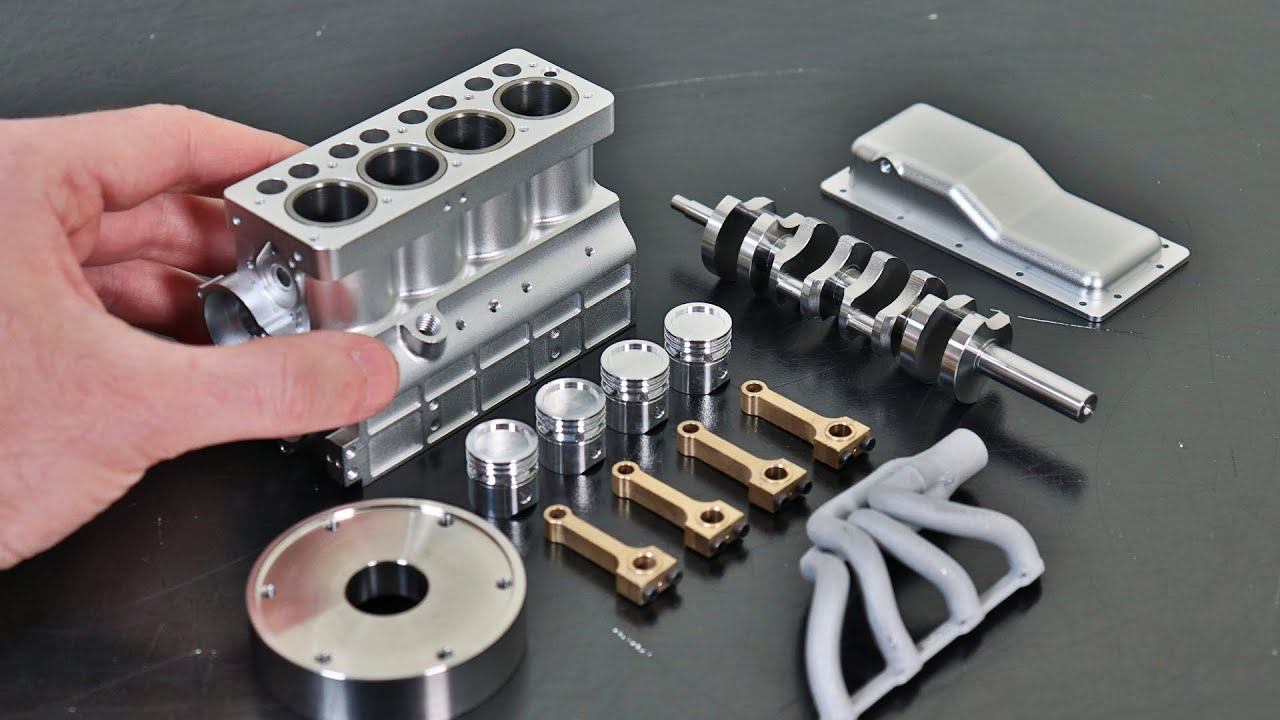
energy into mechanical energy which is then used to propel the car the internal combustion engine IC is the most commonly used engine type in automobiles such engines rely on the combustion energy of gasoline diesel fuel or in rare cases another kind of fuel electric and hybrid Motors are also becoming increasingly popular you can see a four cylinder 16 valve gasoline internal combustion engine this engine's operating cycle consists of four strokes intake compression power exhaust the engine has numerous subsystems such as the intake system exhaust system fuel supply system cooling system and others the internal combustion
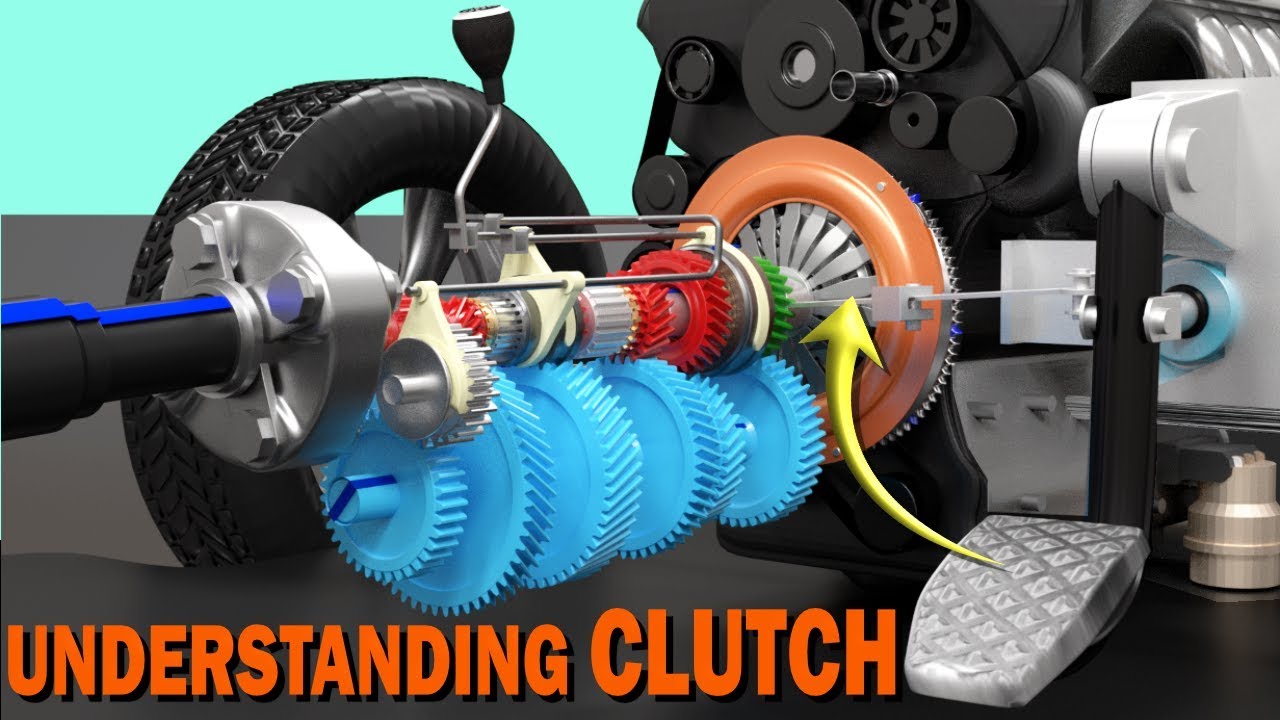
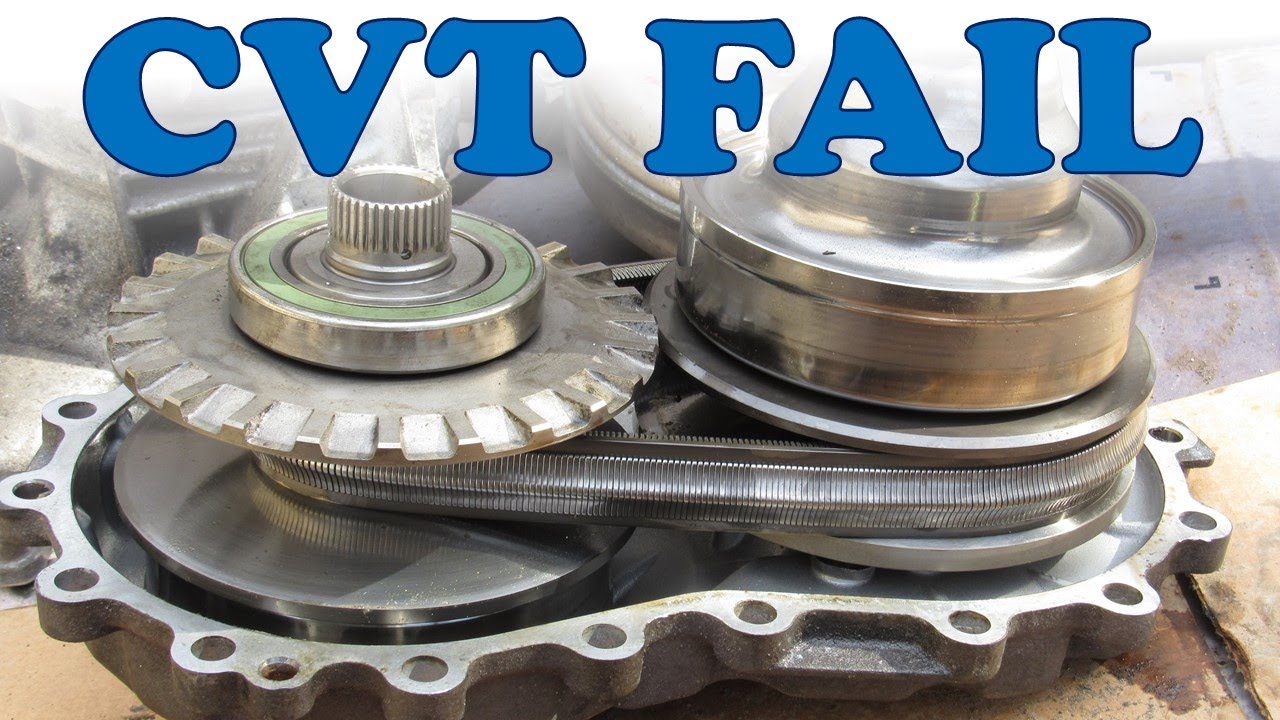
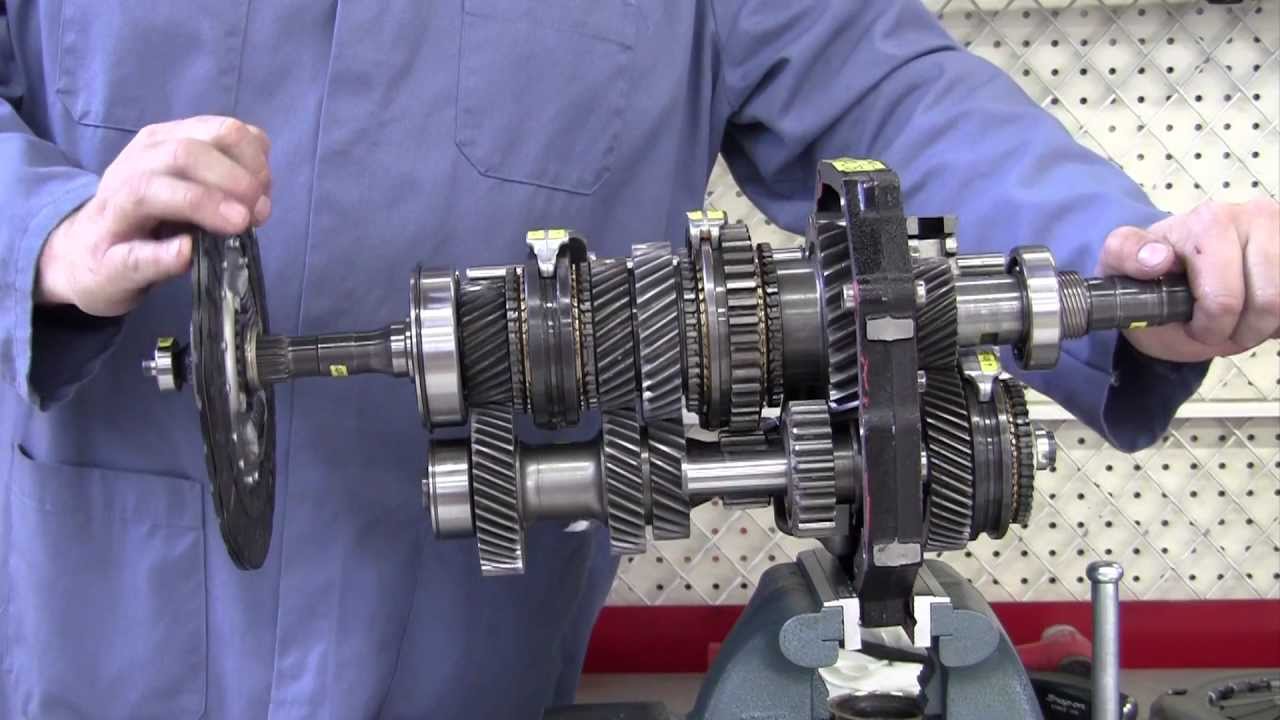
engine generates mechanical work and the torque is then transferred to the transmission system via a flywheel the transmission is the device that connects the engine to the drive Wheels it transfers changes and distributes torque to the drive Wheels Transmissions are classified based on the type of gearbox the manual gearbox requires the driver to select and change gears by using a gearshift lever and a clutch pedal in case of the automatic gearbox to travel forwards the driver only needs to shift the selector into the drive mode further gear changes do not necessitate driver intervention the type
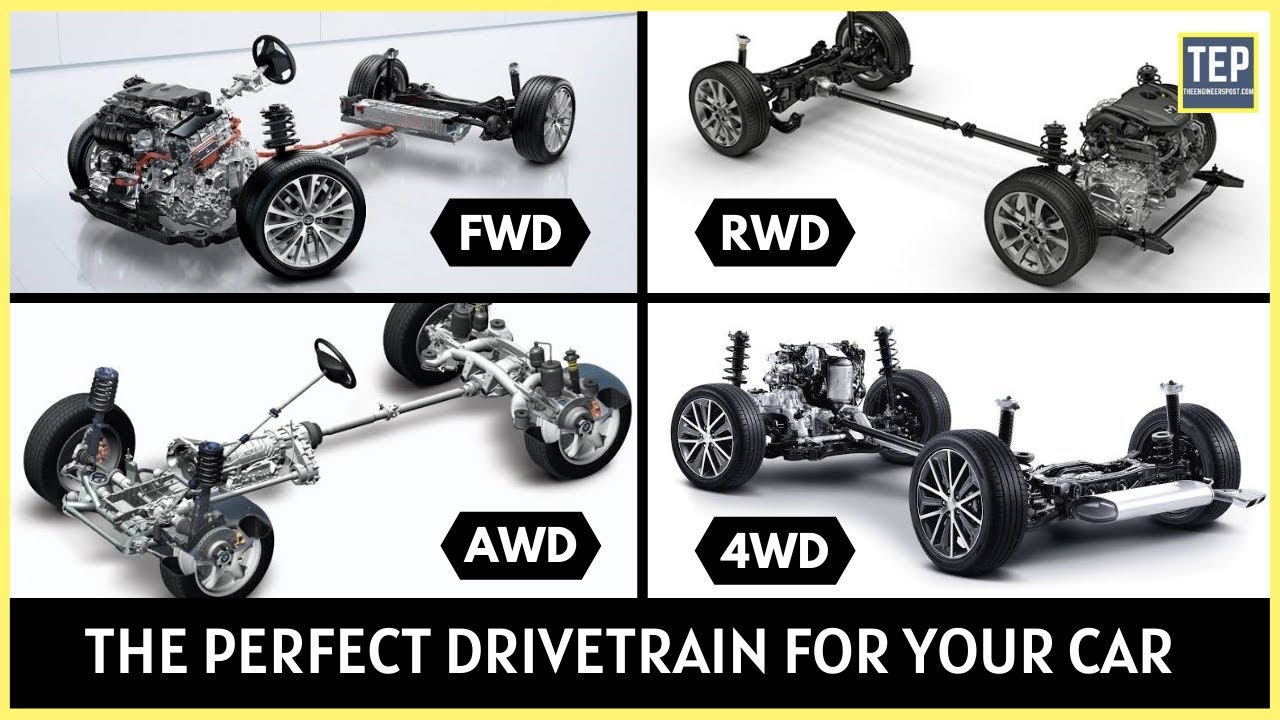
of wheel drive is another significant distinction between transmission systems you can now see a vehicle with front wheel drive depending on the type of wheel drive transmissions can have a variety of structures and compositions a front-wheel drive manual transmission includes the following components the clutch manual gearbox final drive and differential and Axle shafts the clutch final drive and differential are all contained within the same housing as the the gearbox now we can see how the engine and the transmission interact the combination of the engine and the transmission system is called the powertrain rear wheel drive
is another type of wheel drive such transmission also include a propeller shaft the final drive and differential are located on the drive axle outside the gearbox housing and this is an all-wheel drive Transmission in this case torque is supplied to both axles fulltime or on demand its components also include a transfer case which can be installed in the same housing as the gearbox the differential final drive and propeller shaft are duplicated on the driving axles let's return to the front-wheel drive transmission and move on to the next systems the suspension system wheels and tires help
a vehicle move along a road and receive and absorb the impact from various bumps making driving safer and more comfortable first let's take a quick look at the wheels and tires Wheels can be made from a variety of materials and in a variety of styles they are surrounded by tires creating an Airfield chamber sometimes tires are also equipped with an inner tube let's go back to the suspension system the suspension includes the wheel hub this is a wheel hub mounted on a steering knuckle the spring a coil spring in our case shock absorbers suspension links
arms and beams this type of suspension has an arm control and a shock absorber that performs an additional function of the suspension arm the anti roll bar the subf frame and bushings the front bar of the suspension system uses mcferson struts which are very popular among car manufacturers on the rear axle we can see a semi-independent suspension with a torsion bar next car Control Systems they include the steering system the braking system in this section it would also be appropriate to review engine and transmission controls the steering system is required to change the direction of
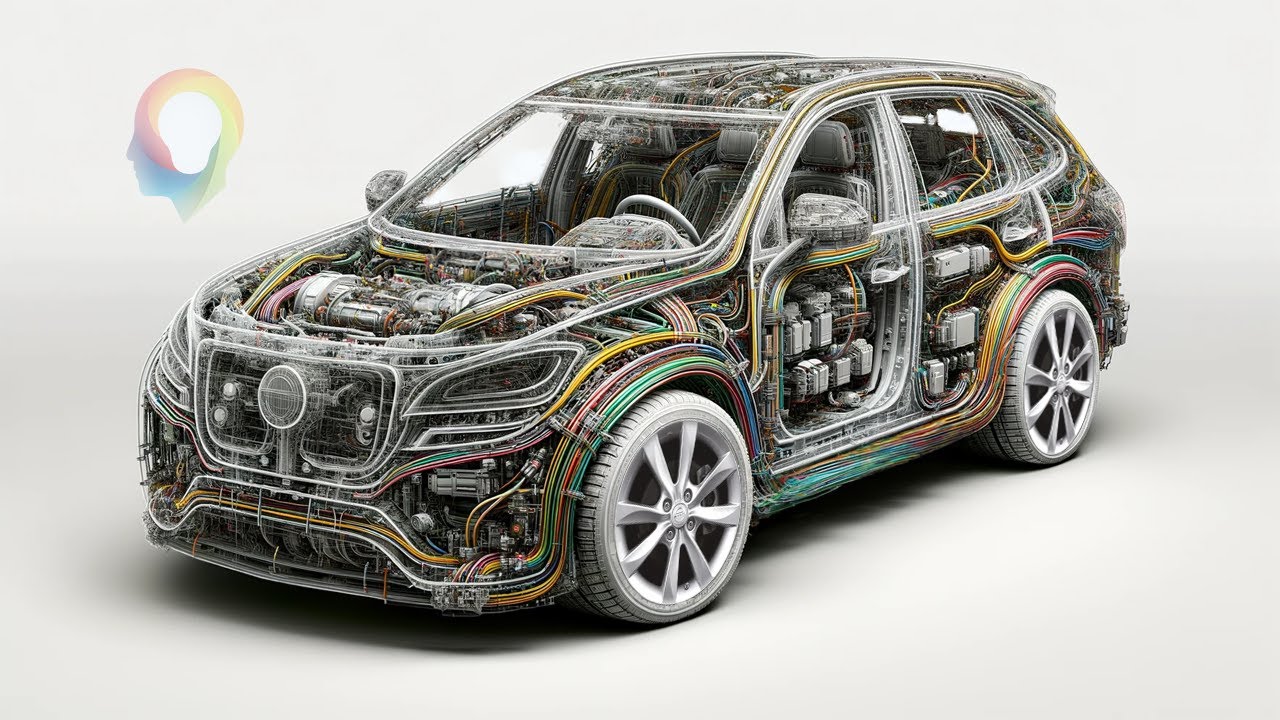
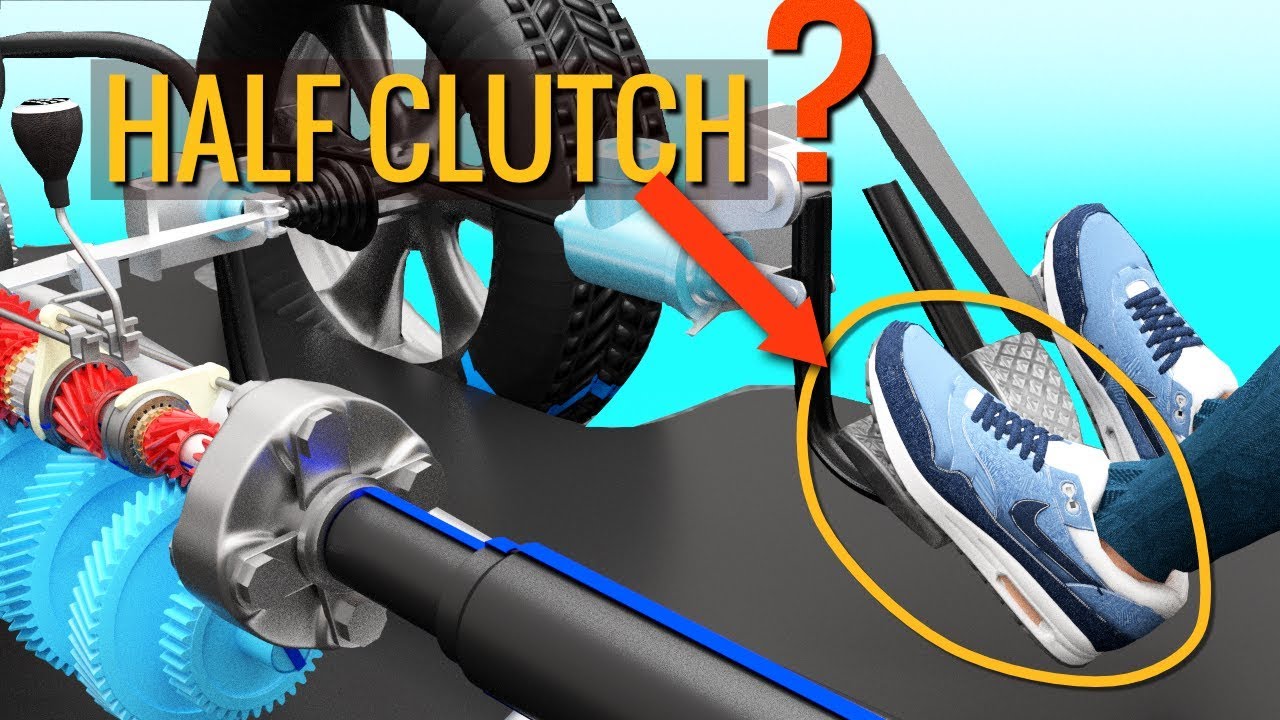
the car's movement the braking system is required to slow down and stop the car as well as to keep it in place engine control is used to alter the engine torque this is an obsolete model with a mechanical throttle valve transmission control is required to temporarily disconnect the engine and the transmission and select the desired gear or the desired gearbox mode passing on to electrical equipment modern vehicles are in conceivable without electrical equipment it stores generates transmits and consumes electricity an electrical equipment within a vehicle can be classified into few categories power sources power consumers
electrical wiring auxiliary elements power sources are the battery and the generator power consumers include various appliances that require electricity to operate such as headlights the starter motor the engine control unit and others electrical wiring connects various components of the electrical system auxiliary elements include relay and fuse boxes as well as various buttons and switches this concludes our review of the basic car components if you want to learn more about the car part of structure see our next videos bye everyone