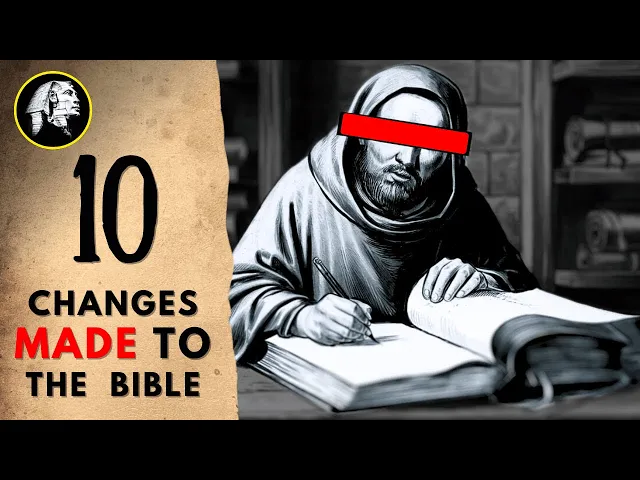
what if I told you that the Bible you know today isn't the same as it was thousands of years ago that hidden changes have reshaped its teachings Shifting the meaning of words you thought were Eternal the Bible one of the most read and revered books in human history is considered by many to be the unchanging word of God for billions it is a sacred Foundation a source of wisdom that has stood the test of time but what if that Foundation isn't as solid as it appears today we're going to uncover 10 profound changes made to
the Bible over the centuries changes that Scholars historians and theologians are only now beginning to fully understand each of these shifts reveals a hidden layer of the Bible's Journey Through History a journey shaped by human hands political pressures and spiritual Transformations join us as we peel back the layers and uncover what might have been lost or altered over time first change the height of Goliath let's start with a figure who looms large in both biblical lore and popular imagination Goliath the story of David and Goliath is a tale many know a young Shepherd defeating a
towering giant with nothing but a sling and a stone in the familiar biblical narrative Goliath's height is recorded as 6 cubits and a span approximately 9 ft tall his portrayal as a formidable Warrior nearly twice the height of an average man adds to the miraculous nature of David's Victory but ancient manuscripts like the Dead Sea Scrolls offer a different perspective in these older texts Goliath is described as for cubits in a span approximately 6' 9 in still imposing but not a giant Scholars debate why Goliath's height might have been adjusted did storytellers enhance this detail
over time to amplify David's heroism or perhaps later translators preferred a more dramatic depiction this change prompts us to consider how details can be exaggerated or modified to emphasize themes of bravery and [Music] Faith second change the names of the Gospel authors now we turn to the New Testament specifically to the gospels Matthew Mark Luke and John most readers assume these books were written by Jesus closest followers but early versions of these texts were actually Anonymous the names of disciples Matthew a tax collector John a fisherman and Luke a physician were attached to these texts
later perhaps to lend Authority Scholars studying the writing styles vocabulary and historical context suggest that the gospels were likely written by educated greek-speaking Christians not eyewitnesses to the event they describe this Revelation raises questions about authorship and authenticity by attributing these books to Jesus disciples later editors may have intended to bolster The credibility of these accounts but if these authors weren't eyewitnesses how should we interpret their words this issue also raises fascinating questions about the role of oral traditions in shaping religion narratives the gospels after all were likely composed based on stories passed down for
decades before being written down understanding this brings a new dimension to our reading of the New Testament inviting us to consider the importance of communal memory and tradition in religious texts Third change the role of women in early Christianity in the early Christian Community women played a vital role as teachers leaders and even Apostles but as the church evolved The Narrative around women's contributions changed one notable example is found in Romans 16 where Paul mentions a female Apostle named yunia early manuscripts refer to her as yunia a woman held in high regard but later translations
altered her name to Junius making her male and thus diminishing her role in the early church this change reflects a broader pattern in which women's contributions were gradually obscured or erased as the church became more institutionalized from Mary Magdalene often depicted in later Traditions as a repentant sinner rather than a close Confidant of Jesus to Pilla a prominent teacher in the early church whose role was often downplayed the contributions of women were altered or minimized these changes prompt us to consider how different Christian history might look if women's leadership roles had been fully acknowledged and
[Music] preserved fourth change Jesus forgiveness on the cross one of Jesus most famous sayings is found found in the Gospel of Luke father forgive them for they do not know what they are doing this profound expression of forgiveness is Central to Christian teachings on mercy and compassion however this phrase is missing from some of the oldest manuscripts Scholars speculate that later scribes may have added this line to emphasize jesus' compassionate nature aligning with the themes of forgiveness and salvation that became Central to Christian doctrine on the other hand it's possible that this line was removed
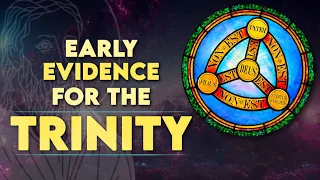
from some early texts due to political pressures during times of tension between Christians and Romans absolving Jesus executioners might have been seen as controversial this Line's inclusion or absence demonstrates how even small textual differences can profoundly impact the message in this case it affects our understanding of Jesus final moments and the values he represented fifth change the Trinity and the johannine comma the concept of the Trinity that God exists as three distinct persons the Father the Son and the Holy Spirit is a Cornerstone of Christian theology how however did you know that the only explicit
mention of the trinity in the Bible found in 1 John 5:7 was added centuries later known as The johannine Comma this passage does not appear in the earliest Greek manuscripts it was inserted in later Latin translations likely during theological debates about the nature of God by adding this phrase later editors clarified a concept that was not directly addressed in the Bible's original text the implications of this change are profound was this addition an attempt to codify a theological position or resolve disputes within the early church if so this could suggest that elements of Doctrine considered
fundamental today were shaped by later interpretations and Theological pressures rather than divine revelation sixth change responsibility for Jesus death the question of who was responsible for Jesus crucifixion has been a source of conflict and tension for centuries some passages in the New Testament appear to place blame on Jewish authorities While others implicate Roman officials these textual differences May reflect the struggles of early Christan Christian communities who sought to navigate relationships with both Jewish and Roman groups as Christianity spread editors might have adjusted certain passages to mitigate conflict or shift blame to avoid persecution for instance
in Matthew pilate washes his hands of responsibility emphasizing the role of Jewish authorities this portrayal could have been influenced by early Christian desires to distance themselves from Judaism or to appeal to Roman converts the implications of these changes have been profound affecting Christian Jewish relations for centuries and even contributing to historical acts of discrimination and persecution this example highlights how historical context and social pressures may have shaped the gospels in ways that continue to resonate today seventh change copying errors and textual variants before the invention of the printing press every Bible was painstakingly copied by
hand scribes dedicated years to this work often making small unintentional errors sometimes they would swap words omit sentences or misunderstand abbreviations for example in Hebrews 1:3 some versions say that Christ Bears all things by his word While others say he manifests all things while such differences may seem minor each variant subtly shifts the meaning of the text especially when the words describe Christ's role in creation and Divinity over centuries these tiny changes accumulated and even today variations in biblical manuscripts lead to differences in Translation these small errors remind us of the human element in preserving
sacred texts and they also highlight the complexity of establishing a definitive version of the Bible eighth change missing verses certain verses found in today's Bible are missing from the earliest manuscripts John 5 :4 which describes an angel stirring the Waters of Bethesda does not appear in the oldest Greek texts similarly the ending of the Gospel of Mark Mark 16:9-20 which details Jesus post-resurrection appearances was likely added later these additions could have been made to address gaps in the narrative or to reinforce theological themes such as the importance of of baptism or the miraculous nature of
Jesus resurrection if these verses were later additions it suggests that early Christian communities felt a need to complete the story perhaps to address questions raised by followers or to counter opposing views understanding these missing verses encourages us to consider how each verse was carefully chosen or debated shaping the Bible into the form we know today ninth change different versions of Old Testament stories in the Old Testament there are multiple accounts of some stories and each version sometimes offers different details take for instance the accounts of King David's life found in the books of Samuel and
Chronicles while both texts tell the story of David's reign they sometimes differ in tone content and emphasis Chronicles written later amid certain episodes such as David's affair with ba Sheba focusing instead on his accomplishments and the glory of his kingdom was this a case of editing history to emphasize David's strengths or perhaps to inspire Future Leaders with a vision of a unified Israel the these variations reveal how ancient scribes may have shaped narratives to serve contemporary needs adjusting historical accounts to align with evolving political or spiritual goals in this sense the Bible's historical books offer
us not only stories of ancient figures but a window into the values and concerns of the communities that preserved them 10th change themes of reward and Punishment the Bible's messages about Divine reward and Punishment vary throughout its pages in some passages God is depicted as merciful and forgiving while in others he appears strict and vengeful for instance the story of Jonah illustrates God's mercy as he forgives the people of Nineveh despite their sins but in Deuteronomy God is described as a jealous God who punishes those who stray from his commands why such different portrayals some
Scholars suggest that later scribes might have emphasized specific aspects of God's nature to reflect the values or challenges of their time in periods of hardship for example messages of divine punishment might have resonated more reinforcing the need for social cohesion and moral discipline over time these differing depictions have shaped the way readers view God as both loving and just merciful and strict they remind us that each passage reflects not only its historical context but also the Timeless questions that continue to shape religious belief the Bible as we know it today is a tapestry woven from
centuries of translations edits and adjustments each hand that touched it left an imprint each mind added a thought each heart a belief perhaps we'll never fully know the original form of these sacred words but by tracing these changes we Glimpse the complexity of a text that has lived through generations transforming as it traveled through time thank you for joining us on this fascinating Journey if you found this video enlightening please like share and subscribe to our channel for more insights into biblical stories and their hidden meanings