Have you ever wondered if some of the ordinary objects in your home could secretly be harmful to your health? Things you use every day without a second thought may actually contain hidden toxins and germs. In this video, I'll highlight 8 sneaky household items that can negatively impact your health if you're not careful.
You probably think your home is a safe haven, but you may be unknowingly surrounding yourself with dangerous substances linked to cancer, hormone disruption, respiratory issues, and more. Stick around as I expose the unexpected risks lurking right under your nose. You'll never look at your everyday products the same way again.
Scented Candles: Let's start with something that seems completely harmless - scented candles. Who doesn't love the cozy glow and delicious aromas wafting from these popular decor items? But those enticing scents are hiding some seriously concerning chemicals.
Most scented candles contain ingredients like limonene and phthalates. Limonene gives off that citrusy scent, and is found in many fragranced products, not just candles. While it seems benign, when released into the air, limonene can convert into formaldehyde - a known human carcinogen.
According to the International Agency for Research on Cancer, formaldehyde exposure can cause unpredictable inflammatory reactions, liver toxicity, lung and breast cancer, and adverse effects on pregnant women and fetuses. Meanwhile, the phthalates in scented candles work to make the fragrance last longer. But phthalates are endocrine disruptors.
Too much exposure can lead to hormonal imbalances, increased liver cancer risk, and issues for pregnant women and fetuses. These chemicals are also linked to impaired brain development, ADD/ADHD, and worsened behavioral disorders in children. So those lovely scented candles aren't so lovely after all!
And it's not just candles - according to the International Agency for Research on Cancer, 91% of everyday household products emit formaldehyde. Experts especially warn against burning candles indoors or in your bedroom, as it can raise levels of carbon monoxide, leading to dizziness, headaches, and nausea. Use scented products sparingly, and frequently ventilate your home by opening windows instead of relying on candles to eliminate odors.
And absolutely do not keep candles in your bedroom. Humidifiers: Here's another surprising one - humidifiers. Many people run these devices in their homes to moisturize dry winter air.
And they seem harmless enough - but think again. Research investigating bacteria levels in humidifier water tanks over time found that after 12 hours, purified water and tap water contained similar amounts of microbes. Scientists expected the chlorine in tap water to kill germs and prevent bacteria growth, but that was not the case.
Experts explain that no matter the water source, humidifiers inherently encourage bacterial growth by housing water for extended periods. Without proper maintenance, dangerous bacteria like Pseudomonas aeruginosa, Legionella, and Streptococcus pneumoniae can thrive in the tanks. These bugs can cause pneumonia, respiratory illnesses, sepsis, and more.
So be diligent about thoroughly cleaning your humidifier's water reservoir at least every 3-4 days to prevent massive bacteria buildup. And leave the device open and dry when not in use. Dr Cleaning Chemicals: Here's another everyday item that hides health hazards - dry cleaned clothes.
While professional cleaning is convenient for fancy garments, the chemicals used are no joke. Dr cleaners rely on harsh solvents like perchloroethylene (PERC) to remove tough stains. But PERC is a known carcinogen.
According to the Occupational Safety and Health Administration, continuous exposure can increase disease risk by entering the body through skin or inhalation. Research suggests prolonged PERC exposure raises chances of certain cancers like esophageal, uterine, and bladder cancer. Breathing in the vapors can cause dizziness, nose and throat irritation, memory loss, and rash.
To save time, cleaners often cover clothes in plastic before they are fully dry. So toxic fumes get trapped in the plastic, and you breathe them in every time you open your closet. The solvent benzene is also used, which is a volatile organic compound linked to cancer.
Before hanging dry cleaned clothes in your closet, remove the plastic and let them air out for 3-4 hours. Give them a good shake too. And keep them far from heat and sunlight, which makes vapors more potent.
Thermal Receipts: Next up - something you probably keep in your wallet or purse - thermal receipts. On the surface, these paper receipts seem harmless. But the printing technology is shockingly unhealthy.
Thermal paper is coated with chemicals that react to heat to print characters without ink. Often, the chemical used is BPA - bisphenol-A. BPA is a well-known endocrine disruptor that can be absorbed through the skin.
Extensive research on BPA has found that continued exposure severely decreases male sex hormones like testosterone, leading to erectile dysfunction and reduced libido in men. In women, it also causes problems like early puberty and birth defects. BPA exposure is additionally linked to other issues like uterine and breast cancer, diabetes, obesity, and eczema.
It's critical to handle receipts cautiously - BPA absorbs into the skin much easier with oil than water. So if you've just put on hand lotion and then grab a receipt, you'll absorb insane amounts of BPA. Studies show handling a receipt for just 2 seconds with creamed hands causes BPA absorption at levels nearly 80 times the safety limit.
These findings demonstrate the shocking toxicity of thermal paper. Avoid stashing receipts in your wallet or purse. If you must handle receipts frequently for work, wear gloves to protect yourself.
Antibacterial Soaps: You might think antibacterial soaps keep you safer and healthier. But ironically, research reveals these products can actually pose harm! The active ingredient triclosan is linked to altered thyroid hormones, antibiotic resistance, and weakened immune function.
And lab studies found it's an endocrine disruptor. Triclosan also reacts with chlorine in tap water to form chloroform gas. Exposure to this nasty disinfection byproduct can lead to depression, liver problems, and cancer.
In 2016, the FDA banned triclosan along with 18 other chemicals from soaps because manufacturers failed to demonstrate their safety and effectiveness. Make sure to check your soap's ingredients list and stop using any that list triclosan. Stick to regular soap and water, which work just fine to eliminate germs as long as you wash properly.
If you still want an antibacterial boost, look for soaps containing benzoic acid instead, as this has a safer track record. Nonstick Pans: Let's move on to a hazard lurking in cookware - nonstick pans. The convenience of these pans comes at a cost, as the nonstick surface eventually breaks down and releases toxic fumes.
This material is called PFOA, a likely carcinogen according to the International Agency for Research on Cancer. When overheated, nonstick coatings release particles you can accidentally ingest with your food. PFOA enters the body and stays for years because it's chemically stable.
It's been detected in the blood of nearly every American tested. Studies connect high PFOA levels to increased cholesterol, risk of thyroid disorders, and delayed puberty. In lab animals, it also caused birth defects and cancer.
To play it safe, ditch old nonstick pans with chipping or peeling. Use ceramic or stainless steel cookware instead. And go easy on nonstick surfaces - don't use high heat, metal utensils that can scratch, or harsh scouring pads for cleaning.
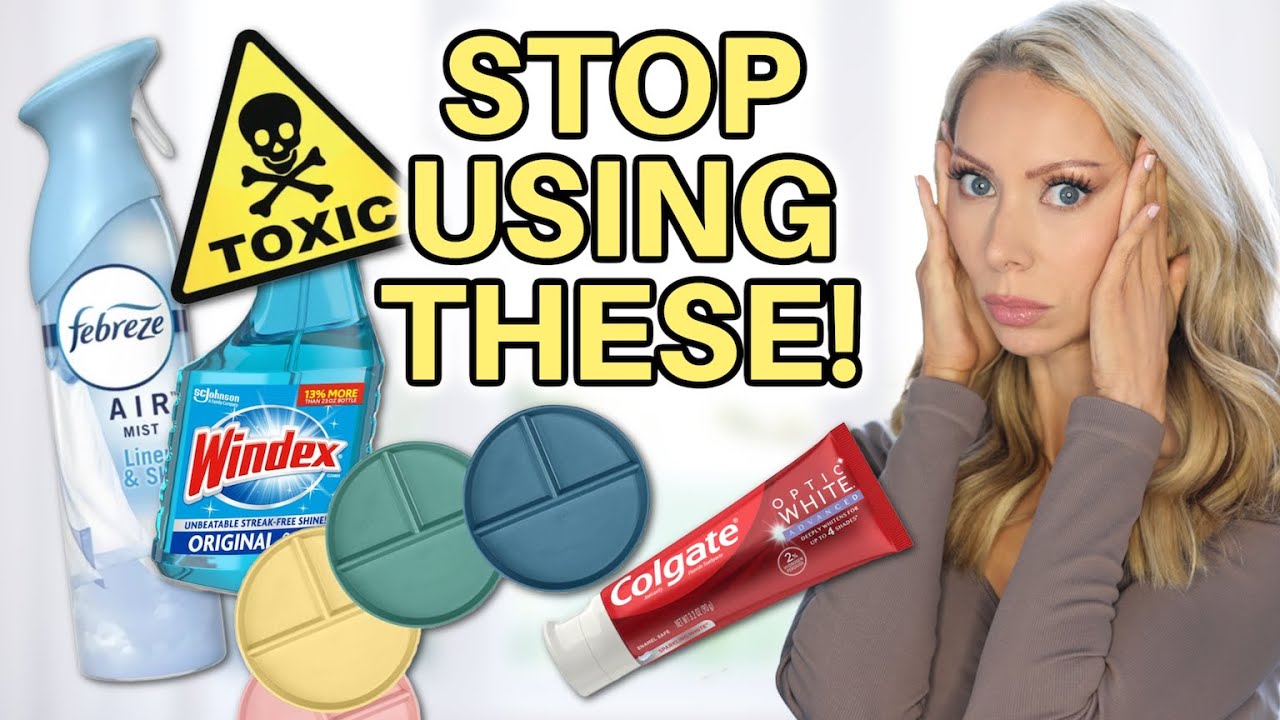
Air Fresheners: Air fresheners seem like a harmless way to keep your home smelling fresh. But unfortunately, most contain phthalates - those nasty endocrine disruptors I mentioned earlier with scented candles. Phthalate particles bind to dust, so they linger in the air.
Frequent use of air fresheners raises indoor phthalate levels substantially, a worrisome finding. Studies also detect more phthalates in the urine of people who use air fresheners and scented cleaning products multiple times per week. Higher phthalate exposure is linked to fertility issues, neurological and learning problems in children, asthma, diabetes, and breast cancer.
So skip the air fresheners - open windows and ventilate rooms to naturally freshen air instead. Houseplants like orchids, aloe vera, and English ivy also help purify indoor air without chemicals. And regularly vacuum, dust, and use green cleaning products like vinegar and baking soda to eliminate odors at the source.
Plastic Food Containers: Next up - plastic food containers. Hard plastic containers are convenient staples for storing leftovers and transporting meals. But plastic is not as safe as you'd expect.
Even BPA-free plastic can leach estrogen-like chemicals. A study by the Endocrine Society found these chemicals trigger genes involved in breast cancer tumor growth when exposed to common food preservatives like propyl paraben. Toxic additives in plastic like phthalates and bisphenols don't remain confined either.
They migrate into the foods and beverages they contact. Reheating foods in plastic containers accelerates chemical leaching. Over time, ingesting these chemicals from plastic leads to measurable levels in the human body that can disrupt normal hormone function.
To play it safe, limit use of plastic food containers whenever possible. Opt for glass or stainless steel instead. Never put plastic containers in the microwave, and avoid contact with fatty or acidic foods.
While our homes contain many unexpected sources of harmful toxins and bacteria, the good news is that with just a little awareness and prudent practices, you can dramatically lower your risks. Take inventory of your everyday products and swap out concerning items. Handle plastics and receipts more carefully.
Ventilate rooms regularly. And adopt greener cleaning and self-care routines. Guard your wellbeing by creating a safer, healthier home environment.
Share this video if you found it eye-opening! I hope it empowers you to make positive changes and live consciously. Let me know in the comments what everyday product concerns you most.
As always, take care of yourself!