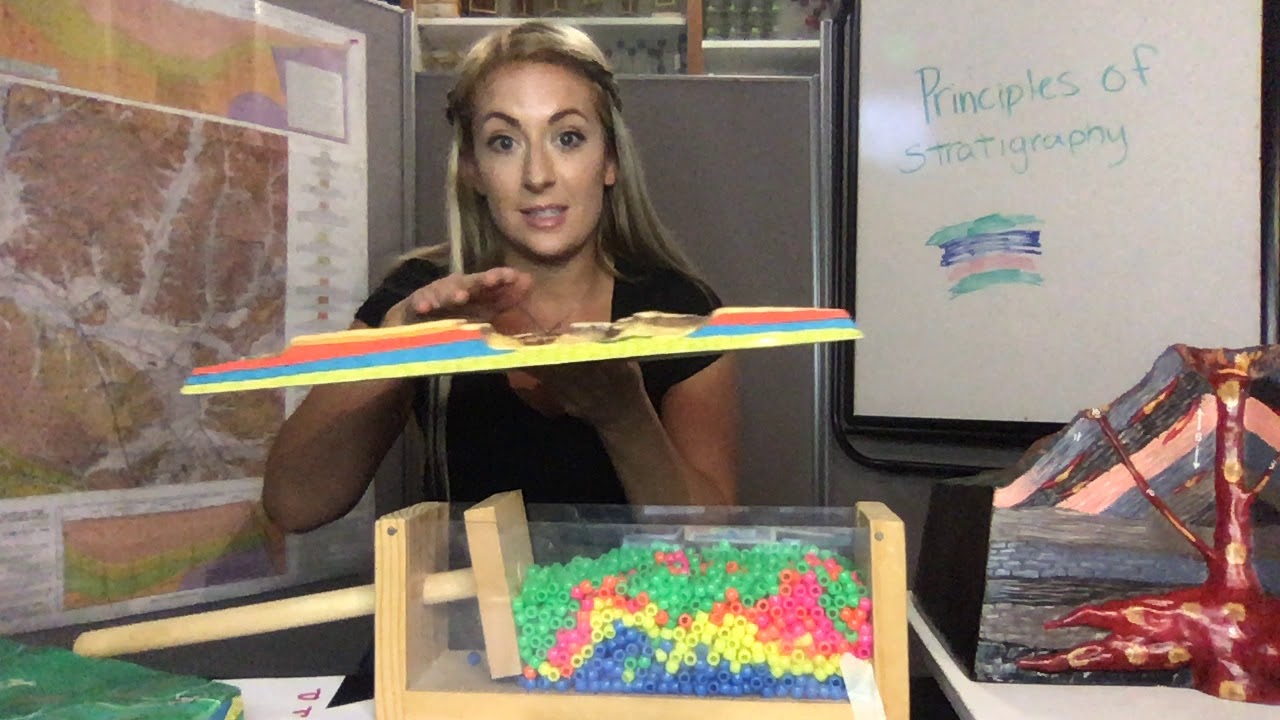
principles of stratigraphy in geology how geologists using basic principles to reconstruct the geological history we'll talk about basic principles and how we apply it to reconstruct age of deposits and to understand the past environments let's talk about that [Music] in the previous videos we talked about how people reconstruct geological time scale using basic principles and we talked how geologists use in dating we can date particular rocks igneous rocks metamorphic rocks and we can know the specific age of particular deposits but how we know age of fossils and sedimentary rocks which are older charles lyle was
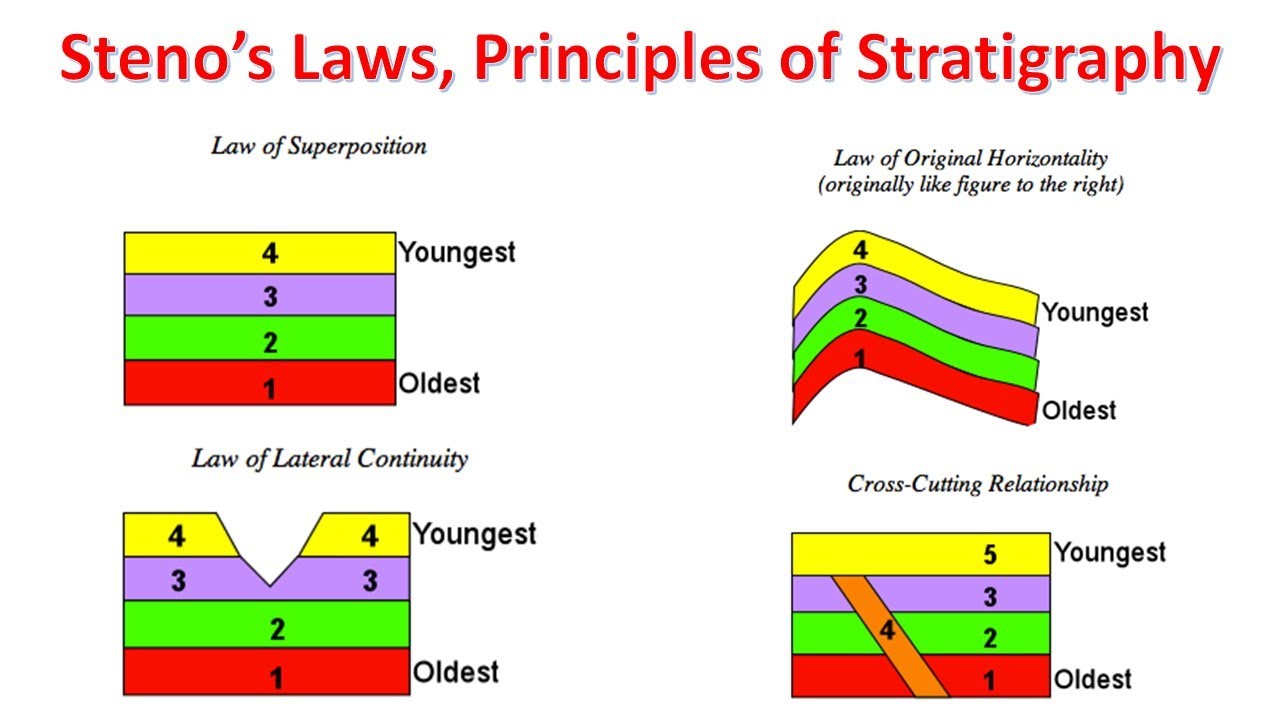
one of the first who formulated the four principles of stratigraphy we're using up to this day in geology he didn't invented mostly this but he just used all the knowledge you know by the day from stannah and hutton and reconstructed principles how we use rocks and deposits to understand geological history first principle which we use in geology is principle of superposition if you look on the deposits you will understand that those rocks they've been deposited first they'll be at the bottom and the one that going on top of it will be younger how material deposited
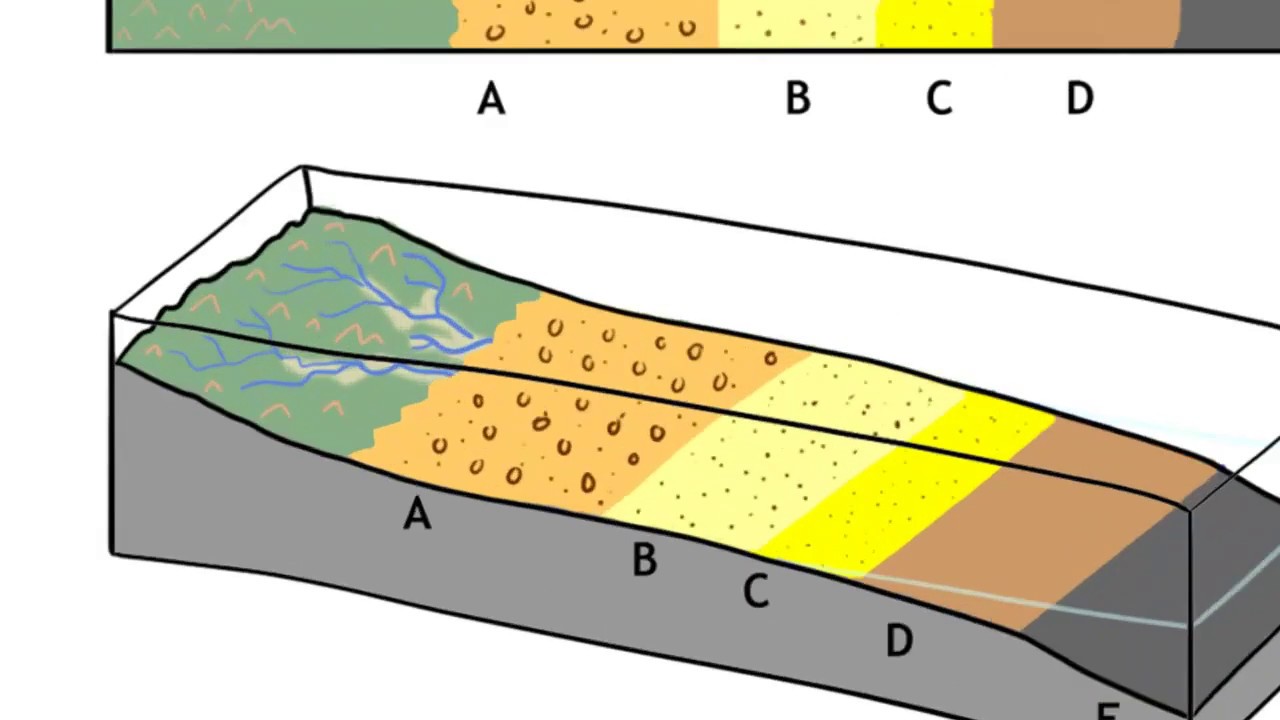
at the bottom of the ocean the bigger heavier rocks go first on the bottom then you have more finer material settle in through the water column and it will be younger same way most of sedimentary material deposited on the surface however as you know from geologists the plate tectonic caused the rotation of material [Music] so when you see your outcrop like here for example you can't understand with the up where is down maybe this layer of material was overturned several times and it did happen in history therefore this principle of superposition will be very handy
i will look on the finer materials for example in a sand see in which direction is gradient is and it will tell me where was the up and down at the moment of the deposition therefore you can also understand the relative age these sand pads on the bottom older than ones on top next law will be the law of original horizontality as we talked again at the bottom of the ocean the floor is reasonably flat otherwise material will not be deposited and majority of sedimentary rocks were deposited during the relatively flat conditions we can say
the bad angle could be up to half or one degree but no more when we see the deposits and they're overturned or tilted you can say that it's not how they were deposited in the first place so that some other forces moved them since they were deposited and here become hindi the terms of unconformity and conformity it's this ages between like here overtone material that previously was flat when it was deposited then something happened and then moved shifted to the side then some erosional agent destroyed the part of it in a place where which called
unconformity and the next sediment was deposited on top of it unfortunately with unconfirmity we don't know how long this gap was between previous overturned material at the bottom and a new freshly deposited material at the top only the dating will tell you the minimum age between these two events however looking on this unconformity you can fairly say there was a gap in time in between these processes next law which i'll pinpoint and we use since it's the law of cross-cutting relationships and it's usually applied to volcanic intrusion you see in this material from the previous
principles you can see all the material layer of the angle material on top and the third material cutting through them you cannot have something cutting through something if it's older than material so letter one and two has to be deposited that before therefore geologists understand relatively layer one and two definitely older letter three and but dating layer 3 which will be more probably igneous rocks and we have absolute dating using iranian and lead for example we can know the age of this intrusion we can say that player 1 into at least older than the age
of the slayer 3. and the last law will be the law of original literal continuity this is one of the trickiest law which people have to come out with and again understanding that in a marine shelf environment you deposited material on a flat surface and on a broader scale for example in the bottom of the ocean you will have similar sequences of sedimentary rock depositing on a bigger scale in lateral direction therefore if you have processes after that like material was lithified becomes solid and then uplifted and then eroded by some processes on the surface
for example river cutting through like in the grain canyon you will know that to the left of the river cut into the right you will see that from the both sides of the river cut you have same layers of the same sediments therefore for example if you date one layer particular sediment you can correlate and on other side it's of the same age it might apply for big distances finding similar sequences we can know that they have originally were the same therefore with in terms of dating the deposits it's make much easier life for scientists
if you reconstruct as much as you can all the environment in the area finding same deposits the continuity and reconstructed and then you just find something that you can date in particular places to find absolute or minimum age of that deposit and you can faster reconstruct that environment but let's come back to understanding of the absolute age of those sequences as we talked in the video before about dating the rocks geological dating we figure out that there's a problem with the eating sedimentary rocks because we don't produce new crystals we can date with radiometric dating
we can only use the carbon dating for sedimentary rocks if you have some remnants of the life in them however remember we talked that the half-life of the carbon isotopes is no more than 5730 years so you can fairly clearly date something about 20 southern or maybe up to 50 thousand years old but not older so how geologists date those older sedimentary deposits which are hundreds or even millions years old we still will date some fossils and we know the relative age of the sediment sequences and we will mostly using the principle of correlation for
example you see this nice sequence of sedimentary rocks and you have the fossils within the layers underneath you have the fossils type a on top you will see the fossils type b using the lyle principles you will reconstruct approximately which sediments order which are younger but what about specific age is it southern years old sediment or is it 360 million years old and luckily in sedimentary environment where we have our organisms fossils deposited when they were living there they were somewhere nearby the volcanic activity and commonly geologists will look for any volcanic ashes within that
sequences to precisely date the age of the sequences for example here we have fossil b bounded by two volcanic eruptions ashes lower one which we can absolute date finding its age and the top one therefore you will know that the fossil b will be at least older than top layer of ash and younger than bottom one luckily we can date precisely the ashes of the volcanic we will find the crystals for example for uranium and lead radiometric dating and we will date numerous crystals in the deposits for statistic analysis and finding the absolute h of
this ash it will give you the age plus minus several million years however for very old materials it's very good approximation using the our law of original lateral continuity you can also finding the same deposits in the same type of the material in different places in the area use the age which we already found therefore you don't have to look for another ashes in next area unless you're not sure that was deposited in the same time therefore geologists work as a little detective they're looking for all this law they're trying to first reconstruct as much
as they can relative ages of deposits and in a quaternary geology we do the same reconstructing the landform formation as well for example i will understand which river terraces or deposits were first what's come next and then i have the river cutting through third and the new deposit layering down on top of it as fourth when i know all this relative reconstruction what's happened in the valley then i can find some reference deposits or radio carbon date to know the specific ages of specific river terrace or other deposits and they will give me the picture
when and how it was deposited through the time i hope you get a picture on how geologists reconstructing the environment going back in the very older times through geological time scale or in the more recent times we're using these basic principles to reconstruct the environment based on observing the environment what's happening with the deposition and erosion today [Music] [Music] you