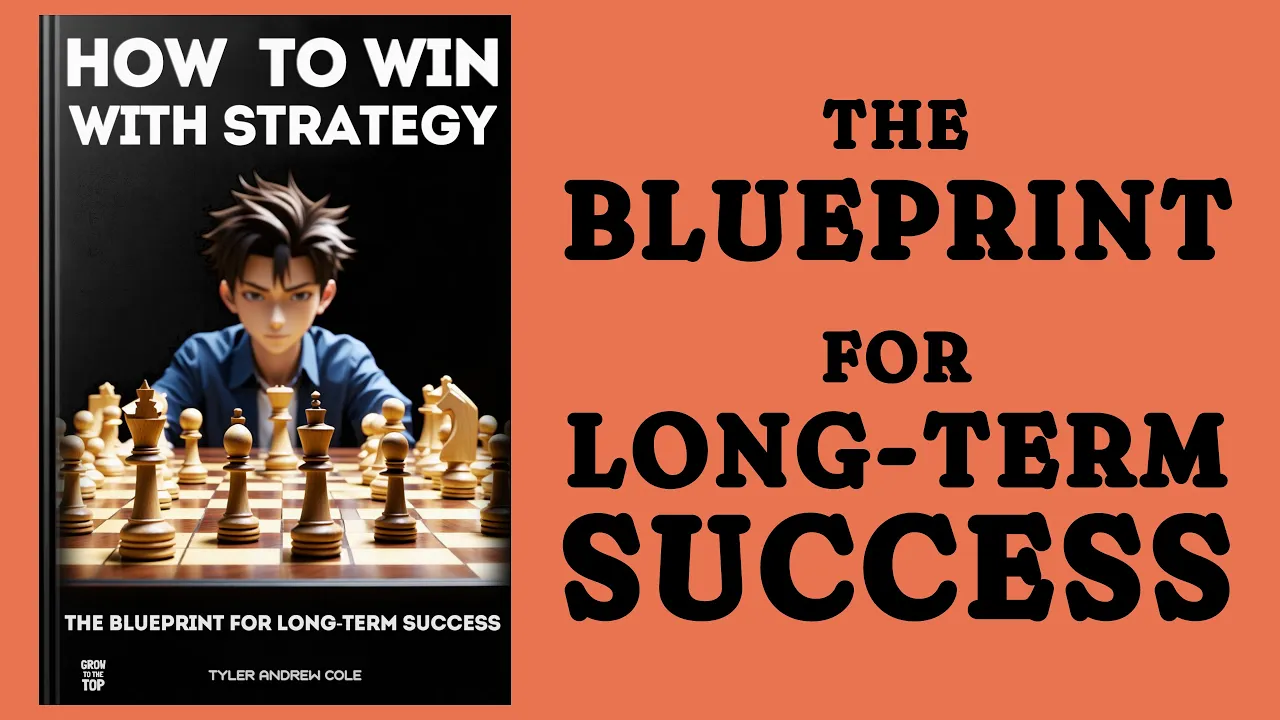
If you ever felt like you're playing checkers while everyone else is playing chess you're not alone in today's fast-paced world having a solid strategy isn't just nice to have it's essential for survival and success but here's the million-dollar question how do you actually craft a winning strategy how to win with strategy the blueprint for long-term success isn't Just another business book it's your personal road map to Mastering the Art and Science of strategic planning whether you're an entrepreneur with Big Dreams a business leader facing tough decisions or simply someone who wants to excel in life
this book has got you covered imagine being able to anticipate Market shifts before they happen make decisions with confidence even in uncertain times and consistently outmaneuver your competition That's The Power of strategic thinking and it's exactly what this book will teach you we'll dive deep into the nuts and bolts of strategy from crafting your vision and Mission to creating actionable plans and preparing for the unexpected you'll learn how to use powerful tools like SWAT and Pest analyses and even Master the art of scenario planning to futureproof your decisions but here's the kicker this isn't just
about Theory we'll show you How to put these Concepts into practice with real world examples and exercises by the time you finish this book you'll have the skills to develop strategies that don't just look good on paper but actually deliver results here's the thing in today's world those who Master strategy win those who don't well they're left wondering why they keep falling short of their goals why their businesses struggle to grow or why they feel stuck in their Careers so are you ready to stop playing checkers and start playing chess your journey to strategic Mastery
starts here let's turn turn your vision into reality and set you on the path to long-term success chapter 1 introduction to strategic planning in the fast-paced world we live in success is rarely a matter of chance those who consistently achieve their goals and realize their dreams have one thing in common they employ strategic planning but what Exactly is strategic planning and why is it so crucial for long-term success strategic planning is the art of defining your vision setting clear objectives and mapping out the path to achieve them it's about looking beyond the immediate Horizon and
charting a course for the future whether you're an entrepreneur launching a startup a corporate executive steering a multinational company or an individual seeking personal growth strategic Planning is the compass that will guide you towards your destination as you embark on this journey through how to win with strategy the blueprint for long-term success you'll gain a comprehensive understanding of the strategic planning process by the time you complete this book you'll be equipped with the knowledge and tools to create basic strategic plans for both personal and professional goals you'll learn to Articulate your vision Define your mission
and set clear achievable objectives but this is just the beginning the beauty of strategic planning lies in its iterative nature as you continue to apply these principles over time you'll find yourself achieving long-term success and sustained growth in various areas of life your strategic planning skills will become sharper allowing you to adapt to changing circumstances with greater ease and Confidence the importance of strategic planning cannot be overstated it provides a framework for decision-making aligns your actions with your long-term goals and helps you allocate resources effectively without a strategic plan you're like a ship without a
Rudder drifting aimlessly in the vast ocean of possibilities so what's involved in strategic planning the process can be broken down into several key steps we'll start by defining your vision the Aspirational image of what you want to achieve next we'll craft your mission statement which articulates your purpose and the means to achieve your vision with these foundational elements in place we'll move on to setting clear measurable objectives once we have our objectives we'll develop detailed action plans to bring them to life but we won't stop there we'll also prepare for the unexpected by creating contingency
plans This comprehensive approach ensures that you're not just dreaming big but also taking concrete steps towards realizing those dreams why have we chosen this particular order for the strategic planning process it's simple each step builds upon the previous one creating a logical progression from Big Picture thinking to detailed execution we start with the vision to set our ultimate destination the mission statement then provides the guiding principles for our Journey clear objectives act as Milestones along the way while action plans and contingencies give us the Practical tools to navigate the path ahead throughout this book you'll
find not just Theory but practical exercises and real world examples to help you apply these Concepts to your own life and work you'll learn how to create vision boards craft compelling mission statements set smart goals and develop comprehensive action plans but perhaps Most importantly you'll learn how to make strategic planning and ongoing process the world doesn't stand still and neither should your plans you'll discover how to continuously evaluate and adjust your strategies ensuring that you remain on course even as circumstances change change as we delve deeper into each aspect of strategic planning you'll gain the
confidence to tackle complex challenges and seize opportunities that might have seemed Out Of Reach before you'll develop a strategic mindset that will serve you well in all areas of life from career advancement to personal relationships in the next chapter we'll take a closer look at the cornerstones of any successful strategy vision mission and objectives you'll learn how to craft these crucial elements in a way that resonates with your deepest aspirations and motivates you to take action get Ready to lay the foundation for your winning strategy the journey to long-term success is about to begin before
we go on make sure to subscribe to grow to the top and hit the notification Bell to receive more strategic knowledge that will supercharge your growth and help you win at everything you do chapter 2 Vision Mission and objectives imagine standing at the foot of a majestic Mountain the peak shrouded In Mist represents your ultimate goal the path leading up the mountain is your strategy but before you take your first step you need to know exactly where you're going and why this is where vision mission and objectives come into play they are the compass map
and Milestones of your strategic Journey a winning strategy begins with a clear and compelling vision your vision is the dream that ignites your passion and drives you forward it's The picture of success that you hold in your mind's eye the ultimate destination that inspires and motivates you a strong Vision provides Direction and purpose aligning your actions with your long-term goals but Vision alone is not enough you need a mission to bridge the gap between your current reality and your envisioned future your mission statement articulates your purpose and the means by which you'll achieve your vision
it's The reason your organization exists or the fundamental purpose that drives your personal Endeavors while vision and Mission provide the big picture objectives break down your aspirations into concrete measurable goals they are the stepping stones that lead you towards your vision keeping you focused and on track well-crafted objectives motivate and Inspire continuous effort providing a sense of progress and achievement along the Way understanding the distinctions between vision mission and objectives is crucial your vision is aspirational and future oriented painting a picture of what success looks like your mission on the other hand is grounded in
the present defining your purpose and the value you bring to the world objectives are specific measurable targets that help you realize your mission and move towards your vision let's start with formulating your vision Vision a strong Vision is clear inspiring and ambitious yet achievable it should resonate with your values and ignite a sense of excitement and purpose to create your vision start by asking yourself what does success look like for me or my organization what impact do I want to have on the world what would I achieve if I knew I couldn't fail crafting a
mission statement requires careful thought and introspection an effective mission Statement clearly communicates your purpose values and the unique value you offer it should answer questions like why do we exist what do we do who do we serve what makes us unique your mission statement should be concise memorable and inspiring serving as a Guiding Light for all your decisions and actions with your vision and Mission in place it's time to set objectives the most effective objectives are smart specific measurable Achievable relevant and time-bound they provide clear targets to aim for and allow you to track your
progress when setting objectives ensure they align with your vision and Mission ask yourself what specific outcomes will move us closer to our vision how can we measure our progress are these objectives challenging yet achievable as you work on your vision mission and objectives be prepared for challenges one common Pitfall is a Misalignment between vision and Mission your vision might be too lofty dis disconnected from your current reality while your mission might be too narrow limiting your potential for growth regular review and adjustment can help ensure your vision and Mission remain in harmony another frequent issue
is setting unrealistic objectives while ambition is admirable objectives that are too far out of reach can be demotivating on the flip side objectives That are too easy fail to challenge and Inspire strike a balance by setting objectives that stretch your capabilities without being impossible remember creating your vision mission and objectives is not a one-time event as you grow and evolve so too should these foundational elements of your strategy regular reflection and refinement will keep them relevant and inspiring with a Clear Vision to guide you a strong mission to drive you and Well-defined objectives to direct
your efforts you're well on your way to crafting a winning strategy but a strategy is only as good as its execution in the next chapter we'll explore how to bring your vision to life through detailed action plans and prepare for the unexpected with robust contingencies the path to turning your strategic Vision into reality is about to unfold chapter 3 developing action plans And contingencies the journey from Vision to reality is paved with action while a Clear Vision compelling Mission and well-defined objectives provide Direction it's the concrete steps you take that truly bring your strategy to
life this is where action plans and contingencies come into play they are the bridge between aspiration and achievement the road map that guides you from where you are to where you want to Be action plans are the heartbeat of your strategy they translate your lofty goals into tangible day-to-day activities think of them as the detailed instructions that accompany your strategic blueprint print without action plans even the most brilliant strategy remains nothing more than a beautiful idea with them you have a powerful tool to drive progress and ensure that every step you take is purposeful and
aligned with your overarching goals but the path To success is rarely smooth unexpected challenges unforeseen obstacles and sudden shifts in the landscape are inevitable this is where contingency planning becomes crucial by anticipating potential risks and developing alternative courses of action you equip yourself to navigate uncertainties with confidence and resilience contingency plans are your safety net ensuring that setbacks don't derail your entire strategy creating Effective action plans begins with breaking down your objectives into smaller manageable tasks start by identifying the Key activities required to achieve each objective what specific actions need to be taken who will
be responsible for each task what resources will be needed by answering these questions you begin to flesh out the skeleton of Your Action Plan next prioritize these tasks and arrange them in a logical sequence some activities Will naturally precede others while some can be carried out simultaneously create a timeline for each task setting realistic deadlines that align with your overall objectives remember the goal is to create a plan that is both ambitious and achievable as you develop your action plan be as specific as possible vague directives like improve customer service are less effective than concrete
actions such as Implement a customer feedback System by the end of Q2 the more detailed your plan the easier it will be to execute and track progress don't forget to assign responsibilities clear ownership of tasks is crucial for accountability and efficient execution identify who will be responsible for each action item ensuring that they have the necessary skills and resources to succeed while action plans focus on the steps to achieve your objectives Contingency plans prepare you for potential obstacles along the way start by conducting a thorough risk assessment what could go wrong what external factors might
impact your strategy consider both internal risks like resource constraints or skill gaps and external risks such as Market changes or competitive pressures for each identified risk develop a contingency plan What alternative actions could you take if This risk materializes how would you mitigate its impact having these plans in place allows you to respond quickly and effectively to challenges minimizing disruption to your overall strategy remember contingency planning is not about predicting the future with certainty it's about being prepared for a range of possible scenarios the goal is to increase your strategic flexibility and resilience enabling you
to adapt to changing circumstances Without losing sight of your ultimate objectives as you implement your action plans regular monitoring and adjustment are key track your progress against the timelines and Milestones you've set are you meeting your targets if not why use this information to refine and adjust your plans as needed remember your action plan is a living doc doent it should evolve as circumstances change and as you gain new insights one common Pitfall in Developing action plans is a lack of detail incomplete or vague plans can lead to confusion inefficiency and missed opportunities combat this
by being as specific as possible in your planning break larger tasks into smaller manageable steps Define clear success criteria for each action item another frequent issue is overlooking potential risks it's human nature to focus on the positive and downplay potential challenges however this optimism bias Can leave you vulnerable to unexpected setbacks make a conscious effort to identify and plan for a wide range of potential risks even those that seem unlikely implementing your action plans effectively requires clear communication and coordination ensure that everyone involved understands their role and responsibilities regular check-ins and progress reviews can help
keep everyone aligned and motivated as you put your plans into Action be prepared for the unexpected no matter how thorough you're planning unforeseen challenges will arise this is where the true value of your contingency plans becomes apparent having alternative courses of action ready allows you to respond quickly and confidently to changing circumstances remember the goal of action plans and contingencies is not to predict or control every aspect of the future rather it's to provide a Structured approach to pursuing your objectives while remaining flexible and resilient in the face of Change by developing comprehensive action plans
and thoughtful contingencies you dramatically increase your chances of strategic success with your action plans in place and contingencies at the ready you're well equipped to begin the journey towards your strategic goals but strategy is not a one-time effort it's an ongoing process of planning execution And refinement in the next chapter we'll explore the planning cycle diving into how you can continuously evaluate and improve your strategy to ensure long-term success the path to mastering the art of strategic thinking is about to unfold chapter 4 the planning cycle strategy is not a destination it's a journey it's
not a static document that sits on a shelf but a living breathing process that evolves with time Experience and changing circumstances this is where the planning cycle comes into play It's the engine that keeps your strategy relevant effective and aligned with your everchanging reality the planning cycle is the heartbeat of strategic thinking it ensures that your strategy remains Dynamic and responsive adapting to new challenges and opportunities as they arise without this cycle of continuous planning and refinement even the most Brilliant strategy can quickly become outdated and ineffective understanding the planning cycle is crucial for anyone
serious about long-term success it's the difference between a strategy that Withers in the face of change and one that thrives on it the planning cycle keeps you ahead of the curve allowing you to anticipate and respond to shifts in your environment before they become critical Issues so what exactly is the planning cycle at its core it's a structure Ed approach to continuously improving your strategy it typically consists of several key steps analysis planning implementation and evaluation each step Builds on the previous one creating a loop of ongoing strategic development let's break down each step of
the cycle the analysis phase is all about understanding your current situation this involves Gathering data assessing Your performance against previous goals and scanning your environment for New Opportunities or threats it's a time for honest reflection and cleare eyed assessment in the planning phase you use the insights gained from your analysis to adjust your strategy this might involve refining your objectives updating your action plans or even revisiting your vision and Mission if significant changes have occurred the Goal is to ensure your strategy remains relevant and aligned with your current reality and future aspirations implementation is where
the rubber meets the road this is when you put your updated plans into action executing the tasks and initiatives you've outlined it's crucial to maintain focus and momentum during this phase ensuring that strategic priorities don't get lost in the day-to-day hustle finally the evaluation phase Closes the loop here you assess the results of your actions comparing outcomes against your objectives what worked well what didn't what unexpected challenges or opportun unities arose this evaluation feeds directly back into the analysis phase kickstarting the cycle a new the beauty of the planning cycle lies in its iterative nature
each time you go through the cycle you gain new insights and refine your approach your strategy becomes more nuanced more Responsive and ultimately more effective it's a process of continuous learning and Improvement one of the key benefits of the planning cycle is that it keeps your strategy relevant in a rapidly changing World Markets shift Technologies evolve and customer preferences change by regularly revisiting and refining your strategy you ensure that it remains aligned with the current reality and future Trends the planning cycle also enhances your Strategic agility by building regular review and refinement into your process
you become more Adept at spotting and responding to changes in your environment this agility can be a significant competitive Advantage allowing you to seize opportunities and mitigate threats more quickly than your Rivals another crucial aspect of the planning cycle is that it Fosters a culture of continuous Improvement when strategy becomes an ongoing process Rather than a one-time event it encourages everyone in your organization to think strategically it creates a shared understanding that strategy is everyone's responsibility not just something that happens in the boardroom implementing the planning cycle effectively requires discipline and commitment it's easy to
get caught up in day-to-day operations and neglect the bigger picture combat this by setting regular times for strategic Review and planning whether it's monthly quarterly or annually having a set schedule helps ensure that strategic thinking remains a priority One common Pitfall in the planning cycle is failing to close the loop it's not uncommon for organizations to go through the motions of analysis and planning only to fall short on implementation and evaluation remember the real value of the planning cycle comes from completing All Phases and using the insights gained to inform your next round of planning
another challenge is maintaining objectivity throughout the cycle it's human nature to become attached to our ideas and plans making it difficult to recognize when they're not working come this by actively seeking diverse perspectives and being willing to challenge your own assumptions external input whether from Consultants mentors or trusted advisers Can be invaluable in maintaining a fresh and objective Viewpoint as you engage with the planning cycle be prepared for some uncertainty and discomfort the process of constantly evaluating and adjusting your strategy can be unsettling especially if it reveals that significant changes are needed Embrace this discomfort
as a sign of growth and learning remember the goal is not to be right all the time but to Become progressively better over time one powerful technique for enhancing your planning cycle is to incorporate feedback loops these are mechanisms for Gathering and integrating feedback from various sources customers employees partners and other stakeholders by actively seeking and responding to feedback you can make your strategy more robust and responsive to the needs of those it serves as you become more Adept at the planning cycle you'll find that It becomes an integral part of how you think and
operate strategic thinking becomes second nature allowing you to navigate complex challenges with greater ease and confidence you'll develop a knack for spotting emerging Trends and opportunities positioning yourself for long-term success the planning cycle is not just a tool for business strategy it's equally valuable for personal development whether you're planning your career working towards personal goals or Navigating life's challenges the principles of continuous planning and refinement can help you stay on track and adapt to changing circumstances as we conclude this chapter consider how you can incorporate the planning cycle into your own strategic efforts how often
will you review and refine your plans who will be involved in in the process how will you ensure that insights from each cycle inform your future Planning with a solid understanding of the planning cycle you're well equipped to keep your strategy Dynamic and effective over the long term but strategy is not just about planning it's also about understanding your position relative to your environment in the next chapter we'll explore a powerful tool for gaining this understanding SWAT analysis get ready to dive deep into your strengths we weaknesses opportunities and threats and discover How this knowledge
can sharpen your strategic Edge SWAT analysis in the ever evolving landscape of business and personal development self-awareness is a powerful asset to chart a course for Success you must first understand where you stand this is where SWAT analysis comes into play a strategic tool that illuminates your current position and potential paths forward SWAT an acronym for strengths weaknesses opportunities and threats is a structured framework for evaluating your internal capabilities and external environment it's like holding up a mirror to yourself or your organization revealing both the flattering aspects and the areas that need Improvement at the
same time it's a window to the outside world helping you spot potential opportunities and looming threats the power of SWAT analysis lies in its Simplicity and comprehensiveness by examining both internal factors strengths and weaknesses and external factors opportunities and threats it provides a holistic view of your strategic position this 360 Dee perspective is crucial for making informed decisions and developing robust strategies let's break down each component of SWAT strengths are the internal attributes that give you an advantage These could be unique skills valuable resources strong brand recognition or any other factors that set you apart
from the competition identifying your strengths is not just about patting yourself on the back it's about recognizing the assets you can leverage for Success weaknesses on the other hand are internal factors that put you at a disadvantage these might be skill gaps resource limitations or operational Inefficiencies while it can be uncomfortable to confront your weaknesses doing so is crucial for improvement remember a weakness identified is an opportunity for growth opportunities are external factors that you could potentially exploit to your advantage these might be emerging market trends changes in technology or shifts in customer needs spotting
opportunities requires a Keen Eye on the external Environment and a willingness to think creatively about how you can capitalize on changes threats are external factors that could potentially harm your position these might include new competitors changing regulations or economic downturns by identifying threats early you can develop strategies to mitigate their impact or even turn them into opportunities conducting a SWAT analysis Is not just about listing these factors it's about understanding how they interact and what they mean for your strategy a strength in one area might help you capitalize on an opportunity or defend against a
threat similar a weakness might make you vulnerable to certain threats or prevent you from seizing opportunities to conduct an effective SWAT analysis start by gathering a diverse group of Stakeholders different perspectives can provide a more comprehensive View and help challenge assumptions create an environment where honest open discussion is encouraged Rose tinted glasses have no place in a SWAT analysis when identifying strengths be specific and realistic what do you do better than others what unique resources or capabilities do you possess don't just focus on tangible assets consider intangible strengths Like company culture or Customer Loyalty for
weaknesses be brutally honest what areas need Improvement where do you lag behind competitors don't shy away from acknowledging weaknesses they're not failures but opportunities for growth remember every organization and individual has weaknesses the key is recognizing and addressing them when exploring opportunities think broadly look beyond your immediate industry or Market consider technological Trends Social changes economic shifts and Regulatory developments sometimes the most significant opportunities come from unexpected places for threats be thorough in your environmental scanning what obstacles do you face what are your competitors doing what changes in the broader environment could negatively impact you
don't just focus on immediate threats consider long-term trends that could pose challenges in the future once you've identified factors in Each category look for connections and patterns how do your strengths position you to capitalize on opportunities or defend against threats how do your weaknesses make you vulnerable to threats or prevent you from seizing opportunities one common Pitfall in SWAT analysis is confusing internal and exter internal factors remember strengths and weaknesses are internal they're about you or your organization opportunities and threats Are external they're about the environment you operate in maintaining this distinction is crucial for
developing appropriate strategies another challenge is being too General in your analysis vague statements like good customer service as a strength or economic uncertainty as a threat aren't particularly helpful strive for specificity what exactly about your customer service is strong what specific economic factors pose a Threat it's also important to prioritize the factors you identify not all strengths weaknesses opportunities or threats are equally important focus on the most significant factors that have the greatest potential impact on your success remember SWAT analysis is not a one-time exercise the business landscape is constantly changing and so are you
regularly revisiting your SWAT analysis helps ensure your strategy remains relevant and responsive to both internal Developments and external changes once you've completed your SWAT analysis the real work begins use the insights gained to inform your strategic decisions how can you leverage your strengths to capitalize on opportunities how can you address weaknesses to mitigate threats what actions can you take to turn threats into opportunities SWAT analys is can be applied at various levels from evaluating a specific project to Assessing an entire organization or even yourself as an individual it's a versatile tool that can provide valuable
insights in a wide range of contexts for personal development SWAT analysis can be a powerful tool for career planning what are your unique strengths as a professional what skills do you need to develop what opportunities exist in your field what threats could derail your career progress by applying SWAT to your Personal situation you can develop a strategic approach to your career development in a business context SWAT analysis can inform a variety of strategic decisions it can help you identify New Market opportunities evaluate potential Partnerships or decide on resource allocation by grounding these decisions in a
comprehensive understanding of your strategic position you increase your chances of Success as you become more Adept at SWAT analysis you'll find that it becomes an integral part of your strategic thinking process you'll develop a Keener eye for spotting strengths weaknesses opportunities and threats in various situations this strategic awareness can be a significant competitive Advantage allowing you to make more informed decisions and respond more effectively to changes in your environment however it's important to Remember that SWAT analysis is just one tool to in your strategic toolkit while it provides valuable insights it shouldn't be the only
basis for your strategic decisions combine SWAT analysis with other tools and methodologies to develop a more comprehensive strategic approach as we conclude this chapter consider how you can apply SWAT analysis to your current situation what strengths can you leverage what weaknesses need addressing What opportunities are you positioned to seize what threats do you you need to prepare for by engaging in this reflective process you're taking an important step towards more effective strategic planning with a clear understanding of your strategic position through SWAT analysis you're well equipped to make informed decisions about your future Direction but
the external environment is complex and multifaceted extending Beyond just Opportunities and threats in the next chapter we'll explore another powerful tool for environmental analysis pest analysis get ready to dive deep into the political economic social and technological factors shaping your strategic landscape chapter SI pest analysis in an interconnected World success doesn't happen in a vacuum every decision you make every strategy you implement is influenced by a complex web of external Factors to navigate this complexity you need a compass a tool to help you make sense of the broader environment in which you operate this is
where pest analysis comes into play pest an acronym for political economic social and technological factors is a strategic tool used to analyze the macroenvironmental factors that can impact your organization or personal Endeavors it's like a wide angle lens That allows you to see beyond your immediate surroundings and understand the broader context of your strategic landscape the power of pest analysis lies in its ability to help you anticipate and prepare for changes in your external environment by systematically examining these four key areas you can identify Trends predict potential challenges and spot emerging opportunities before they become
obvious to everyone Else let's break down each component of pest political factors Encompass the ways in which government policies and regulations can affect your operations this includes things like tax laws trade regulations labor laws environmental regulations and political stability understanding the political landscape is crucial because changes in this area can have significant and sometimes sudden impacts on your strategic Position economic factors relate to the broader economic conditions that can influence your success this includes elements like economic growth rates inflation exchange rates interest rates and unemployment levels economic Trends can affect everything from consumer spending patterns
to the cost of your inputs making them a critical consideration in your strategic planning social factors Encompass the cultural norms demographics and social trends That shape consumer behavior and market dynamics this might include changes in lifestyle preferences shifting demographics Health Consciousness Trends or attitudes towards sustainability understanding social factors is crucial for anticipating changes in demand and adapting your offerings accordingly technological factors relate to Innovations and technological changes that can impact your industry or Operations this might include advancements in automation the rise of new digital platforms or breakthroughs in your field in today's rapidly evolving technological
landscape staying AB breast of these changes is crucial for maintaining competitiveness conducting a pest analysis involves more than just listing factors in each category it's about understanding how these factors interact and what they mean for your strategy a Change in one area often has Ripple effects across others for instance a new government regulation political might drive technological innovation which in turn could lead to shifts in consumer Behavior social and market dynamics economic to conduct an effective pest analysis start by casting a wide net gather information from a variety of sources industry reports economic forecasts academic
research and expert opinions don't limit yourself to your Immediate industry or Market sometimes the most significant impacts come from seemingly unrelated areas when analyzing political factors look Beyond just current policies consider potential future changes election cycles and international political trends that could impact your operating environment how stable is the political climate what policy policy changes are being debated how might shifts in international relations affect Your industry for economic factors examine both current conditions and future projections what are the growth forecasts for your key markets how are interest rates expected to change what economic indicators are
most relevant to your industry and how are they trending remember to consider both local and global economic factors as the two are increasingly interlined when exploring social factors Think about both current trends and long-term demographic shifts how are consumer preferences evolving in your Market what demographic changes are occurring and how might they impact demand for your products or services are there emerging social movements or changing societal values that could affect your industry for technological factors look Beyond just the obvious advancements in your field consider how Technologies from other Industries might Be applied to yours what
emerging Technologies could disrupt your business model how might changes in communication Technologies or data analytics capabilities impact your operations one common Pitfall in pest analysis is focusing too much on the present and not enough on the future while understanding current conditions is important the real value of pest analysis lies in its ability to help you anticipate future changes try to look at Le at least 3 to 5 years ahead in your analysis another challenge is the temptation to treat each factor in isolation in reality political economic social and technological factors are deeply interconnected a change
in one area often triggers changes in others look for these connections and consider how they might create compound effects it's also important to prioritize the factors you identify not all Trends or changes will be equally Relevant to your strategy focus on the factors that have the greatest potential impact on your success and those where changes are most likely to occur remember pest analysis is not about predicting the future with certainty it's about being prepared for a range of possible Futures use it to develop multiple scenarios and think through how you might respond to different combinations
of external Factors once you've completed your pest analysis the next step is to use use these insights to inform your strategy how can you position yourself to take advantage of favorable Trends how can you mitigate the impact of potentially negative developments what capabilities do you need to develop to thrive in the environment you've identified pest analysis can be particularly powerful when combined with Other strategic tools for instance using pest in conjunction with SWAT analysis can help you understand how external factors might amplify your strengths or exacerbate your weaknesses it can also help you identify which
external opportunities or threats are most relevant to your specific situation in a business context pest analysis can inform a wide range of strategic decisions it can help you evaluate potential new markets guide Product development efforts inform investment decisions or shape your long-term business model by grounding these decisions in a comprehensive understanding of your external environment you increase your chances of long-term success for personal development pest analysis can be a valuable tool for career planning what political or economic Trends might impact your industry what social changes could affect demand for your skills What Technological advancements do
you need to stay ahead of by applying pest to your personal situation you can develop a more strategic approach to your career development as you become more Adept at pest analysis you'll find that it becomes an integral part of your strategic thinking process you'll develop a Keener sense of how external factors shape your strategic landscape allowing you to spot emerging Trends and anticipate changes Before they become obvious to everyone else however it's important to remember that pest analysis like any strategic tool has its limitations it provides a snapshot of the external environment at a particular
point in time but that environment is constantly changing regular updates to your pest analysis are crucial to ensure your strategy remains relevant and responsive to external changes as we conclude this chapter consider how you can apply pest Analysis to your current situation what political economic social and technological factors are most relevant to your success how might these factors evolve over the next few years how can you position yourself to thrive in this evolving landscape with a clear understanding of both your internal position through SWAT analysis and your external environment through pest analysis you're well equipped
to develop robust Forward-looking strategies but in a world of Rapid change and uncertainty even the best analysis can't predict everything in the next chapter we'll explore a powerful tool for navigating uncertainty scenario planning get ready to stretch your strategic imagin a and prepare for multiple possible Futures chapter 7 scenario planning in a world of constant change and increasing complexity the ability to anticipate and prepare for multiple possible Futures is A strategic superpower this is where scenario planning comes into play a powerful tool that allows you to look Beyond the Horizon of certainty and prepare for
a range of potential outcomes scenario planning is not about predicting the future with pinpoint accuracy rather it's about expanding your strategic thinking challenging your assumptions and developing the agility to thrive in a variety of possible Futures it's a structured way of Imagining different Futures and thinking through their implications for your strategy the power of scenario planning lies in its ability to help you navigate uncertainty in a rapidly changing environment rigid single track strategies are increasingly vulnerable to disruption scenario planning helps you develop flexible robust strategies that can adapt to different circumstances it's like creating Multiple
strategic road maps each designed for a different version of the future at its core scenario planning involves developing a set of plausible future scenarios and exploring their potential impacts on your organization or personal goals these scenarios are not wild guesses or Fantastical futures but carefully constructed narratives based on current trends uncertainties and potential disruptive events the process of scenario planning typically Involves several key steps first you identify the focal issue or strategic question you want to explore this could be anything from what will our industry look like in 10 years to how might changing consumer
preferences affect our business model next you identify the key factors and drive driving forces that could shape the answer to your focal question these might include technological developments regulatory changes Demographic shifts or economic Trends some of these factors will be relatively predictable While others will be highly uncertain from these factors you identify the critical uncertainties those factors that are both highly important and highly unpredictable these critical uncertainties form the basis of your scenario framework by considering different combinations of how these uncertainties might play out you can Construct a set of distinct plausible Futures typically scenario
planners develop three to four scenarios each scenario should be plausible internally consistent and significantly different from the others the goal is not to cover every possible future but to explore a range of distinctly different Futures that challenge your thinking and illuminate potential risks and opportunities once you've developed your scenarios the Next step is to flesh them out into Vivid detailed narratives what does each future look like how did it come about what are the key characteristics of this world the more Vivid and concrete you can make these scenarios the more useful they'll be for strategic
thinking with your scenarios in hand the real work Begins for each scenario consider the implications for your strategy how well would your current strategy perform in This future what risks would you face what opportunities might arise what capabilities would you need to develop the power of scenario planning lies not just in the scenarios themselves but in the Strategic conversations they Spark by immersing yourself and your team in these different Futures you can uncover blind spots in your current thinking identify early warning signals to watch for and develop more robust flexible strategies One common Pitfall in
scenario planning is treating scenarios as predictions remember the goal is not to guess which scenario will come true but to prepare for a range of possibilities your actual future will likely be some combination of elements from different scenarios or perhaps something you hadn't considered at all the value lies in the expanded thinking and strategic flexibility that scenario planning Fosters another challenge is the Temptation to to focus only on best case and worst case scenarios while these extremes can be useful to consider the most valuable insights often come from exploring more nuanced Middle Ground scenarios these
tend to be more plausible and can reveal subtle risks and opportunities that might otherwise be overlooked it's also important to resist the urge to assign probabilities to your scenarios doing so can lead to a false Sense of certainty and cause you to focus too heavily on the most likely scenario instead treat all your scenarios as equally plausible and worthy of consideration remember scenario planning is not a one-time exercise the future is constantly evolving and so should your scenarios regularly revisiting and updating your scenarios helps ensure that your strategic thinking remains fresh and relevant one powerful
Technique in scenario planning is the use of wild cards low probability High high impact events that could dramatically reshape your operating environment these might include things like major technological breakthroughs geopolitical upheavals or natural disasters while you can't plan for every possible Wild Card considering a few key ones can help you develop more resilient strategies and improve your ability to respond to unexpected events scenario Planning can be particularly valuable when combined with other strategic tools for instance you might use pest analysis to identify key driving forces for your scenarios or use SWAT analysis to evaluate how
your strengths and weaknesses might play out in different Futures in a business context scenario planning can inform a wide range of strategic decisions it can help you identify New Market opportunities guide investment decisions inform product Development efforts or shape your long-term business model by considering multiple possible futures you can develop more robust strategies that are less vulnerable to disruption for personal development scenario planning can be a powerful tool for career planning and life decisions what might your industry look like in 10 years how might changing societal values affect your career path by exploring different possible
Futures you can make More informed decisions about your personal and professional development as you become more Adept at scenar scario planning you'll find that it becomes an integral part of your strategic thinking process you'll develop a more nuanced understanding of the forces shaping your future and a greater capacity to spot emerging Trends and potential disruptions before they become obvious to everyone else however it's important to remember That scenario planning like any strategic tool has its limitations it can't predict the future with certainty and it's possible to become over focused on the scenarios you've developed at
the expense of remaining open to unexpected developments use scenario planning as a tool to expand your thinking and improve your strategic agility not as a crystal ball as we conclude this chapter consider how you can apply scenario planning to your current situation what Are the critical uncertainties that could shape your future what distinctly different Futures can you imagine based on these uncertainties how might your strategy need to evolve to thrive in these different Futures by engaging in scenario planning you're not just preparing for the future you're actively shaping it you're developing the Strategic foresight and
flexibility to navigate whatever the Future may bring but scenario planning is just one of many powerful Tools in your strategic toolkit in the next chapter we'll explore how to integrate these various tools into a cohesive powerful approach to strategic planning get ready to bring together all you've learned and take your strategic thinking to the next level chapter 8 integrating strategic tools in the complex landscape of strategic planning no single tool or technique can provide all the answers Each approach we've explored from SWAT and pest analyses to scenario planning offers valuable insights but it's in their
integration that true strategic power emerges like a Master Chef combining various ingredients to create a gourmet dish a skilled strategist weaves together different analytical tools to develop a rich nuanced understanding of their strategic landscape the art of integrating strategic tools is about more than just Using multiple techniques side by side it's about creating synergies between different approaches using the outputs of one analysis to inform and enrich another and developing a holistic view that's great greater than the sum of its parts this integrated approach allows you to leverage the strengths of each tool while mitigating their
individual limitations let's start by considering how SWAT and pest analyses can work together while SWAT provides insights Into your internal strengths and weaknesses and immediate external opportunities and threats pest offers a broader view of the macro environment by combining these tools you can develop a more comprehens ensive understanding of your strategic position for instance you might use pest analysis to identify key trends and changes in your external environment these insights can then feed into the opportunities and threat sections of your SWAT analysis Ensuring that your assessment of external factors is grounded in a thorough understanding
of macro environmental Trends conversely the strengths and weaknesses identified in your SWAT analysis can help you evaluate how well positioned you are to respond to the trends identified in your pest analysis now let's bring scenario planning into the mix the driving forces and critical uncertainties identified in Your scenario planning process can be informed by the trends spotted in your pest analysis at the same time the different scenarios you develop can provide context for evaluating the opportunities and threats in your SWAT analysis how do your strengths and weaknesses play out in different future scenarios which opportunities
become more or less relevant in different Futures by integrating these tools you Create a dynamic multi-dimensional view of your strategic landscape you're not just looking at your current position but at how that position might evolve in different possible Futures this integrated approach allows you to develop more robust flexible strategies that can adapt to changing circumstances but integration isn't just about combining analytical tools it's also about creating a cohesive strategic process that flows logically from Analysis to planning to execution your SWAT and pest analyses inform your scenario planning which in turn shapes your strategic objectives these
objectives then drive your action plans which are regularly reviewed and adjusted based on ongoing environmental scanning and performance evaluation one powerful way to integrate these tools is through the creation of a strategic dashboard this dashboard might include key insights from your SWAT and pest Analyses summaries of your scenario narratives your main strategic objectives and key performance indicators by bringing all these elements together in one place you create a powerful tool for ongoing Strategic Management another integration technique is the use of cross impact analysis this involves systematically exploring how different factors identified in your various analyses
might interact with Each other for instance how might a technological Trend identified in your pest analysis impact a key strength highlighted in your SWAT how might different scenarios affect the relevance of certain opportunities or threats it's also valuable to consider how these strategic tools can be integrated into your ongoing planning cycle rather than treating them as one-off exercises incorporate them into your regular strategic review process For instance you might conduct a full SWAT and pest analysis annually with lighter touch updates quarterly scenario planning might be Revisited every few years or whenever significant changes occur in
your operating environment one common challenge in integrating strategic tools is information overload with so many factors to consider it's easy to become overwhelmed combat this by focusing on the most critical insights from each analysis what are the Key trends the most significant strengths and weaknesses the most impactful scenarios use these as the foundation for your integrated strategic view another Pitfall to avoid is the temptation to force consistency between different analyses at the expense of valuable insights it's okay even valuable if your pest analysis highlights trends that don't neatly fit into your SWAT framework or if
your scenarios reveal possibilities not Captured in your other analyses these apparent inconsistencies often point to areas worthy of further exploration remember the goal of integrating strategic tools is not to arrive at a single definitive view of the future rather it's to develop a rich multifaceted understanding of your strategic landscape that acknowledges complexity and uncertainty this integrated view should spark strategic conversations challenge assumptions and Ultimately lead to more robust flexible strategies in practice integrating strategic tools often involves a process of iterative refinement you might start with a pest analysis to identify key trends use these to
inform an initial SWAT analysis then develop scenarios based on the critical uncertainties identified as you work through your scenarios you might uncover new strengths or weaknesses leading you to Revisit and refine your SWAT analysis this iterative process allows for a continual deepening and refining of your strategic understanding it's also worth considering how to integrate qualitative and quantitative approaches in your strategic toolkit while tools like SWAT and scenario planning are primarily qualitative they can be enriched with quantitative data and Analysis for instance you might use market research data to validate the opportunities Identified in your SWAT
analysis or financial modeling to expl explore the implications of different scenarios in a business context integrating strategic tools can inform a wide range of decisions it can help you identify New Market opportunities by combining insights from pest analysis with scenario planning it can guide investment Decisions by considering how different scenarios might impact the strengths and weaknesses identified in Your SWAT analysis it can shape your approach to Innovation by highlighting technological trends and exploring their potential impacts in different future scenarios for personal development an integrated approach to strategic planning can be equally powerful by combining insights
from different analytical tools you can develop a more nuanced understanding of your personal strengths and weaknesses the opportunities and challenges in your Environment and potential future paths for your career or personal life as you become more Adept at integrating strategic tools you'll find that it becomes second nature you'll naturally draw connections between different analyses use insights from one tool to inform another and develop a more holistic Dynamic view of your strategic landscape this integrated strategic thinking will become a powerful asset in navigating complexity And uncertainty however it's important to remember that even the most comprehensive
integrated strategic analysis is just the beginning the true test of a strategy lies in its execution in the next chapter we'll explore how to turn your strategic insights into action Bridging the Gap between planning and implementation get ready to bring your strategy to life and drive real world results chapter n effective execution of Strategic plans the most brilliant strategy is merely an idea until it's put into action the ability to execute effectively is what separates successful strategists from those whose plans remain unfulfilled aspirations this chapter focuses on the crucial process of turning your carefully crafted
strategies into tangible results execution is where the rubber meets the road in strategic planning it's the bridge between your ambitious Vision and real world impact without effective execution even the most insightful analyses and well-thought out plans remain theoretical exercises the art of execution involves translating highlevel strategic objectives into concrete actions aligning resources and efforts and driving consistent progress towards your goals the first step in effective execution is breaking down your strategic objectives into specific actionable tasks this process often Called cascading involves translating broad strategic goals into increasingly detailed operational objectives for instance a strategic objective
to become the market leader in customer satisfaction might Cascade down to specific initiatives like Implement a new customer feedback system launch a customer service training program and reduce average response time to customer inquiries by 50% as you break down your objectives It's crucial to assign clear responsibilities and timelines who will be accountable for each task by when should it be completed without this Clarity even well-defined tasks can fall through the cracks consider using a racy Matrix responsible accountable consulted informed to clearly delineate roles and responsibilities for each strategic initiative resource allocation is another critical aspect
of execution your strategy will likely Require Investments of time money and human capital ensure that these resources are aligned with your strategic priorities this might involve reallocating resources from lower priority areas securing additional funding or bringing in new Talent with the skills needed to execute your strategy one common Pitfall in strategy execution is the failure to align organizational structures and processes With the new strategy your existing systems and structures were likely designed to support your previous strategy as your strategy evolves these may need to change this could involve reorganizing teams redesigning workflows or implementing new
systems to support your strategic initiatives communication is Paramount in strategy execution your strategy needs to be clearly and consistently communicated throughout your Organization everyone should understand not just what the strategy is but why it's important and how their role contributes to its success regular strategy briefings Town Hall meetings and strategy focused internal Communications can help keep everyone aligned and motivated another key to successful execution is establishing a Rob system for monitoring progress this involves defining key performance indicators kpis That align with your strategic objectives and regularly tracking performance against these metrics your kpi should provide
a clear picture of whether you're making progress towards your strategic goals consider implementing a balanced scorecard approach which tracks performance across multiple Dimensions typically Financial customer internal processes and learn learning and growth this provides a more holistic view of Your progress and helps ensure that short-term financial goals don't come at the expense of long-term strategic objectives regular review meetings are crucial for keeping your strategy execution on track these should be more than just status updates use these meetings to critically evaluate progress identify and address obstacles and make decisions about resource allocation and prioritization be prepared
to to adjust your plans based on what you learn Through these reviews one of the biggest challenges in strategy execution is maintaining momentum over time initial enthusiasm can quickly give way to day-to-day operational pressures combat this by celebrating early wins regularly reinforcing the importance of the strategy and ensuring that strategic initiatives remain a visible priority for leadership it's also important to build flexibility into your execution plan No strategy unfolds exactly as planned markets change new competitors emerge unexpected obstacles arise your execution approach needs to be agile enough to adapt to these changes without losing sight
of your overall strategic objectives another common obstacle in strategy execution is resistance to change any significant new strategy is likely to require changes in Behavior processes or structures this can be uncomfortable and May mean with Resistance from some quarters address this proactively through change management techniques including clear communication about the Need For Change involvement of key stakeholders in the planning process and support for those most affected by the changes one powerful tool for driving strategy execution is the use of strategic initiatives these are major projects or programs specifically designed to close the gap between your
current state and Your strategic objectives each initiative should have a clear owner defined resources and specific success criteria regular review of these initiatives helps ensure that your strategy is being actively driven forward not just discussed it's also crucial to align your Performance Management and incentive systems with your strategy what gets measured and rewarded gets done ensure that individual and team Goals are directly linked to your strategic objectives consider implementing Strate linked bonuses or other incentives to reinforce the importance of strategic execution technology can be a powerful enabler of strategy execution project management software can help
track progress on strategic initiatives data analytics tools can provide real-time insights into performance against key metrics Collaboration platforms can facilitate communication and Alignment across the organization consider What technological tools might support your Str strategy execution efforts remember that strategy execution is not just about completing tasks it's about driving real change and creating value regularly step back and ask are our execution efforts truly moving us towards our strategic objectives are we seeing the results we expected if not Why not this reflexive approach allows you to continually refine and improve your execution efforts one often overlooked aspect
of strategy execution is the importance of building and maintaining strategic Partnerships few organizations can execute their strategy entirely on their own identify key Partners suppliers Distributors technology providers or even competitors who can play a role in your strategy execution nurture these Relationships and ensure they're aligned with your strategic objectives it's also worth considering how to maintain strategic focus in the face of crises or unexpected events the covid-19 pandemic for instance forced many organizations to radically reshape their operations almost overnight while it's important to be responsive to such events it's equally crucial not to lose sight
of your long-term strategic objectives develop contingency plans That allow you to navigate crises while still advancing your overall strategy as you execute your strategy be prepared for the possibility that some elements of your plan may not work as expected this is not a failure but an opportunity for Learning and adjustment Foster a culture that views setbacks as learning opportunities encourages honest reporting of both successes and failures and is willing to adapt based on new Information effective strategy execution also requires attention to your organization's culture your culture the shared values beliefs and behaviors in your organization
can either be a powerful enabler of your strategy or a significant obstacle work to shape a culture that aligns with and supports your strategic objectives this might involve redefining core values changing decision-making processes or shifting how success is defined and celebrated in Your organization finally remember that strategy execution is not a one-time event but an ongoing process it requires sustained Focus effort and commitment as you progress you'll likely need to refine your approach adjust your prior PR ities and perhaps even revisit elements of your strategy this iterative process of planning execution learning and adjustment is
the Hallmark of truly effective Strategic Management as we Conclude this chapter consider how you can apply these principles to your own strategy execution efforts how will you translate your highlevel objectives into specific actionable tasks how will you align your resources structures and processes to support your strategy how will you measure and monitor progress how will you maintain momentum and overcome obstacles by focusing on effective execution you breathe life into your Strategy transforming it from a plan on paper to a force for real world change but even as you drive forward with execution it's crucial to
continue learning and adapting in the next chapter we'll explore how to leverage real world experiences and case studies to continually refine and improve your strategic approach approach get ready to learn from both successes and failures and to take your strategic capabilities to the next Level chapter 10 real world case studies Theory and principles are invaluable in strategic planning but there's no teacher quite like experience in this chapter we'll dive into realworld case studies examining both triumphant successes and instructive failures in strategy implementation these stories From The Trenches of business and Beyond offer Rich lessons that
can inform and enhance your own strategic efforts let's begin With a success story that illustrates the power of effective strategic planning and execution consider the case of Netflix a company that has repeatedly reinvented itself to stay ahead in a rapidly evolving Market Netflix began as a DVD by maale rental service competing primarily with brick-and-mortar video rental stores however their leadership team led by CEO Reed Hastings recognized early on that the future of Entertainment lay in streaming Netflix's strategic foresight LED them to invest heavily in streaming technology and content acquisition long before it became the norm
this wasn't just a technological pivot it represented a fundamental shift in their business model from a transactional rental service to a subscription based streaming platform the transition wasn't without challenges Netflix faced skepticism from investors technical Hurdles and the need to negotiate complex licensing agreements with content providers what made Netflix's strategy successful was not just their foresight but their commitment to execution they invested heavily in building a robust technology infrastructure to support streaming they used data analytics to gain deep insights into viewer preferences which informed both their content acquisition and their Recommendation algorithms the they also
weren't afraid to cannibalize their existing DVD rental business to focus on the future of streaming Netflix's strategy also demonstrated the power of continuous adaptation as the streaming Market matured and became more competitive Netflix pivoted again this time towards producing original content this move helped differentiate them from competitors and reduce their Reliance on Licensed content from other Studios key takeaways from Netflix success include the importance of looking ahead and anticipating market trends the willingness to cannibalize existing business models for long-term success the power of datadriven decision-making and the need for continuous strategic Evolution now let's examine
a case where strategic missteps led to significant challenges consider the cautionary tale Of Kodak a company that once dominated the photography Market but failed to adapt to the digital Revolution kodak's story is particularly poignant because they actually invented the first digital camera in 1975 however the company's leadership failed to recognize the transformative potential of this technology instead they remained focused on their traditional film business which had been highly profitable for Decades kodak's strategic failure wasn't due to a lack of resources or technological capability rather it stemmed from a failure of vision and an inability to
challenge their existing business model the company's identity was so tied to film photography that they couldn't Envision a world where their core product might become obsolete as digital photography began to take off in the 1990s and 2000s Kodak made half-hearted attempts to enter the Digital Market however they continued to prioritize their film business seeing digital as a threat rather than an opportunity by the time time they fully committed to digital it was too late other companies had already established dominant positions in the market kodak's story illustrates several crucial strategic lessons first it highlights the danger
of becoming too attached to existing business models especially in the face of disruptive Technologies second it demonstrates the importance of being willing to cannibalize your own products for long-term survival third it shows how company's identity and culture can become a strategic liability if they prevent adaptation to changing market conditions another instructive case study is that of Apple's Resurgence under Steve Jobs when jobs returned to Apple in 1997 the company was on the brink of Bankruptcy jobs implemented a radical strategic overhaul that not only saved the company but transformed it into one of the most valuable
and influential technology companies in the world job strategy involved several key elements first he drastically simplified Apple's product line focusing on a few Key Products rather than the sprawling and confusing array of offerings that had developed this Focus allowed Apple to concentrate its resources and improve The quality of its core products second jobs repositioned apple as a Lifestyle brand not just a computer company this was evident in everything from the design Apple's products to its marketing campaigns the strategy helped Apple differentiate itself in a crowded market and build a devoted customer base third jobs looked
beyond Apple's traditional computer business leading the company into new markets with products like the iPod iPhone and iPad These moves weren't just product launches they represented entry into entirely new Industries music mobile phones and tablets respectively Apple's success under job illustrates the power of a clear focused strategy it also demonstrates the importance of design and branding in creating competitive advantage and the potential for strategic moves that redefine industry boundaries on the flip side let's consider the cautionary tale Of Blockbuster once the dominant player in video rentals Blockbuster's failure to adapt to the changing landscape of
Home Entertainment led to its bankruptcy in 2010 Blockbuster's strategic misstep was rooted in a failure to recognize the disruptive potential of new technologies and business models as Netflix began offering DVD by mail rentals without late fees Blockbuster dismissed the threat believing that customers would Continue to prefer the immediate gratification of inore rentals even when Blockbuster finally decided to compete with Netflix their efforts were half-hearted and constrained by fear of cannibalizing their EX existing business they maintained their late fee Model A significant source of Revenue even as customers grew increasingly frustrated with it they were slow
to invest in streaming technology missing The opportunity to leverage their brand name and customer base in the emerging digital Market Blockbuster's story highlights the dangers of complacency in the face of disruptive innovation it also illustrates how a business model that once been a source of strength in this case Blockbuster's extensive network of physical stores can become a liability in the face of technological and Market shifts these case studies offer several Overarching lessons for strategic planning and execution one the importance of foresight and willingness to cannibalize existing business models for long-term success Netflix Apple two the
danger of becoming too attached to existing products or business models especially in the face of disruptive Technologies Kodak Blockbuster three the power of focus and simplification in strategy Apple four The potential for strategic moves that redefine industry boundaries Apple Netflix five the critical role of execution in bringing strategic Visions to life Netflix Apple six the need for continuous strategic adaptation in response to changing market conditions Netflix Apple seven the potential for a company's identity and culture to become strategic liabilities if they prevent adaptation Kodak Blockbuster as you reflect on these case studies consider how the
lessons they offer might apply to your own strategic challenges are there disruptive Trends in your industry that you might be underestimating are you sufficiently willing to challenge your existing business model how might you need to evolve your strategy to stay ahead of changing market conditions remember the goal in studying these cases is not to copy the specific Strategies of successful companies but to understand the principles that underly effective strategic thinking and execution every situation is unique and the strategy that works for one organization may not be appropriate for another the key is to apply the
Lessons Learned in a way that's tailored to your specific context and objectives as we conclude this chapter consider how you can create your own success story what bold strategic moves Might Propel your organization forward how can you avoid the pitfalls that have tripped up once dominant companies how will you balance the need for a clear focused strategy with the flexibility to adapt to changing circumstances by learning from both successes and failures you can refine your strategic approach and increase your chances of long-term success but remember learning is an ongoing process in the Final Chapter we'll
explore how To continue developing your strategic capabilities turning the concepts and tools we've discussed into ingrained habits that drive ongoing success chapter 11 conclusion and next steps as we reach the culmination of our journey through how to win with strategy the blueprint for long-term success it's time to reflect on the transformative power of strategic thinking and planning the principles tools and insights you've gained throughout this book are not just Theoretical Concepts they are practical instruments for reshaping your future and achieving lasting success the Strategic toolkit you've acquired from SWAT and pest analyses to scenario planning
and integrated strategic thinking has the potential to revolutionize your approach to decision-making and long-term planning you now possess the ability to dissect complex situations anticipate future Trends and craft robust Strategies that can withstand the test of time and turbulence but the true power of what you've learned lies not just in the individual tools but in their synthesis and consistent application as you begin to apply these Concepts in your professional and personal life you'll find that strategic thinking becomes second nature the ability to zoom out and see the big picture to connect seemingly disparate Dots and
to inv Vision multiple future scenarios will become an integral part of how you approach challenges and opportunities this strategic mindset will Empower you in ways you might not yet fully appreciate it will allow you to navigate uncertainty with greater confidence to spot opportunities that others Miss and to make decisions that are not just reactive but proactively shape your future you'll find yourself better Equipped to lead teams to influence key stakeholders and to drive meaningful change in your organization or Community moreover the Strategic capabilities you've developed will enhance your relationships both professional and personal the clarity
of thought that comes from strategic thinking allows for more effective communication you'll be better able to articulate your vision to align others around common goals and to resolve conflicts by finding win-win Solutions in your personal life you may find that applying strategic thinking to your relationships leads to deeper understanding better long-term planning and more fulfilling connections as you continue to practice and refine your strategic skills you'll discover that you're able to achieve results that once seemed Out Of Reach complex problems that once appeared insurmountable will become exciting challenges to dissect and solve Long-term goals that
once felt like distant dreams will transform into achievable objectives with clear Pathways to success perhaps most importantly the habitual practice of strategic thinking will allow you to improve your results with less and less effort over time as strategic analysis and planning become ingrained habits you'll find that you can quickly assess situations identify key factors and develop effective strategies almost Instinctively this efficiency will free up mental energy for creativity and Innovation allowing you to push the boundaries of of what's possible in your field but remember the Journey of strategic Mastery is ongoing the business landscape continues
to evolve new challenges emerge and there's always more to learn stay curious remain open to new ideas and never stop refining your strategic approach seek out New Perspectives stay informed about Emerging Trends in your industry and Beyond and be willing to challenge your own assumptions consider how you can create a personal learning ecosystem that supports your ongoing strategic development this might involve regular reading of business literature attending conferences or workshops seeking out mentors or participating in strategic planning exercises beyond your immediate role the more diverse your inputs the Richer your strategic thinking will Become as
you move forward challenge yourself to apply your strategic skills to ever more complex and meaningful problems how can you use your capabilities to not just Achieve Personal or organizational success but to make a positive impact on your industry or Community how can your strategic insights contribute to solving some of the grand challenges facing our world the ultimate payoff of mastering strategic thinking and planning goes Beyond professional success or Personal Achievement it's about developing a level of clarity foresight and wisdom that allows you to navigate life's complexity with Grace and purpose it's about having the tools
to not just react to the future but to actively shape it you now stand at a pivotal Point armed with the knowledge and tools from this book you have the potential to transform not just your own future but to influence the trajectories of Organizations communities and perhaps even Industries the Strategic thinker you've become has the power to Envision possibilities that others can't see to paths through uncertainty and to inspire others to achieve greatness as you close this book know that you're not just ending a reading experience you're beginning a new chapter in your life as
a strategist the world is full of challenges waiting for Minds like yours To solve them opportunities waiting for your strategic insight to unlock them and Futures waiting for Visionaries like you to create them your journey to strategic Mastery is just beginning and the Poss abilities are Limitless embrace the Strategic mindset trust in the power of your newly honed skills and step boldly into a future that you are now empowered to shape the greatest strategy you'll ever craft is the one for your own life and impact and that story is Yours to write however to truly
harness the full potential of your strategic capabilities there's one more crucial element to master it's the force that turns plans into action that transforms knowledge into results and that separates those who Dream from those who achieve this vital component is self-discipline the Bedrock upon which all Great accomplishments are built to fully leverage the Strategic insights you've gained and to ensure you Consistently execute your plans with precision and persistence I invite you to explore the audiobook discipline yourself the self-disciplined blueprint become Unstoppable don't leave your strategic potential unfulfilled tap the center of the video now to
continue your transformation Journey [Music]