hello and welcome to the review of chapter 68 of guyton hall's medical physiology textbook in this chapter we go over how carbohydrates are metabolized to form energy in the form of atp if you enjoy the video please don't forget to give it a like and subscribe to the channel to help us out so to begin with we really have to start to talk about energy and where it comes from so it comes from our foods remember our major food groups is carbohydrates fats and proteins in this chapter we're going to go over carbohydrates and then
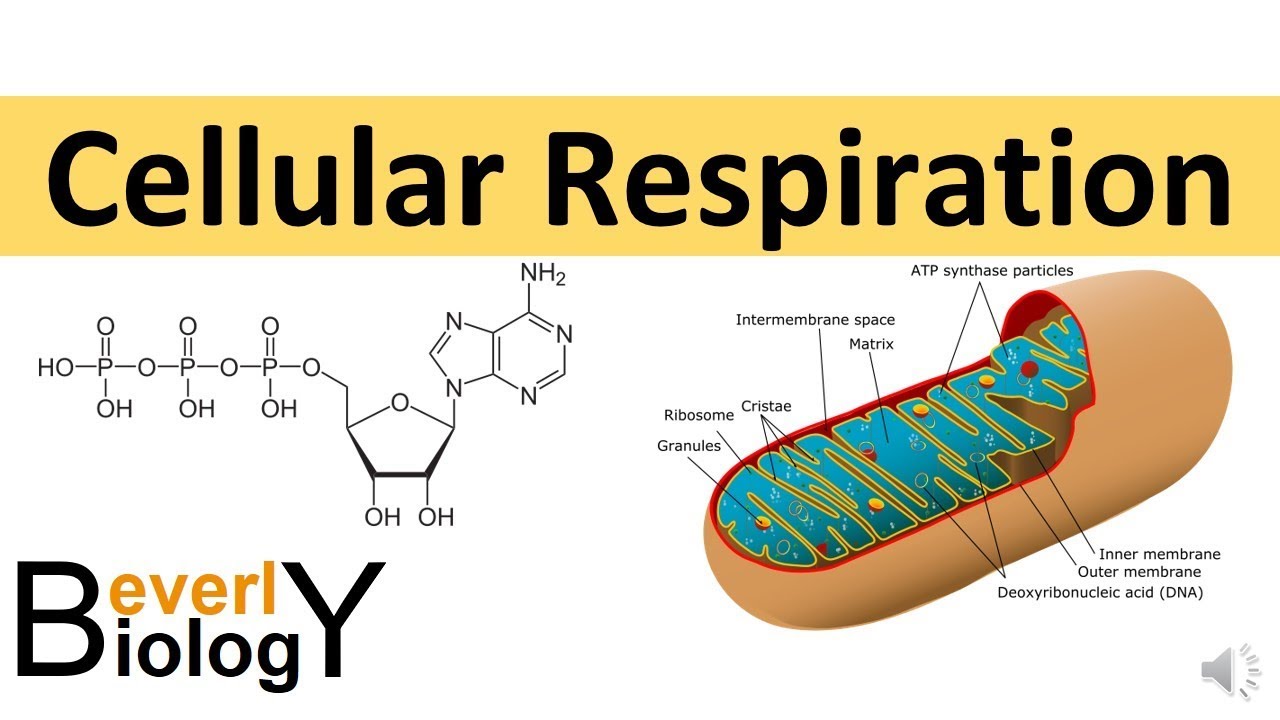
cover fats and proteins in later chapters as this unit is all about metabolism but essentially what's going on here is that these foods gets oxidized by the cells to then produce energy now a byproduct of producing energy is heat and we can't use heat in the cell to then use that energy for other processes so heat is a waste by product so the whole goal of producing energy is to produce a usable form and what that usable form is is atp atp is really just the energy currency of the cell meaning that it can be
transported around to then provide energy to the areas that need energy so foods are oxidized to then produce atp that is almost a store of energy to go around to wherever there is an energy need and an atp gets broken down into adp by breaking off one of those high high-energy phosphate bonds and breaking that phosphate bond releases a little packet of energy which is then used for various processes such as active ion transport muscle contractions synthesis of molecules cell division and growth etc so this atp contains these phosphate bonds and then they can break
them off releasing some energy for these functions adp can then also break off another phosphate on to form amp and then amp can then break off the last phosphate bond because there's three phosphate bonds in a total of one atp molecule but the very last one can be broken off so then it forms adenosine but the real goal is to not end up at that point because adenosine once that forms then it gets turned into an irreversible product so as soon as atp gets broken down into adp we want to instantly reconvert atp so we
do that by oxidizing our foods so oxidizing our foods creates atp atp is used adp is then regenerated into atp now these chapters are going to be slightly heavy in biochemistry and we'll go over just the real main points there as the net result of these biochemical reactions so when it comes to carbohydrates carbohydrates ultimately get broken down remember in the intestines down into monosaccharides percent of those monosaccharides are glucose the rest is fructose and galactose but then even fructose and galactose gets converted into glucose in the liver so the majority of our carbohydrates that's
used for energy production is glucose so glucose is the substrate for energy production and atp production now glucose can't easily get into various cells around the body remember once glucose is formed it'll go around the blood and then go into a cell that needs energy but they can't just easily cross that cell membrane so it actually needs this carrier protein molecule to then allow facilitated diffusion of that glucose into the cell and that's down a concentration gradient because obviously if a cell is using a lot of energy then it's going to reduce the glucose that's
in the cell lower the concentration of glucose within the cell so then the glucose wants to transport across the cell membrane it just requires this protein carrier molecules to actually get in the only time where glucose goes against the concentration gradients is in the kidneys and on the gastrointestinal membrane and remember we've covered these in previous chapters but that involves the use of sodium so it's a co-transporter using sodium where sodium goes down its concentration gradient to allow glucose to go against its concentration gradient and still get absorbed into the cell but otherwise in the
rest of the cells around the body whenever they need extra glucose because they're metabolizing a lot of glucose into energy and so it's a high energy cell they need these carrier proteins to allow facilitated diffusion of glucose into the cell now the ability of the carrier protein to actually allow diffusion of glucose into the cell is heavily dependent on insulin so insulin increases the amount of glucose absorption by a cell without insulin you barely get any glucose moving down its concentration gradient into the cell because that carrier protein essentially hasn't been activated so you need
insulin to allow glucose to go into cells and be used for energy production now that is the story in the majority of cells the exception is the liver cells and then brain cells brain cells glucose is the only form of energy production and your brain is obviously very important so the brain cells are able to actually always get glucose for energy despite insulin otherwise the large rule here is that insulin is required for glucose to go into cells now once glucose goes into the cell it gets instantly converted into glucose 6-phosphate now as we go
through all of these biochemical reactions you will see that there are multiple multiple different names that come across so for instance look at how galactose or fructose gets turned into glucose you can see that there's multiple multiple names that can get quite complicated or at least confusing i'm going to leave it completely up to you to know whether or not you need to know each of these chemicals but i will mainly focus on the main substrate the first molecule and then the end result so what the final product is and then what is formed from
the reactions if you need to know every single little one then good on you and good luck because it is a bit of rote learning but it's going to be too dry for this kind of video so getting back to glucose getting transported into cells as soon as glucose gets into a cell it's instantly converted into glucose 6-phosphate using glucokinase in the liver and hexokinase and other cells now this glucose 6-phosphate cannot be converted back into glucose to be transported out of the cell unless it's a liver renal or intestinal cell so every other cell
as soon as glucose enters the cell it gets irreversibly turned into glucose 6-phosphate locking it into that cell so now it has to be used for either glycolysis or if you're a muscle cell get converted into glycogen now glycolysis is the beginning of the process of producing energy from glucose whereas glycogen is a storage molecule of glucose now the majority of your glycogen is actually stored in your liver and your muscle cells and it provides a storage area for when glucose starts to reduce in the body say during fasting or during periods of high energy
production then you're able to break off glucose molecules one at a time to then produce more energy now the process of actually producing glycogen as another biochemical pathway but in order to actually break it down all it is is just a series of glucose linkages that are branching off and so when you break it down you can just literally snap off one glucose off the branch so it's not just a reverse of this reaction to form it now vomiting glycogen is very important when you have high blood glucose because if you're going to absorb a
lot of glucose into your cells you need to convert it into glycogen if you're not going to use it because it's going to be highly osmotically active so it's going to bring in a lot of water with it if it's just sitting as glucose which will then expand the cell and potentially burst the cell as well so if you have too much glucose in the body insulin is going to increase the absorption of glucose into cells and then in the liver and muscles it's going to also convert that into glycogen to be stored to be
used later if it does not need to be used right away to produce energy now the formation of glycogen is called glycogenesis and glycogenesis predominantly comes from glucose but it can also happen from lactic acid that will get to later glycerol so from fats amino acids and then also pyruvic acid as well and then when it's broken down it's broken down by an enzyme called phosphorylase now phosphoryla is going to be inactive when you don't need the glucose but as soon as you need glucose let's say because of an increased energy need let's say because
of sympathetic stimulation you need to suddenly run away from something so your adrenal glands are going to pump out a lot of epinephrine because of a high sympathetic tone epinephrine then activates phosphorylase so then the glycogen can be broken down into glucose and the liver and muscle and then the phosphorylase can also be stimulated by glucagon now glucagon is a hormone in the pancreas so if you actually have low glucose levels your pancreas will release glucagon from the alpha cells and then that will break down the glycogen in the liver we will touch on glucagon
insulin and the pancreatic role and blood sugar regulation in the endocrine section at least for now we're going to get into the glycolytic pathway so really starting the process of breaking down glucose into energy now this is kind of split into four main processes and the first one is glycolysis now glycolysis is the conversion of glucose into pyruvic acid and actually forms two molecules on pyruvic acid and in the process of doing this it actually uses some atp and also produces a small amount of atp the net result is actually two atp molecules two pyruvic
acid molecules and importantly we're going to touch this on this on the very last process is the production of four hydrogen ions now hydrogen ions get snapped up by this other molecule called nad but it's just important to know that every time that hydrogen ions are formed that is used later on for a very highly efficient energy production system so overall glycolysis what you'll notice is that it turns glucose into pyruvic acid a small amount of atp and then some hydrogen ions and it does not require oxygen so this is a process that can just
occur as soon as there there's enough glucose and you need to produce some atp then you're going to convert glucose into pyruvic acid the next step is turning this pyruvic acid into a molecule called acetyl coenzyme a now it does that by basically just adding coenzyme a to the pyruvic acid so the main thing here is that pyruvic acid and coenzyme a turns into acetyl coenzyme a two carbon dioxides and once again four hydrogen ions so now we have eight total hydrogen ions formed the carbon dioxide that gets formed during these processes just diffuses through
the membrane goes through the blood goes to the lungs and then gets breathed out and then we have this coenzyme a now acetyl coenzyme a then gets used in the next process so the third process called the krebs cycle now it's called the krebs cycle or the citric acid cycle because it is a revolving process what you'll notice is this acetal coenzyme a combines with oxaloacetic acid and then eventually forms oxaloacetic acid so the whole thing is a big circle and the result of this big circle is various byproducts so these byproducts include four carbon
dioxide that just gets breathed out a total of 16 hydrogen ions reforms the two coenzyme a molecules that will then go back and refuse with that pyruvic acid to form the acetyl coenzyme and then the production of just another measly two atp molecules so overall the krebs cycle produces a large amount of hydrogen ions just a couple atp molecules and then some carbon dioxide as you can see we're really starting to accumulate these hydrogen ions and importantly is that this krebs cycle actually occurs within the matrix of our mitochondria remember mitochondria are the organelles which
are thought of as the energy produces the real powerhouses of the cell and the reason behind that is because it's able to use these hydrogen ions to produce energy that we'll get to next so all of these hydrogen ions that are formed they fuse with nad molecules which stands for nicotinamide adenine dinucleotide so a hydrogen ion and nad plus forms nadh now there are some other molecules like fad that also fuse with the hydrogen ions but 20 out of the 24 hydrogen ions that were created fuses with the nad the other four hydrogen ions forms
with fad mainly so let's get to our final process here and this is how the majority of our atp gets produced so what happens is this nadh that contains this hydrogen ion comes up to the inner membrane of the mitochondria remember the mitochondria is an organelle with two membranes in it so from the matrix so the inside it comes up to this inner membrane and then it actually releases two electrons so then we get a proton and an nad plus molecule produced which actually the hydrogen ion or the proton just goes and fuses with oxygen
to form water which we'll get to very shortly but the two electrons are very important electrons remember is basically how electrical current forms so the movement of electrons moves energy so the inner membrane of the mitochondria with all of these various protein chains such as cytochrome b c a a1 a3 ubiquinone these protein chains basically take this electron shuttle it all the way through and uses that energy that electrical current to then move six hydrogen ions out of the matrix into the space between the inner and outer membrane so this electron shuttles its way through
the protein carriers eventually fuses with the oxygen to then refuse with those hydrogen ions from before to form the water and that electrical current that energy that was utilized pumps six protons across the membrane to now sit in this membrane space between the inner and outer membrane now we obviously have a highly positive charge now in this space between an analogue membrane and then a negative charge within the matrix so this is able to be corrected by the movement of these protons down their electrical gradient through a protein molecule called atpase and by going down
its electrical gradient down this atpase it basically acts like a windmill or like a dam where the energy then gets used to convert adp into atp by fusing a phosphate onto it so all of the energy that's temporarily stored by having so many hydrogen ions or protons within this membrane space gets released by them crossing the membrane by the atpas protein molecules to then produce atp and this entire process is called the chemiosmotic mechanism and this is oxidative phosphorylation so this is where oxygen comes in we have the oxygen to accept the electrons and then
fuse with the protons to form water so without oxygen this process cannot take place so this is what aerobic respiration is is the movement of the electrons that gets accepted by oxygen to then allow protons to get pumped across creating an electrical gradient that is then used to produce atp and then for every two molecules of hydrogen ions that were produced before we get three atps being produced when it's stored by nad when it's fad then one hydrogen ion equals one atp that's getting into a little bit more detail than gets covered in this book
so ultimately if we go through every single process glycolysis that does not involve oxygen produces two molecules of atp the krebs cycle forms an additional two molecules of atp and then oxidative phosphorylation forms a total of 30 plus the four that's not carried by nad 34 total molecules of atp so then the net metabolism of glucose produces 38 atp molecules so that's a 66 efficiency of energy production so the rest is released as heat and that is a giant amount of atp that's formed when we have oxygen available and we'll touch on what happens when
we don't have oxygen available very shortly but first it talks about how this process is actually regulated it's all regulated by demand so if there is high atp molecules present within the cell then this high atp actually inhibits several enzymes throughout the process so it inhibits phosphofructokinase which is one of those first enzymes right at the beginning of glycolysis so then glycolysis itself is stopped so the very first process is inhibited so glucose doesn't get broken down at all if there's high atp because there is so much energy already in the cell it doesn't need
to produce any more whereas if you have a high adp concentration then that actually activates that enzyme so if you have a high amount of adp meaning that you're using a lot of atp and there is a high energy usage within the cell then you're going to activate the phosphofructokinase enzyme and then allow glycolysis from beginning now there is also two other inhibitory effects when you have high atp molecules within the cell or you don't need any energy one is that if glycolysis does continue and you get to the point of the krebs cycle then
you're going to have an accumulation of the citrate ion that's actually going to inhibit the phosphokinase again and the citrate ion is that first product in the krebs cycle so if there's so much acetylcholine coming into the krebs cycle and we're producing a lot of citrate ion so much so that it's starting to accumulate that citrate ion is actually going to inhibit the fructokinase and inhibit the glycolysis mechanism so the krebs cycle is going to stop glycolysis if it's being overloaded and there's too much energy being produced and it can't keep up and then lastly
if there's a lot of atp within the cell then some of these processes require the presence of adp to actually complete their biochemical reaction so if there is no adp because you have so much energy within the cell you're barely using any energy so there's a lot of atp then you can't actually do the reaction because you don't have one of the molecules that you need to to perform the biochemical reaction now some of these reactions throughout the metabolism of glucose require adp to be present in order for it to occur so then if the
cell does actually start to use a lot of energy and you actually form a lot more adp then that's going to stimulate those reactions to occur and produce more atp so it's able to self-regulate itself so next we're going to talk about what happens when you don't have oxygen so if you don't have oxygen you obviously can't do the oxidative phosphorylation portion which converts all those hydrogen ions into atp in the mitochondria so essentially what you get left with is the formation of pyruvic acid by glycolysis because glycolysis can still occur but if you have
a sudden cessation of oxygen you obviously still want to be able to produce energy for major functions of the body for instance you still want your heart to beat if it doesn't have enough oxygen you still want muscle contractions to occur you still want normal cellular functions to occur if there is a sudden cessation of oxygen so if you hold your breath or if you become anemic something along those lines you have a high energy demand because you're suddenly doing a sprint and you can't get enough oxygen to your muscles then you need to still
be able to produce some energy to keep your functions going for a little bit longer so instead of everything failing after a couple seconds you give it a couple minutes so then you're able to hopefully find a way to get oxygen to those cells and then the cells don't die however one of the big problems is that you just can't produce a lot of pyruvic acid because if you have a lot of pyruvic acid within the cell that's going to actually inhibit glycolysis itself so you need to convert pyruvic acid into something else so then
glycolysis can continue glucose can continue to form pyruvic acid and then that needs to be shut all the way so that does that through lactate dehydrogenase so pyruvic acid is able to combine with those hydrogen ions that we've formed during glycolysis and form lactic acid and lactic acid is kind of like a sinkhole to allow glycolysis to occur produce at least some atp molecules it's only a couple atp molecules per glucose molecule but at least allow some functions to continue and then once oxygen returns we're able to convert this lactic acid back into pyruvic acid
so then the krebs cycle can continue and then we're able to reproduce more atp through the oxidative phosphorylation process and actually help the conversion of lactic acid into pyruvic acid so that is anaerobic respiration you know the main way we think about that is usually the difference between a marathon runner and a sprinter a sprinter needs to do extremely high energy producing activities for a short period of time and they're going to use anaerobic respiration to do that form an oxygen debt because now they need to actually breathe a lot heavier after their exercise so
oxygen can get into their body and convert all that lactic acid that they produce back into pyruvic acid whereas a marathon runner they don't want to produce any lactic acid they just want to actually continue oxidative phosphorylation so that you have your high atp production and you can continue going for a lot longer and then lastly here there's one other process that we have to talk about there's a second way that glucose can be used and oxidized in the liver and that's the pintos phosphate pathway and that's shown up here in figure 68.8 so glucose
is able to be converted into d ribose and d ribose can then be converted into multiple different sugars now these multiple different sugars can then get reconverted back into glucose so then the pentose phosphate pathway can once again reform that d-ribose and the ultimate net effect is the production of hydrogen ions and carbon dioxide carbon dioxide gets breathed out and then the hydrogen and ions can be used for energy production but really the whole point of having this pentose phosphate pathway is to produce these hydrogen ions to then actually combine with a different type of
molecule called nadp so it has a phosphate molecule with it and then nadph actually is able to synthesize fats from these carbohydrates so if we have so much glucose in our body that's not being used for energy and we convert all that into glycogen and then our glycogen stores actually get full then we're able to convert glucose into the ribose in the liver which eventually gets turned back into glucose and eventually that glucose will actually run out and the eventual result is really just the production of this hydrogen ion to then form fats and that's
one way why a high sugary diet just results in fat production because you're going to fill up your glycogen stores and then start to produce fat just to store for future energy production it can actually work the other way too where you can convert your fat and also protein into carbohydrates to be used for energy and that's called gluconeogenesis that's just the process of converting amino acids from your proteins and your glycerol from your fat into glucose so then glucose can then be used for the more vital structures of the body such as the brain
and the red blood cells so this is a primary role when you're fasting you're able to convert your other molecules your other food products into glucose so that your brain is able to continue functioning even though you haven't eaten in a while your kidneys can also do this as well after even prolonged fasting so your liver does it first and then your kidneys kick in now this can be enhanced by the hormone called cortisol as well which is able to convert your proteins into carbohydrates into glucose to then be used as a substrate for energy
and then that is the end of our chapter for today i hope you enjoyed it now before you go i've been requested to give this a go so let's see how this works i've given a few questions here to see if you're able to review the content so the three questions are what two hormones increase glycogen breakdown what is the end product of anaerobic respiration and then lastly where does oxidative phosphorylation take place feel free to comment down below your answers or just give it a go the answer will be provided within the description if
you'd like to support the channel you can do so through our patreon link where you can get access to downloadable audio files of each chapter to listen on the go otherwise feel free to drop a comment and we'll see in the next video





![Best of lofi hip hop 2021 ✨ [beats to relax/study to]](https://img.youtube.com/vi/n61ULEU7CO0/maxresdefault.jpg)