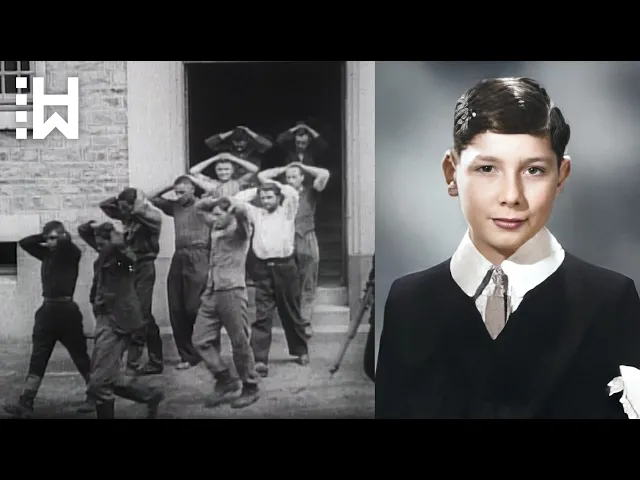
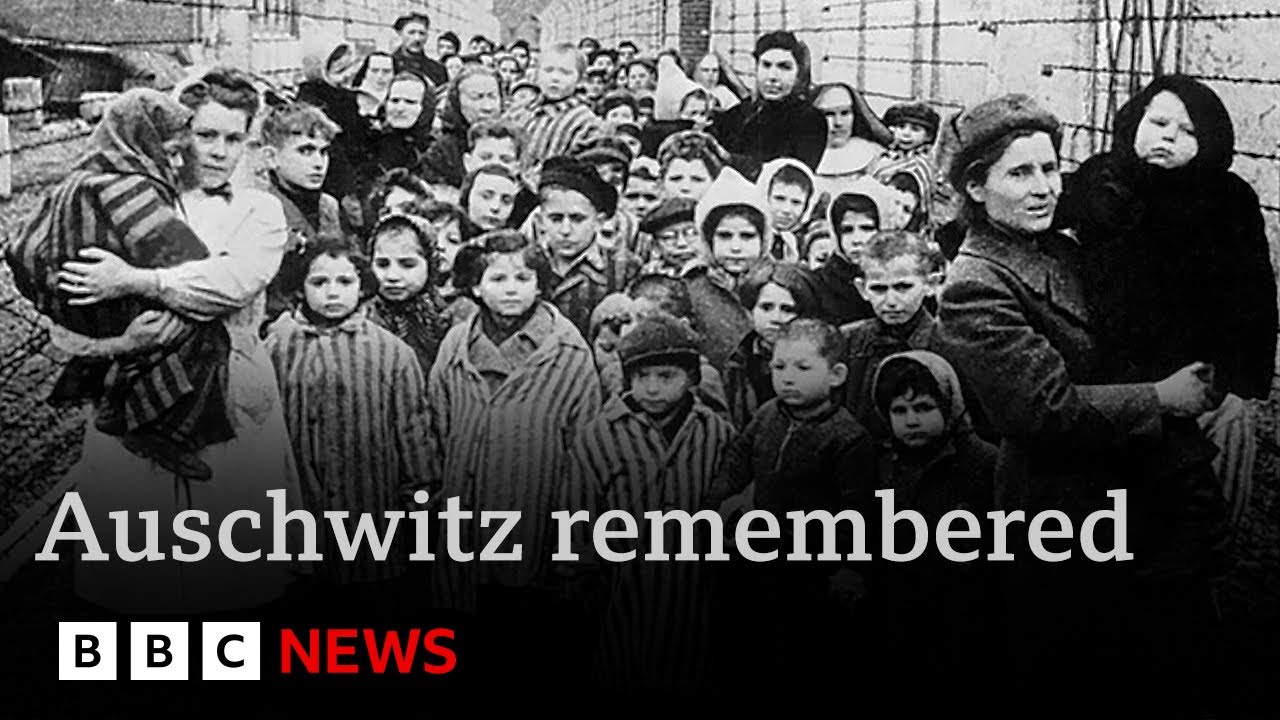
them was Georges-André Kohn. These children were chosen under the pretense of being relocated to a better living situation, but instead, they were subject to heinous experiments. The experiments, which aimed to study the effects of tuberculosis and test potential vaccines, were conducted in inhumane conditions.
Georges-André and the other children suffered immensely during this time. They were deprived of basic necessities, subjected to painful injections, and faced the constant fear of what would happen next. The intentions behind Heissmeyer's experiments were chillingly clear: the dehumanization of the children and the cruel pursuit of scientific knowledge at the cost of innocent lives.
Despite their suffering and resilience, many of these children ultimately did not survive the ordeal. The legacy of Georges-André Kohn and the other children serves as a haunting reminder of the atrocities committed during the Holocaust. It is essential to remember their stories, honoring the lives lost and the horrors endured, to ensure that such events are never repeated in history.
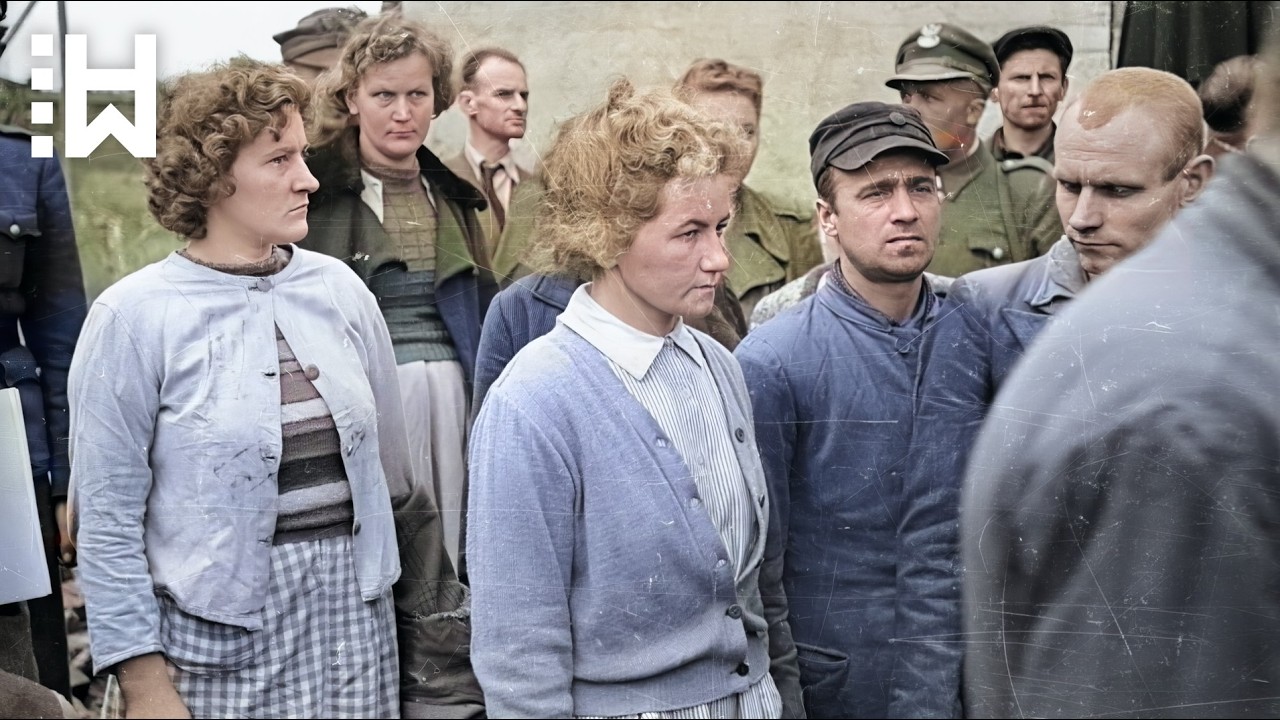
Those children were also Georges and his friend, Jacqueline Morgenstern, a girl from France who he had quickly befriended as she was close to his age and spoke French, unlike most of the other children in Auschwitz. The children were accompanied to Neuengamme by four female prisoners. Three of them—two Polish nurses and one Hungarian pharmacist who also served as a nurse—were killed upon arrival at Neuengamme.
The 20 children were housed in the same barracks where the adult prisoners had been kept. After initial examinations, they were infected with live tuberculosis bacilli. Their skin was cut, and their wounds were rubbed with sputum containing the bacteria.
After some time, under Heissmeyer's supervision, their swollen glands were surgically removed from under their arms for examination. George, as well as all the other children, underwent this painful procedure twice. The children were also photographed holding up their arms to show the surgical incisions.
The ordeal of these fever-ridden, weakened, and lonely children lasted for months. After the war, when asked why he did not use guinea pigs, Dr Kurt Heissmeyer responded, "For me, there was no basic difference between human beings and guinea pigs. " He then corrected himself, saying: "Jews and guinea pigs.
" By early spring 1945, it was clear that Germany had lost the war. The Nazis, in a rush to cover up their barbaric crimes, began destroying evidence. As part of this effort, the victims of Heissmeyer’s experiments also had to disappear.
On 20 April 1945, close to midnight, a small postal truck pulled up in front of the former school building at Bullenhuser Damm, which served as a subcamp of Neuengamme. First, six Russian prisoners were taken from the truck and led to the back of the school, where they were directed to the basement. Then, a group of 20 Jewish children followed in their footsteps.
In the basement, all of the children were crowded into one room along with Alfred Trzebinski, a doctor from Neuengamme. While the children, unaware of their fate, calmly chatted with each other, the Russians were quietly being killed in the neighboring rooms. One by one, they were hanged by ropes pulled over the heating pipes.
The executions were carried out by SS men Ewald Jauch and Johann Frahm. After a while, Frahm entered the room where the children were and ordered them to undress. The terrified children looked questioningly at Trzebinski, who cynically reassured them that they were going to be vaccinated against typhus.
During the trial after the war, Trzebinski recalled how he took Frahm aside and quietly asked, so that the children wouldn’t hear: "What will happen to them now? " Frahm replied that he had to hang them. Trzebinski proceeded to inject the children with large doses of morphine.
He and Frahm laid them down on the floor under blankets. Most of them, tired and sedated, quickly fell asleep, while a few remained awake, quietly talking among themselves. Frahm picked up a twelve-year-old boy, probably Georges, in his arms and said to the others: "Now I’m putting him to bed.
" He then took him to a room with a noose hanging from a hook, about six or eight meters away from where the other children were. He placed the head of the sleeping boy in the noose and then pulled down on the child’s body with all his strength because the child was so thin that the noose did not close. In a hearing in 1946, Frahm said he had “hung the children up on the wall like pictures.
” None of them cried. Georges was murdered three days before his 13th birthday. Four of the adult prisoners who had been looking after the children in the camp were murdered that night, too.
Eighteen days later, on 8 May 1945, the Second World War ended with the surrender of Germany. In 1946, Alfred Trzebinski, Ewald Jauch, Johann Frahm, and Wilhelm Drimann—the people found responsible for the executions of children—were sentenced to death during the main Neuengamme concentration camp trial in the Curiohaus in Hamburg. However, the identities of the victims of the Bullenhuser Damm massacre remained unknown for a long time.
Some of the children’s relatives had survived the ghettos and concentration camps. But despite intensive searches over many years, they still did not know for sure what had happened to the children. Many of the survivors had also lost their possessions—and thus their personal mementoes—through the process of deportation.
The few photos that relatives who had emigrated or gone underground had managed to keep were the only remaining reminders of the children. Then, 33 years after the terrible event, journalist Günther Schwarberg discovered the story and published a series of articles called “The SS Doctor and the Children” in the German magazine Stern. After many years of research in many countries, Schwarberg had managed to track down some relatives of the children.
In 1978, Philippe Kohn learned of his brother’s death from Günther Schwarberg, who had found the family in Paris. Georges’s father, Armand Kohn, had died 16 years prior, so he had never found out what happened to his youngest son. In 1979, the Children of Bullenhuser Damm association was founded to keep alive the memory of the murdered children.
Among its founding members was Philippe Kohn, the brother of Georges, who also served as the honorary president of the association. There were many tears shed for Georges-André Kohn and 1. 5 million other Jewish children who were murdered by the Nazis during the Second World War.
Thanks for watching the World History Channel! Be sure to like and subscribe and click the bell notification icon so you don't miss our next episodes. We thank you, and we'll see you next time on the channel.