The world's worst civilian nuclear disaster took place when a reactor exploded at the Chernobyl power plant in Ukraine, then part of the Soviet Union. Present-day Belarus received sixty percent of the initial fallout. The radioactive cloud spread further to cover most of Europe.
The Chernobyl nuclear power plant was one of the Soviet Union's most advanced facilities. The first two reactors became operational in the late 1970s. the fourth reactor was the newest, going online in 1983.
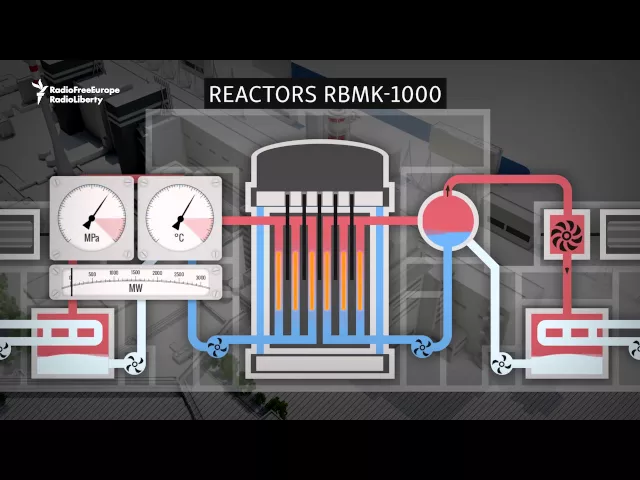
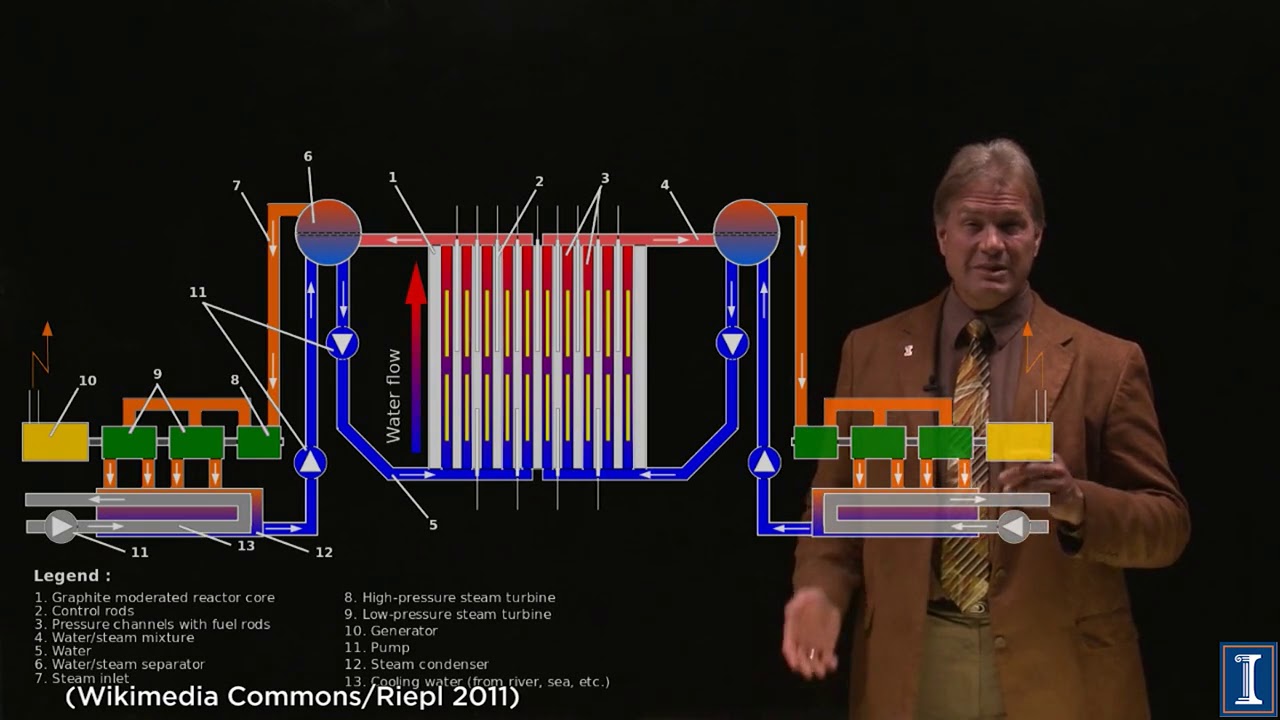
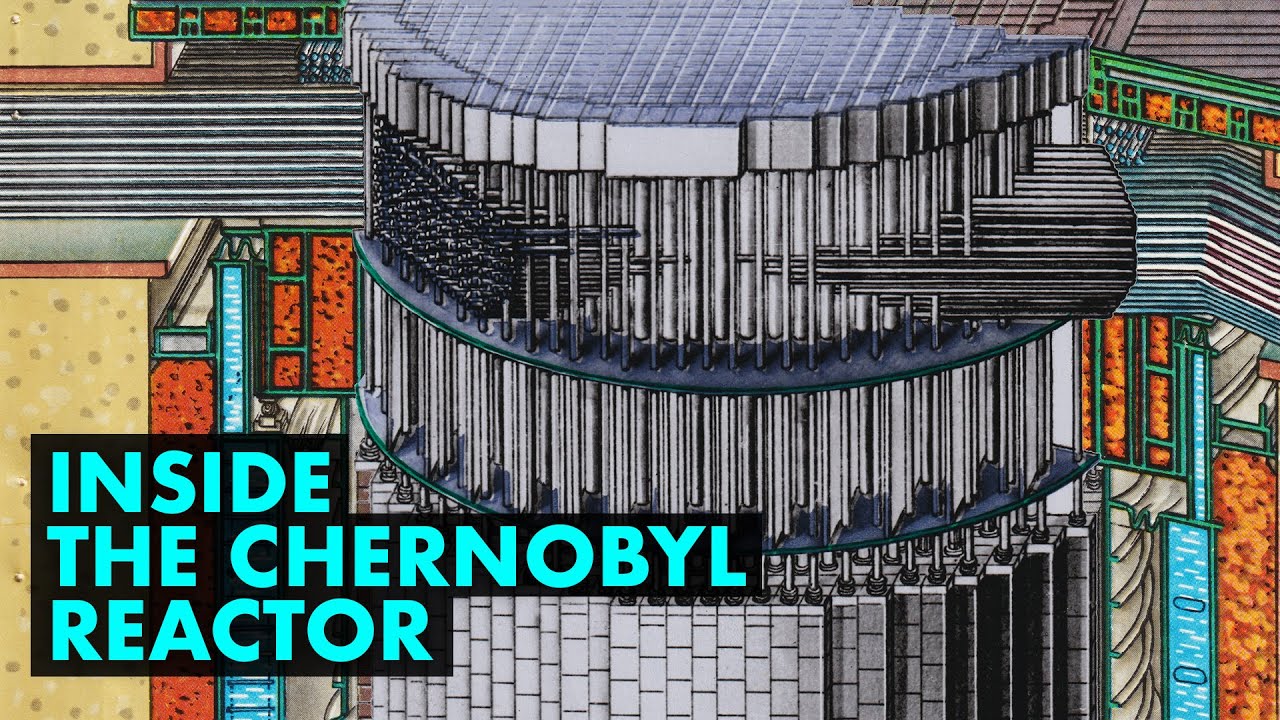
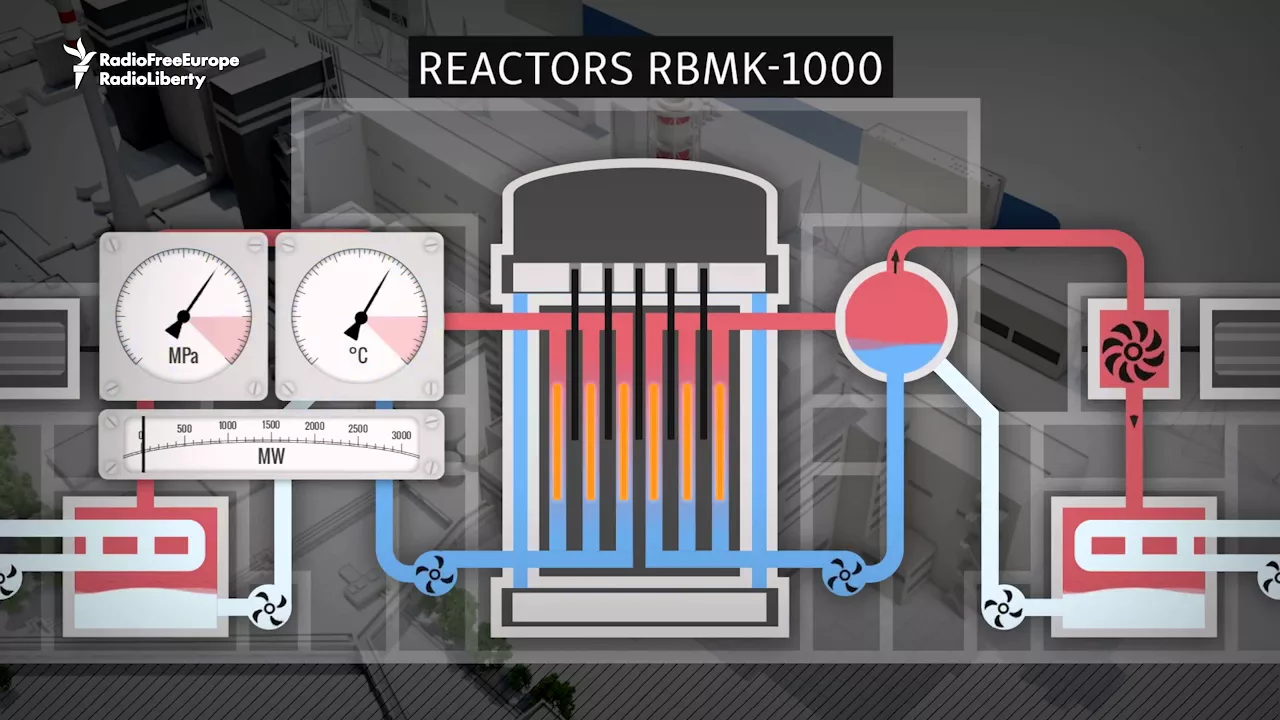
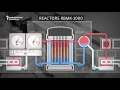
On April 26th, 1986, technicians prepared to test the backup cooling system in reactor number four, but the routine safety drill went horribly wrong. A nuclear reactor is like a giant steam engine. Uranium fuel rods react to produce a massive amount of heat that converts water into steam, which drives huge turbines to generate electricity.
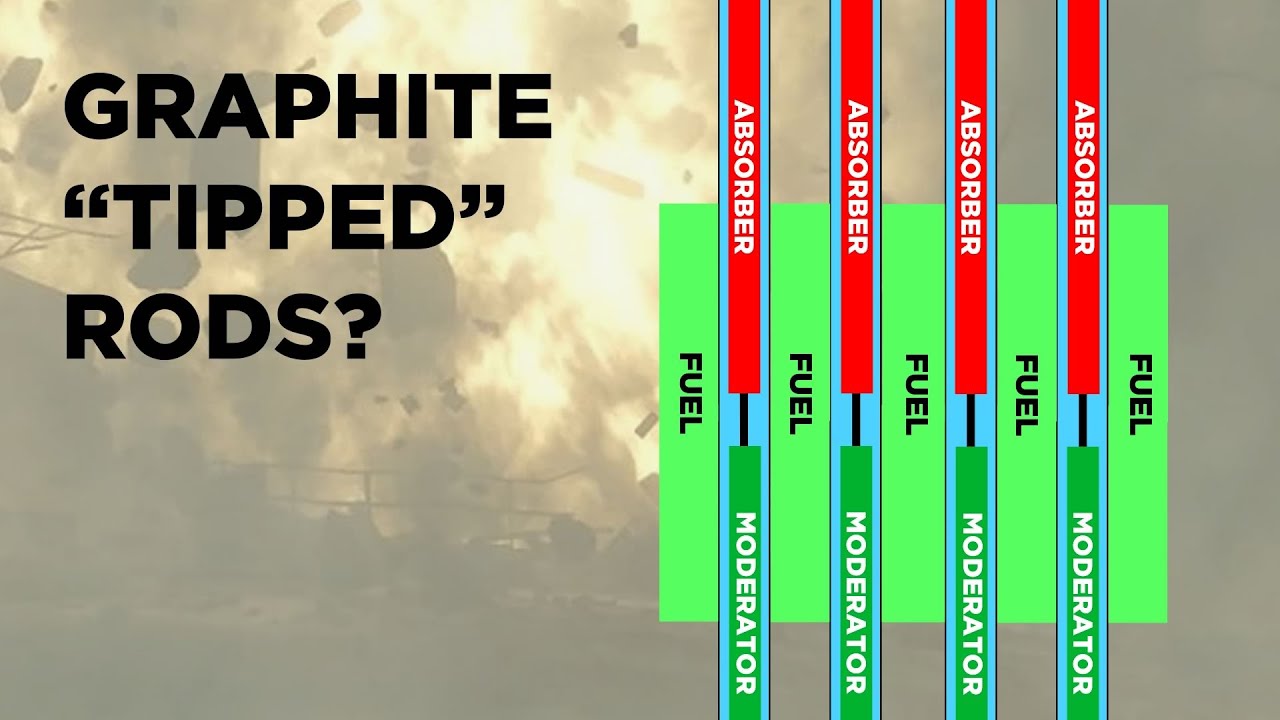
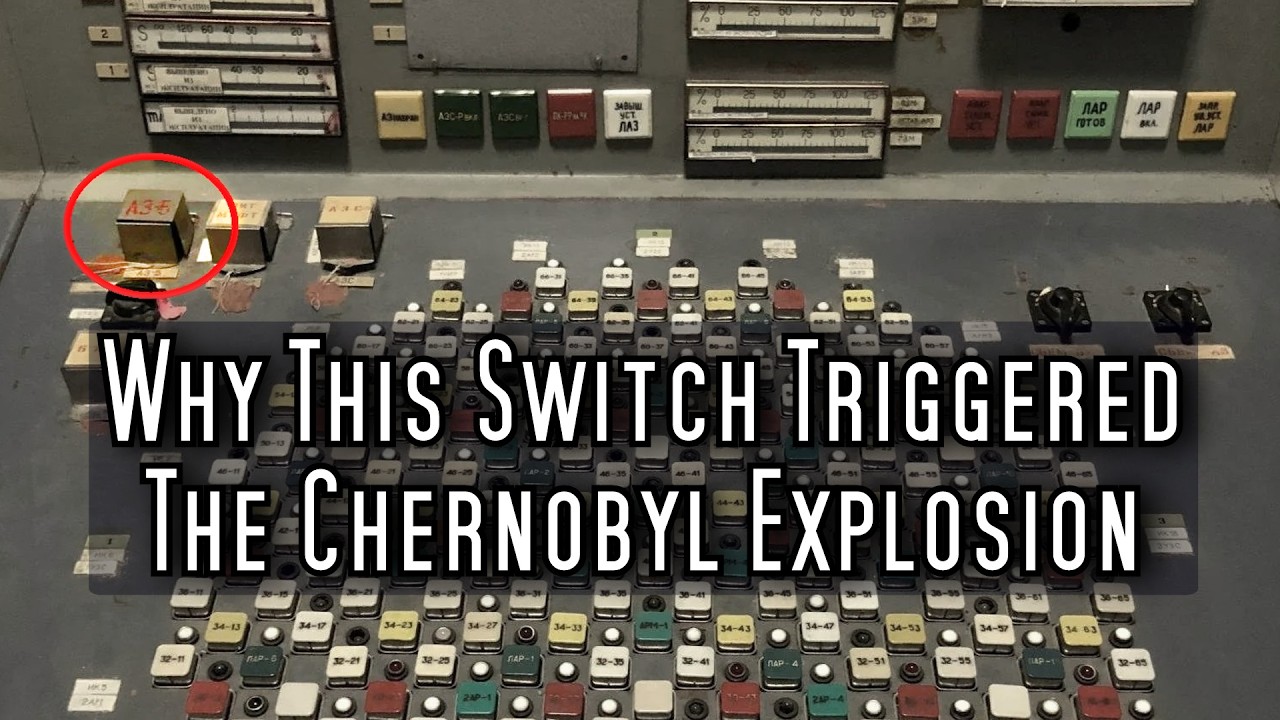
Control rods are inserted in between the uranium to slow the reaction, and it's crucial for cooling water to be pumped around the core to prevent overheating. But as the test began, almost all of the control rods were removed and technicians lost control of the flow of coolant. Temperatures soared and extreme heat began to melt the core.
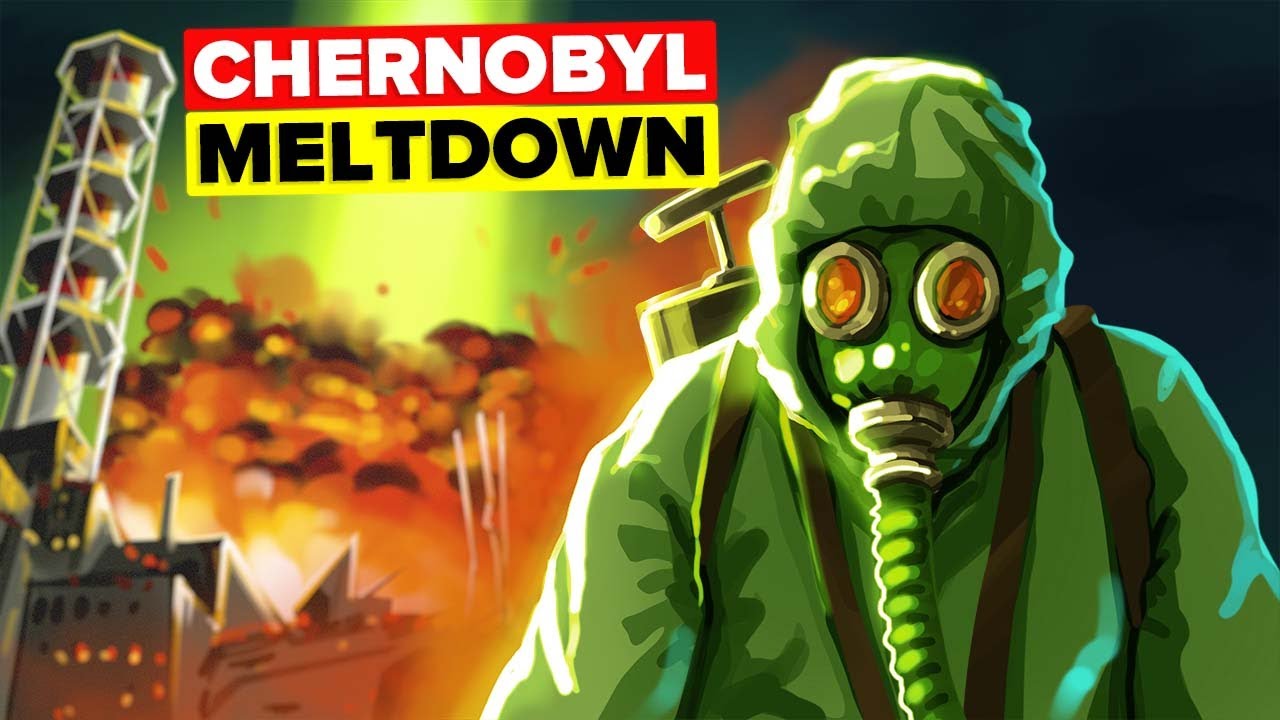
At 1:23 a. m. , reactor four exploded.
It spewed eight tons of radioactive debris into the atmosphere. 115,000 people were evacuated from a 30 kilometer zone around the plants. The battle to put out the fires inside lasted for 15 days.
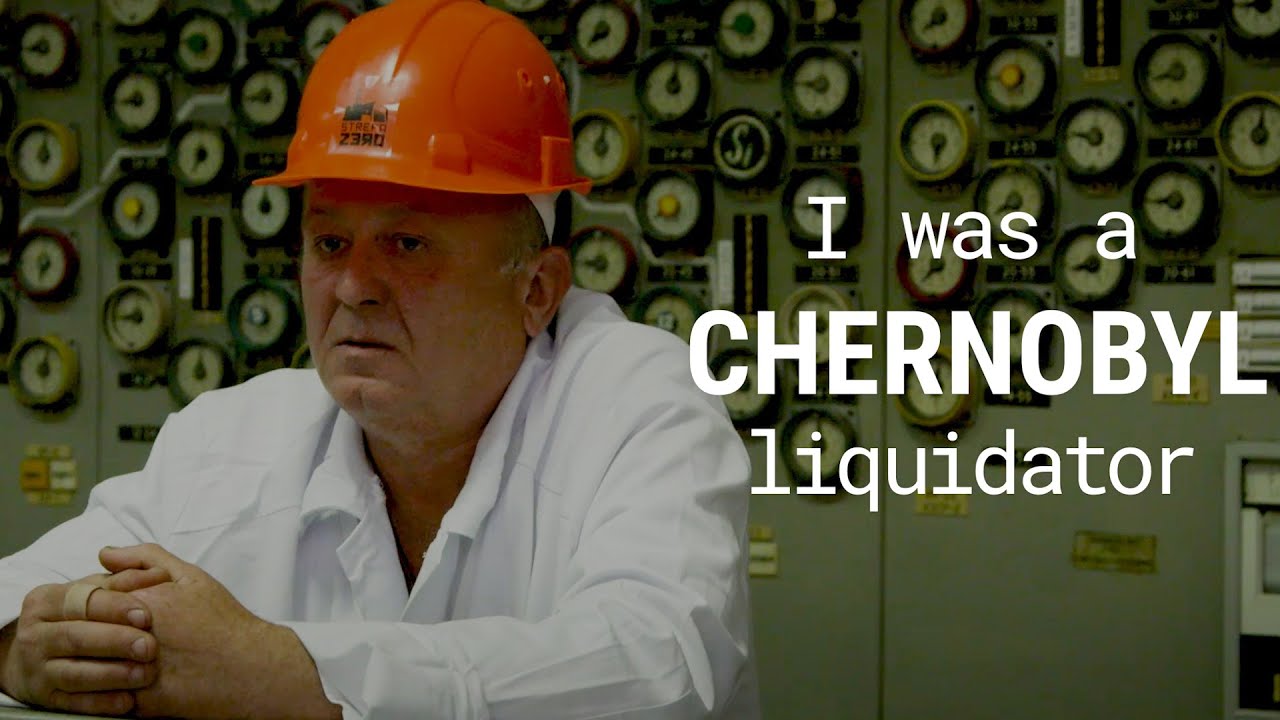
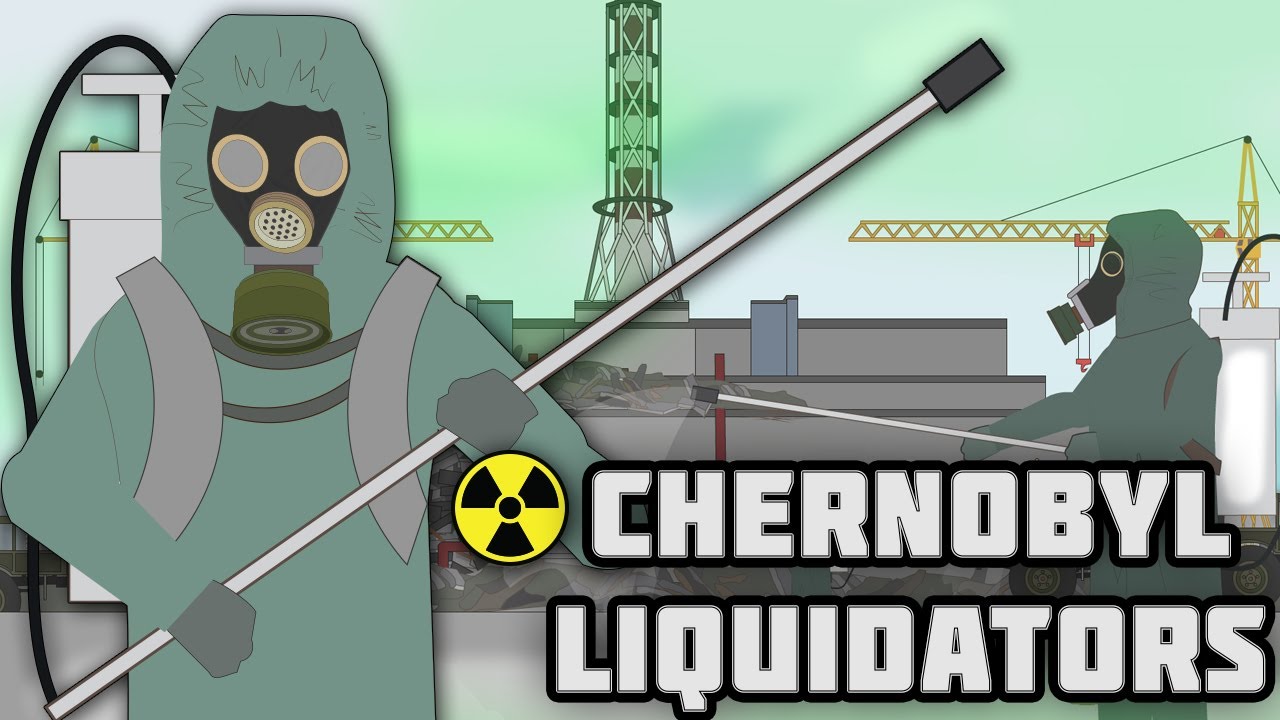
More than a half a million military and civilian personnel were drafted to deal with the accident and it's aftermath. 31 of the initial firefighters and plant workers died within days from acute radiation sickness. The toxicity of the radioactive cloud was equivalent to 400 Hiroshima atomic bomb explosions.
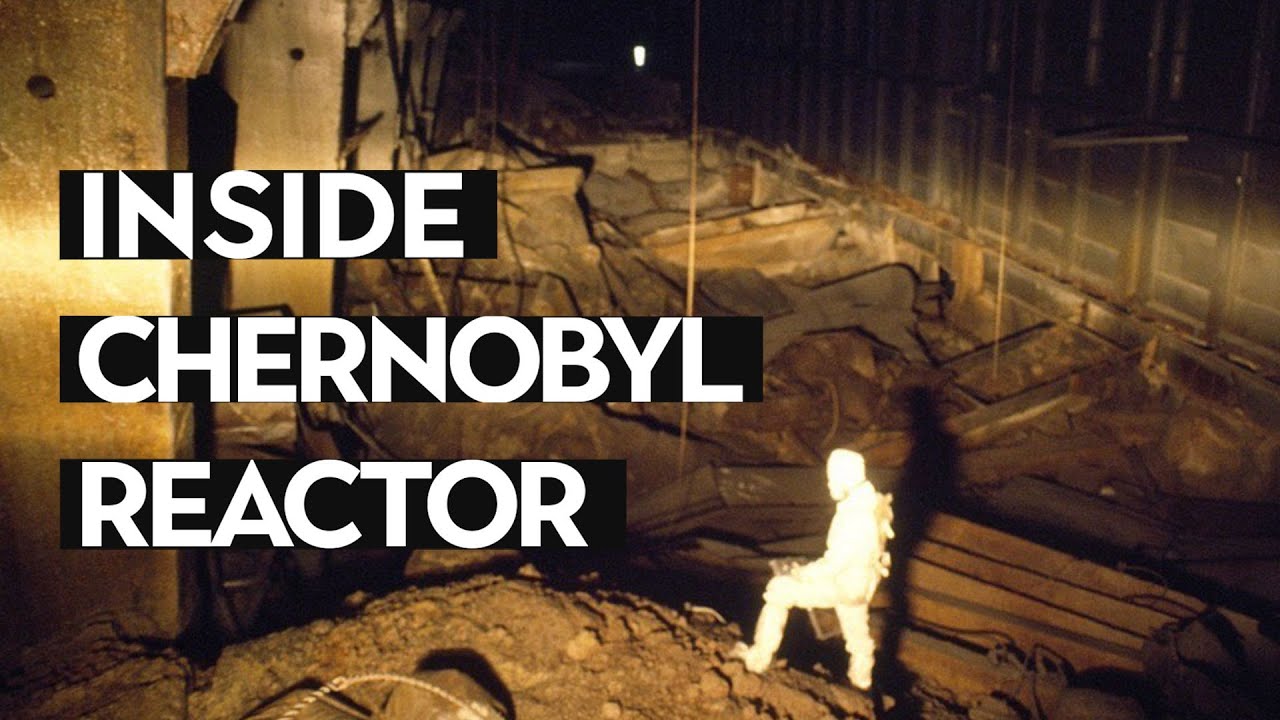
Crews hastily built a concrete sarcophagus to encase the entire reactor to prevent more radiation from spreading. Inside, there remain two hundred tons of radioactive fuel. The remaining three reactors continued to operate due to energy shortages in Ukraine.
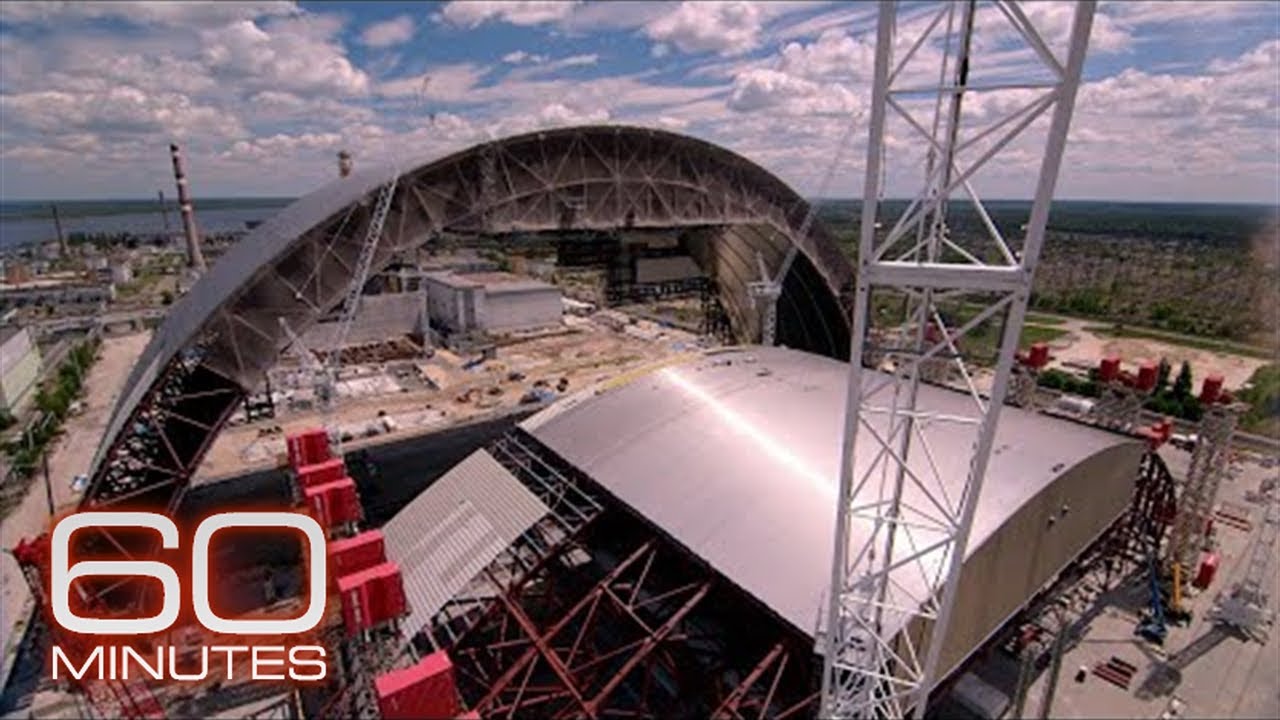
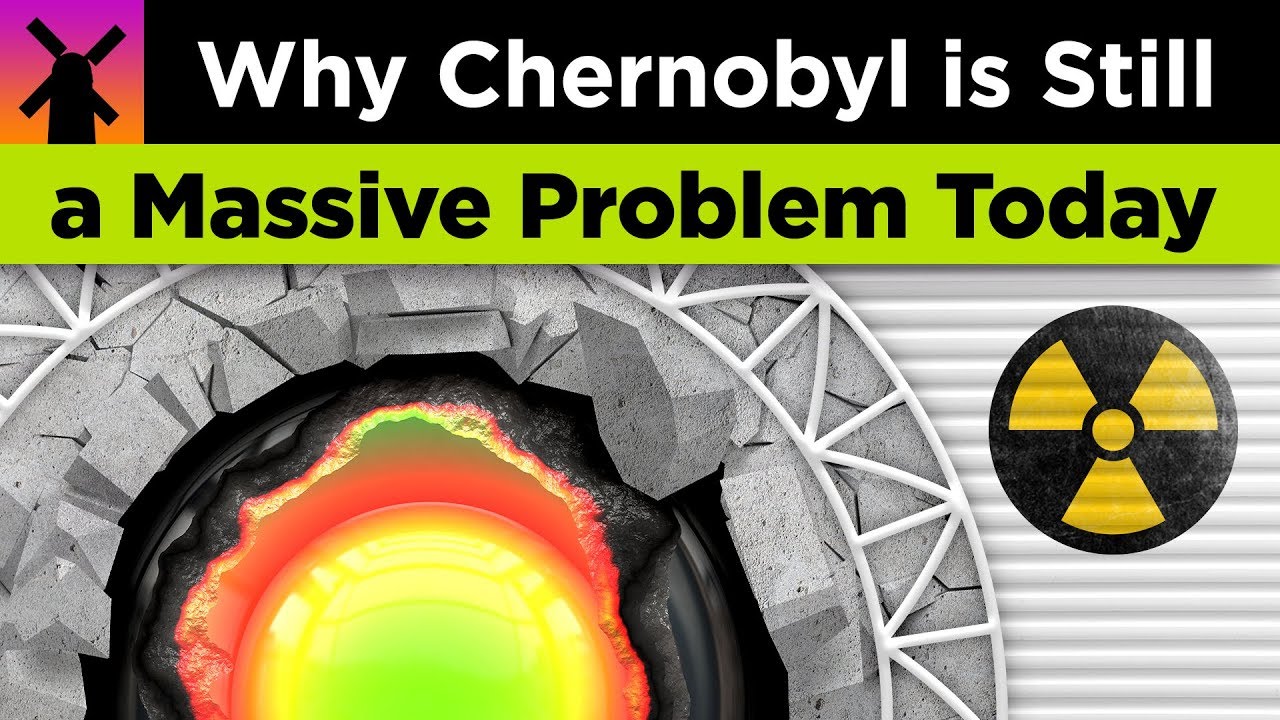
It wasn't until the year 2000 that the Chernobyl complex was completely shut down. With the concrete sarcophagus crumbling, the international community began to build a new confinement structure for reactor four. It stands a hundred and ten meters tall, higher than the Statue of Liberty, and it's wide enough to fit a ship the size of the Titanic.
At a projected cost of three billion dollars, construction is scheduled for completion in 2017. One of Chernobyl's iconic red and white chimneys will be dismantled, and the massive steel dome will slide over reactor number four. The confinement structure is expected to last for at least 100 years.