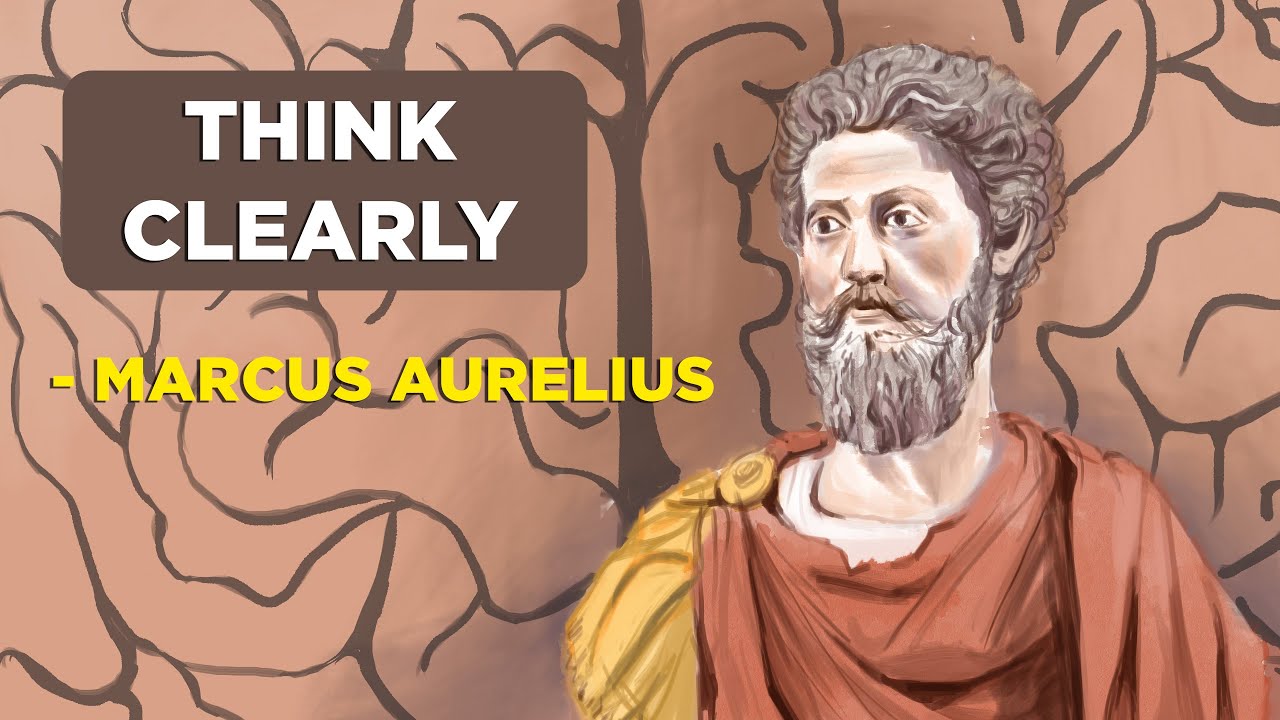
our greatest power our greatest power lies in the ability to choose our response to Life's challenges picture this Marcus Aurelius a Roman Emperor faced with unending turmoil found peace not in control but in acceptance he taught that the happiness of your life depends on the quality of your thoughts this ancient wisdom of stoicism isn't just historical trivia it's a transformative tool tool we can all use today in this video we'll uncover The Art of Letting things happen exploring how embracing the flow of life rather than forcing outcomes can lead to profound peace and fulfillment get
ready to dive into the Timeless teachings of stoicism and discover how to navigate life's unpredictability with Grace and strength if you appreciate what we're doing here a simple favor I'll ask of you is to hit the Subscribe button don't skip any part of the video as this journey toward inner calm and resilience might just change your life in stoicism there's a strong emphasis on distinguishing between what we can and cannot control this starts with our thoughts the stoics believe that while we cannot control external events we have complete control over our minds by focusing on
our thoughts we can navigate life's challenges with greater ease and composure it's like building a mental armor that Shields us from unnecessary worries and negative influences when we understand this we can start to see our thoughts not just as fleeting moments in our minds but as powerful tools that shape our reality consider the impact of a single negative thought it can spiral into a Cascade of negativity affecting our mood our behavior and even in our health on the other hand a positive thought can Inspire us motivate us and lead to actions that improve our lives
and the lives of those around us the stoics were masters of this mental discipline they practiced techniques like reflection and journaling to keep their thoughts in check for example the evening reflection was a common practice where they would spend time at the end of each day contemplating their thoughts and actions ident ifying what went well and what could be improved this practice allowed them to maintain a clear and focused mind ready to face the next day with renewed strength moreover the stoics taught us that thoughts are not just abstract Concepts but tangible forces that can
direct the course of Our Lives by becoming aware of our thoughts and consciously guiding them we can transform our experiences this is not about suppressing negative thoughts but rather about understanding them challenging them and ultimately transforming them into positive actions it's a skill that takes practice but it can lead to profound changes in how we perceive and interact with the world to put it into perspective imagine two people facing the same challenging situation one person is consumed by negative thoughts believing that nothing they do will make a difference they feel feel paralyzed and defeated the
other person Guided by positive thoughts sees the challenge as an opportunity for growth they think about past successes and believe in their ability to overcome the obstacle this person is more likely to take proactive steps and ultimately succeed the difference lies in their thoughts realizing the importance of thought is about recognizing that our inner dialogue shapes our real ity it's about taking control of our mental landscape and cultivating thoughts that lead to positive actions and outcomes as Marcus Aurelius and other stoics have shown us this is a path to true happiness and fulfillment so start
today by paying attention to your thoughts challenge the negative ones and nurture the positive ones this simple yet profound shift can transform your life in ways you never imagined Marcus aelius a renowned stoic provides invaluable insights on this he advises here is a rule to remember in the future when anything tempts you to feel bitter not that this is Misfortune but to bear this worthily is good fortune this quote encapsulates the stoic approach to transforming thoughts changing our perspective on challenges and adversities at its core transforming your thoughts involves Rec recognizing that our spontaneous thoughts
often come with value judgments that can be misleading and harmful these judgments are immediate and automatic labeling experiences as good or bad fun or boring successful or failing the problem is that these judgments are rarely based on the full picture and are often clouded by our emotions and biases the stoics teach us that our thoughts are not shaped by reality but by our perception of it by changing our perception we can change our thoughts and consequently Our Lives consider how often we let a single negative thought shape our entire day if you wake up and
immediately think today is going to be awful that thought sets the tone for everything that follows it colors your interactions your decisions and your overall mood but what if you could catch that thought and transform it instead of today is going to be awful you could think today might have challenges but I can handle them this simple shift can change your entire Outlook and experience of the day one of the stoic practices for transforming thoughts is to question and challenge them when you have a negative thought don't just accept it as true reflect on it
ask yourself if the thought is reasonable if it is based on facts or if it is in influenced by temporary emotions for example after a tough meeting at work you might think I'm terrible at my job but is that thought reasonable was it just one difficult meeting out of many successful ones are you letting one experience overshadow your overall competence and achievements another powerful stoic technique is reframing reframing involves taking a negative thought and finding a more constructive way to look look at it for instance if you think I failed and there's no point in
trying again you can reframe it to failure is an opportunity to learn and improve I can try again with more wisdom this technique helps you see setbacks as part of the growth process rather than as final judgments on your abilities the practice of gratitude also plays a significant role in transforming thoughts gratitude shifts your focus from what you lack to what you have from negative aspects to positive ones when you start feeling overwhelmed by negative thoughts take a moment to list things you're grateful for this practice can instantly change your mood and perspective helping you
see the abundance and opportunities in your life rather than the challenges and deficiencies furthermore stoics emphasize the importance of living in accordance with nature understanding our role within the larger context of the world this broader perspective can help transform our thoughts by reminding us that we are part of something greater and that our individual experiences while significant are just one piece of the larger puzzle it encourages us to accept what we cannot change and focus on what we can control our thoughts and actions in Practical terms transform your thoughts might also involve regular journaling a
practice that many stoics including Marcus Aurelius engaged in writing down your thoughts allows you to examine them objectively understand their Origins and decide how you want to address them it's a way to declutter your mind and gain Clarity learning to transform your thoughts is about recognizing the power of perception questioning and reframing negative thoughts practicing gratitude ude and understanding your place in the larger scheme of things by adopting these stoic principles you can cultivate a mindset that not only endures but thrives in the face of life's challenges this shift in thinking is not just a
mental exercise but a profound way to reshape your entire approach to life leading to Greater peace resilience and fulfillment the term premeditatio malum translates to premeditation of evils or anticipation of adversity and it was a technique regularly employed by Marcus Aurelius and other stoics to Foster resilience and mental fortitude imagine starting each day by acknowledging that things might not go as planned Marcus Aurelius would wake up and remind himself the people I deal with today will be meddling ungrateful arrogant dishonest jealous and Surly this might sound pessimistic but it served a crucial purpose it prepared
him mentally for the inevitable frustrations and challenges of daily life by expecting difficulties he could approach them with calmness and Equanimity when they arose rather than being caught off guard the idea behind premeditatio malorum is not to dwell on negative outcomes but to mentally rehearse how how you would handle them this practice builds psychological resilience when we visualize potential setbacks and plan our responses we reduce the shock and emotional impact when those setbacks occur it's similar to how athletes visualize their performance before a game they prepare for various scenarios which enhances their actual performance consider
a simple analogy think of premeditatio malorum as a Al fire drill just as practicing a fire drill prepares you to act swiftly and calmly in an actual emergency mentally rehearsing how you would handle difficulties prepares you to face real life challenges with greater composure and Effectiveness it's about building a mental muscle that allows you to remain steady and focused Under Pressure this technique is deeply rooted in the stoic understanding of what is within our control and what is not the stoics believe that while we cannot control external events we can control our reactions to them
by anticipating potential problems and deciding in advance how to respond we take proactive control over our emotional and mental States this aligns with the stoic goal of achieving a tranquil Mind undisturbed by external chaos premeditatio malorum can be applied to various aspects of life for instance before a significant meeting or presentation you might consider the possible challenges what if the technology fails what if you forget your main points by thinking through these scenarios and planning your responses you can approach the event with greater confidence and less anxiety you've already faced these challenges in your mind
so they're less intimidating in reality moreover this practice can enhance our gratitude when we contemplate potential misfortunes we often realize how much we take for granted this reflection can deepen our appreciation for what we have and Foster a greater sense of gratitude for the present moment it shifts our Focus from what could go wrong to what is currently going right balancing our perspective a practical way to incorporate premeditatio malorum into your daily routine is through journaling spend a few minutes each morning writing down potential challenges you might face that day and how you would ideally
respond to them this simple exercise can set a tone of preparedness and calmness for the rest of the day additionally it's beneficial to periodically reflect on past adversities and how you handled them this reflection can reveal patterns in your responses highlight areas for improvement and reinforce your resilience by recognizing that you have successfully navigated challenges before you build confidence in your ability to handle future difficulties practicing premeditate your malum is about embracing the reality that life is unpredictable and often challenging by mentally preparing for these challenges we can face them with greater strength and serenity
this stoic practice helps us build resilience maintain control over our emotional responses and Foster a deeper appreciation for the present it's a powerful tool for anyone looking to navigate life's ups and downs with Grace and wisdom so the next time you anticipate a tough day remember the wisdom of Marcus Aurelius and prepare your mind for the journey ahead Marcus Aurelius emphasized this when he said give yourself a gift the present moment this statement is a call to embrace the here and now to fully immerse ourselves in the current moment free from the regrets of the
past and the anxieties of the future the stoics believe that the present moment is all we truly have the past is unchangeable and the future is uncertain dwelling too much on either robs us of the peace and Clarity that come from being fully engaged with the present when we focus on the present we can better appreciate the world around us the people we interact with and the tasks we undertake it's about finding joy and fulfillment in the Here and Now rather than postponing happiness for some uncertain future consider the way we often get lost in
our thoughts about what has already happened or what might happen we replay past mistakes or anticipate future problems and this mental chatter keeps us from truly experiencing life for example how often have you been in a conversation but found yourself thinking about what you need to do later or regretting something you said earlier this robs you of the ability to connect genuinely with the person in front of you and to fully appreciate the interaction living in the present also means letting go of the need to control everything the stoics taught that we should accept what
is outside our control and focus on what we can influence our own thoughts and actions this acceptance can be incredibly liberating when we stop trying to control the uncontrollable we reduce our Stress and Anxiety allowing ourselves to be more at peace with whatever comes our way it's about finding Serenity in the midst of chaos by anchoring ourselves in the present moment one practical way to live in the present is through mindfulness mindfulness is the practice of bringing your attention to the present moment without judgment this can be done through simple exercises like focusing on your
breath observing your surroundings or engaging in a task with full attention by practicing mindfulness we train our minds to return to the present whenever they start to wander this can greatly enhance our ability to stay focused and calm even in stressful situations the practice of mindfulness has been shown to have numerous benefits including reduced stress improved emotional regulation and increased overall well-being when we are mindful we are better able to handle life's challenges with Grace and resilience we become more attuned to our thoughts and emotions allowing us to respond rather than react impulsively another way
to cultivate living in the present is through gratitude taking time each day to reflect on what we are grateful for helps shift our Focus from what we lack to what we have this practice can bring a sense of abundance and contentment when we appreciate the small moments of joy and Beauty in our daily lives we anchor ourselves more firmly in the present moreover living in the present encourages us to fully engage with our activities no matter how mundane they may seem the stoics believed in doing every task no matter how how small with excellence and
attention this means being fully present in whatever you are doing whether it's washing the dishes working on a project or spending time with loved ones by giving our full attention to our current activity we can find satisfaction and purpose in every moment it's also important to recognize the impact of technology on our ability to live in the present our constant connectivity can pull us out of the moment as we check emails social media and messages setting boundaries with technology and creating moments of disconnection can help us reclaim our presence this might mean having device-free times
such as during meals or before bed to fully engage with our surroundings and the people we are with living in the present is about embracing the here and now letting go of past regrets and future anxieties and focusing on what we can control our thoughts and actions by practicing mindfulness gratitude and fully engaging with our activities we can cultivate a deeper sense of Peace fulfillment and resilience as Marcus Aurelius and other stoics have shown us the present moment is a precious gift and learning to live in it can transform Our Lives Marcus Aurelius despite his
responsibilities as a Roman Emperor took time each day to reflect on the simple privilege of being alive he said when you arise in the morning think of what a precious privilege it is to be alive to breathe to think to enjoy to love this profound sense of gratitude is not just about acknowledging the good things in life but about fostering a deeper appreciation for every moment and experience gratitude shifts our Focus from what we lack to what we have creating a mindset of abundance rather than scarcity it's easy to get caught up in The Daily
Grind and Overlook the small Joys and blessings that surround us by consciously practicing gratitude we train our minds to see the positives even in challenging situations this doesn't mean ignoring difficulties but rather recognizing that there is always something to be thankful for even in the midst of of adversity one effective way to practice gratitude is by keeping a gratitude Journal each day write down three things you are grateful for these can be anything from significant achievements to small everyday Pleasures like a beautiful sunset or a kind gesture from a friend this simple exercise helps to
build a habit of looking for the good in each day reinforcing a positive outlook and fostering a sense of contentment expressing gratitude to others is another powerful practice take the time to thank the people around you your family friends colleagues even strangers who have shown you kindness this not only strengthens your relationships but also reinforces your awareness of the interconnectedness of your life with others gratitude has a ripple effect when we express it we often Inspire others to do the same creating a more positive and supportive environment in the context of stoicism gratitude also involves
accepting and appreciating the present moment as it is without longing for what is not this is encapsulated in the stoic concept of amor Fati love of Fate it's about embracing all aspects of life including the challenges and setbacks as part of our journey by viewing everything that happens to us as an opportunity for growth and learning we can cultivate a deep sense of gratitude for the entirety of our experiences gratitude can also be a powerful antidote to negative emotions like envy and resentment when we focus on what we have and appreciate it fully we are
less likely to feel envious of others Envy arises from a sense of lack but gratitude reminds us of our abundance similarly resentment often stems from unmet expectations and perceived injustices practicing gratitude shifts our perspective helping us to let go of these negative feelings and embrace a more positive and forgiving Outlook moreover gratitude has numerous psychological and physical benefits research has shown that people who regularly practice gratitude experience better sleep lower stress levels and improved Mental Health gratitude enhances our overall well-being by promoting a positive mindset and reducing the impact of negative emotions it helps us
build resilience enabling us to bounce back from setbacks more effectively incorporating gratitude into your daily routine doesn't require drastic changes it can be as simple as taking a few moments each morning to reflect on what you are thankful for or ending your day with a gratitude meditation this practice aligns with the stoic tradition of reflection and mindfulness encouraging us to live with intention and awareness practicing gratitude is a powerful way to enrich our lives and align with the principles of stoicism by focusing on what we have expressing appreciation to others and embracing all aspects of
our experiences we can cultivate a mindset of abundance and contentment gratitude helps us navigate at life's challenges with Grace build stronger relationships and enhance our overall well-being as Marcus Aurelius reminds us recognizing the precious privilege of being alive each day can transform our perspective and lead to a more fulfilling and meaningful Life as we wrap up our journey through the powerful practice of gratitude remember Marcus aurelius's wisdom the joy of Life lies in the present in the rich of what we have and in the connections we cherish thank you for joining us on this path
of stoic Enlightenment if you're seeking more insights into living a balanced and mindful life check out the suggested video on your screen thank you for being a part of the Marcus aelius stoicism Community until next time Embrace each moment with gratitude and courage