High blood sugar is a serious condition – it happens when glucose builds up in your bloodstream. It’s a big concern for those with diabetes, and it’s also one of the first signs that many people notice, usually at a routine checkup. Sadly, it’s a common occurrence today.
Over 34 million people in the U. S. alone have diabetes.
Even though it’s common, about 20% of adults are NOT aware they have developed the condition, according to the CDC. Another 88 million Americans have pre-diabetes, which occurs when blood sugar is higher than normal but not high enough to be called diabetes. That’s one in every 3 adults!
But here’s the real kicker: Nearly 85% of prediabetics aren’t even aware of their condition! Some people don’t feel sick until it’s too late. That’s why it’s critical to know the symptoms and early warning signs, especially if your genetics makes you predisposed to diabetes.
That’s why, in today’s video, we’re about to reveal: The common risk factors of diabetes… And some early warning signs What number is considered “high” when it comes to blood sugar levels? Plus, what are the signs showing that your blood sugar has been high for a while? We’ll also uncover which symptoms can be DEADLY .
. . And how to know when it’s time to seek immediate medical help.
Before we jump in, give this video a like, and ring the bell so you’ll get future notifications to help you on your journey. We’re here to help! And make sure to stick around to learn how you can get two free gifts!
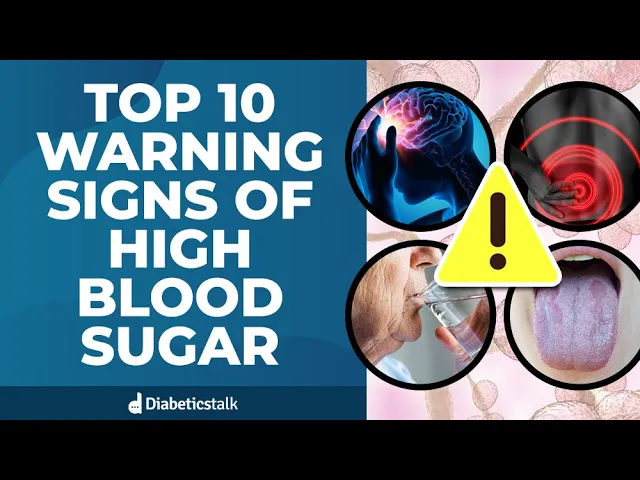
Welcome to… THE TOP 10 WARNING SIGNS OF HIGH BLOOD SUGAR So. . .
WHAT COUNTS AS HIGH BLOOD SUGAR? Having high blood sugar, a. k.
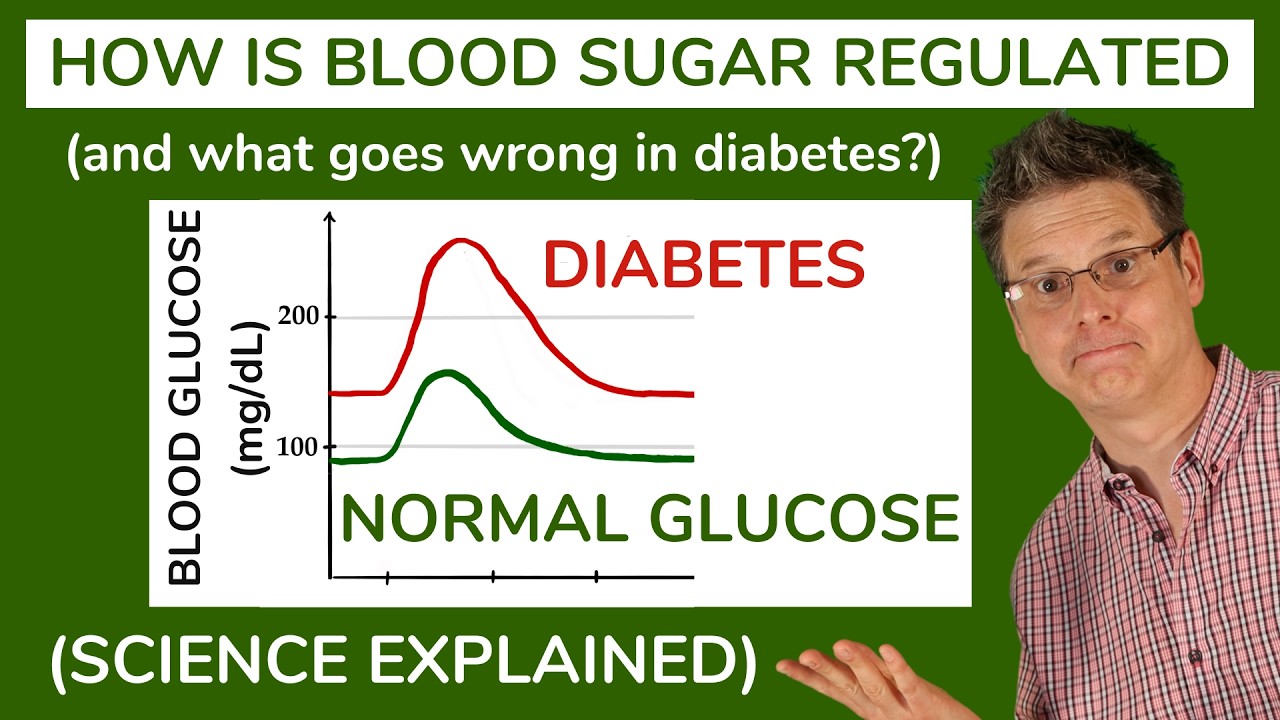
a. HYPERGLYCEMIA, is the main symptom of diabetes. The American Diabetes Association defines hyperglycemia as: - Experiencing a blood glucose reading of 126 milligrams per deciliter (mg/dl) or higher, either before a meal or after fasting.
Or… - Experiencing a blood glucose reading of 200 milligrams per deciliter or more, two hours after a meal. If you have a blood sugar reading of 100 to 125, that means you have impaired glucose tolerance, and you’d be considered PREDIABETIC. So.
. . WHAT ARE THE RISK FACTORS FOR HYPERGLYCEMIA?
Like many diseases, there are both genetic and environmental factors that can add to your risk. The good news is: you have a good amount of control, and you have the power to lower your environmental risk. Your first step should be to identify your personal risk factors, which can include.
. . * Being overweight * High blood pressure * High cholesterol * Having a history of gestational diabetes, or diabetes during pregnancy * Having a family history of diabetes and/or * Your ethnic background.
. . Certain ethnic groups are more genetically predisposed to diabetes.
If you are African American, Native American, Hispanic or Asian American, you have an increased risk for being genetically predisposed to diabetes. Now that you know the main risk factors for diabetes, it’s time to count down… THE TOP 10 HYPERGLYCEMIA WARNING SIGNS #10: Lower Body Pain 50% of diabetics experience DIABETIC NEUROPATHY, a form of nerve damage. This nerve damage is caused by long-term high blood sugar levels, and it normally happens after years of living with hyperglycemia.
You may experience tingling, numbness, or pain in your legs or feet… But it could also lead to digestive system issues, along with blood vessel and heart damage. Unfortunately, many people don’t recognize the symptoms right away, as these signs can come about slowly. Therefore, take care to monitor yourself, especially if you’re at risk.
In some cases, diabetic neuropathy could lead to severe infections and even the necessary amputation of limbs. So if you’ve recently found yourself suffering from tingling, numbness, or pain in your legs and feet, it’s best to book an appointment with your doctor as soon as possible. #9: Frequent Urination Your body can recognize hyperglycemia, and its natural reaction may be to create feelings of thirst so that you’ll drink more water.
Why? Your body wants you to urinate. .
. a lot – because this is a means for your body to rid itself of excess blood sugar. The kidneys work harder to flush all the blood sugar, but when they can’t keep up, your body will flush it out through urine.
Upon diagnosis, many type 1 diabetics have reported feeling a great need to drink an excessive amount of liquid, only to find that they’d become dehydrated. The average human goes to the bathroom 4 to 7 times within a 24 hour day. If you’re running to the bathroom over 8 times a day, it can be a sign that your body is trying to flush out extra sugar in your blood.
If you find that you are thirsty all the time, and yet are dehydrated, you should contact your doctor immediately. However, don’t freak out if you make extra trips to the bathroom. You may simply be a heavy morning coffee drinker, or perhaps you just enjoy drinking a good amount of water.
You might simply be a fan of diuretic drinks, such as lemonade or green tea. #8: Headaches and Blurred Vision Headaches can be a common problem, but a common cause can be dehydration. So a headache could be your brain’s way of telling you that you’re dehydrated, which could be your body’s way of telling you that you’re hyperglycemic.
Dehydration causes changing fluid levels, which can cause your eyes to swell and change shape. This can then cause blurry vision. .
. And in return, blurry vision can worsen your headache. If you experience regular headaches, it’s important to talk to your doctor.
Even if it’s not a symptom of high blood glucose for you, it could still be a symptom of a separate health issue. #7: Excessive Hunger and Fatigue With all this talk of the dangers of excess glucose, you might think that glucose is bad. But it’s actually the primary source of energy for your muscle cells.
However, when you become insulin resistant, your cells simply don’t have the right tools to utilize that glucose. This can leave you feeling tired and hungry because your muscles are having trouble receiving all that necessary fuel. So, like a bad joke, consuming too much simple, unhealthy carbohydrate content could lead to you eating MORE carbs.
The Mayo Clinic warns that if you find yourself overeating, but still losing weight, high blood sugar could be the secret culprit. If your body struggles to burn blood sugar efficiently, it may turn to option B: burning its own muscle and fat. As you can imagine, that creates muscle weakness.
So if you’re feeling tired and hungry on a regular basis, it could be an EARLY warning sign of type 1 or type 2 diabetes. If you’re experiencing muscle fatigue, that may mean you’ve been living with diabetes for quite a while. #6: Skin Issues When you become dehydrated, it won’t just affect the inside of your body.
It can also cause your skin to dry out, get itchy, and become easily irritated. Other skin-related diabetes warning signs include skin tags, which form where the skin creases, and ACANTHOSIS NIGRICANS, a condition where dark areas of skin grow thick at the surface. These problem areas can form on your face, the back of your hands, or underarms.
Hyperglycemia may also cause your skin to become more prone to blisters, infections, discolorations, and general irritation. We’re halfway through our Hyperglycemia Warning Signs. But before we get to numbers 5 to 1, let’s show you how to receive your two free gifts!
Get an in-depth look at the foods which help you fight diabetes. Grab our free book - “The 10 Incredible Foods That Reduce Blood Sugar. ” And learn what’s really happens inside your body after eating high sugar foods.
And Watch our free 1-hour documentary - “The Scary Truth About Sugar. ” Simply click the link in the description below to gain full access to both gifts. Alright, let’s return to the list.
. . #5: Yeast Infections Multiple recent studies have found a link between high blood sugar and vaginal yeast infections.
However, hyperglycemia can cause yeast infections on other areas of the body for both males and females. As it happens, yeast feeds on glucose. So yeast will thrive in areas where there’s extra glucose, warmth, and moisture.
Therefore, if you’re at risk, you should check any place where the skin folds. This might include between toes, underarms, or even elbows. Some typical places are also in the groin region or under the breasts.
A yeast infection causes itching, along with redness and bumpy skin. Yeast infections in the genital area can cause discharge and pain. And because a yeast infection can become raw or sore, you also run the risk of infection.
Treatment for yeast infections can be simple but the underlying problem of high blood sugar must be addressed to prevent the problem from recurring. #4: Diabetic Ketoacidosis As mentioned before, hyperglycemia can force your body to burn muscle and fat instead of glucose. Your liver then converts those muscle and fat cells into KETONES, which it releases through your urine.
This process is known as KETOACIDOSIS. Typically this warning sign is much more common for Type 1 Diabetics. The symptoms of diabetic ketoacidosis include: * Rapid heartbeat * Nausea and vomiting * Dehydration * Shortness of breath * Labored breathing or hyperventilation * Stomach pain * Fruity breath, and * Confusion Ketones can become toxic in your body and can make your blood acidic.
This is a serious state, even life-threatening. So if you find yourself experiencing these symptoms, or you find yourself going to the bathroom much more frequently than usual, you should seek medical attention immediately. #3 Slow Healing When your glucose levels have been high for a while, bruises, sores, and scrapes tend to heal much slower than normal.
High glucose levels affect blood flow to extremities and can cause nerve damage. This may lead to a reduction in blood circulation, which will delay healing time for skin damage. Consistent high blood sugar levels can also weaken your immune system, which makes it harder to fight off infections.
Small scrapes or sore skin between fingers or toes can become infected much more easily, so take care to wash regularly and check for: - Cuts or sores - Blisters - Ingrown nails - Or swelling. Any skin irritation or damage should be closely monitored and immediately treated in the case of an infection. #2: Dental Issues Did you know that diabetics tend to have more dental issues than non-diabetics?
However, recent research has shown that gum disease may raise blood sugar levels in non-diabetics as well. Scientists have suggested that some of the germs in infected gums may leak into the bloodstream after chewing your food… And even after brushing your teeth. As a result, your body will react by raising its immune system response and will release hormones that could raise your blood sugar.
This sparks a vicious cycle, as extra glucose in your saliva can feed the bacteria in your mouth, thus leading to more plaque, tooth decay, swollen gums, and cavities. Therefore, if you’re at diabetes risk, it’s very important to be vigilant about your mouth health. Brush your teeth twice a day, use mouthwash, and be sure to floss at least once a day.
Plus, try to eat more crunchy vegetables, like carrots and celery. These types of veggies are natural teeth cleaners because they stimulate the flow of saliva, which helps scrub away bacteria and food particles. #1: Excessive Thirst We’ve already mentioned urination frequency as a major warning sign for diabetes.
Naturally, excessive thirst is a connected – and early – warning sign… but it’s not always obvious. After all, humans feel thirsty for many different reasons. You may need more water after working out, or if you’re in the midst of a heatwave.
What may catch your attention is if you find yourself to be thirsty all the time, however drinking extra water isn’t satisfying your thirst. Along with constant thirst, you may get a cottonmouth, become dehydrated, and feel dizzy. As constant thirstiness is one of the most, if not the most common warning sign for hyperglycemia, especially when it comes to type 1 diabetes – you should see a doctor immediately if you find yourself unable to quench your thirst.
So. . .
Here’s what to do next if you’re experiencing any of these high blood sugar warnings signs . . .
First, don’t wait! Be watchful so that you can catch the problem early. Early diagnosis and timely treatment will improve your health and life quality – it might even save your life!
Even if you can’t find time to see your doctor, over-the-counter blood sugar test kits are available and generally inexpensive. Treatments for hyperglycemia will vary depending on the situation. You may simply need to adjust your normal diet, or your doctor may feel compelled to prescribe you pharmaceutical insulin, or other diabetes-related medicines.
At the end of the day, take care to understand what’s going on inside, and outside your body… This means noting any differences to your health, from excessive thirst to headaches, to skin irritation. So… become your own health monitor, and take immediate action if you think that you might be suffering from hyperglycemia! We hope this list was helpful - please subscribe to the channel and remember to hit the notification bell so that you can receive all our latest updates.
Plus, don’t forget to claim your two free gifts! Simply click the link in the description below. Until next time .
. . Have a healthy day!








![90% of Diabetes Would be REVERSED [If You STOP These Foods]](https://img.youtube.com/vi/qCQW9e7CrEk/maxresdefault.jpg)