When you wake up, your body is in a fasted state with increased cortisol levels. This naturally raises blood sugar through a process called the dawn phenomenon. What you eat in that first meal either amplifies or reduces this effect.
I've spent months analyzing blood sugar data from diabetics eating different breakfast foods. These aren't the typical recommendations you'll find elsewhere. The research behind these choices goes deeper than most people realize.
Let's begin with food number one. One, eggs. Eggs cause virtually zero blood sugar spike.
A whole egg contains about 0. 6 g of carbohydrates. That's nothing.
When diabetics eat two or three eggs for breakfast, their blood glucose typically rises by only 5 to 10 mg per deciliter, and that's mostly from the protein being converted to glucose through a slow process that happens over hours. Compare that to a bowl of cereal causing 60 to 80 mg per deciliter spikes in 30 minutes. But, the blood sugar impact is just the beginning.
Eggs fundamentally change how your body processes food for the rest of the day. When you eat eggs for breakfast, you're triggering hormones that improve insulin sensitivity. The mechanism starts with protein-induced satiety hormones.
Eggs are about 6 g of protein each, and when that protein hits your stomach and small intestine, it releases special hormones: peptide YY, GLP-1, and cholecystokinin. These hormones slow down how fast food leaves your stomach and signal your brain that you're full. GLP-1 is particularly important for diabetics because it's the same hormone that drugs like Ozempic mimic.
When GLP-1 levels rise naturally from eating eggs, your pancreas releases insulin in a controlled way rather than dumping it all at once. GLP-1 also blocks glucagon, which is a hormone that tells your liver to release stored glucose. By reducing glucagon, you're preventing your liver from flooding your bloodstream with sugar.
One study measured GLP-1 levels in people who ate either an egg breakfast or a bagel breakfast with the same calories. The egg group had GLP-1 levels that were 40% higher and stayed elevated for over 3 hours. The satiety effect translates to real-world calorie reduction.
Research from the University of Connecticut had overweight adults eat either an egg breakfast or a bagel breakfast for 8 weeks. Both breakfasts had identical calories, about 340. The egg group naturally ate 163 fewer calories at lunch without even trying.
They just felt less hungry. Over the 8 weeks, the egg group lost 65% more weight despite eating the same breakfast calories as the bagel group. For insulin resistance, eggs provide nutrients that directly improve how your cells respond to insulin.
Each egg contains about 147 mg of choline. Choline helps with cell membrane structure and function. Studies show that choline deficiency worsens insulin resistance and supplementation can improve glucose tolerance.
One trial had insulin-resistant adults consume 550 mg of choline daily for 12 weeks. Their insulin resistance scores improved by 22% compared to placebo. Eggs also provide leucine, an amino acid.
Leucine activates a pathway in muscle cells that promotes glucose uptake. When your muscles take up more glucose, there's less circulating in your bloodstream. A single egg contains about 538 mg of leucine.
Eating three eggs at breakfast gives you 1,600 mg, which is enough to see meaningful effects on muscle glucose uptake. The gut microbiome angle with eggs is interesting. Eggs don't contain fiber that feeds gut bacteria directly.
However, the high-quality protein in eggs reduces your overall carb intake, which shifts your gut bacterial populations. When you eat fewer carbs and more protein, you select for bacteria that are better at extracting nutrients from protein and fat rather than fermenting carbohydrates. Some research suggests this bacterial shift is associated with improved metabolic health.
There's also the sulfur content. Eggs are rich in sulfur-containing amino acids, which your body uses to produce glutathione, often called the master antioxidant. Glutathione protects cells from oxidative stress, and diabetics typically have reduced glutathione levels.
One study found that eating two eggs daily for 6 weeks increased glutathione by 12% in adults. Higher glutathione levels are linked with better insulin sensitivity and reduced inflammation. The fiber interaction with eggs comes from what you pair them with.
But, when you eat eggs with vegetables, spinach, peppers, mushrooms in an omelet, you're combining protein satisfaction with fiber that slows glucose absorption. The vegetables provide both types of fiber that slow nutrient absorption. One study compared three breakfasts: eggs alone, eggs with vegetables, and a high-carb breakfast.
The eggs with vegetables group had the lowest blood sugar rise and felt fuller longer. The glycemic index of eggs is effectively zero since they contain almost no carbs. Calories are about 70 per large egg, so a three-egg breakfast is 210 calories from eggs plus whatever you cook them in.
If you use a teaspoon of olive oil for cooking, add another 40 calories. Total, 250 calories that will keep you satisfied for 4 to 5 hours. Compare that to a 400-calorie bowl of cereal that leaves you hungry 2 hours later.
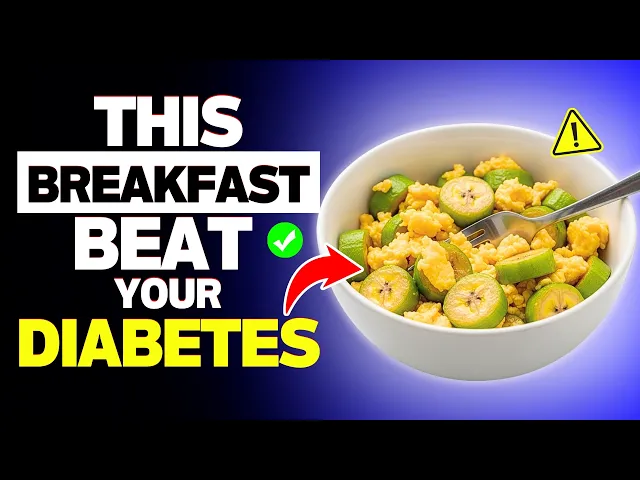
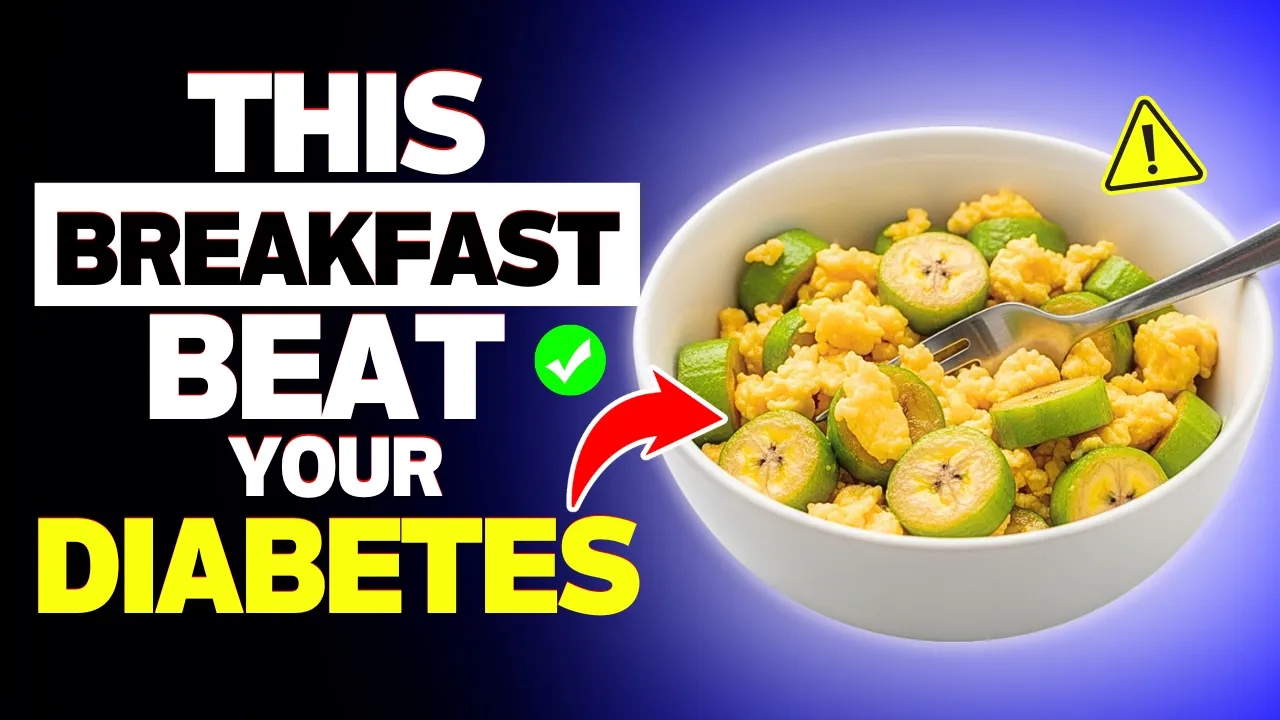
Recipe versatility with eggs is exceptional. Scrambled eggs with sauteed spinach and feta cheese. Omelets filled with vegetables and avocado.
Hard-boiled eggs as a portable option. Poached eggs over sauteed kale. Egg muffins baked with vegetables that you can make in batches and reheat throughout the week.
The key is avoiding high carb additions. Skip the toast. Don't add milk to scrambled eggs.
It dilutes the protein and adds unnecessary sugar. Use butter or olive oil instead. One preparation note.
Overcooking eggs can create inflammatory compounds. Cook eggs until just set rather than browning them extensively. Soft scrambled, over easy, or soft boiled preserves the most nutrients.
If you're making hard-boiled eggs, cook them at lower temperature for longer. Place eggs in cold water, bring to a boil, immediately remove from heat, and let sit covered for 10 to 12 minutes. This produces tender whites and creamy yolks without overcooking.
Now, here's something most people don't know. The way eggs affect your blood sugar can vary depending on your gut bacteria. Some people have bacteria that convert choline into a compound called TMAO.
High TMAO levels have been linked with cardiovascular issues in some studies, though the data is controversial. If you're concerned, eating eggs with fiber-rich vegetables helps because the fiber changes gut bacterial metabolism and may reduce TMAO production. Two, green bananas.
Green bananas operate through a completely different pathway than eggs. Yes, green bananas deliver resistant starch that your body can't digest, but your gut bacteria love. The result is big changes in gut bacteria composition and how your body handles sugar.
A green banana contains about 20 to 25 g of carbohydrates, but here's the key distinction. 15 to 20 g of that is resistant starch, not digestible sugar. Resistant starch passes through your small intestine without being broken down.
It arrives in your colon intact where bacteria ferment it producing beneficial compounds called short-chain fatty acids, primarily butyrate, propionate, and acetate. Butyrate is the key player for glucose metabolism. When gut bacteria produce butyrate from fermenting resistant starch, that butyrate gets absorbed by your colon cells and used as their primary fuel source.
But, butyrate does more than feed colon cells. It travels through your bloodstream to other tissues where it improves insulin sensitivity. The mechanism involves changing how genes are expressed in ways that enhance insulin receptor signaling and glucose uptake in muscle and liver cells.
One study had insulin-resistant adults consume 40 g of resistant starch daily for 12 weeks. That's equivalent to about two green bananas. Their insulin sensitivity improved by 25%.
Fasting blood glucose dropped by an average of 11 mg per deciliter. The researchers measured butyrate levels and found they'd increased by 60% confirming that the resistant starch was being fermented as intended. The gut bacteria mechanism goes deeper than just butyrate production.
Resistant starch selectively feeds beneficial bacteria while starving harmful ones. Good bacteria like bifidobacterium thrive on resistant starch. These bacteria produce compounds that strengthen your gut barrier.
When your gut barrier is intact, you get less leakage of bacterial fragments into your bloodstream. These fragments trigger inflammation which worsens insulin resistance. By feeding bacteria that strengthen gut barrier function, resistant starch reduces inflammation.
You'd think eating a banana would spike blood sugar since bananas are known as a high sugar fruit, but the resistant starch content changes everything. When researchers gave people green banana flour, blood sugar responses were 50% lower than with ripe bananas containing the same total grams of carbohydrate. The resistant starch doesn't raise blood sugar at all.
So, you're effectively only absorbing 5 to 10 g of digestible carbs from a green banana. Now, here's where the mineral content becomes relevant. Green bananas are exceptionally high in potassium, about 450 mg per medium banana.
Potassium helps with insulin secretion from pancreatic cells. The mechanism involves potassium channels in the cell membrane. When blood glucose rises, it triggers these channels to close, which causes the cell to release insulin.
Without adequate potassium, this process doesn't work properly. Studies have found that diabetics often have lower potassium levels than non-diabetics, and potassium supplementation can improve glucose tolerance. Magnesium is another key mineral in green bananas, about 32 mg per banana.
Magnesium is crucial for insulin receptor function. It's required for the insulin signaling process that tells cells to take up glucose. One large study following 85,000 women over 20 years found that those with highest magnesium intake had 33% lower risk of developing type 2 diabetes compared to those with lowest intake.
The role of these minerals extends to how your body processes glucose. Magnesium is needed for the enzyme that processes glucose in the first step of energy production. It's also required for enzymes in the energy making process where glucose is ultimately used for fuel.
Magnesium deficiency is linked with both decreased insulin secretion and increased insulin resistance. Potassium deficiency impairs insulin secretion and can cause glucose intolerance even in otherwise healthy people. The fact that green bananas provide both minerals while delivering resistant starch makes them uniquely beneficial.
The content mineral deficiency connection matters because many diabetics are low in these minerals. Certain diabetes medications, particularly water pills used for blood pressure control, cause increased loss of both potassium and magnesium through urine. Metformin can reduce magnesium absorption.
High blood sugar itself increases urinary magnesium loss. So, diabetics have both higher needs for these minerals and increased losses. Carbs and timing are critical with green bananas.
The 20 to 25 g of total carbs sound high, but remember that 15 to 20 g are resistant starch. Your net digestible carbs are only 5 to 10 g, similar to eating a cup of berries. However, as the banana ripens, resistant starch converts to simple sugars.
A yellow banana with brown spots might have only 2 to 3 g of resistant starch and 20 plus g of sugar. This is why the greenness matters enormously. Timing-wise, green bananas work well at breakfast alongside protein and fat.
The small amount of digestible carbs won't spike blood sugar significantly and the resistant starch gets fermented throughout the day producing butyrate that improves insulin sensitivity for your later meals. Some research suggests eating resistant starch at breakfast improves glucose response to lunch through what's called a second meal effect. Seasonal availability of green bananas is year-round since they're grown in tropical regions.
The key is buying them at the right ripeness. You want bananas that are quite green, firm to the touch with no yellow coloring. They should be almost hard.
If you buy yellow bananas and refrigerate them, the ripening process slows but doesn't stop. The resistant starch continues converting to sugar even in the cold, just more slowly. One preparation method, slice green bananas and dehydrate them to make chips.
The dehydration process preserves resistant starch content. You can also cook green bananas, boiling, steaming, or baking. And the resistant starch remains largely intact as long as you don't overcook to mushiness.
Green banana flour is available in health food stores and can be added to smoothies. It provides concentrated resistant starch, about 15 g per 1/4 cup.