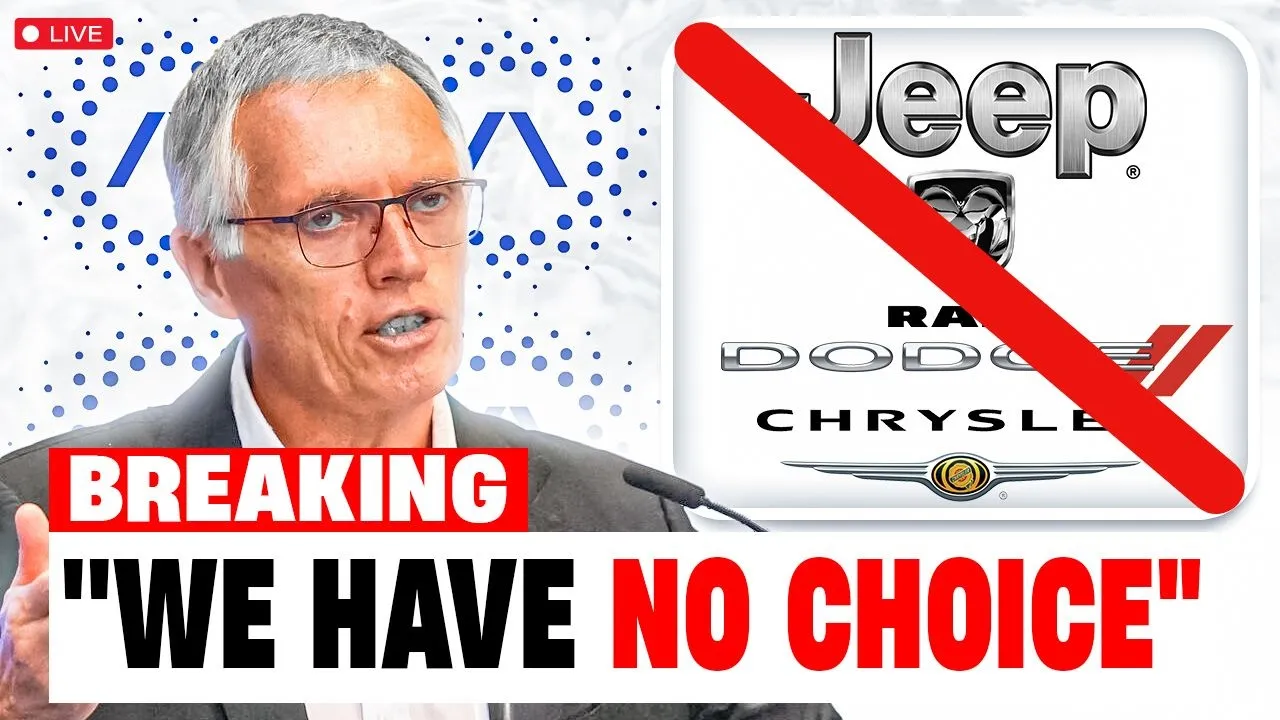
The situation at Stellantis is, I think, the technical term, a mess. You know, we have seen a real collapse of sales. Uh, their global earnings, which are heavily dependent on North America, were down about 48% for the first half.
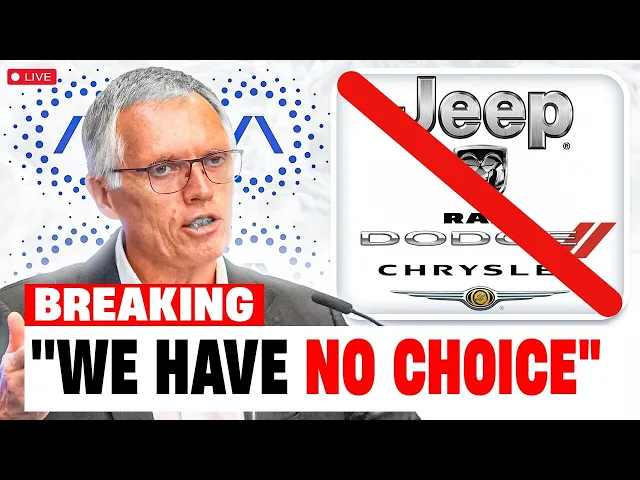
Dodge, Jeep, Ram, and Chrysler are under serious pressure right now—seriously, it might even be the end. But that is not all; the challenges they're facing have sparked big worries about what lies ahead for the entire industry. Sure, these are Stellantis brands that have been struggling with internal conflict, too, and they are known for making what seems like all the wrong decisions.
But this is bigger than just simple mistakes. So, what's going on? You see, what's happening to Stellantis is part of a larger trend in the market, and we, the customers, are the ones that are going to pay for it.
The worst part? It might be too late to save this situation because this has been going on since the pandemic. Overall, new car sales are still lagging behind pre-pandemic levels.
That's right; even as the world bounces back, the automotive sector hasn't completely recovered its momentum, and Stellantis is feeling the pinch more than most. Why is this such a big deal? Well, the figures are sobering: sales for Stellantis brands have plummeted, and I mean dramatically.
In just the last five years, Jeep, Dodge, and Chrysler have experienced a jaw-dropping 39% drop in sales. And if you think that's bad, wait until you hear about Dodge's performance: their sales have nosedived by a whopping 67% since hitting their peak back in 2013. Jeep isn't faring much better either; it's down 44% from its heyday in 2018, selling only 64,929 vehicles in 2023.
Can you believe that? That's the lowest number they've seen in over a decade. It's hard to ignore the ramifications of these sales struggles.
Dealerships are feeling the pressure as consumers turn their attention toward more appealing options. The excitement around new vehicle launches is dwindling, leaving potential buyers feeling less than inspired. And let's talk inventory: Stellantis has found itself sitting on a mountain of unsold vehicles—like, really substantial.
As of March 2024, reports show that they had 1. 4 million new vehicles just chilling in inventory, and that's a big problem. So, what's causing this buildup?
For starters, there were production adjustments made after facing supply chain constraints. Initially, they cranked up production to build up inventory, but as demand started to shift and sales tapered off, they ended up with way too many cars that are now proving hard to sell. Adding to the inventory headache, many of the vehicles are aging models.
They're outdated and simply don't vibe with what today's consumers want, especially in competitive niches like midsize SUVs. As a result, Stellantis brands are showing some pretty high days' supply numbers; essentially, cars are sitting on dealer lots longer than what's typical for the industry. You might be wondering how they landed in this mess.
Well, it's a blend of some miscalculated strategies, shifting market dynamics, and frankly, a lack of robust support from the manufacturer. So, let's break it down and see how Stellantis got here. The Stellantis National Dealer Council is sounding the alarm bells, and they're pointing fingers directly at CEO Carlos Tavares.
Their main beef? They're calling his short-term decision-making a major culprit behind the hit to both market share and dealer revenues. Seriously, it's a big concern.
But why exactly? In a letter dated September 10, 2024, the Dealer Council didn't hold back; it clearly states that Tavares' strategies seem more focused on quick financial wins rather than long-lasting growth. Sure, his method might have given profits a little boost—enough to fatten his paycheck substantially—but dealers are crying foul.
They argue that this short-sighted thinking is wreaking havoc on brand value and market share. The council is warning that this path could lead to disaster, and spoiler alert, they believe we're already seeing those predictions come to life. What's worse is that dealers are feeling increasingly isolated as they tackle these mounting challenges—all without the support they desperately need from Stellantis.
The council specifically took aim at the company's recent moves to slash marketing budgets and tweak compensation policies—adjustments they claim are hammering dealer profitability. As a result, many dealers are stuck with a glut of unsold vehicles cluttering their lots, which is a quick recipe for financial strain and frustration brewing across the dealer network. Now, let's talk consequences.
The council emphasized that Tavares' cost-cutting plans, though aimed at profit improvement, are actually backfiring. For example, connecting dealer compensation to vehicle shipments instead of actual sales means many dealers are left high and dry financially. That's not all; layoffs and plant closures are only adding fuel to the fire of worries surrounding the long-term stability of Stellantis operations in North America.
Now, you might be wondering what's really going on behind the scenes. Well, let's dive into it. Their main obstacles come down to three fundamental challenges.
Let me break it down for you: the shift away from traditional engines. Let's kick things off with a shift away from traditional engines. The engine replacement controversy is real, folks.
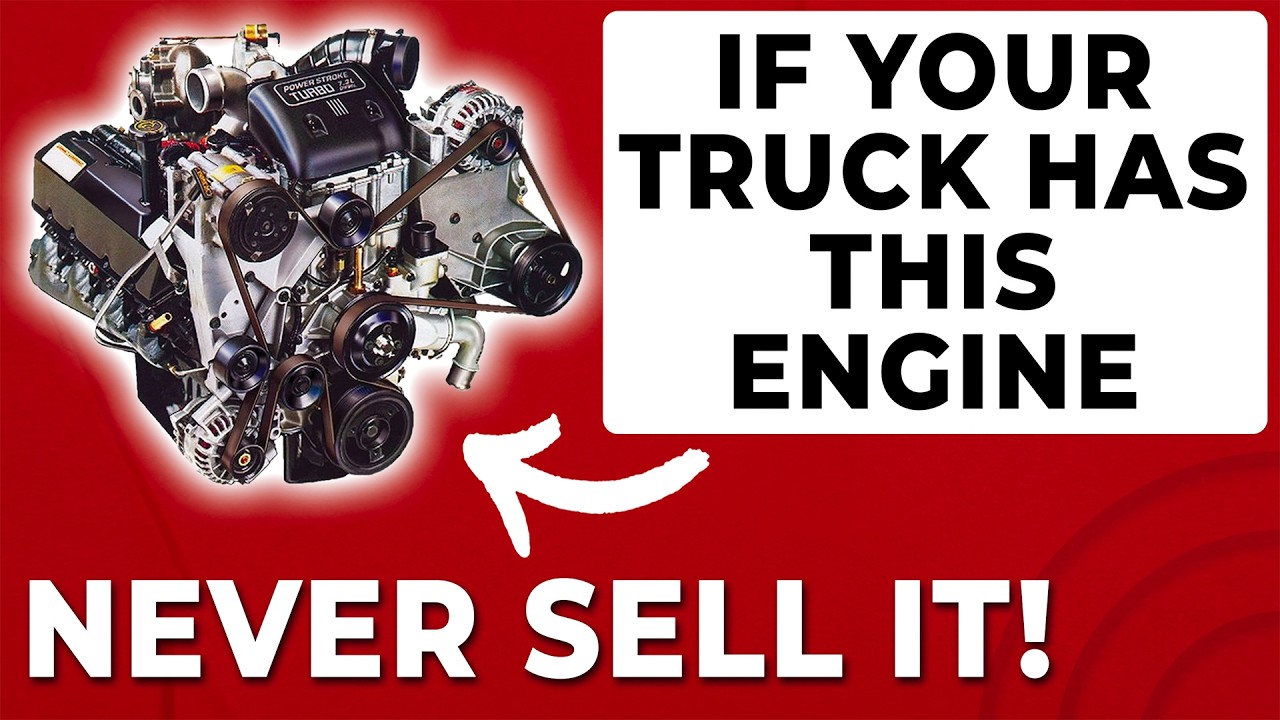
Stellantis has thrown a curveball by introducing the Hurricane twin-turbo inline-six engine, which is stepping in to replace the beloved traditional V8 engines in several models. This new engine is touted to deliver better fuel economy and lower emissions while striving to keep power levels on par with those V8s. Sounds good, right?
But hold your horses; it's drawn some major criticism from both dealers and consumers alike. Let's talk about consumer preferences: longtime fans of Dodge and Ram, those who've loved the power and performance of their V8 engines, are feeling skeptical about this switch to turbocharged six-cylinder engines. There's a lingering worry that these changes might just dampen the driving experience that dedicated customers have come to expect.
Expect from these iconic brands. After all, when you think Dodge or Ram, you think of muscle and power. Then we have the market reception: the new hurricane engine isn't just a random update; it's part of Stellantis' broader plan to boost fuel efficiency and slash carbon emissions under their initiative.
But here's the catch: acceptance of this shift among consumers is still a question mark, especially in a market that holds traditional engine performance dear. Will people embrace the new tech, or will they cling to the nostalgia of roaring V8s? And now we get into the performance versus efficiency debate.
The hurricane engine is designed to strike a balance; it features two low-inertia turbochargers for quick throttle response and advanced fuel injection systems for maximum efficiency. But wait! Despite these snazzy advancements, there are critics out there who argue that this transition could alienate a segment of buyers who are all about that traditional V8 experience.
This disconnect really hit sales hard as potential buyers compared their options against competitors still offering those robust, powerful V8s. Ineffective incentive strategies mean Stellantis is falling behind the competition when it comes to adjusting its incentive spending, and that's a big deal. While other automakers are out there ramping up their discounts and financing deals to get those sales moving, Stellantis has been sticking to limited promotional efforts.
This has put their dealers at a serious disadvantage, leaving them feeling a bit stranded in a tough market. Now, let's talk about the pressure on those dealers. They're really feeling the heat.
Financial strain is mounting as they grapple with unsellable inventory that's stacking up high, combined with the lack of solid support from the manufacturer. It's a perfect storm of challenges. Many dealers are reporting that the costs associated with holding all that unsold stock are overwhelming, threatening to lead them into some pretty significant losses.
Imagine the stress of watching your inventory just sit there collecting dust. On top of that, there's a growing chorus calling for increased support from Stellantis. The National Dealer Council isn't pulling any punches here; they're urging Stellantis to step up its incentive programs.
Why? To help clear out that excess inventory and give dealers a fighting chance in this challenging landscape. If Stellantis doesn't rev up its incentive offerings, dealers are worried that unsold vehicles will continue to pile up, and their profitability could take another hit.
It's a precarious situation, and it's clear that something has to change to help these dealers get back on solid ground. Rising prices amid low sales: what does that really mean for Stellantis? Let's dive into the nitty-gritty.
With sales figures sliding down the slippery slope—particularly for Jeep, which saw a 9% drop, and Ram facing a staggering 20% decline—the company has decided to up vehicle prices. The idea behind this move: keep those profit margins intact even as demand shrinks. But hold on, because this strategy might be backfiring in a big way.
So what's the fallout? Affordability concerns are hitting hard. Higher prices are scaring away potential buyers, especially in today's market where people are tightening their wallets thanks to rising interest rates and a cloud of economic uncertainty.
Consumers are becoming picky about where they spend their hard-earned cash. Who wants to shell out more for a car that might not live up to its promises for performance or features? Now let's take a closer look at the inventory challenges thrown into the mix.
The combination of these rising prices and those pesky low sales numbers has resulted in a massive inventory buildup. As of March 2024, Stellantis reported a jaw-dropping 1. 4 million vehicles sitting pretty in inventory, and that's a whole lot more than what's typically expected in the industry.
This excess inventory complicates things even further, as dealers are now battling to sell vehicles that not only risk becoming outdated but are also tagged with prices that many shoppers are simply unwilling to pay. Think about it: dealers are left holding the bag, struggling to move cars off the lot that just aren't aligning with what buyers want right now. With prices going up and sales tanking, it's a recipe for disaster that no one wants to see.
So can Stellantis pivot quickly enough to regain traction, or are they steering themselves into a bigger mess? What's your take on this pricing strategy? Now let me tell you about each of these cars; let's dissect them together.
Chrysler is navigating some choppy waters right now, with a significant decline that stems from a seriously limited vehicle portfolio and mounting challenges in staying competitive in the ever-evolving automotive market. Can you believe that the brand's lineup has shrunk down to just two models: the Chrysler 300 sedan and the Pacifica minivan? This alarming trend raises some major red flags about the future viability of Chrysler.
First off, let's talk about that limited vehicle lineup. The current selection from Chrysler is downright alarming, consisting solely of the 300 and Pacifica. I mean, seriously, that lack of diversity doesn't just limit consumer choice; it also puts Chrysler at a severe disadvantage against rivals who are flaunting a much broader range of vehicles.
We're talking about the increasingly popular SUVs and crossovers that seem to be taking over the market. The automotive landscape has shifted dramatically, and now traditional sedans like the Chrysler 300 are struggling to remain relevant. Sure, the Pacifica is still holding its own in the minivan segment, but the sales numbers just don't cut it to keep the entire brand afloat on its own.
Now let's unpack the pricing situation, because it's becoming a talking point among consumers. Chrysler's remaining models are starting to feel a little overpriced compared to competitors. Take the Pacifica, for instance.
While it's well-regarded for its family-friendly design and features, many folks are looking at alternatives like the Honda Odyssey and Toyota. Sienna, which are often seen as more reasonably priced, this pricing strategy is making it super tough for Chrysler to attract those budget-conscious consumers who have plenty of options out there at more palatable price points. On the back end of things, we're seeing a concerning trend: a dismissal of revitalization suggestions within the company.
Reports indicate that attempts to breathe new life into the Chrysler brand have been brushed aside by Stellantis management. This hints at a troubling lack of strategic vision for the road ahead. Industry analysts and insiders are buzzing about various ways to rejuvenate Chrysler's offerings, from jumping into electric vehicles to rolling out new models that align with today's consumer preferences.
Stellantis CEO Carlos Tavares has come out and stated that brand strategy decisions will revolve around performance metrics instead of emotional attachments to legacy brands. While this pragmatic approach might have its merits, it raises some serious concerns over Chrysler's long-term prospects, especially as it competes for resources among a large portfolio that includes multiple brands. What does this mean for Chrysler's competitive edge?
The combination of a slim product lineup and high prices is seriously chipping away at its market position in an increasingly crowded automotive marketplace. As consumers lean toward brands that offer more diverse and affordable options, Chrysler risks fading into the background. Looking ahead, the current trajectory suggests that without some substantial changes, Chrysler could face even further declines in both sales and market relevance.
Moving forward, analysts are speculating that if Stellantis continues to neglect Chrysler's potential for revitalization, we might see this brand becoming a candidate for discontinuation altogether. Ram Trucks: The pricing and model offerings for Ram trucks have become a real conundrum for consumers, especially with the discontinuation of popular models and the rising prices tied to more advanced technological options. Let's unravel this current situation regarding Ram truck pricing and what it means for buyers in today's market.
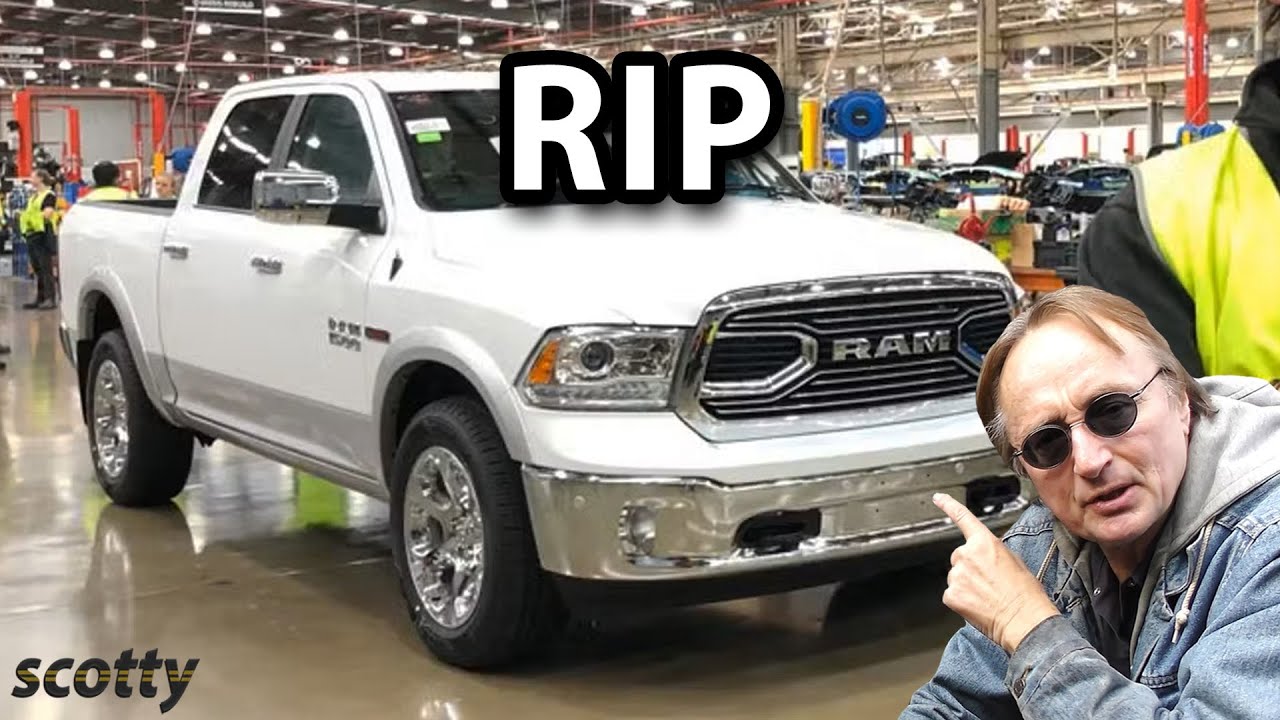
Starting off with the discontinuation of models, the Ram 1500 classic has been pulled from the lineup, and that's a game changer. This truck was the go-to entry-level option for many shoppers looking for a reliable pickup without breaking the bank. Now, with this model gone, buyers are greeted with a higher starting price for the base 2025 Ram 1500, which kicks off at $42,270.
That's a jump from the $4,700 price tag of the classic. This shift has effectively taken away a budget-friendly option for those eager to drive off in a new Ram. Now let's address the impact on affordability.
The absence of the Ram 1500 classic has sparked serious concerns about overall affordability in the Ram lineup. With those new higher starting prices for models, combined with the lack of lower-cost alternatives, budget-conscious consumers are left feeling squeezed. As a result, many potential buyers might find themselves exploring competitor brands that offer more wallet-friendly entry-level models.
It's like a domino effect that could turn them away from Ram altogether. Moving on to rising prices for new models, you'll notice that the latest offerings in the Ram lineup, especially the 2025 Ram 1500, come loaded with fancy tech and features that promise to level up performance and comfort. Just take the introduction of the Hurricane engine family, for example.
This powerhouse includes a twin-turbo inline 6 engine to replace those traditional V8s, boasting improved fuel efficiency and powerful output, but the catch? All this innovation is driving up the price tags across the board. Let's break down the pricing overview: the cost of various trims for the 2025 Ram 1500 starts around $42,270 for the base Tradesman model, but that's just the beginning.
High-end trims, like the luxurious tungsten model, can soar to about $89,700, and then there's the Ram 1500 TRX, the ultimate performance machine, starting at an eye-watering $98,335. That's a lot of cash for a truck. Now how are consumers reacting to all these changes?
As prices rise alongside declining sales, evidenced by a troubling 20% drop in Ram sales, buyers are definitely feeling the financial pressure. Many are now hesitant to plunk down their money on higher-priced vehicles, particularly with economic uncertainties looming over their heads, like inflation and rising interest rates. This hesitation can significantly dent purchasing decisions, leading prospective buyers to either delay their purchases or scout for alternatives that may deliver better value.
Now let's throw some market competition into the mix. While Ram is hiking up its prices, competitors like Ford and Chevrolet are still playing the game smartly, offering their models at enticingly competitive starting prices. For instance, you can snag a Ford F-150 starting at just $38,900.
With price tags like that waving in the wind, it's no wonder buyers might be swayed to check out these alternatives instead of sticking with Ram. So what does this all mean for Ram's pricing strategy? Well, with their vehicles becoming pricier and fewer affordable options available, they might inadvertently be nudging potential buyers right out the door.
This scenario is turning into a numbers game, and losing out on sales can seriously shake up how Ram positions itself in this fiercely competitive market. Jeep Wrangler: These rising prices, combined with the growing availability of used Jeep Wranglers, are starting to put Jeep's competitive edge in the market at risk. Let's dig deeper into this evolving landscape.
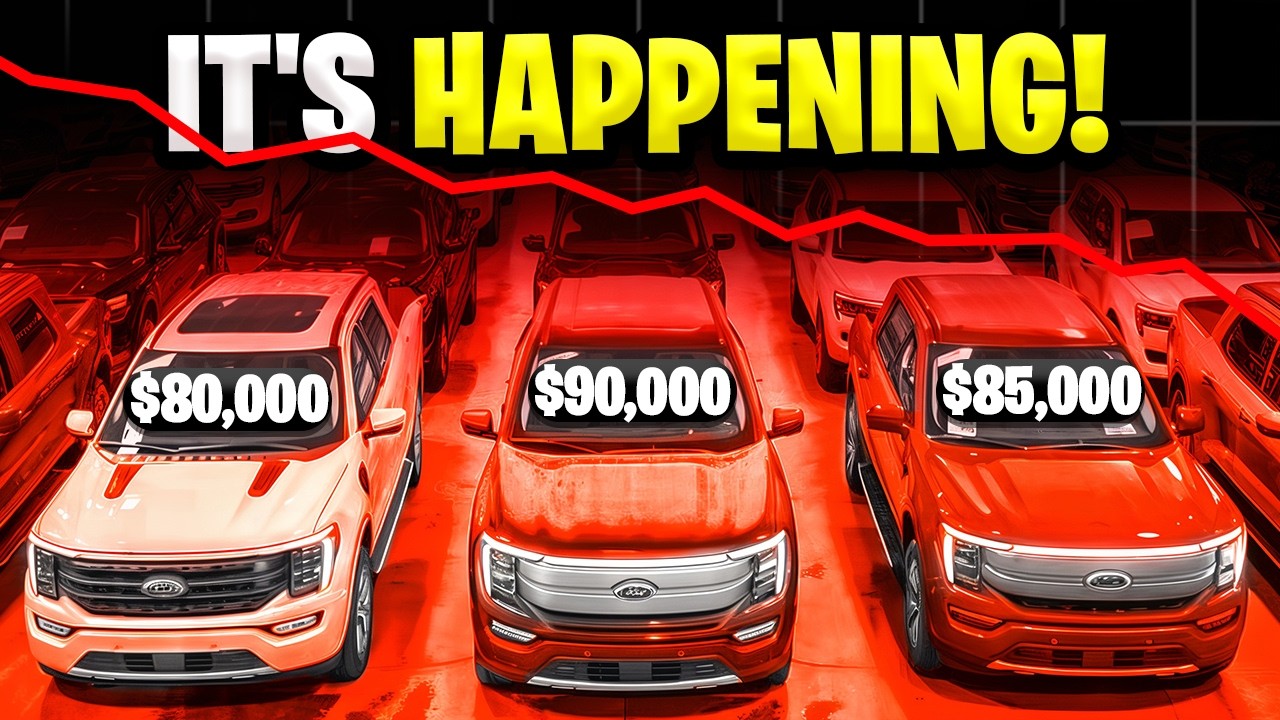
We've got some jaw-dropping price hikes to talk about. In recent months, the cost of new Jeep Wranglers has surged dramatically. Take the 2024 Jeep Wrangler Rubicon, for example; prices for this beast can soar over $85,000.
Some configurations, when you start adding in all those sweet features and upgrades, are nudging close to an eye-watering $100,000. So what's driving these skyrocketing costs? Well, there are a couple of main factors at play here.
First off, the newer models are loaded with advanced technology and features that are all about enhancing performance and safety. Sure, these upgrades. .
. Make for a better driving experience, but they also jack up the price quite a bit. Then, there are the market dynamics to consider.
The automotive landscape has been dealing with overall price increases due to inflation and ongoing supply chain issues that are affecting production costs. As manufacturers adjust to these economic pressures, it's consumers who ultimately feel the pinch through higher vehicle prices. Now, how are potential buyers reacting to all these significant price increases?
Well, it turns out that many are starting to question whether shelling out for a brand new Wrangler is a justified investment at these elevated prices, especially when they can look across the market and find similar alternatives from competitors that are more budget-friendly. Switching gears, let's talk about the growing appeal of used Jeep Wranglers as cost-effective alternatives. With new Jeep prices spiraling upward, many savvy consumers are exploring the used market as a more attractive option.
Prices for used Jeep Wranglers can run the gamut; some older models can be snagged for as low as $3,999, while nearly new versions, like the 2021 Wrangler Unlimited Rubicon, can go for around $63,900. Plus, the used market is bursting with a variety of trims and configurations, allowing consumers to pick and choose exactly what features matter most to them, be it off-road capabilities or everyday usability. Let's not forget the critical financial considerations.
Choosing a used Jeep Wrangler can dramatically lighten the financial load for buyers. As the prices for new models climb higher, many consumers find that opting for a used vehicle allows them to enjoy similar features and performance without stretching their budgets too thin. Now, what's the impact of all this on Jeep's competitive edge?
Well, those rising prices are starting to affect Jeep's position in the automotive marketplace. As potential buyers weigh their options, they might be tempted to check out other brands that have comparable offerings at more attractive price points. Competition is heating up, especially with brands like Ford and Toyota stepping up to provide strong alternatives in the SUV game, often at lower starting prices.
If Jeep can't effectively tackle the concerns surrounding affordability, they might see a dip in sales that could hurt them in the long run. Last but not least, Dodge is in a bit of a pickle these days, grappling with some serious challenges around its inventory and product strategy that's causing ripples in its market performance and relationship with dealers. The root of the issue?
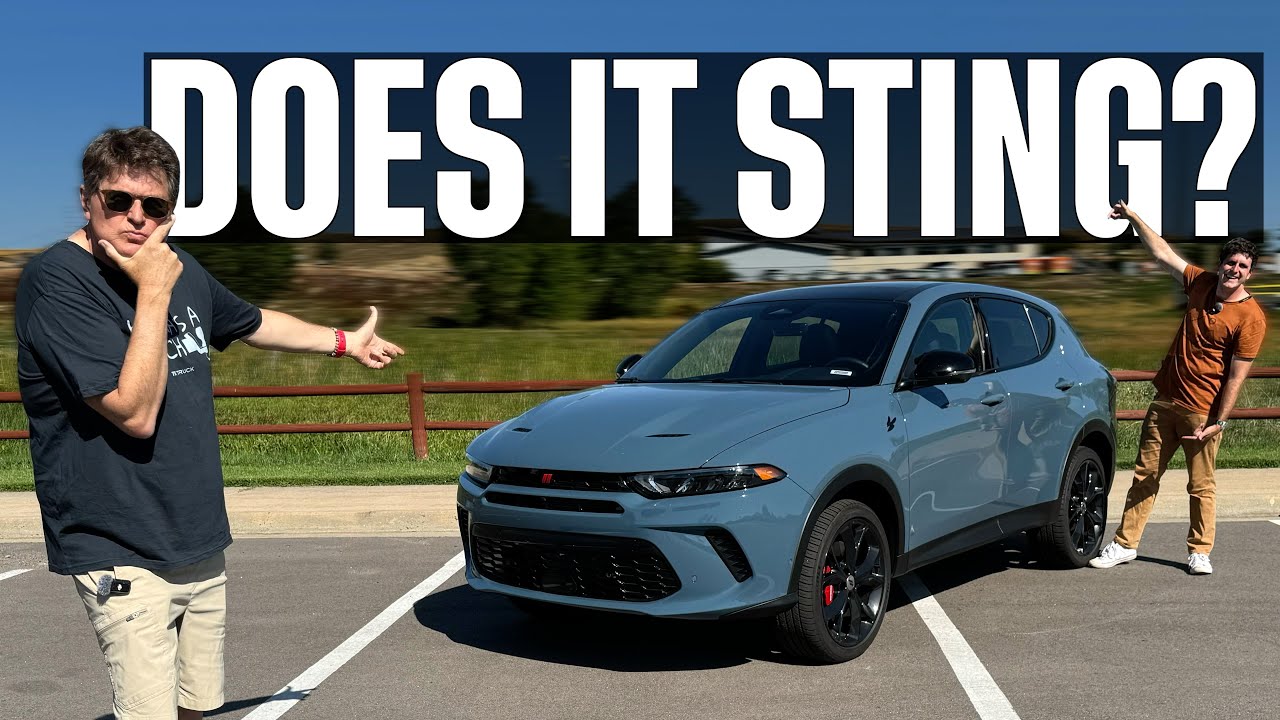
Well, it’s a lot. Just look at the excessive inventory; we've got a big problem on our hands. The Dodge Hornet—this little ride has turned into one of the least popular vehicles on the automotive market, and it's not hard to see why.
As of June 2024, there was a jaw-dropping 550 days' supply of Hornets sitting on dealer lots, suggesting that they're just not flying off the shelves anytime soon. Compounding this issue is the fierce competition in the compact SUV segment. Shoppers have a smorgasbord of alternatives that could offer more bang for their buck.
Looking at the market performance, the sales figures scream disconnect, with only around 1,283 units sold in the last 45 days. It's clear that there's a significant gap between what Dodge is offering and what consumers actually want. Dealers are now left with a mountain of unsold vehicles, which puts a heavy financial burden on them as they rack up costs just by holding on to inventory that nobody seems eager to buy.
On top of all this, Dodge is on a path toward electrification, and let’s be real—it’s a mixed bag of reactions from both consumers and dealers. They’ve announced plans to swap traditional favorites like the Charger and Challenger for electrified versions like the Dodge Charger Daytona SRT. While this move is in line with industry trends focused on sustainability, it hasn't exactly won over the loyal fan base that loves those roaring engines.
When it comes to consumer sentiment, many die-hard Dodge fans are feeling uneasy about this electrification shift. The power and performance that made these muscle cars legendary just don't translate the same way into these newer electrified models. There's a lingering worry that these changes may not provide the raw thrill and driving experience that enthusiasts have come to expect, leaving them feeling disappointed.
Let’s not forget about the customer demand for traditional models. Despite the clear appetite for classic muscle cars, it feels like Dodge's current strategy is completely overlooking this segment. They've discontinued iconic favorites without offering proper replacements, leaving many loyal customers feeling tossed aside like forgotten toys.
Dealers are voicing their concerns loud and clear regarding Dodge's product strategy; they're feeling the pinch, unable to meet customer needs due to a lack of desirable inventory. This disconnect is leading to declining sales and growing dissatisfaction among dealers, who feel like they're juggling a losing game with corporate strategies that just don't resonate with what's happening in the real world of sales and consumer preferences. But what's your thoughts on this?
What do you think about the current state of these iconic brands? Let us know in the comments. Thanks for watching; I will see you on the next video.