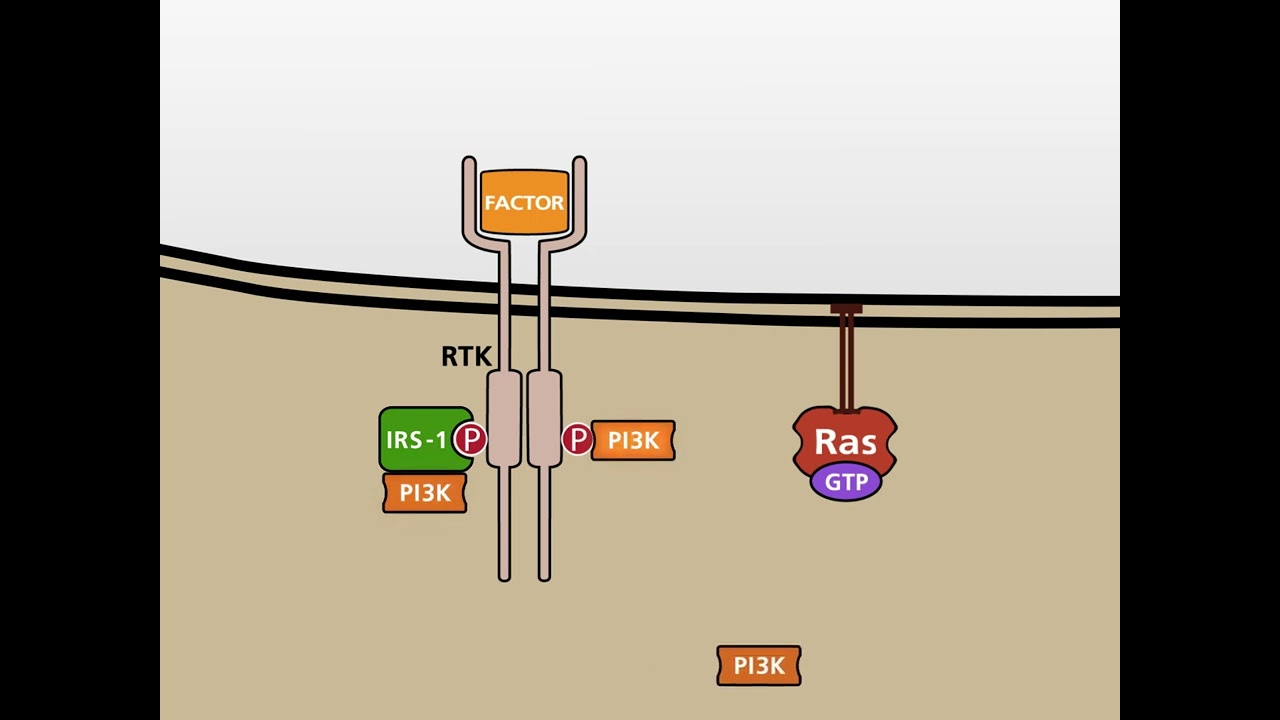
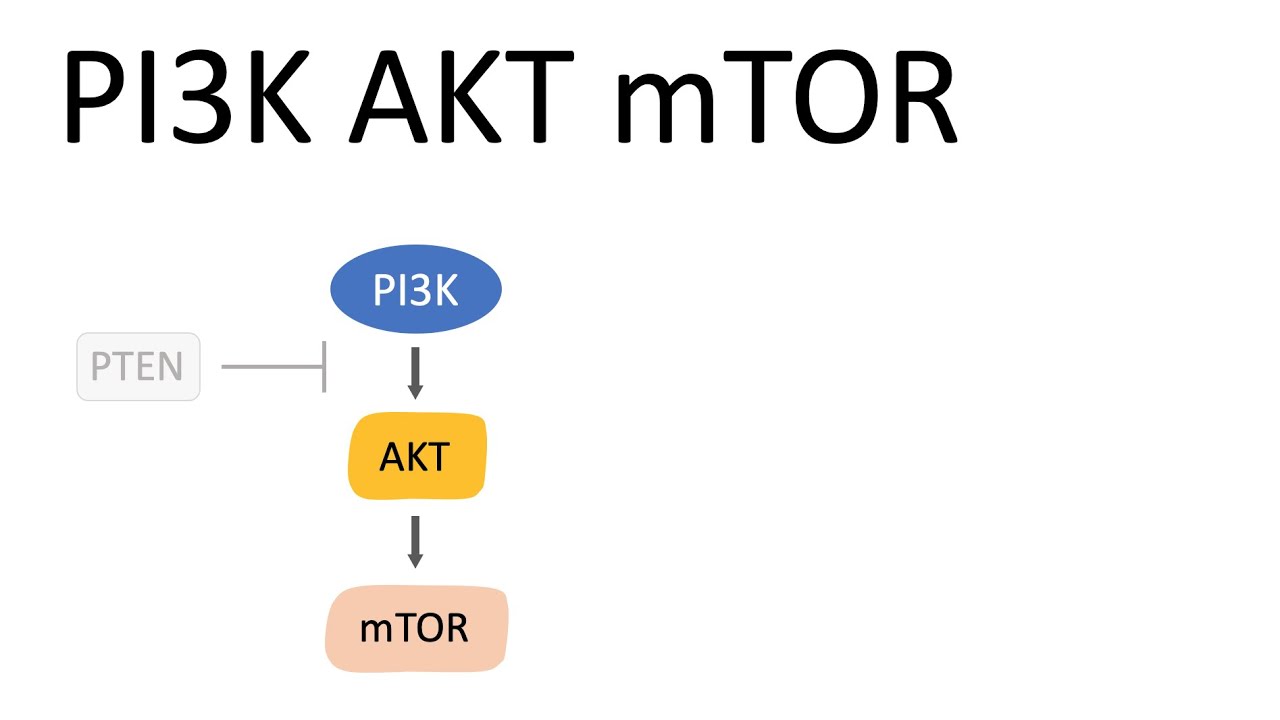
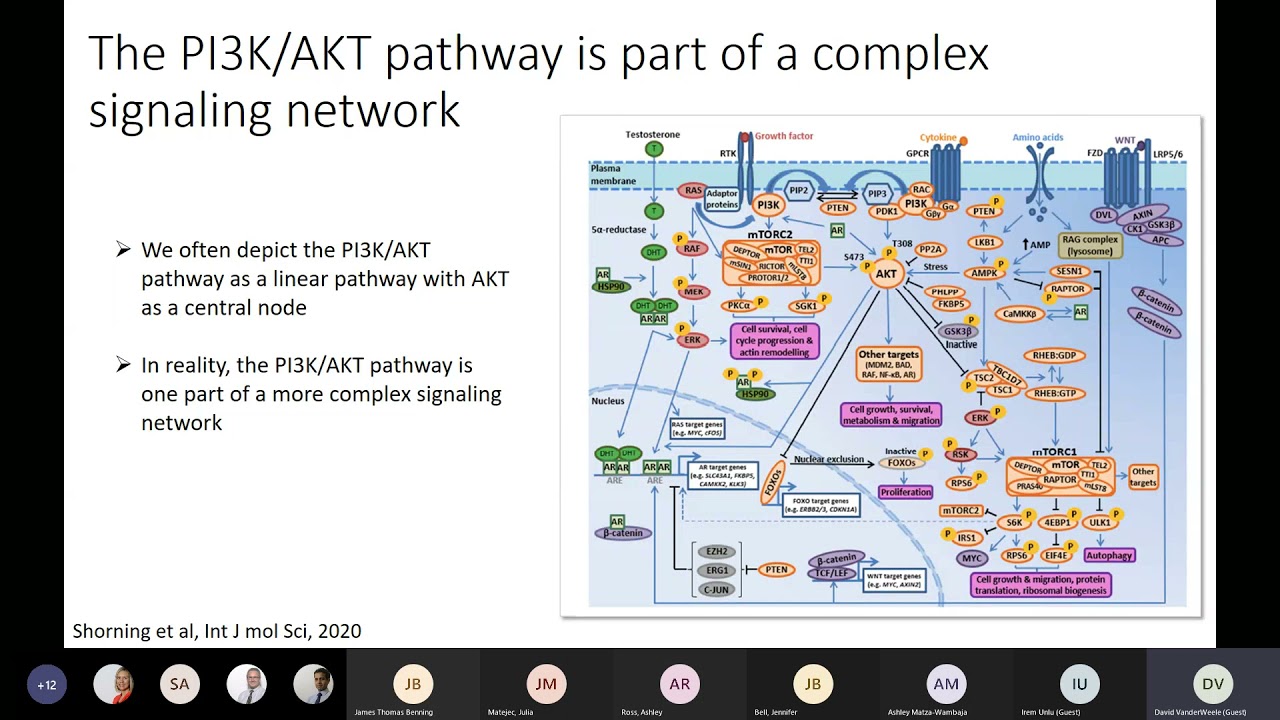
the pi3k ACT signaling pathway the pi3k ACT signaling pathway consists of many activators Inhibitors affectors and second messengers because of its many loops and branches the pathway is very complex and far from understood here only the most important circuits will be presented in a simplified way activation of pi3 kise the pi3k ACT pathway starts with the activation of phosphoinositol 3 or pi3 kyes this activation can be accomplished via three different Pathways two Pathways begin with the activation of a receptor belonging to the family of receptor tyrosine kyes by an extracellular growth factor binding of the
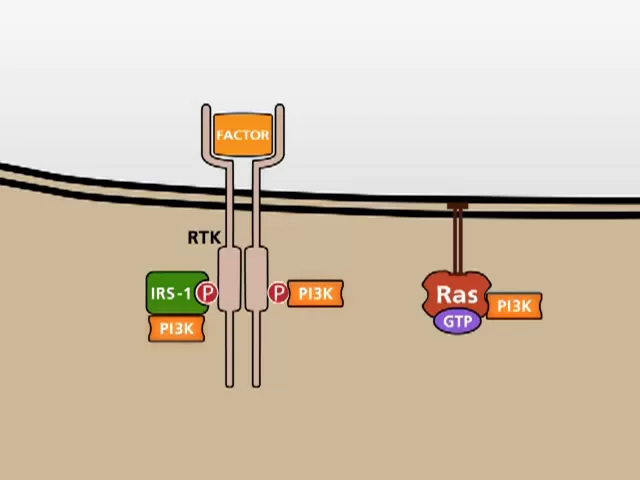
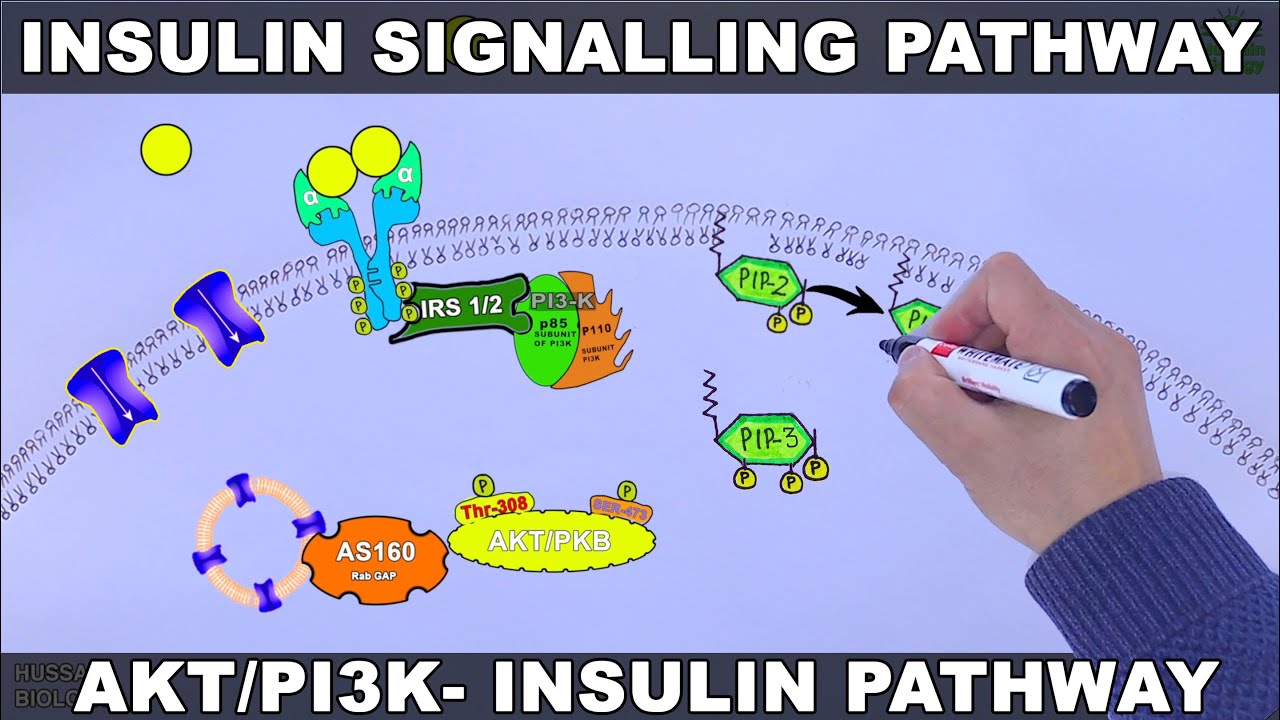
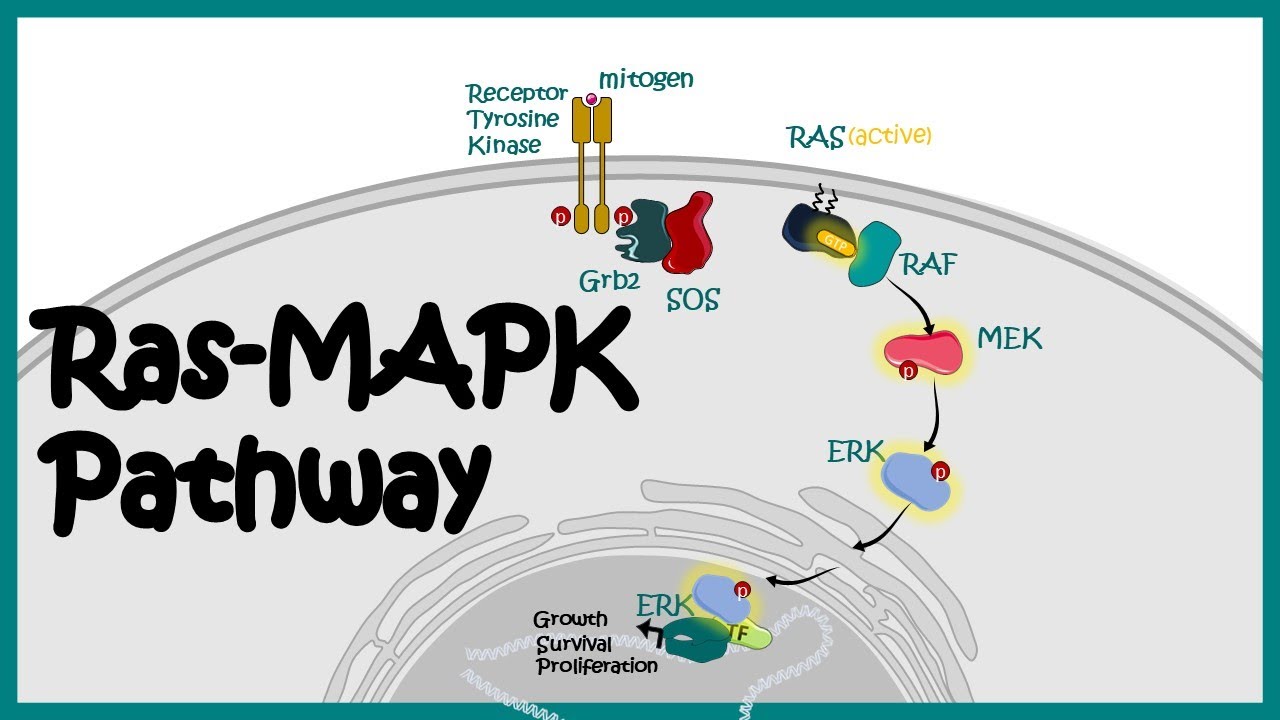
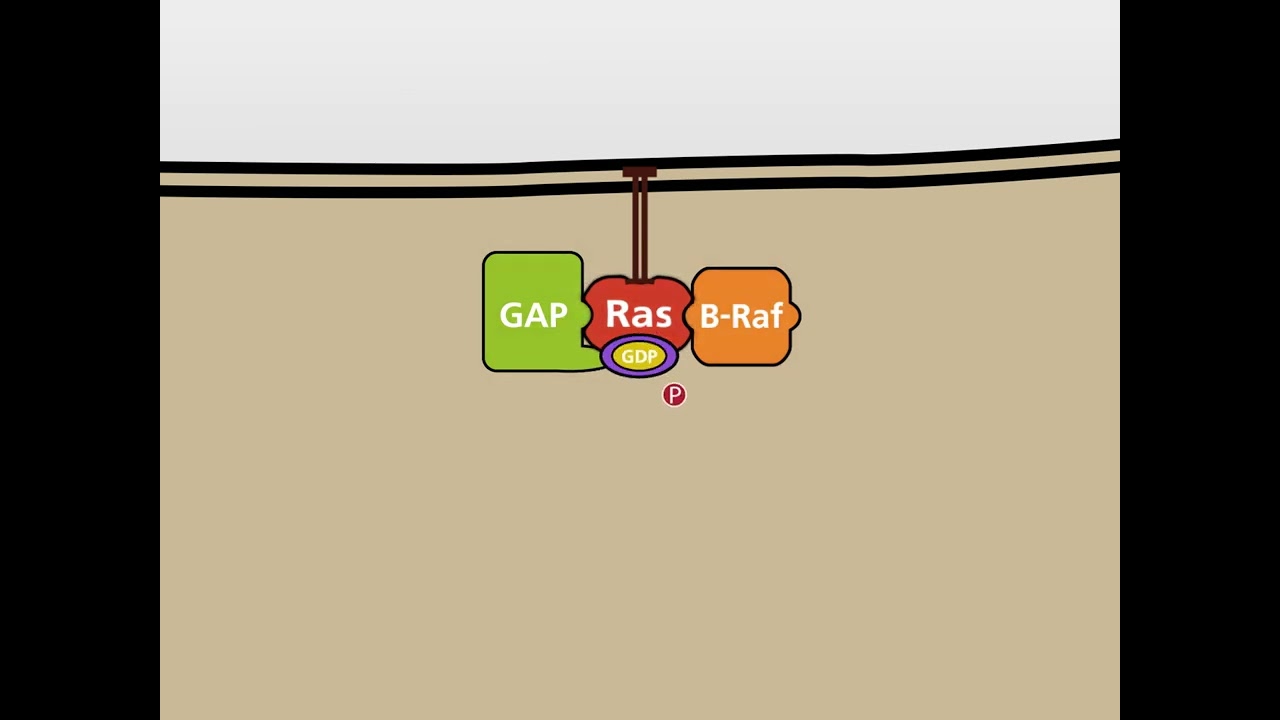
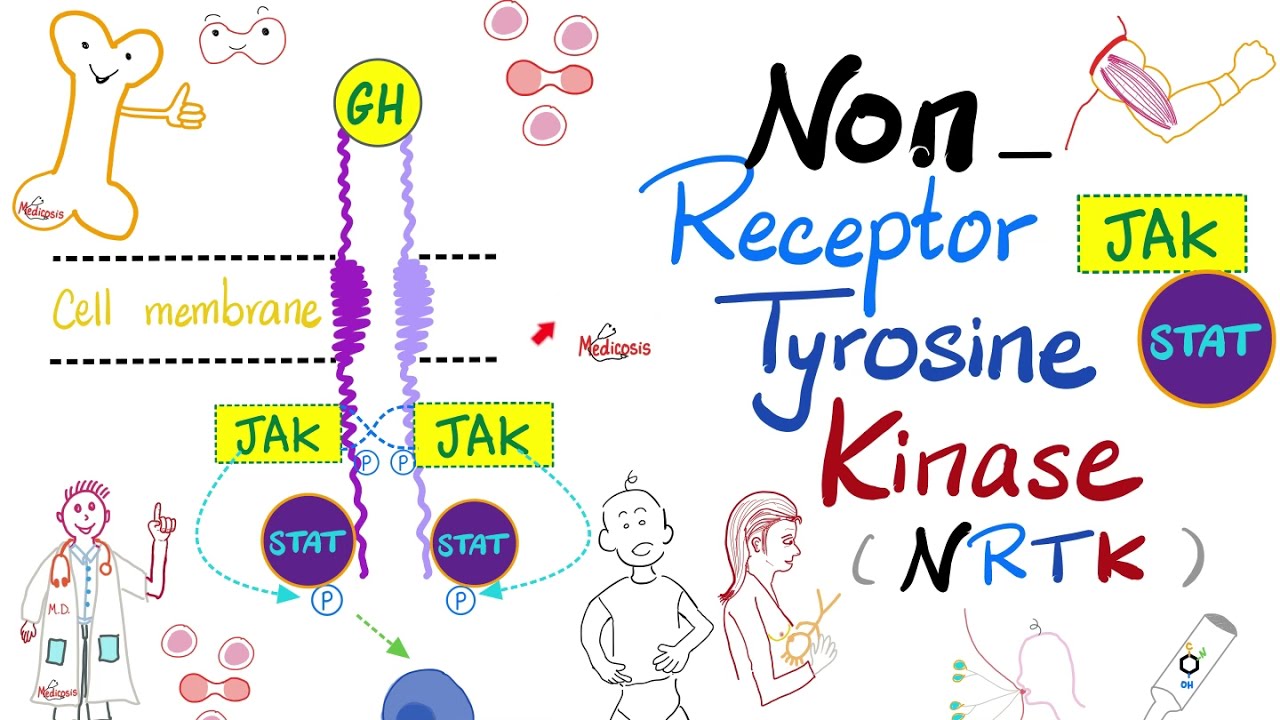
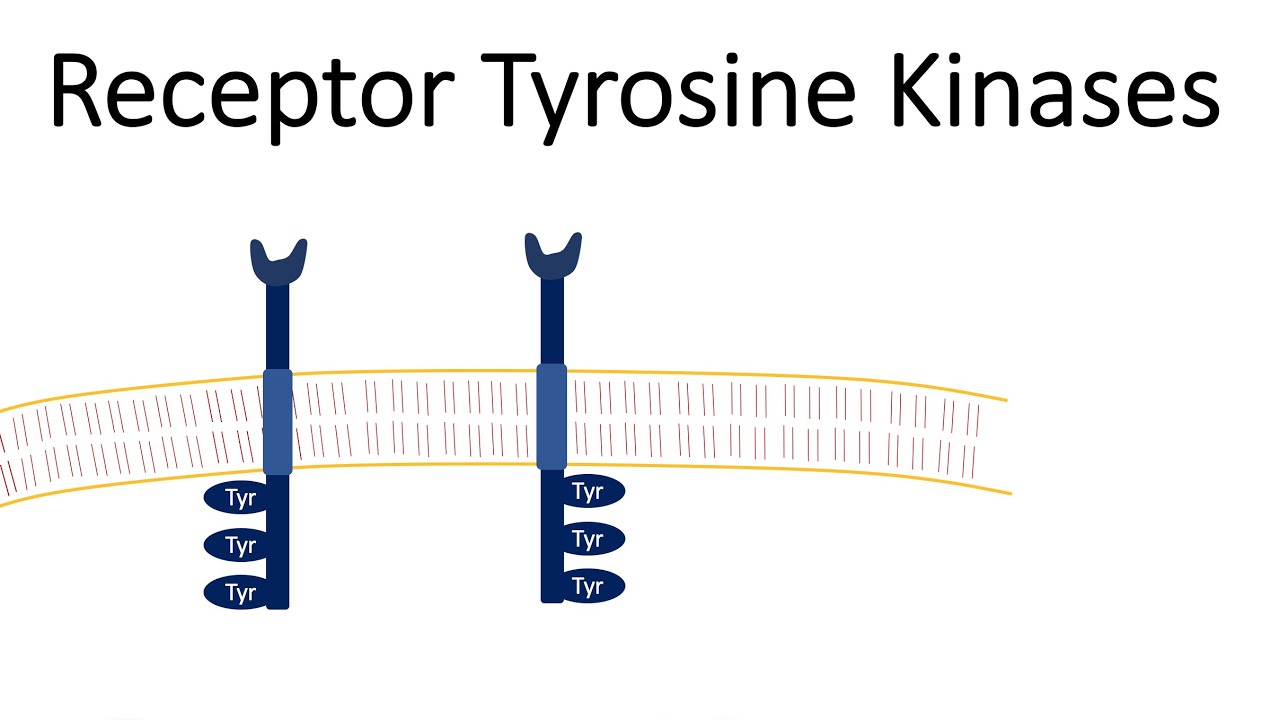
factor leads to the dimerization of the receptor monomers and the heterologous auto phosphorilation of the monomers depending on the receptor different proteins May bind to a phosphorated domain the insulin receptor substrate 1 or irs1 binds to the activated igf1 receptor for simplification this receptor is depicted as a Diemer receptor bound irs1 serves as a binding and activation site for the pi3 kinas in addition pi3 kyes May bind directly to a phosphorated receptor tyrosine kinas a completely different mechanism of pi3 kinas activation begins with the small membrane bound GTP Raz by binding to active GTP bound
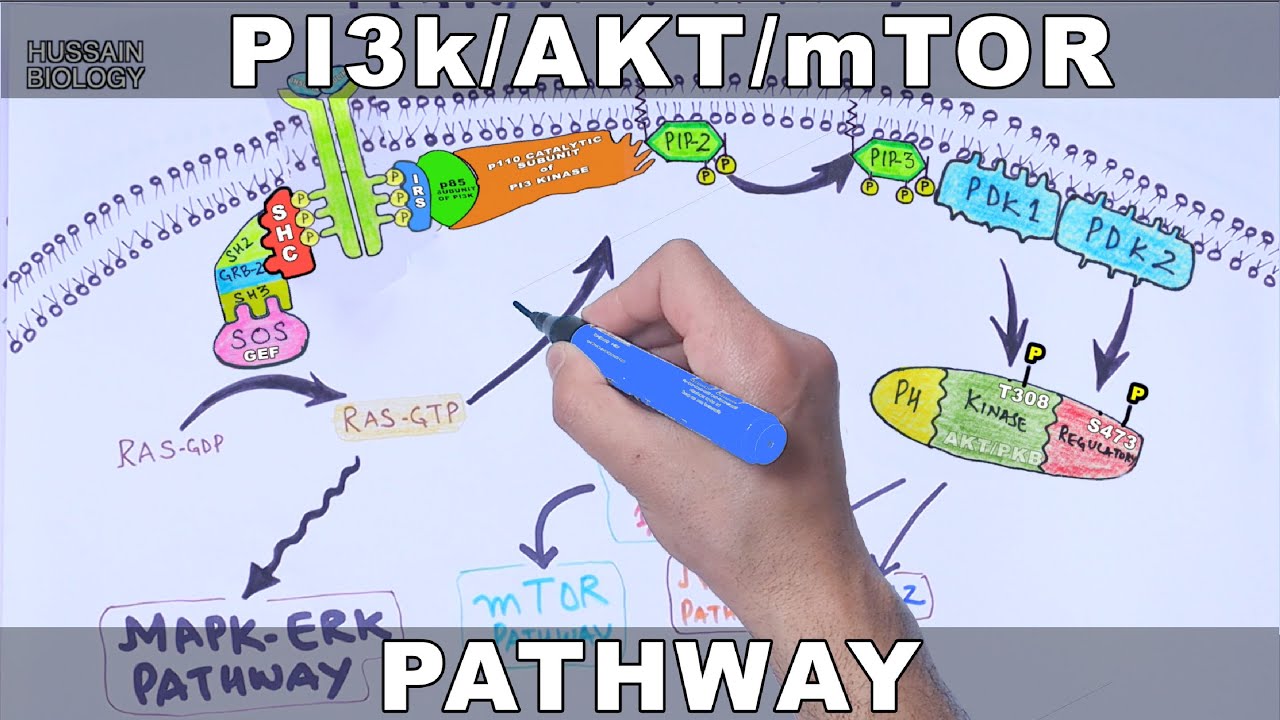
Raz pi3 kyes is activated formation of the second messenger phosphoinositol 345 trisphosphate pip 3 and activation of act at the second level of the pathway the second messenger phosphoinositol 345 trisphosphate or pip 3 is formed this leads to the activation of the Serene threonine kyes act the active pi3 kyese migrates to the inner side of the cell membrane and binds to phospho Tidal lenol 4 bis phosphate or pip 2 which is a regular component of the membrane and is anchored by its two fatty acids in the lipid layer of the membrane pi3 kise is able
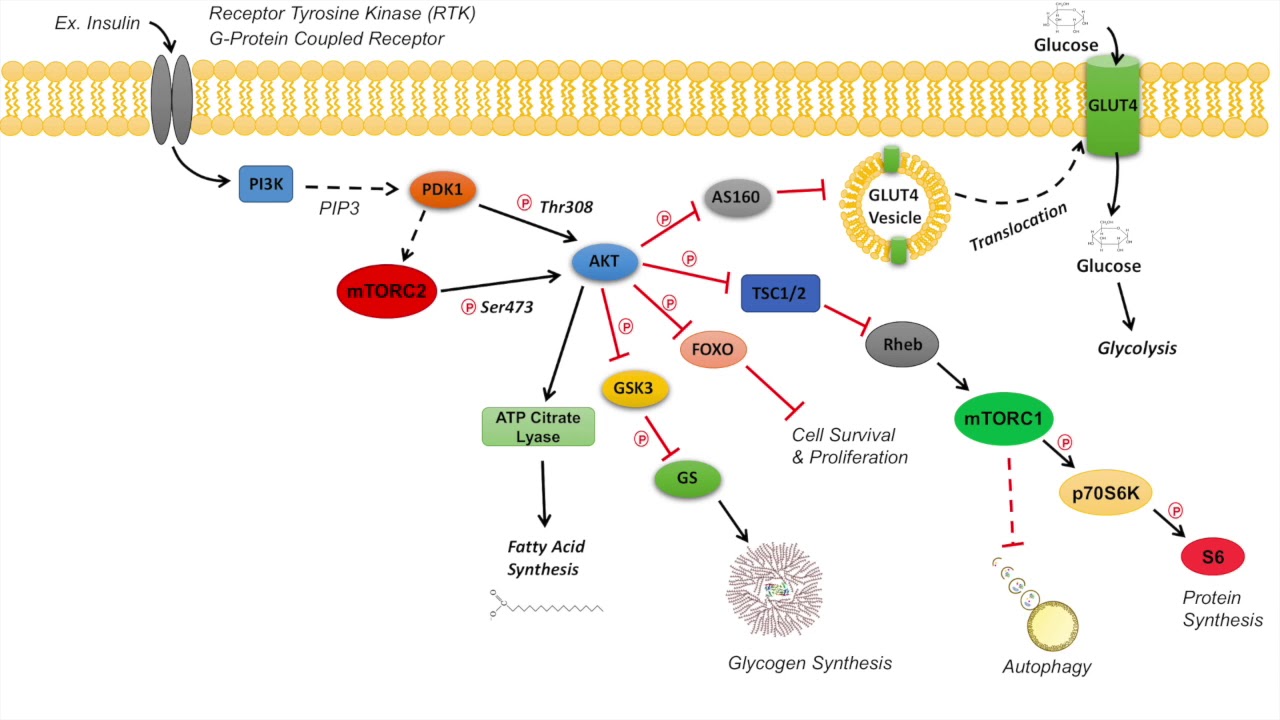
to phosphorate pip 2 to pip 3 pip 3 can activate the kise ACT which is also called protein kyes B and was named after its homologous protein in the retrovirus act 8 Downstream effects of act act a serin threonine kyes activated by pip 3 is a Proto unco protein with many substrates and effects here only three effects will be exemplified the best known effect is the inhibition of apoptosis programmed cell death act binds to backs and hinders its ability to form holes in the outer mitochondrial membrane in the absence of act these holes lead to
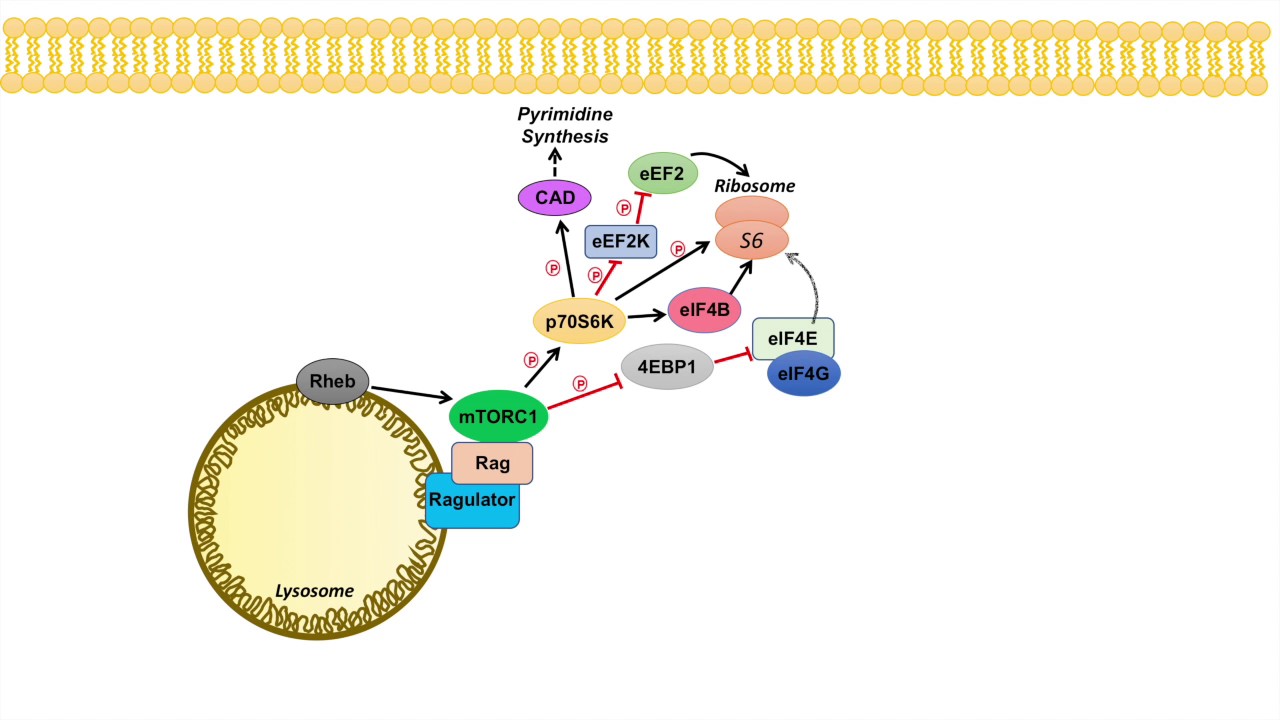
apoptosis via the Casp Cascade another important eff of Act is the activation of protein synthesis or translation this effect is performed via a multi-step protein Cascade the Cascade begins with the activation of the protein Reb which activates mtor mtor itself interacts with and activates the translation Factor s6k by binding to the large subunit of ribosomes s6k activates the translation of mRNA into protein in addition act May lower the concentration of the protein foxo by phosphor foxo phosphorilated foxo is a substrate of the enzyme ubiquitin ligase which transfers ubiqutin peptides onto the protein these peptides are
symbolized by small black dots subsequently ubiquitinated foxo is destroyed by a complex of proteases the so-called proteosome in this way act prevents the tumor suppressor protein foxo from inhibiting proliferation