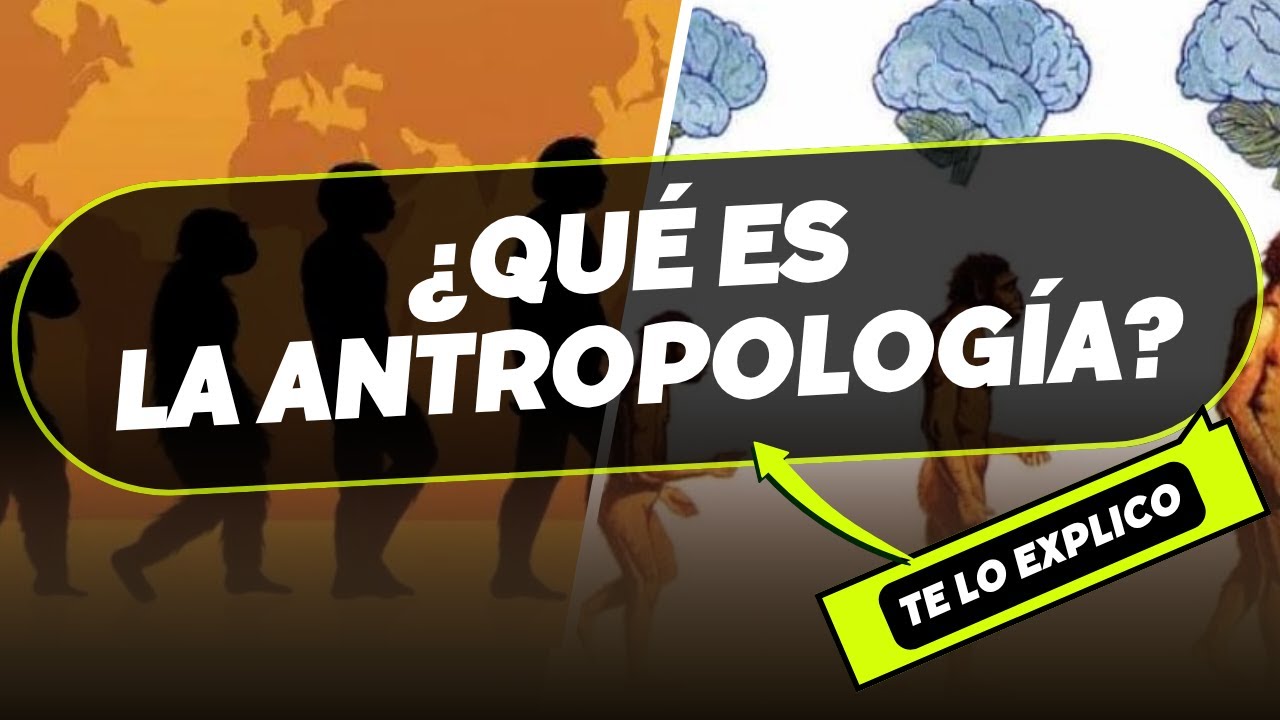
Hello, how are you today? I will explain to you what anthropology is that studies what the main branches are, its importance and some examples of daily life where anthropology is present and you had not realized it, let's start what anthropology is, the word anthropology comes from the term Greek anthropos which means man and logos treatise or study therefore as a whole it can be said that it is the science that studies man although we have a common characteristic among all the inhabitants of the planet and that we are human each civilization is different and anthropology seeks to study these differences from different points of view such as physical, cultural, linguistic characteristics and archaeological works, it commonly needs to rely on other sciences such as sociology, psychology , but also biology to carry out its analysis, this means that it needs branches of the social sciences and the natural sciences therefore it is considered to be a discipline iplina that unites both types of knowledge but let's delve a little deeper that studies anthropology anthropology focuses on studying the changes that the human species has undergone over time what is known as the evolution of the human race compare the physical characteristics of the man in prehistory to our times is also interested in knowing how language emerged as a means of communication between different civilizations as well as on the diversity of sociocultural manifestations branches of anthropology biological anthropology is also known as physical anthropology focuses on study the adaptations of man to different environments that diseases have attacked man from ancient times to these times and the differences in evolution with respect to other species cultural anthropology is also known as technology or sociocultural anthropology this branch of anthropology seeks to understand how have organized the di different civilizations according to their environment, their context, thoughts, customs, what is the difference between one and the other and what characteristics give rise to those differences in thoughts, way of interacting, dressing, eating and living and linguistic anthropology, linguistic anthropology focuses its study on the importance of communication and language for human development and civilizations is interested in knowing how the different words, languages or forms of communication have emerged and the evolution or changes that this has undergone over time archeology this branch of anthropology seeks study human culture through its works, that is, everything that man has created since ancient times, from an object or a tool to the construction of houses, works of art, documents, all creation of man involves an idiosyncrasy of each civilization and archeology tries to recognize those characteristics that identify a civilization ation thanks to their works or objects in which they have occurred over time and that for this reason have been able to be studied starting from the works of man, it is possible to intuit what life was like in that civilization to which it was dedicated as well as it also allows studying the changes that Over time, this civilization has expressed the importance of anthropology. Anthropology is such an important discipline that it is considered an integral science capable of studying the human being from a holistic perspective.
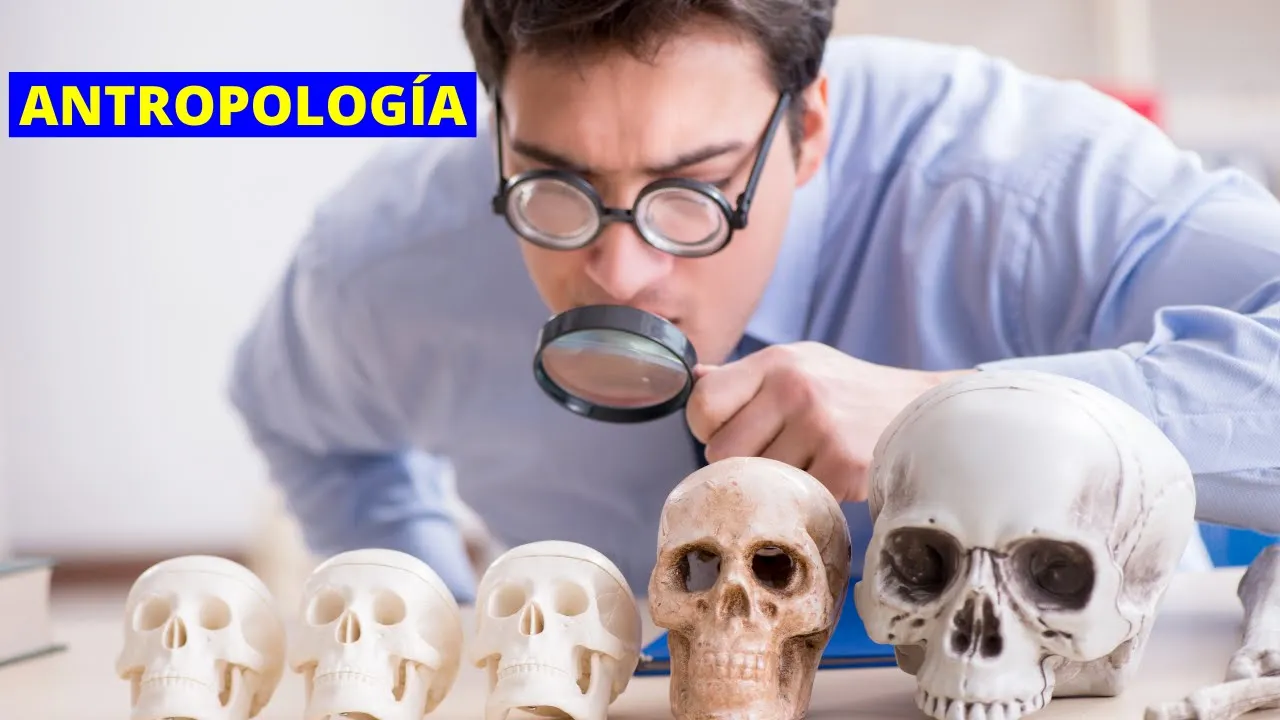
For anthropology, it is so important to know why some individuals have a larger skull. big and bulky than another how to know everything concerning the objects found in the tombs of the pharaohs what meaning these objects had for it what is the reason that they were included in the funeral what are the beliefs that all these finds contain all that and much Anthropology explains it more , however anthropology not only focuses on the past, it also studies the present. Ultimately, anthropology, like other disciplines, tries to get to know the human being in depth, only from a more complex and holistic vision examples of anthropology in daily life example 1 when fossils of people who lived centuries ago are discovered, their characteristics are studied physical characteristics and through certain techniques it is possible to know how long ago he lived how old he was when he died what was the cause of death among other things also the characteristics of his skeleton can be compared with the shape and size of an individual today being able to see the possible evolutionary changes of the human being in the form of his forces all this represents an anthropological study examples number 2 mind the archaeologist zahi hawass has made a new discovery in saqqara very close to cairo nothing more and nothing less than he found the remains of the temple funerary of queen nara wife of the first pharaoh of the sixth dynasty better known as a technician there and They found countless archaeological pieces, including sarcophagi from more than three thousand years ago, without a doubt this finding in the 21st century is very important for forensic anthropologists and archaeologists because with it they will be able to further analyze the history of this area and the civilization of that time when the adoration by the king of you was evidenced example 3 when we found out that new words have been included in the Spanish royal academy these inclusions are due to words that have arisen as a result of the influence of new realities that are appearing such is the case of the technological era that attract endless new words such as emoticons or anger to refer to the dolls that are used in social networks or trolling when you say inappropriate things to hinder a conversation and so on are changes that are emerging in the word of society obeying certain influencing factors these changes are also objects of study of anthropology linguistics example 4 even genetic material is an element of anthropology study in this case of biological anthropology or more specifically molecular anthropology since genetic information contains a lot of information that can contain interesting ancestral data also changes can occur in this called genomic variations In short, the genomic analysis of individuals from various populations is a good tool to learn more about the evolution of human populations.