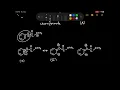
this question had appeared in JW means 2018. phenol reacts with methyl chloroformate in the presence of NaOH to form product a reacts with br2 to form product B we have to identify A and B respectively so there are four options being given let's write down the reaction in words phenol is reacting with methyl chloroformate in the presence of sodium hydroxide to give product a and product a reacts with bromine to give product P we have to identify a and b let's draw the structure of in all this is the structure of phenol then let's take
methyl chloroformate formic acid is H C double bond o single Bond o h it's methyl so here we put a methyl chlorophormate so here we put a CL Bond CL this is known as methyl chloro formate in the presence of sodium hydroxide we can remove this hydrogen along with this chlorine so that we get the formation of compound here which is our compound a let's draw this compound a double Bondo then we have a single Bond o ch3 I have simply bounded this oxygen is over here then c o o c h three is bonded
onto the oxygen atom so that we get the formation of this compound a now let's check the options see the first one is out of question because your o h is there still there so we can be having either B or C even option D is out of question now we have to Simply identify where bromine is going to attack this is the meta position meta position or at the para position now normally the attack takes place at the positions where we are having high electron density so let's find out where we can be having
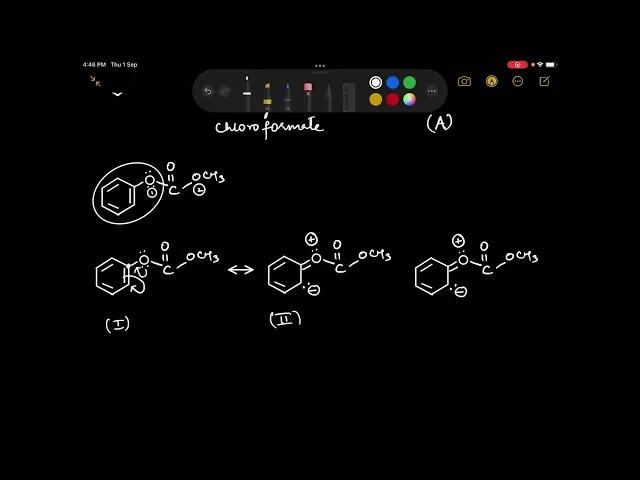
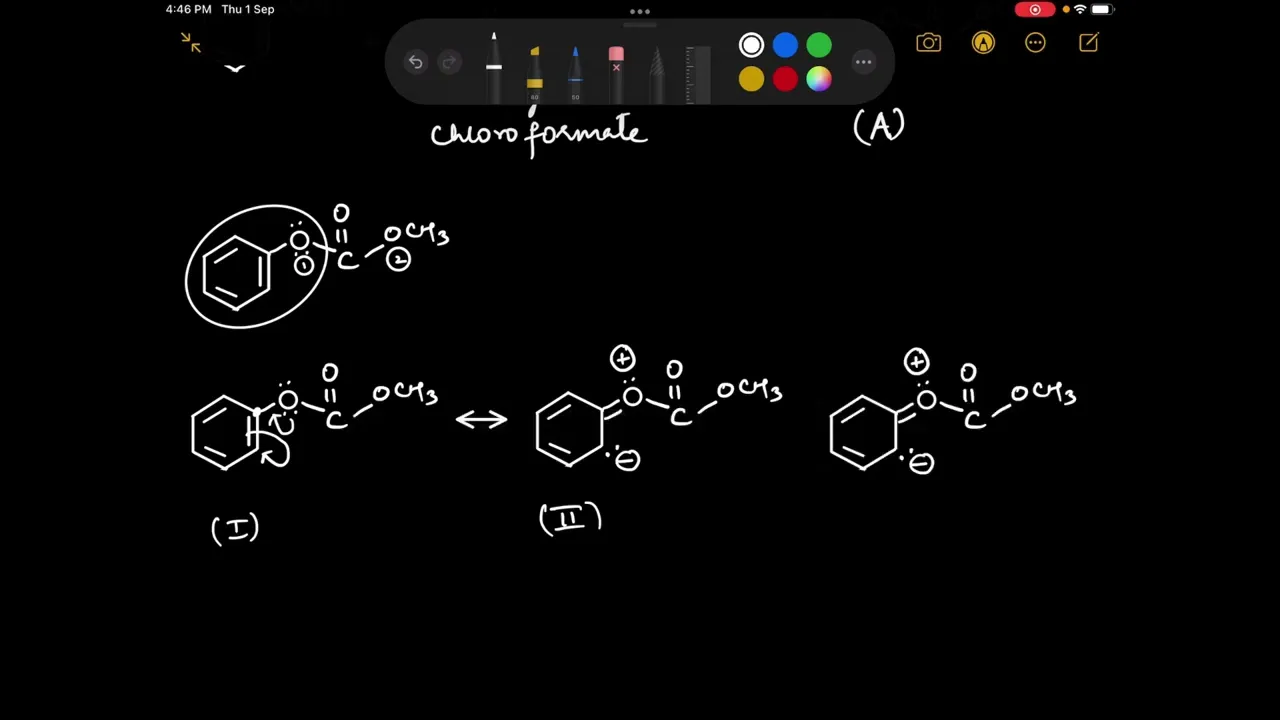
high electron density let's take this compound here now when we are taking this compound observe we can be having cross conjugation let's number the oxygen atoms here this is the oxygen atom number one and this is oxygen atom number two now the oxygen atom number one is the only one which is available to the ring to this ring oxygen atom number one is available I mean to say the lone pairs of oxygen atom number one are available so that we can be having resonating structures so let's try to draw the resonating structures here the lone
pair will shift in between the oxygen atom and the carbon atom so that we can show the shift in the next structure like this here we have the double bond and this oxygen will develop a positive charge the electron density on the carbon atom increases and therefore the bonding pair will shift and get localized as a lone pair and that can be shown in structure number two let's remove this next structure the lone pair which is localized at the ortho Position will be shifting in between the next two carbons as a bond pair let's show
the shift in structure number three the electron density structure number two is increasing on this carbon atom so let's shift the bond pair on to the next carbon atom so that it becomes a lone pair here [Music] let's draw the next structure structure number four now the lone pair will shift once again between the next two carbon atoms let's show the change in structure number four so here we'll be having the lone pair getting converted into the bond pair now the electron density in structure number three at this red carbon increases so the bond pair
will shift on to the next carbon atom as a lone pair let's draw the last structure here now the lone pair will shift in between the next two carbon atoms show the change in structure number five so that the bonding pair on between the oxygen and the carbon will shift onto the oxygen atom and once again become a lone pair if you carefully observe structure number one and structure number five you will see that the structure is almost the same only the bonds between the carbons have shifted observe one more thing which is the most
important one rather the position of the lone pair ortho Ortho and para position that means the position number two 4 and 6. so we can be having the attack of bromine atom either at position 2 or position 4 or position 6. let's try this take compound a and treat it with br2 if BR tries to attack at Ortho positions that is 2 and 6 there is a lot of steric hindrance because this group is quite a bulky group so VR won't attack at the ortho positions rather it will be attacking the Tara position because it
will be much more stable if it is at the para position and will have minus hbr so this is our compound B let's have a look at the options So Meta position won't be the answer para position attack of bromine will be the answer so the answer for this question is option number c thank you