166 million years ago they're in the middle Jurassic a beast of a carnivore is experiencing its Heyday it was one of the largest theropods to live during the middle drastic and was mighty enough to earn a name which meant a great lizard this was the Megalosaurus and it truly was a great lizard and not just because of its physical traits the Megalosaurus was actually the first genus of dinosaur to be validly named this also means that this dinosaur has long been on paleontologist's radar in fact with the earliest fossil belonging to this genus being discovered
all the way back in the 1600s being Unearthed in the tainted Limestone formation located in present-day UK the first bone to be dug up was the lower part of its femur and because scientists back then had no knowledge of dinosaurs it was originally believed to belong to a Roman war elephant and then was switched up and come from a Biblical giant this belief persisted for a considerable amount of time until the early 1800s when new fossils were located and delivered a paleontologist William Buckland who with the help of fellow paleontologists deduced that it was really
a massive lizard-like animal which he estimated to been about 40 feet or 12.2 meters in length while standing eight feet or 2.4 meters tall and finally in 1824 Buckland formally named and described the Megalosaurus and even though his taken the Megalosaurus was more accurate than previous descriptions he still got a lot wrong which is reflected in his reconstructions and descriptions of the Beast Buckland believed the Megalosaurus was a lizard-like quadruped that was also amphibious being able to reverse Land and Sea not to mention he also increased his size estimate on the dinosaur stating that it
was 33 larger than his first estimate Additionally you could tell the Megalosaurus was a carnivore due to its teeth shape and being their religious person he was he claimed the Megalosaurus served the biblical role of ending the lies of old and Ill animals in order to in his words diminish the accurate amount of animal suffering this understanding of the Megalosaurus did not stay around for long as more fossils of the dinosaurs were eventually uncovered and even before the end of the 1800s paleontologists had a deuce that it was likely bipedal and it was not as
large as originally thought and throughout the 1900s and early 2000s even more specimens would be located with one location yielding 103 bones alone and thanks to these fines and the Improvement of the general understanding of dinosaurs knowledge about the Megalosaurus is of course much better now than it was when it was first described as of today there is only one true Megalosaurus species Megalosaurus bucklandi although other species have been proposed none of them have been universally accepted due to the lack of fossil evidence and the Megalosaurus bucklandia is also suffered from this lack of fossil
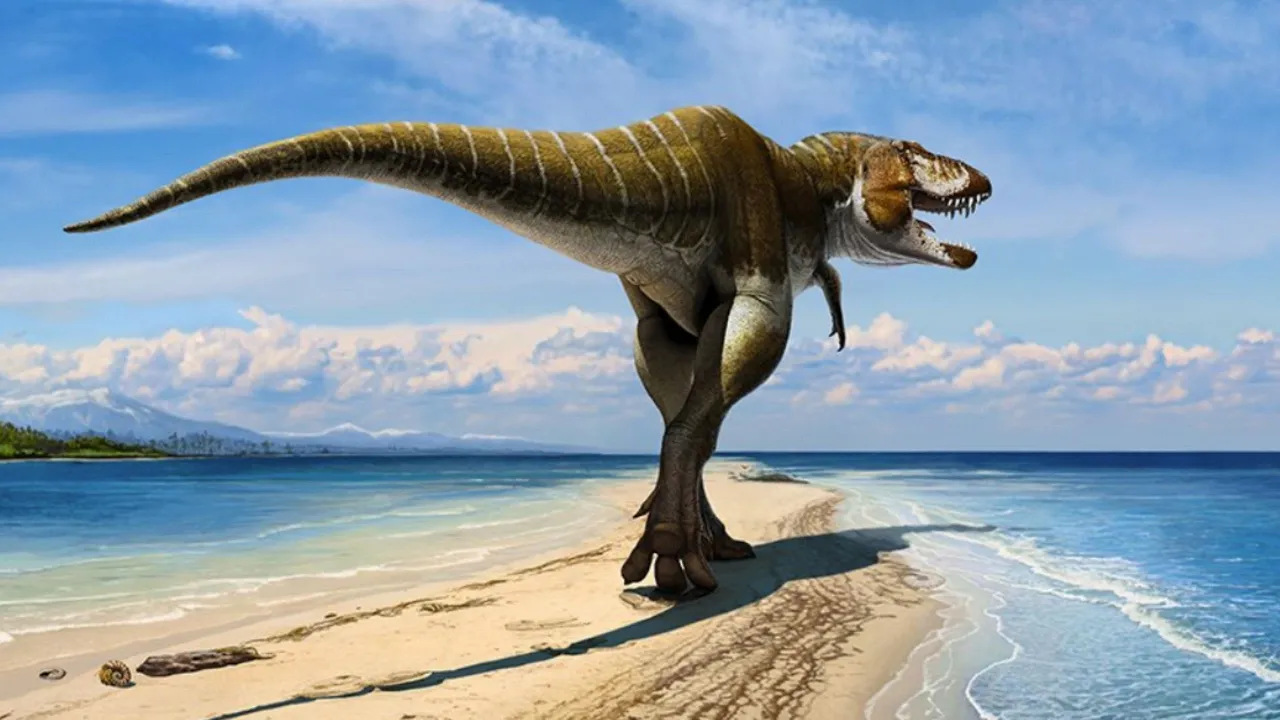
evidence because despite the considerable amount of specimens found there is still a lot more of it missing with the vertebrae and skull bones being extremely scarce meaning that its physical appearance is not quite certain yet in 2010 a paleontologist reconstructed the Megalosaurus using all known body parts leading to a rough idea of what This Magnificent creature looked like the Reconstruction depicts the Megalosaurus is a carnivorous theropod that was medium to large size being between 6 meters or 20 feet and 9 meters or 30 feet in length while weighing about one ton making about the same
weight as a European bison although this meant it wasn't as large as some of the most famous theropods like T-rex or Spinosaurus it still made it one of the largest middle drastic theropods to exist additionally studies on its bone formations indicated those quite robust and would have been heavily muscled its skull in particular was exceptionally sturdy as The Limited finds a skull material show that it was unusually large for its body and thus in an extremely powerful mouth that could deliver vicious bites its mouth was also equipped with long dagger-like teeth that could easily tear
through the Flesh of its prey the Megalosaurus also had its arms to use which although being relatively short were Stout and strong and likely possessed three digits it's been speculated the Megalosaurus may have used his robust arms to grip prey or perhaps slash them inflicting rapid Cuts meanwhile its legs while also being well built were not as robust to the legs of some of its relatives like the torvosaurus to which the Megalosaurus was closely related both of these two theropods belong to the family megalosauridae aptly named after the Megalosaurus this family included nine members all
of which were quite primitive when compared to later theropods and were characterized by lower and longer schools they also had a wide distribution throughout the Earth however the Megalosaurus itself solely inhabited present-day England other proposed species of Megalosaurus have been found outside of England yet none can be confidently referred to as Megalosaurus 166 million years ago England was drastically different than it was today being Lush and tropical and the Megalosaurus lived in an area that appears to have been dominated by Ferns and ginkos it was also situated close to the waters and some Megalosaurus appeared
to have lived on Islands as well its habitat was extremely rich in life which was also very diverse other dinosaurs lived alongside the Megalosaurus included the sauropods cardiodon and cetiosaurus as well as stegosaurs it's not the Megalosaurus prayed both on the sauropods and the stegosaurs yet despite its efficient Weaponry hunting wasn't always easy for the Megalosaurus as fractured Bones have been seen in Megalosaurus specimens that were likely inflicted by herbivores other theropods also coexisted with the Megalosaurus specifically iliosuchus cruxycatos and strepto spondylus the latter two were similar in size to Megalosaurus however neither preyed on
each other and they probably all had their own separate niches furthermore the Megalosaurus is more common and widely distributed indicating the paleontologists that it was a top dog of its time and dinosaurs were not the only ones thriving in England during this time as multiple fish pterosaurs insects and cyanodons were also present it's possible that Megalosaurus may also have hunted these non-dinosaur animals yet no concrete evidence of this has been discovered yet overall the Megalosaurus is truly an amazing and important dinosaur whose Discovery is a Monumental landmark in paleontology and hopefully this animal starts to
get the recognition it deserves and appear more in paleo media