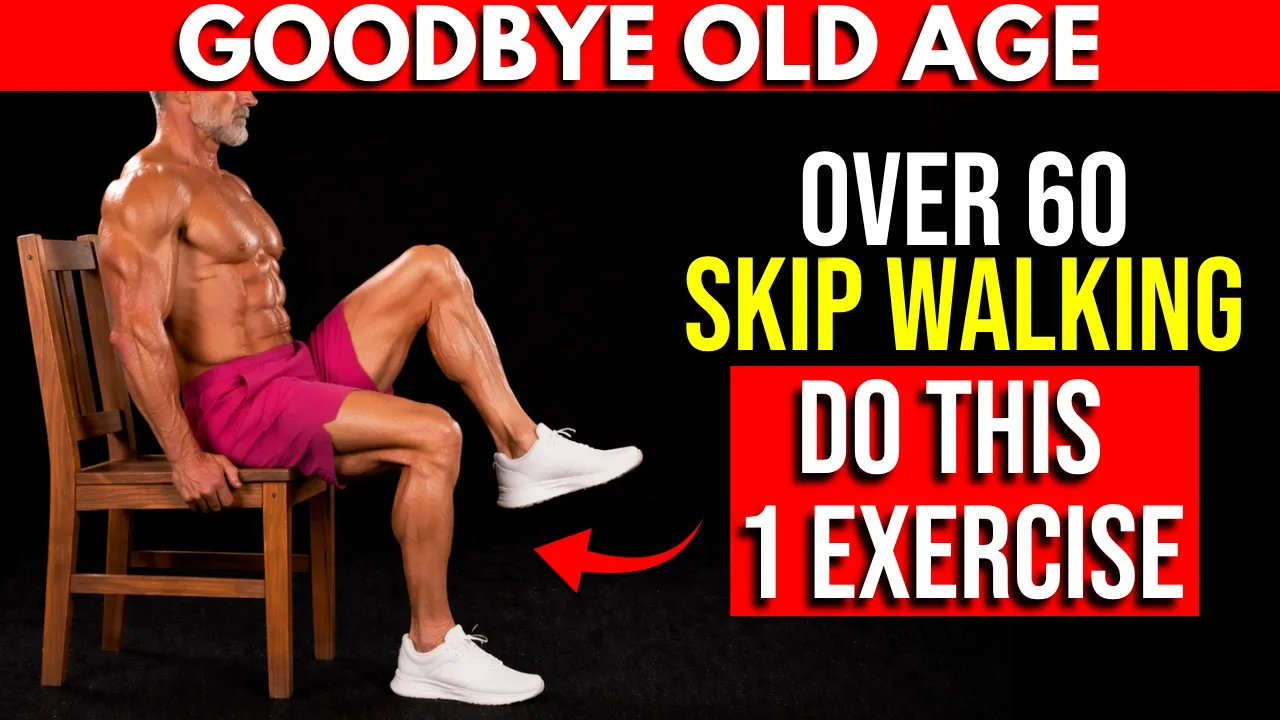
Walking is great, but this one simple exercise is even better for your legs, your heart, and your balance. It is so effective that NASA uses it to help astronauts recover, and you can do it right in your living room. It is called marching, and when done correctly, it strengthens your hips and thighs in ways ordinary walking cannot while staying gentle on your knees.
Research from the Journal of Aging and Physical Activity shows it can improve stability in as little as 8 weeks. So, if walking has been tiring lately, if you feel a bit unsteady, or if your knees have been aching, this might be the simple change your body has been waiting for. Now, let's get started, and I will show you exactly how to do it safely and effectively.
The power of marching is not in how simple it looks, but in what it does deep inside your body. Research from the Journal of Aging and Physical Activity found that older adults who marched just three times a week improved hip strength, thigh power balance, and overall stability in only 8 weeks. And here is what makes marching truly stand out.
When researchers compared it to regular walking, both were good for the heart, but marching activated the muscles that protect you from falling in a way walking could not match. Those hip flexors and thigh muscles that keep you steady lit up far more during marching. Even NASA uses marching drills to help astronauts rebuild their leg strength and recalibrate their balance after months in space when their bodies return weaker and unsteady.
So, do not let the simplicity fool you. This is not just stepping in place. Marching is a proven longevity exercise that strengthens the foundation of every step you take, helping you stay steady, confident, and strong.
Let me share a quick story that shows how powerful this simple movement can be. Robert was a 76-year-old retired bus driver from Michigan. One icy morning, he slipped on his driveway, and although he caught himself in time, the scare left him feeling unsteady and afraid of falling.
He stopped taking his daily walks, and over the next few weeks, his legs grew weaker, and even standing up from his recliner began to feel difficult. His daughter spoke with a physical therapist who suggested something Robert had never considered, marching at home. He began with just 30 seconds holding the back of a chair, and within 2 weeks, he noticed he could stand longer without grabbing for support.
After a month, he was marching for 5 minutes while watching the evening news, and by 3 months, his balance had improved so much that he returned to the park he loved. He said marching gave him something he had not felt in years, control, strength, and confidence in every step. Now, let me guide you through the same simple steps so you can start feeling these benefits, too.
Now, let us walk through the steps so you can do this safely and get the most benefit. If you are in a safe place, go ahead and stand up and follow along. Start by finding a secure spot, such as standing behind a sturdy chair or near a wall for light support.
Make sure you have enough space to lift your knees comfortably. Stand tall, relax your shoulders back, look straight ahead, and gently engage your core as if you were zipping up your midsection. This small adjustment instantly improves your balance.
When you are ready, lift your right knee toward your waist or to a height that feels comfortable, then lower it with control and lift your left knee. That is one march. Move at a smooth, steady pace, and breathe naturally, inhaling as one leg lifts and exhaling as it lowers.
Let your arms swing softly, or keep one hand on the chair if you need more stability. The goal is to feel steady, not rushed. If you are just starting, begin with 30 seconds rest and repeat two times.
If you feel stronger, try 1 minute for three sets with 30 seconds of rest. And if you want a bigger challenge, march continuously for up to 5 minutes, and you can repeat that two or three times a day. The beauty of this exercise is that you can do it while watching TV, listening to music, or during a short break, and it gives your legs, hips, and balance systems exactly the kind of control practice they need to stay strong.
If standing is difficult, or if you want a gentler option, there is a seated version that works beautifully. Sit tall on a sturdy chair without leaning back so your core can support you. Lift one knee and then the other just as you would when standing.
Even in a chair, this wakes up your hips, thighs, and core, and it is especially helpful if you have balance concerns. Start with 5 minutes a day and build up slowly to 15 or 20 minutes about 5 days a week. To make it more challenging, lift your knees a bit higher or move slightly faster while staying controlled.
If this video helped you, please give it a thumbs up because it helps more seniors discover this simple, life-changing exercise. Share it with someone who might need a little hope and movement, and if you have not subscribed yet, please consider doing so for more senior-friendly exercises and health tips. Let us keep marching together.
Your best years are still ahead, one step at a time.