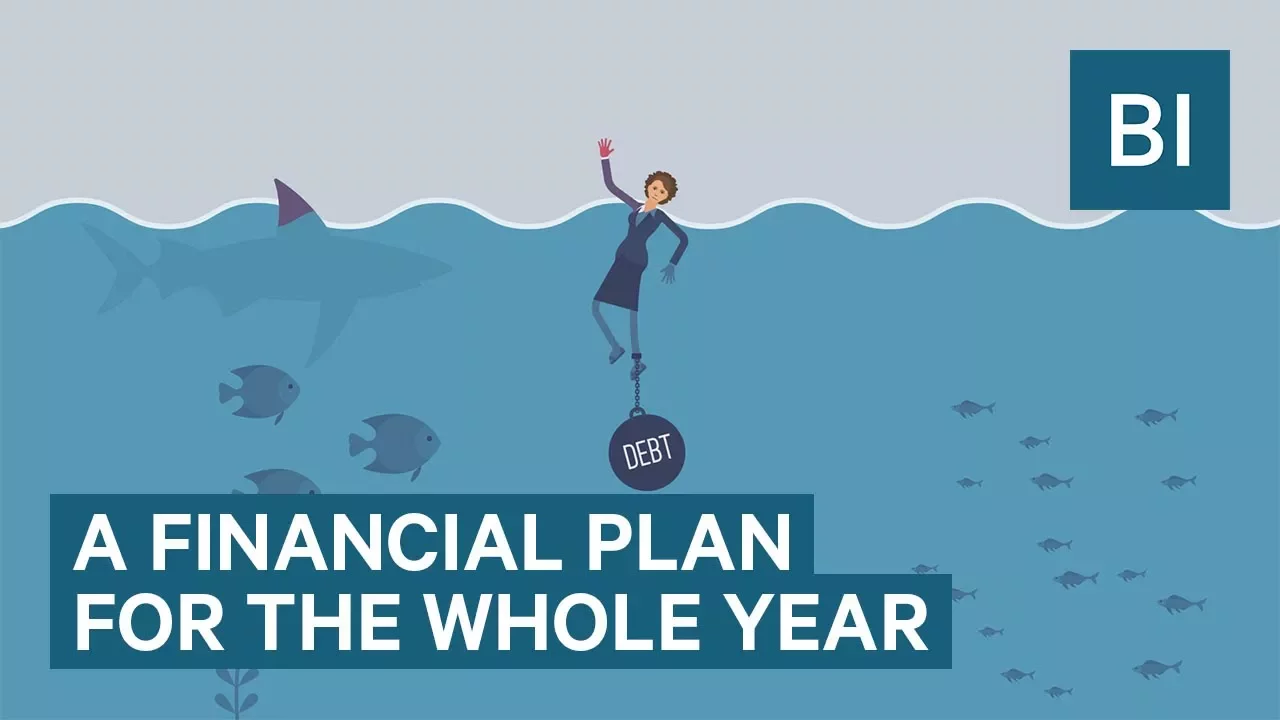
[Music] okay so you've decided to get your financial life together but where do you begin the good news is it's easier than you think we've put together a step-by-step process to walk you through the next year I'm Lauren Lyons Cole I'm a certified financial planner and a senior editor here at business insider day one let's get organized this step can be challenging for a lot of people especially if it's been a while since you've looked at your money or maybe you never have but if you don't know where you're starting from there's no way to
track your progress throughout the year clear out some time and get together all of your recent statements or all of your online login information for your different financial accounts I'm talking everything from checking savings student loans credit cards if you have them retirement accounts maybe old retirement accounts from that job you left and you don't really know where your 401k plan went get it all together so we can see a full picture of what your money is like today if it helps you can use an app to do this for the past 10 years I've
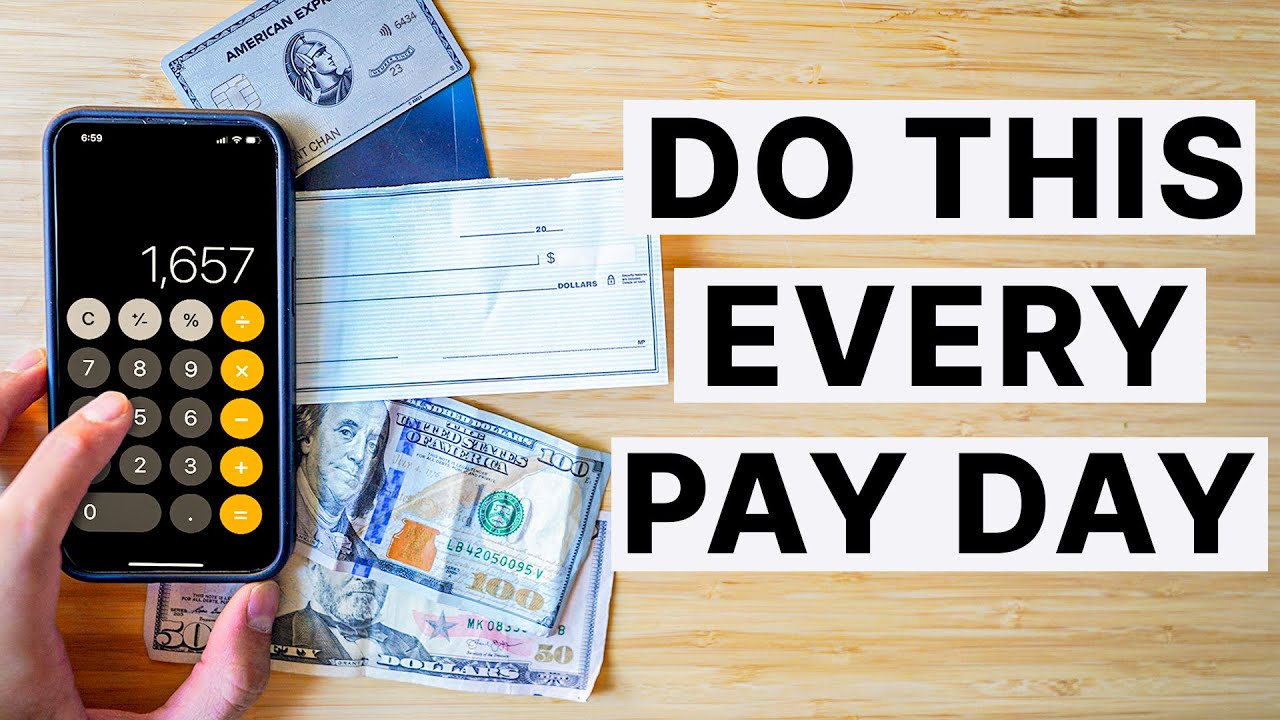
used mint which is really useful as a way to see all my financial accounts in one place as well as my day-to-day transactions week one track everything you're spending on I don't want you to make any changes yet because first we have to figure out what you're doing now so that we can figure out how to tweak and optimize your spending so that you can reach your goals at the end of week one you want to total up what you spent overall and what you spent in each category food shopping drinks whatever it is that
you were buying during the week now compare the total spending to how much you earn in a week how much you actually take home from your job if what you spent overall was more than what you earn overall we're gonna have to work on that either way it's important to identify which categories are your biggest categories for spending and which categories you think you could make the most progress cutting back on month one is time to create a realistic goal in an action plan you can stick to too many people set themselves up to fail
when they're trying to get their financial life in order by choosing an arbitrary spending you know saying oh I'm only gonna spend $200 on food this month but if you usually spend $500 on food there's just no way you're gonna cut back that much our goal for this month is of course to save some money but even more importantly to figure out exactly how much you can cut back for the months to come so that you're setting yourself up for realistic success with your budgeting and saving plan for the next three months our goal is
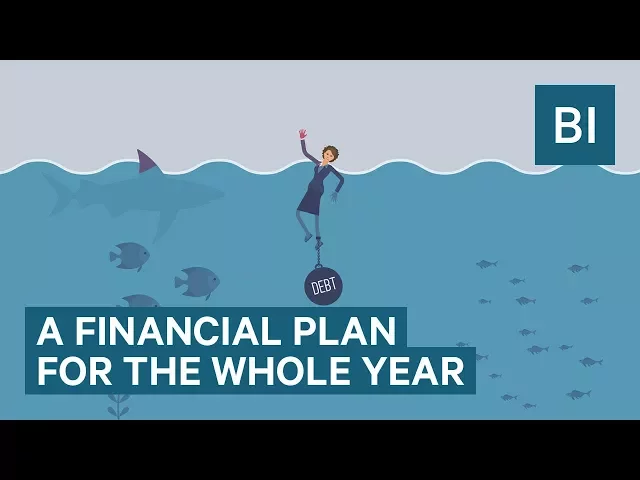
to think big picture and prioritize every financial goal you want to work towards you can't do it all overnight by now your spending should be a little bit healthier and hopefully you're saving a good amount every month but what are you going to do with that money now is the time to figure that out if you have debt that's a really important goal to tackle first because debt carries an interest rate with it which means it gets bigger if you don't start to pay it down if you don't have debt your retirement savings should be
your next biggest priority but you also need to start saving for an emergency fund increase your 401k contribution at work by at least three percent or more if you can do it and then turn your attention to getting your accounts in order your checking account should always have about double your paycheck and your savings account needs to have at least three months of living expenses it can take a while to save up that amount so you don't have to do it all at once and you shouldn't do it without also saving for retirement so we're
at the halfway point and hopefully things are still going really well if not now is a good time to recommit to all of the goals you said at the beginning of this process and if you have to start over you can always go back to day one and do it all again if things are going well there's a cool way to track your progress moving forward that you can add into the mix I record my net worth on a spreadsheet so I can track my progress over time you're not worth is a pretty simple calculation
taking everything you own - everything you owe to arrive at a number this is called your net worth you're not worth could be negative especially if you have a lot of student loans or credit card debt but that doesn't mean it's actually negative if you're making progress on your goals it will continue to grow and that's a really exciting thing to track so we've made it to be here now is the time to reflect on everything that happened in the past year and how your money has changed some months may have been better than others
and that's totally normal every month is different when you're dealing with your money which is one of the big challenges in working towards getting your financial life together you've earned the right to be very proud and you've earned the right to push yourself even harder for the years to come [Music] you