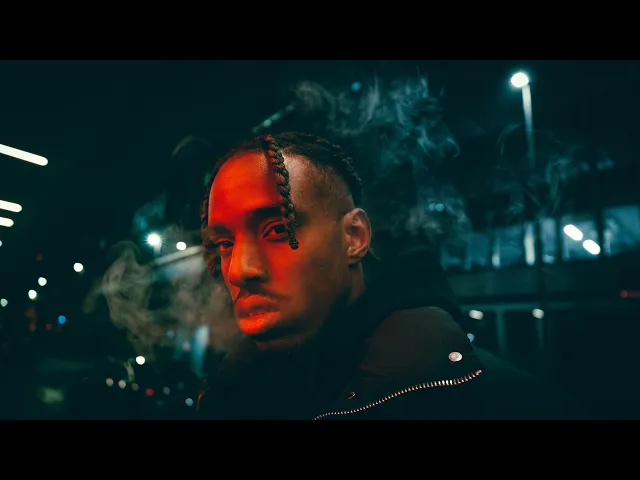
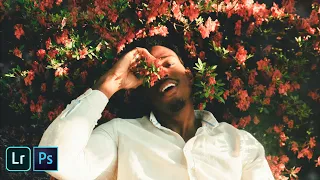
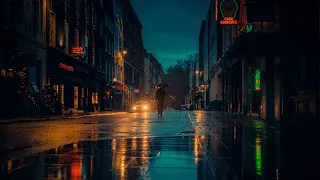
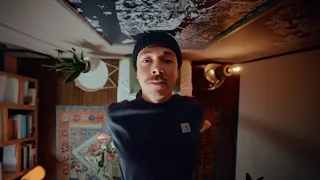
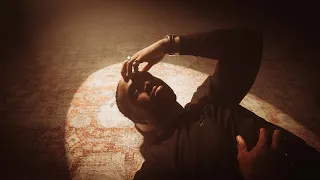
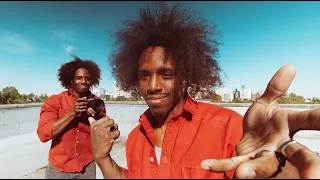
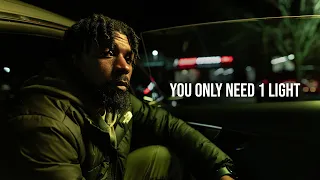
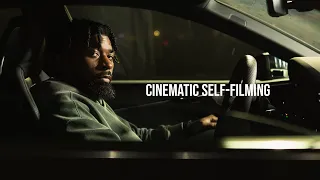
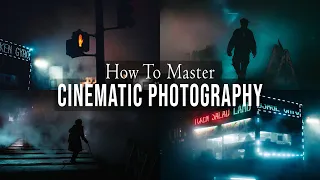
what's up folks today I'll be showing you a couple of ways that you can make your photos more cinematic let's get into it okay so tonight I'm walking around the beautiful city of Manchester looking for excellent and fantastic cinematic compositions so first off what even is a cinematic composition so a cinematic image is any image that Harkens back to cinema an image that is reminiscent of the beautiful shots that you see on the big screen what you're seeing right now is a few of my favorite shots that help inform my photography however if you clicked
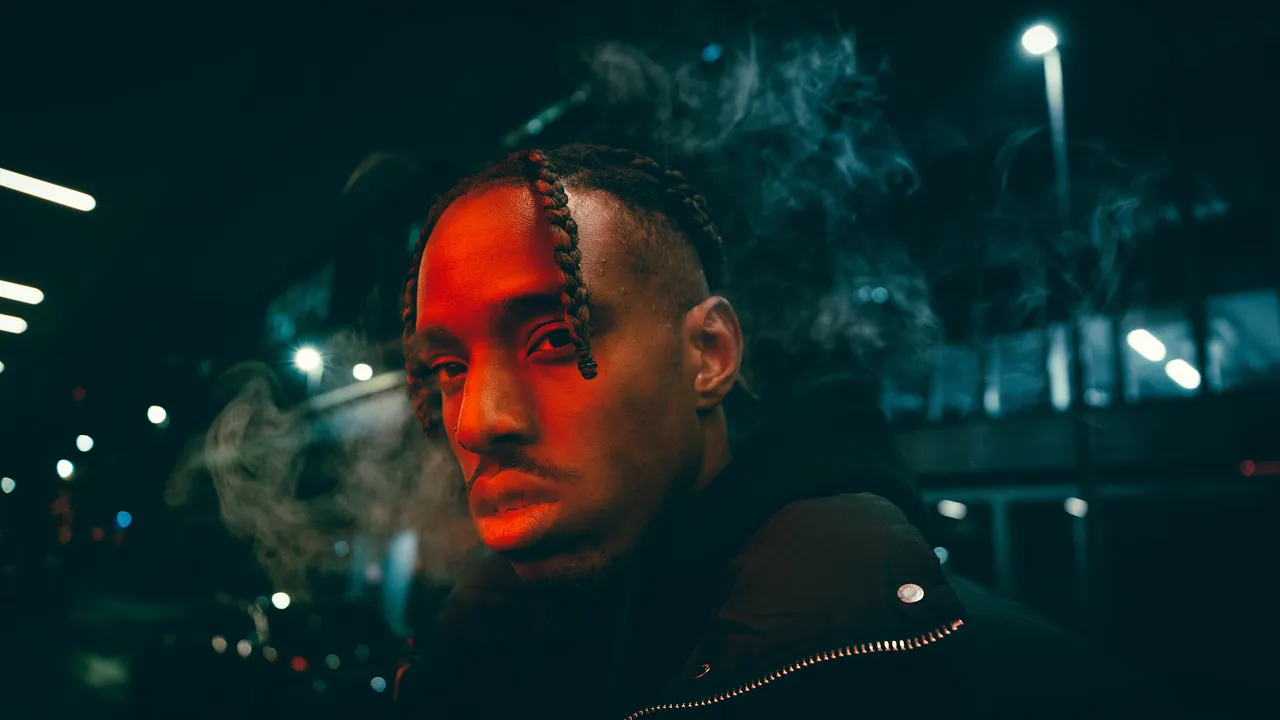
on this video I think what you're looking for is those high contrast images images like this this and this characterized by that teal and orange grade that very dramatic look and I think I got the sauce that you need I'm going to show you how to exactly look at this I'm gonna show you how to do it but look at this this right here is Cinematic there's a few things you have to get down to make sure that your images are as cinematic as possible it's subject scenario gear and color grading now color grading is
a whole video in itself I'm working on that and it should be up in a few weeks but first let's start with subject okay so I think probably the most important aspect of cinematic photography is storytelling really honing in on that subject and drawing the audience in for example look how much more powerful this image is in comparison to this image you can see that the one with the subject is a lot more powerful so what you want to do is make sure that you're telling some sort of story because it's somehow just helps to
draw the audience in and makes the images a lot more captivating foreign don't just settle for any old subject as well aim for mystery and Intrigue figures that have hoods on Long cloaks hats umbrellas you know cloaks that shroud their face just to keep the audience guessing and keep drawing them in making the image a lot more interesting for example I have this cloak here this beautiful long black cloak belongs to my little sister it's a it's a size m in women but I opted for it instead of my of my white coat because it's
just not as mysterious in case I need to be a subject in the photograph I want to make sure I have something long and flowing and mysterious can you see how mysterious I am I think someone who does an excellent job of this mysterious storytelling is new york-based photographer Billy Dean each frame he takes leaves you asking questions or wanting more it's always either a cloaked man with an umbrella shrouding his face or a figure walking through the steam or fog in the distance very cinematic and mysterious the next subject is scenario okay so we
got the subject down we know exactly what we're shooting the next thing you want to focus on is your scenario your environment and this right here is the most cinematic environment of all volumetric light look at that that's beautiful [Music] okay so let's clarify what I mean by volumetric lights occasionally when the air has texture in it when the air has rain fog or even dirt kicked up by a car drifting in the desert when the light interacts with it the the result is beautiful and it creates a very magical very ethereal effect the result
helps to give your image more depth it helps to pull your subject away from the background because there's so much texture between the subject and the background and it looks really sick it looks cinematic if you will you can usually tell if you're getting very good volumetric light if the light manifests itself as light rays now usually this may mean you might have to wait for that perfect foggy day in your city or wait for the rain to come or if you're in the mountains wake up very very early in the morning to see if
you can catch that morning fog before the sun burns it off not now what I do to capitalize on this very beautiful volumetric light is shoot into the light now I know that goes against what a lot of people tell you don't shoot into the light but I like to shoot into the light this gives the Shadows of the image a more balanced like hazy effect it also helps to further pop your subject out of out of the image because your subject takes more of a silhouette form I love using that and it the result
is always beautifully cinematic okay so last but not the least camera gear what camera gear do you need there are two things you need to do in order to make sure that you're getting a cinematic images as as possible you need a very fast lens a fast prime lens and of course a camera or a sensor that's good in real life now what I use is I use the Canon RF in conjunction with a 35 millimeter 1.8 RF lens is it the best combo maybe not but it works perfectly for me especially if I have
that thing mounted on a tripod the results are fantastic very very beautiful now the reason you need a flashlight is because if you notice most of these cinematic scenarios are low light scenarios maybe at dusk or a dawn or maybe in the middle of night time you need a lens to be able to you know pick out stuff that's going on in the dark and you also need a camera sensor that's good at handling low light because you don't want the noise and all the grain from very very low light photographs to be able to
detract from the story that you're trying to tell that is why I use a fast lens in low light situation okay so let's wrap things up I want to I want to go through all the pointers again to get more cinematic photographs you need to dial in your subjects to tell a very impactful story you need to make sure that you're shooting in cinematic scenarios whether that may be dusk or Dawn or nighttime preferably in volumetric light you also need to make sure that you're shooting towards the light in certain scenarios because that helps to
have the light spilling into frame and to balance out the Shadows making it look more cinematic and finally you have to use the right gear having a lens that is fast that works beautifully in low light and I have any camera whose sensor is able to handle the noise and handle that low-light situations would help transform your work and make your work even more cinematic and I hope you enjoyed the video I hope you're able to learn from the video super excited for this year um we're trying to go for 40 videos this year I
have so many ideas and so many Concepts that I cannot wait to share with you thank you so much for watching I'll see you in the next one peace