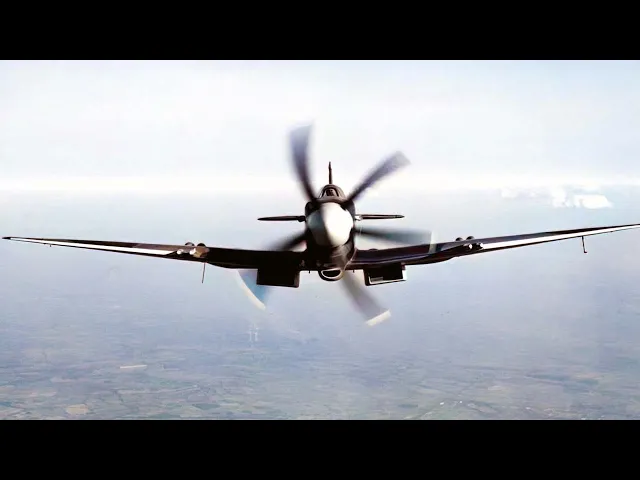
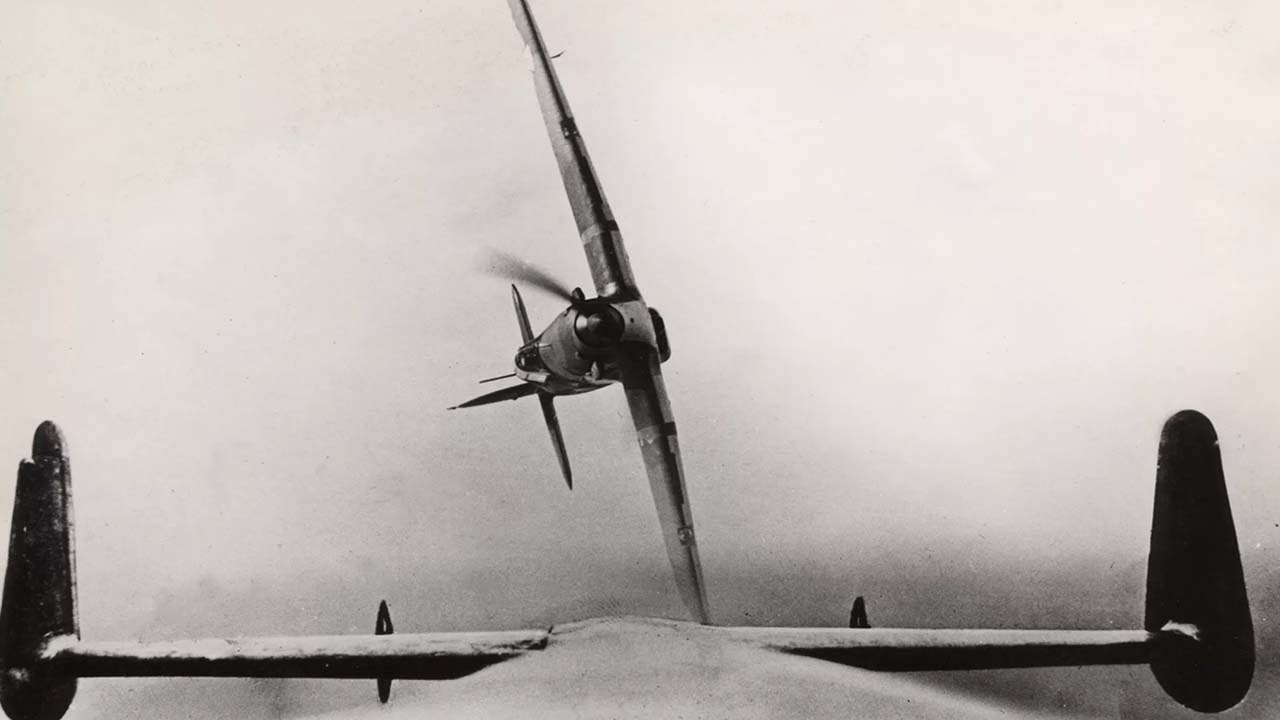
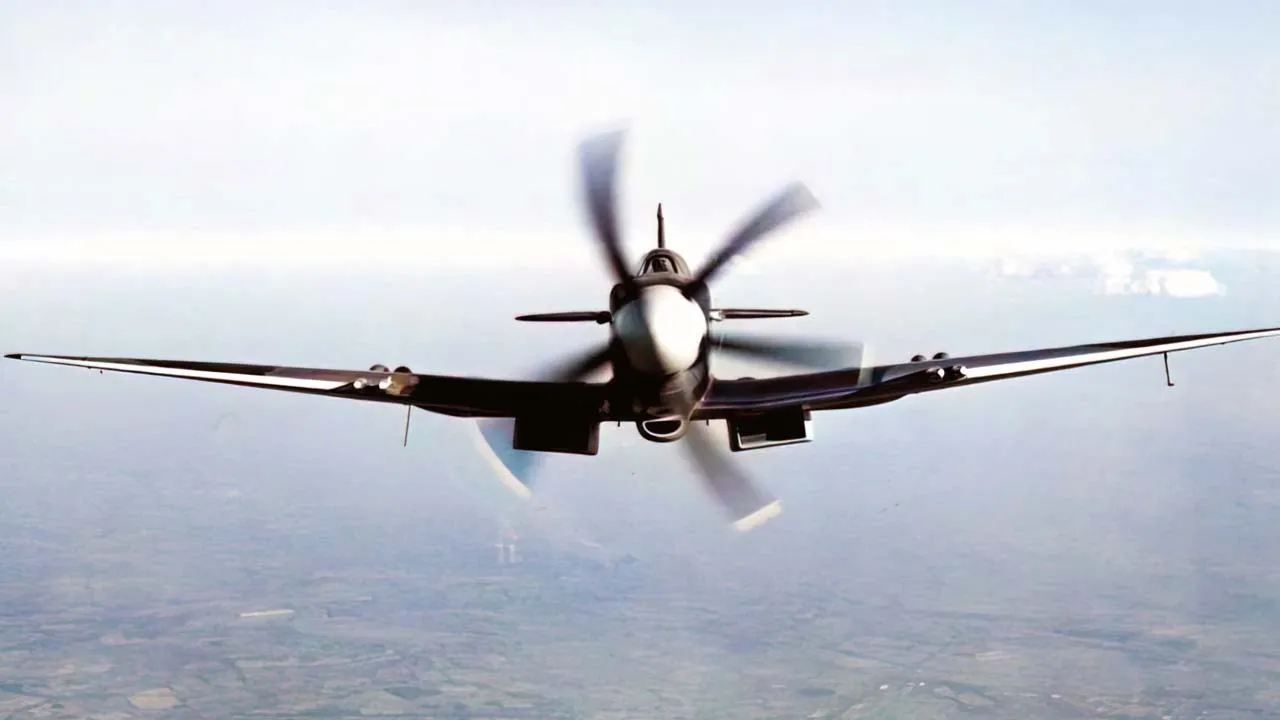
as World War II loomed Over the Horizon the British royal Air Force introduced the supermarine Spitfire just in time for the war against the Nazis during these critical days in which Britain was left to fight alone against the might of the LFA in 1940 the Spitfire would embody the will of the Britain to fight to the very end high above the Skies of London during the Battle of Britain Spitfire squads were pitched against battl tested German BF 109s and fw1 190s thanks to to its thin elliptical Wings the Spitfire was better at maneuvering during dog
fights which allowed the aircraft to outsmart the Germans and rack up impressive shutdowns in the desperate fight to save the citizens from the bonding raids the Germans thought the confrontation would be over in just a few days but they underestimated what would eventually be known as the world's most distinguished Fighter the type 300 in 1931 the British Air Ministry issued specification f730 which called for a modern fighter aircraft that could carry four machine guns and achieve a top flying speed of about 250 mph during this time award-winning designer RJ Mitchell who had risen to fame
for developing racing sea planes and was chief designer of supermarine Aviation Works began to work on a new aircraft design with his team their intent was to develop an aircraft that surpassed the f730 design specifications resulting in the supermarine type 224 this open cockpit bulky Gullwing monoplane would eventually become the basis of the legendary Spitfire the aircraft was powered by a 600 horsepower Rolls-Royce gock engine and flew for the first time in February of 1934 with unimpressive results consequently the air Ministry did not approve it however Mitchell and his team team quickly returned to work
and turned their attention to the Schneider trophy SE plane designs to come up with something that could have the qualities of a racer aircraft and the capabilities of a fighter the team soon delivered the type 300 prototype to the air Ministry but it was rejected once again and lost the bid against the Gloucester Gladiator however this time the air Ministry was impressed by the Prototype which featured thinner Wings an enclosed cockpit an oxygen breathing apparatus and a powerful Rolls-Royce Merlin engine this led Mitchell to improve the type 300 and in late December of 1934 the
air Ministry awarded supermarine a contract and funds to develop the aircraft with a new specification dubbed f135 improvements Mitchell and his team tested the type 300 with two different configurations one featured two Victor's machine guns and the other four 30 caliber American brownings the improved prototype simply dubbed K 5054 flew for the first time on March 10th 1936 with Captain Joseph mut summers at the controls the event marked the beginning of a legend still several improvements were made to perfect it its wings were low set monoplane assemblies and featured a unique elliptical shape unlike anything
seen before also the K 5054 had a standard curved tail fin and an undercarriage that used a narrow track design that plac the aircraft's weight through the fuselage and into the landing gear legs which were fully retractable the air Ministry noticed it was a good design and placed an immediate order to produce over 310 aircraft from there on type 300 was baptized as the supermarine Spitfire a unique Wing design the Spitfire took to the skies again during an air show at the Royal Air Force Base henden Aerodrome in June of 1936 and although full production
was expected to begin immediately numerous problems impeded it for one Mitchell's Health had quickly deteriorated he had been diagnosed with cancer in 1933 and it had begun to take the best of him still he did everything he could to stay focused on his Spitfire design before passing away on June 11th 1937 the responsibility to develop and improve the design then fell on one of his friends Joe Smith the first Spitfires were delivered by midnight 1938 but not at the pace at which the air Ministry was expecting tensions were rising in Europe with Adolf Hitler seeking
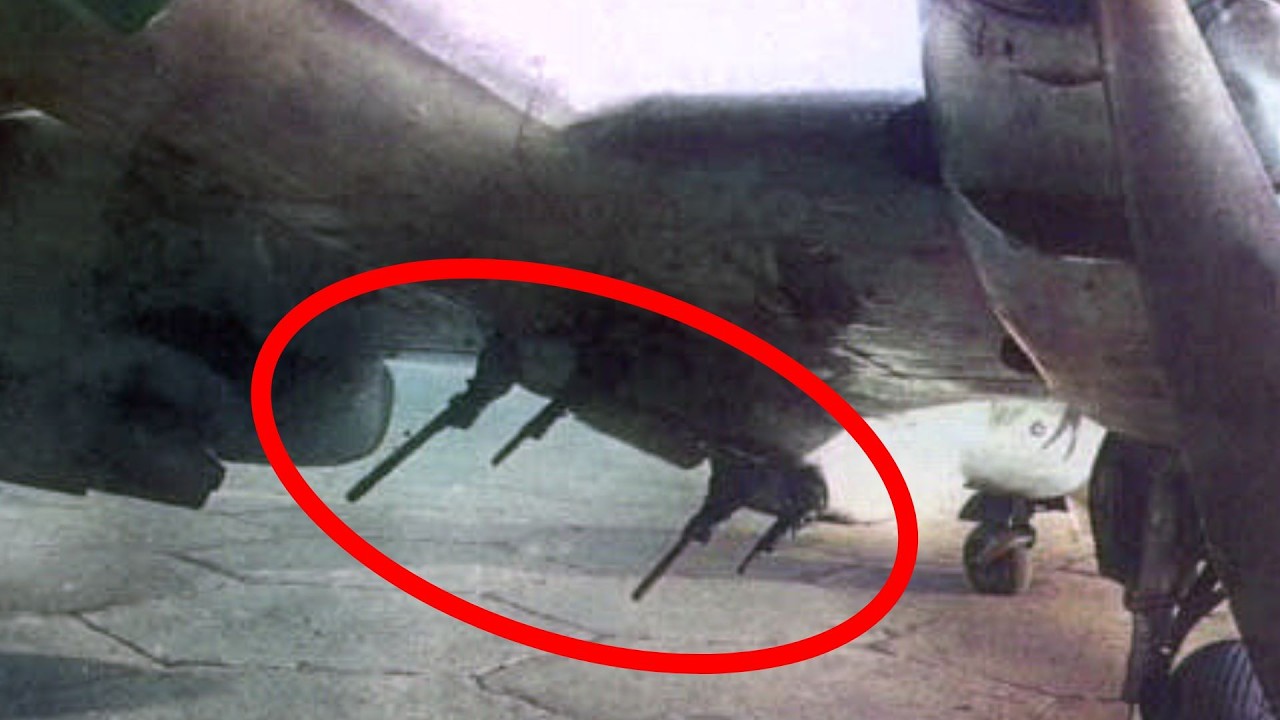
to reinstate the German Empire and the United Kingdom preparing for war still supermarine wolston Factory was at its peak production capacity and unwilling to release the blueprints to external manufacturers consequently the air Ministry threatened the company with immediately stopping production if they did not overcome the delays the skies the initial production run comprised the Spitfire Mark 1 a or Mark 1 and the mark 1B which flew for the first time on May 14th 1938 the mark 1A fielded the Rolls-Royce Merlin 2 engine which provided 1,30 horsepower and was armed with 8 7.7 mm machine guns
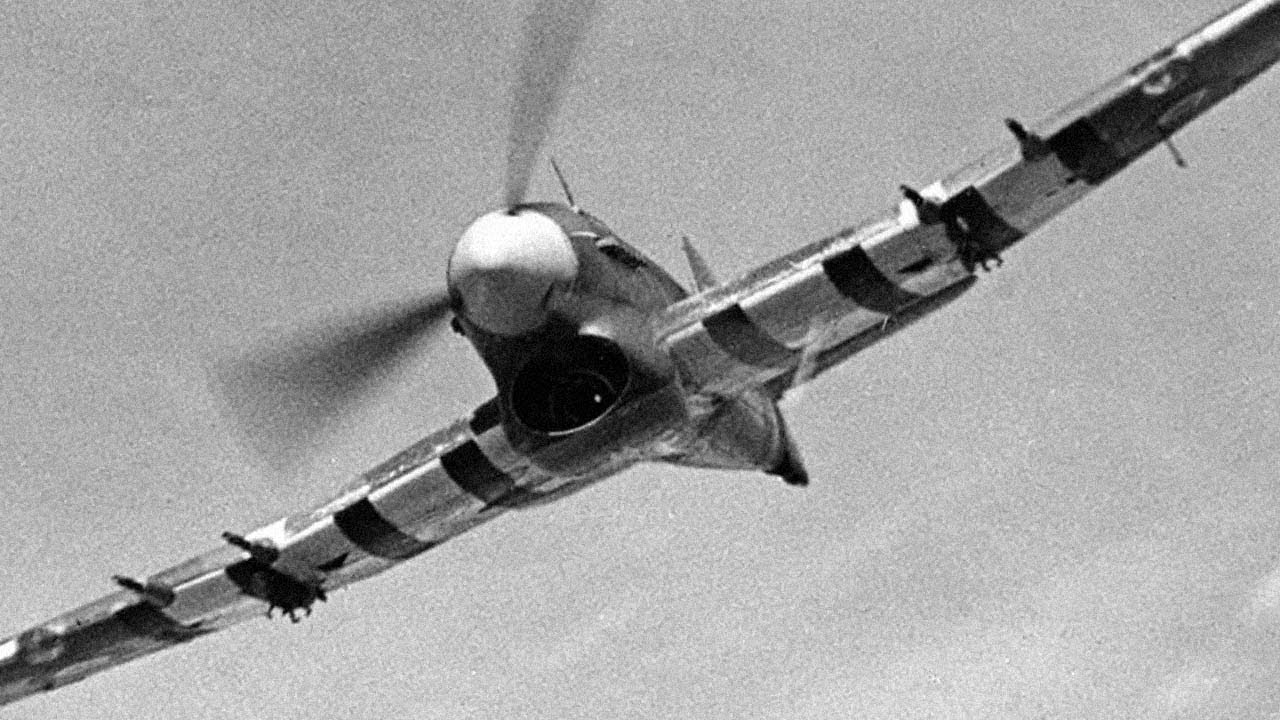
in the wings while the mark 1B featured 2 20 mm cannons and four 7.7 mm machine guns the bottom of the Wings was painted in two different colors for recognition between friendly units One Wing was painted black and the other white to help British Gunners identify the a craft from the ground nevertheless the idea would later be ditched for apparent reasons as it also helped them be identified by German anti-aircraft Gunners the British Pilots had to learn this the hard way after getting shot down with pinpoint accuracy when they raided German cities as World War
II was approaching supermarine introduced The Mark 1 C and Mark 1e variants which differed in the machine gun caliber they used for Armament then when Great Britain and France finally declared war on Germany following the invasion of Poland the Royal Air Force had nine squadrons of Spitfires ready to wage war and defend their Nation the Southampton Blitz the first prey a Spitfire claimed occurred on October 16th 1939 when a German Hinkle h111 bomber was shot down flying over British so then following the capitulation of France in June of 1940 Hitler offered the United Kingdom a
negotiated peace still Winston Churchill refused which led to what he called the Battle of Britain starting on July 10th the lufa subjected the British soil to continuous bombing raids but thanks to the RAF Spitfires the UK survived to fight another day the 19 Spitfire squadrons that the RAF could muster were pitched against the formidable German measi BF 109s an aircraft of incredible speed and Firepower however the thin and elliptical wings of the Spitfire Mark 1s gave it the advantage when it came to Rolling and dog fighting due to its unique shape meanwhile the mark 1A
and Mark 1B variants saw heavy fighting above the British Isles until they began to be slowly replaced in September of 1940 by the mark 2 this variant had an improved Merlin engine and was armed with two 20mm cannons and four 7.7 mm machine guns however production of the Mark I was disrupted after German bombings damaged the won facility as part of the Southampton Blitz in which the Portsmouth and Southampton dockyards were raided between September 24th and 26th by the time the Battle of Britain ended on October 31st the Spitfire had not just become an essential
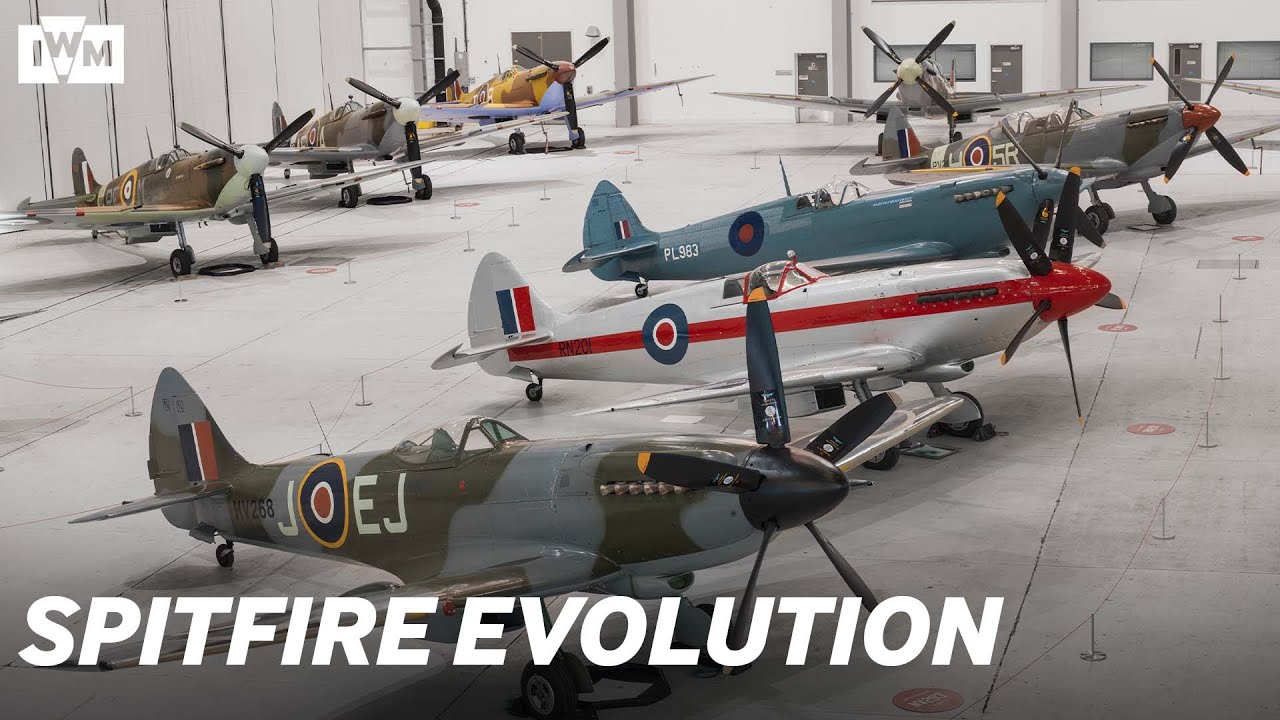
asset for disrupting German air operations but the embodiment of the British fighting Spirit and the willingness of its people to fight and till the very end Spitfire variant the development of the improved Spitfire variants was directly related to the introduction of more powerful enemy aircraft such as the mmid BF 109 and the fu wolf 190 which were also upgraded as the war raged on another reason for the vast array of supermarine marks was the overall effectiveness of the aircraft and the need to use it for new roles besides dog fighting this increasing demand for new
roles such as photo reconnaissance folded variants for use in aircraft carriers or escort Fighters would produce unique aircraft like the supermarine seafire the Spitfire would end up with 24 variants resulting in over 20,400 finished aircraft with the last batch of supermarine Spitfires delivered in June of 1949 the aircraft was produced in four different Wing types that were strictly related to the desired Armament the unique elliptical Wing would ultimately be replaced by a square tip to increase the maneuverability of the fighter the type A and B wings were fitted with either eight Browning machine guns or
two Hispano cannons with four MGS the type C wi was the universal fit which provided the capacity to carry 250 lbs of bombs and the type D wi was used by reconnaissance variants and dropped the Armament for additional fuel stores to increase range one of the main differences between the marks was the introduction of more powerful Merlin engines one example was the mark 5 which featured an improved Merlin 45 or 50 Series inline piston engine and was widely used during the deeper raid the D-Day Landings and the Soviet defensive actions during 1943 the Mark 6
was then developed to counter high altitude enemy aircraft and comprised a pressurized cockpit and lengthened wings for high altitude interception and another notable variant was the Mark 10 a reconnaissance aircraft fitted with special camera equipment and additional fuel stores design changes were introduced with the mark 14 which featured a bubble canopy an enlarged tail fin and a lengthened fuselage and the subsequent Mark 16 was a dedicated ground attack aircraft that featured 12.7 mm heavy machine guns and was used during operation Market Garden and the liberation of France in late 1944 from The Mark 21 to
the mark 24 the last spit fire marks featured the mighty Rolls-Royce Griffin 61 64 and 85 five engines that provided over 2,400 horsepower the airframe had a teardrop canopy a larger tail fin a driving Contra rotating propeller assembly and a cut down fuselage spine meanwhile the supermarine seafire was the naval version of the Spitfire and was designed for a rough carrier life it saw action during the North African campaign the attacks on the Mediterranean and the Pacific Theater against the Japanese empire the last operational Spitfire was retired from the Irish aircore in 1961 ultimately the
Spitfire earned its rightful place in the Hall of Fame among the most influential aircraft of all time after proving its worth in combat against Relentless enemy Fighters thank you for watching our video please like And subscribe to our dark documentaries channels to find more exciting historical content and let us know in the comments below what you think of the supermarine Spitfire and its combat service also hit the Bell icon to be notified of our newest content stay tuned