The levels of poverty in Mozambique used to be around 46% and now it is 65%. Therefore we have around 21 million Mozambicans living below the poverty line. It’s absolute misery.
We have one of the worst rates of kidnapping in the world, one of the worst rates of press freedom in the world. How is it possible that people living under such conditions that 70% of them would vote for a party that led them into this condition? Only if it were masochistic people, and the Mozambique people are not masochistic.
Therefore, it’s absolutely impossible. And Frelimo knows that. It knows that social discontent is massive.
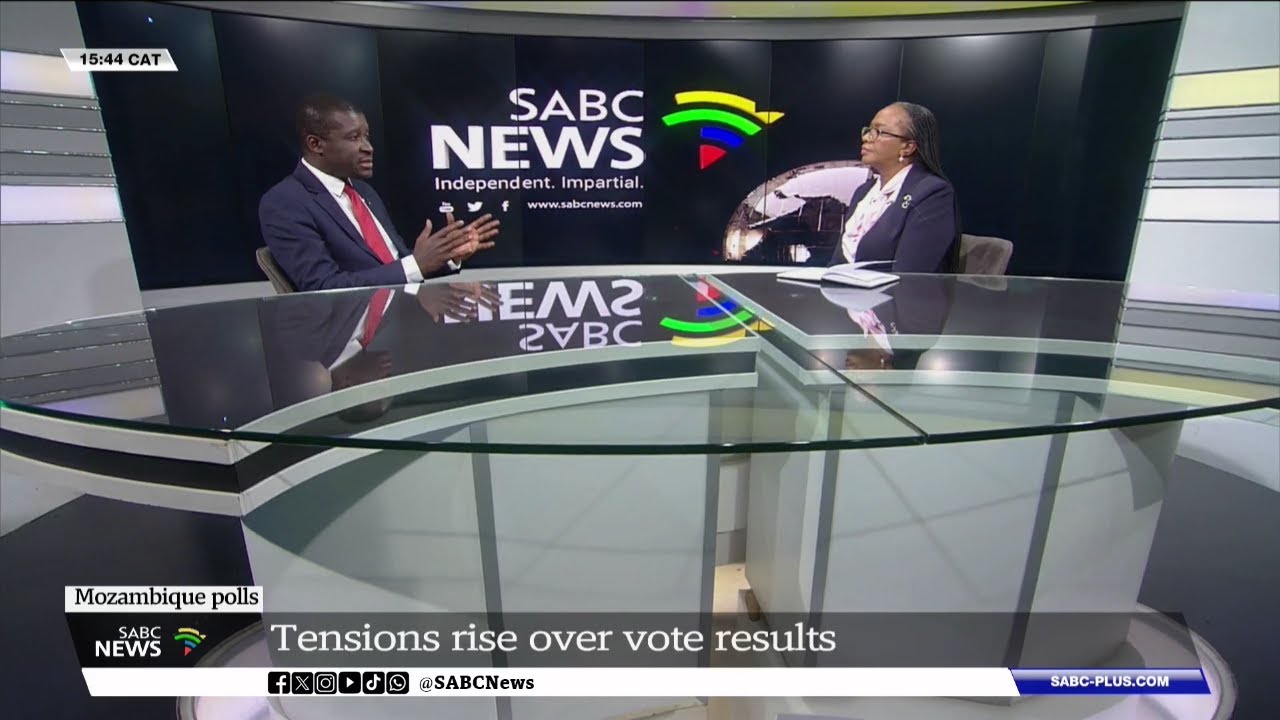
We have been protesting, let’s say, with some interruptions, for about a month. We started on the 21 October, and now and it's been more or less a month of protests. When we started the protests, Frelimo’s position, was that this was a crushing victory.
As the protests became more intense, Frelimo issued a public statement saying that it was open to dialogue, negotiations. It’s a balancing act. On the one side there’s the regime, and the pressure it places.
On the other we have the people, who need to take care of their lives and win their bread. We need to evaluate what side will prevail. In my opinion, the pressure will be bigger on the government than on the people.
My message goes out to the international community, especially for those who have closer relations with Mozambique. Such as the European Union, the Commonwealth, the G20, the United States, France, Italy, England and Germany and all the African regional blocks. All this community, I would ask them to look to Mozambique deeply and fondly.
To tell you the truth, I don't even find it important to get a position in the next government. What I want is for these commitments to be ensured, so that I can say that my mission before my people has been fulfilled. Now, whether I become a minister, or a vice-president tomorrow, to tell you the truth, that is not important.
The most important is to provide assurance for the future of Mozambique.